Lake Skadar
Montenegro Posted by Brandon B.Admin
Montenegro's Largest Lake Has More to Offer Than You Might Expect
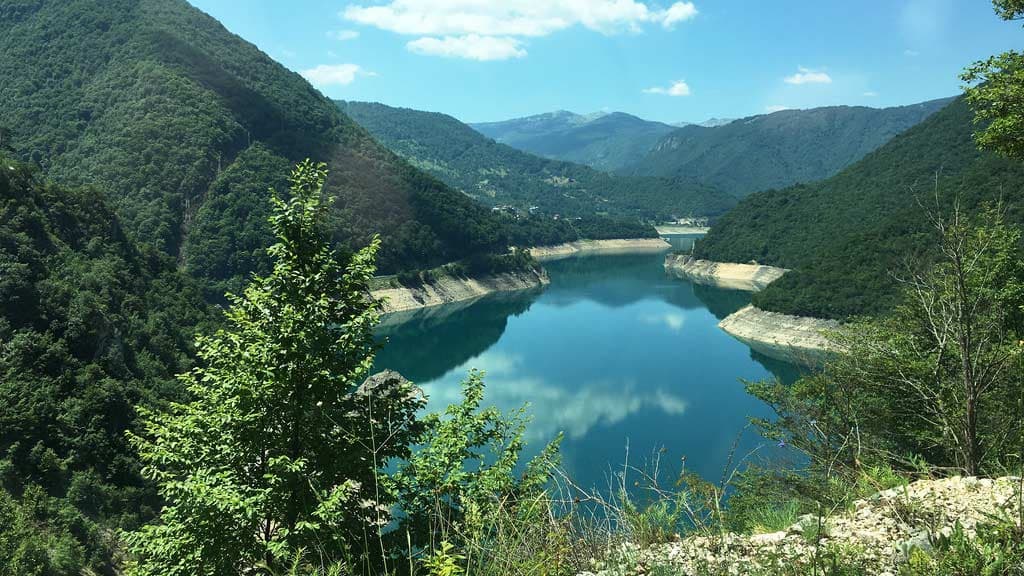
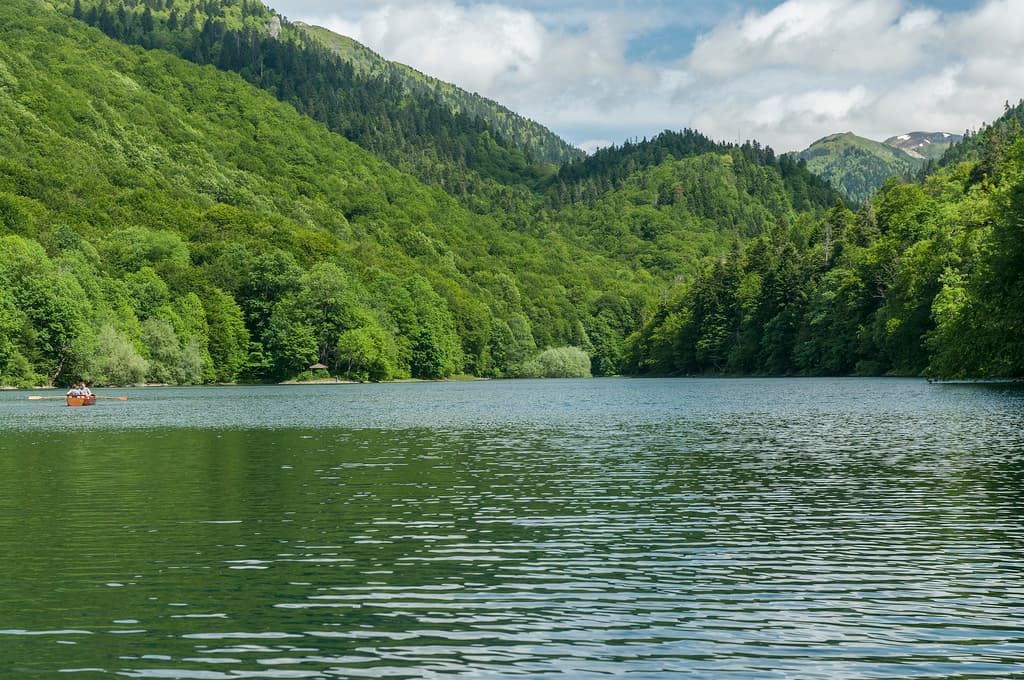
Lake Skadar sits on the border between Montenegro and Albania, and it is the largest lake in the Balkans. That single fact tends to get repeated in every brochure, but it undersells what the place actually feels like. On a calm morning, the water reflects the karst mountains behind Virpazar so cleanly that you lose your sense of where the lake ends and the sky begins. Pelicans patrol the shallows. Fishermen drift past in flat-bottomed boats. The lake covers roughly 370 square kilometers depending on the season, and more than half of that surface belongs to Montenegro.
The Montenegrin side was designated a national park in 1983, which means the reed beds and water lily fields covering large stretches of the shoreline have been left largely intact. You will not find a resort strip here. What you get instead is a working landscape that has been fished and farmed for centuries, threaded with medieval fortresses and small Orthodox monasteries that appear suddenly around bends in the water.
Why Lake Skadar Matters
This is one of the most important wetlands in Europe for bird life. More than 270 species have been recorded here, and the lake supports one of the largest Dalmatian pelican colonies on the continent. If you care about birds even a little, this alone justifies the trip. If you do not, the scenery still makes a strong case.
The lake also sits at a crossroads of history. The fortress of Besac overlooks the water near Virpazar. The monastery of Kom, reachable only by boat, dates back to the 14th century. The ruins of Grmožur, a former prison on a small island, are visible from the water without even docking. These are not reconstructed heritage sites. They are genuinely old, and in some cases genuinely crumbling, which gives them a different kind of weight.
Quick Facts
- Location: Southern Montenegro, bordering Albania, about 15 kilometers from Bar and roughly 40 minutes by road from Podgorica
- Size: Approximately 370 square kilometers total surface area, varying by season
- National park designation: 1983 on the Montenegrin side
- Bird species recorded: Over 270, including Dalmatian pelicans and pygmy cormorants
- Main gateway town: Virpazar, on the Podgorica-Bar railway line
- Key activities: Boat tours, kayaking, fishing, birdwatching, wine tasting
- Entry: National park entry fee applies for most water-based activities
Getting There
Virpazar is the most practical base for most visitors. It sits right on the lake's edge and has the highest concentration of boat tour operators, konobas (local restaurants), and guesthouses. From Podgorica, you can reach it by car in under an hour, or by train on the scenic Bar line, which crosses a series of viaducts and tunnels through the mountains. The train ride itself is worth doing once.
If you are coming from the Adriatic coast, Bar is the closest major town. From Budva or Kotor, expect a drive of roughly 60 to 90 minutes depending on traffic. There is no regular public bus that drops you directly at the lake shore, so if you are without a car, the train to Virpazar or a taxi from Bar are your most straightforward options.
The Layout and Experience
The lake has a different character depending on which part of the shore you approach from. Virpazar and the area around it tends to be busiest in summer, with boat tours departing regularly for the monasteries and the island ruins. Further north, toward the village of Rijeka Crnojevića, the landscape becomes quieter and the Ottoman-era stone bridge there is one of the better photo stops in the whole region.
Water levels shift considerably between seasons. In spring, snowmelt from the surrounding mountains raises the lake significantly, flooding the lower reed beds and creating a different kind of beauty. By late summer, the water pulls back and reveals more shoreline. The floating water lilies that cover large stretches of the surface are most spectacular in early summer, usually around June.
Most people experience the lake by boat, and that is the right call. A standard guided tour out of Virpazar covers the island fortress of Grmožur, the monastery of Beška (also on an island), and usually a stretch of the lily fields. Tours typically run between one and two hours. You can also rent a kayak or a small motorboat independently if you want to set your own pace.
History and Background
The lake takes its name from Shkodra, the Albanian city at its southern end, though the Montenegrin name Skadarsko jezero is what you will see on most maps and signs. Human settlement around the shores goes back to antiquity, and the lake's fish stocks made it strategically valuable through the medieval period. The Zeta principality, the precursor to the Montenegrin state, had its center of gravity in this basin during the 14th and 15th centuries.
The monastery of Kom, founded in the 14th century, and the monastery of Beška, slightly older in origin, are among the most visited historical sites accessible by boat. Both sit on small islands and have functioning religious communities attached to them. Dress modestly if you plan to go ashore.
The fortress of Grmožur, by contrast, has a darker history. It served as a prison under Ottoman rule and later under Montenegrin administration, and the crumbling walls that remain on the small island are visible from passing boats. Most tours circle it without docking.
Best Time to Visit
The lake rewards visitors across most of the year, but the experience changes significantly with the seasons. Late spring and early summer, roughly May through June, offer the water lilies in full bloom, comfortable temperatures, and active bird colonies. This is when most birdwatchers plan their trips.
July and August bring the crowds. Virpazar gets busy, boat tours fill up, and the heat can be intense. The lake is still beautiful, but you will share it with a lot more people. If you are visiting in peak summer, go out on the water early in the morning before the tour groups assemble.
Autumn, particularly September and October, is arguably the best time for photography. The light softens, the crowds thin, and the mountains around the lake take on color. Winter visits are possible and often genuinely peaceful, though some boat operators close and accommodation options reduce.
Photography Tips
The lake is photogenic in almost any light, but the hour after sunrise is hard to beat. From the water, you get the karst ridges catching the first light while the surface is still glassy. Virpazar's small harbor, with its stone buildings and fishing boats, photographs well in the late afternoon when the sun drops toward the hills behind it.
For the water lilies, a boat is essential. You cannot get close enough from the shore. Ask your boat operator to take you into the lily fields rather than just past them.
The monastery islands photograph best from the water rather than from shore. Bring a longer lens if you want to isolate the church buildings against the lake background.
Combining with Nearby Attractions
Bar, about 15 kilometers from Virpazar, is worth an afternoon. Old Bar (Stari Bar) is a ruined medieval city set back from the coast, and it is substantially less visited than the coastal towns further north. The olive groves around the town include trees that are claimed to be over 2,000 years old.
If you are based in Kotor or Budva, Lake Skadar works well as a full-day excursion. The drive south through the mountains is scenic in its own right. Some visitors combine it with a stop in Cetinje, the old royal capital, which sits on the plateau above the lake basin and takes about 30 minutes from Virpazar by road.
The Rijeka Crnojevića river, which connects the old capital region to the lake, offers a quieter and less-visited perspective on the whole watershed. The village itself is small, but the Ottoman bridge and the position above the water make it worth the detour.
Practical Tips
- Book boat tours in advance during July and August, especially if you have a specific departure time in mind
- Bring sun protection on the water even when it feels mild, the reflection off the lake intensifies the exposure
- Virpazar has a handful of good konobas serving carp and eel from the lake, which are the dishes most tied to the local food culture
- The national park entry fee is usually collected at the point of departure for boat tours, not at a gate
- If you are birdwatching, a pair of binoculars is worth more than any guided tour
- Mosquitoes can be significant near the reed beds in summer evenings, particularly after rain
- The train from Podgorica to Virpazar takes roughly 40 minutes and runs several times daily, though schedules vary by season
- Montenegro uses the euro, and smaller operators in Virpazar may prefer cash
FAQ
Do I need a national park permit to visit?
For most activities on the water, yes. A daily entry fee applies within the national park boundaries. Boat tour operators typically handle this as part of their fee, but if you are renting a kayak or your own boat independently, confirm how the permit is arranged before you set off.
Can I swim in Lake Skadar?
Swimming is possible in some areas, and locals do swim in the lake. However, it is not a conventional beach destination. The shoreline in most places is reedy and shallow, and the national park rules restrict access in certain zones. Ask locally about the best spots if this is a priority for you.
Is the lake worth visiting from Kotor or Budva as a day trip?
Yes, comfortably. The drive from Kotor to Virpazar takes roughly 60 to 70 minutes depending on the route you take. A full day gives you time for a boat tour, lunch in Virpazar, and a stop at one of the monasteries. It is a different kind of landscape from the Bay of Kotor, which makes the contrast part of the appeal.
Are the monasteries open to visitors?
The island monasteries accessible by boat are generally open to visitors, though hours and access can depend on the religious calendar and whether services are in progress. Modest dress is expected if you go ashore, and some monasteries ask visitors not to enter during services.
Reviews
Sign in and mark this place visited to leave a review.
No reviews yet.
Free Trip Planner
Plan your Montenegro trip with our free planner
Build a day-by-day itinerary with AI suggestions, hand-picked places, and friends. Free forever — no credit card.