
Ben Thanh Market
Ben Thanh, Ho Chi Minh, VietnamBen Thanh Market Overview
Ben Thanh Market sits at the heart of Ho Chi Minh City, occupying a full city block in the Ben Thanh ward of District 1. The market's distinctive French colonial clock tower rises 40 meters above the surrounding streets, visible from several blocks away. Built in 1912, this landmark has become synonymous with the city itself. Inside, the covered market sprawls across two main floors with over 3,000 individual stalls, making it one of Southeast Asia's largest enclosed markets. The atmosphere is dense, loud, and alive with commerce from dawn until late afternoon.
Ben Thanh Market is not a tourist attraction in the conventional sense. It functions as the beating heart of local commerce in Ho Chi Minh City. Vietnamese shoppers come here to buy textiles, fresh produce, meat, seafood, flowers, souvenirs, and electronics at wholesale or near-wholesale prices. If you visit, you are shopping alongside locals, not observing from a distance. The market rewards patience, negotiation skills, and a willingness to get lost in the crowd.
Why This Place Matters
Ben Thanh Market represents the commercial and cultural identity of Ho Chi Minh City. For over a century, it has been the primary marketplace for the city's residents. The architecture itself is a statement: the French colonials built this market to serve their colonial city, and the Vietnamese kept it intact after 1975 as a symbol of local resilience and continuity. The market survived war, economic collapse, and modernization. Today it competes with shopping malls and supermarkets, yet it remains packed most days.
For visitors, the market offers an unfiltered view of how urban Vietnamese life actually functions. You will see families buying their week's groceries, textile workers selecting bolt after bolt of fabric, and street food vendors preparing lunch. The market is tactile, olfactory, and sometimes overwhelming. It is not polished or curated for tourists, though tourists do come.
Quick Facts
- Built in 1912 during the French colonial period
- Clock tower stands approximately 40 meters tall
- Contains over 3,000 stalls across two main floors
- Located at the intersection of Le Loi, Tan Trieu, Ham Nghi, and Calmette streets
- Opens early morning (around 6 AM) and winds down by late afternoon (around 6 to 7 PM most days)
- Busiest between 7 AM and 11 AM, and again from 4 PM onward
- Entrance fee: none (it is a functional market, not a museum)
Getting There
Ben Thanh Market sits in District 1, the central business and tourist district of Ho Chi Minh City. If you are staying in the backpacker area around Pham Ngu Lao Street, the market is a 10 to 15 minute walk or a short taxi ride east. From the Saigon River, it is about 5 minutes west.
The easiest entrance is from Le Loi Street on the north side, where the clock tower faces outward and taxis often queue. You can also enter from Tan Trieu Street to the east or Ham Nghi Street to the south. Cyclo (three-wheeled bicycle taxi) drivers know the market well and will drop you at any entrance. Grab, the Southeast Asian ride-hailing app, operates throughout the city and can bring you directly to the market.
If you arrive by motorbike taxi or Grab, expect heavy traffic around the market perimeter during peak hours. Parking is not straightforward for private vehicles. Most visitors arrive on foot or by taxi.
The Layout and Experience
The market's interior is a labyrinth. Four main sections radiate from the center: textiles and fabrics dominate the ground floor's western half, fresh produce occupies the eastern side, and souvenirs and handicrafts cluster near the main entrances. The upper floor holds more textiles, clothing, and some electronics. Narrow aisles separate stalls, and the crowd density varies wildly depending on the time of day.
The air is thick with competing smells: fresh herbs, dried fish, incense, fabric dyes, and human sweat. Vendors call out prices and haggle with customers. The noise level is constant. If you are sensitive to sensory overload, visit early morning when the crowd is smaller or late afternoon when some stalls are already packing up.
Finding a specific vendor or type of goods requires either asking locals or wandering. A few stalls sell English-language maps of the market, though their accuracy is debatable. Your phone's GPS will struggle indoors. The best approach is to pick a section and explore at your own pace, or ask a vendor to point you toward what you are looking for.
Main Highlights
The clock tower itself is the market's visual anchor and photo landmark. You can see it from the main entrance and from several nearby streets. It is particularly striking at dusk when the light softens.
The fresh produce section on the eastern side is a riot of color and activity. Vendors stack mangoes, dragon fruit, rambutan, and seasonal vegetables in pyramids. If you are curious about tropical fruits you have never encountered, this is the place to ask questions and sample. Many vendors will cut and hand you a piece to taste before you buy.
The textile section is where local tailors and garment makers source bolt fabric. If you have any interest in textiles, the variety and price points are remarkable. Silk, cotton, synthetic blends, and traditional Vietnamese patterns fill entire aisles. Vendors here move bolt after bolt quickly, suggesting this is serious commerce, not tourist shopping.
Street food stalls cluster near entrances and in small courtyards within the market. You can find banh mi, pho, and other quick eats. These are cheap and authentic, though not always clean by Western standards. Many travelers eat here without incident, but proceed at your own risk if your stomach is sensitive.
History and Background
Ben Thanh Market was constructed in 1912 as part of the French colonial administration's modernization of Saigon. The French designed the market to be a central hub for commerce in their colonial city. The architecture reflects that era: the iron framework, the clock tower, and the overall structure are products of early 20th century French colonial engineering.
After Vietnam's independence in 1975, the market remained a vital commercial center. It survived the subsequent decades of economic hardship and was never demolished or fundamentally altered. When Vietnam opened its economy in the late 1980s and 1990s, Ben Thanh Market adapted rather than disappeared. Today it operates much as it always has, though with some modern touches like mobile payment options at some stalls.
The market is protected as a historical landmark. Its iconic status means it appears in nearly every tourist guidebook and on countless postcards. Yet it remains a working market first and foremost.
Best Time to Visit
Early morning, between 6 AM and 8 AM, is the quietest time. You can walk without being jostled, vendors are fresh, and the light is good for photography. The downside is that some stalls are still setting up, and the selection of ready-to-eat food is limited.
Mid-morning, around 9 AM to 11 AM, brings a steady flow of local shoppers. The market is fully alive, all stalls are open, and you can buy anything. The crowd is manageable compared to midday.
Midday and early afternoon tend to be quieter again, as locals have finished their shopping and tourists have moved on. If you want to avoid crowds entirely, visit between 1 PM and 3 PM.
Late afternoon, from 4 PM onward, brings another surge as people shop for dinner. By 6 PM, many vendors are packing up. After 7 PM, most of the market is closed.
Avoid visiting on Vietnamese national holidays or Tet (Lunar New Year), when the market is either closed or chaotic with last-minute shoppers.
Photography Tips
The clock tower at the main entrance is the most photographed part of the market. Shoot it from Le Loi Street in early morning or late afternoon light for the best results. The tower is less interesting at midday when the sun is directly overhead.
Inside the market, the light is dim and uneven. Early morning brings the best natural light through skylights. Avoid using flash, as it is disruptive and can offend vendors. Many vendors are fine with you taking photos of their stalls, but ask first. Some will politely refuse, and you should respect that.
The produce section is visually dynamic. Tight shots of stacked fruit or vegetables can be striking. The textile section offers patterns and colors, though the narrow aisles and crowds make wide shots difficult.
Avoid photographing people's faces without permission. Street food stalls and vendors cooking are interesting subjects, but always ask before shooting.
Facilities and Preparation
Ben Thanh Market has restrooms, though they are basic and sometimes cramped. Bring hand sanitizer and tissues. Soap is not always available.
The market has limited seating for eating. A few small courtyards have plastic stools and tables, but expect to stand or squat while you eat. The cleanliness of eating areas varies.
There is no luggage storage or bag check. If you are carrying a large backpack, it will be awkward to navigate the narrow aisles and crowds. A small day bag is better.
The market is hot and humid, especially indoors. Wear light, breathable clothing and bring water. Dehydration is real in this environment.
Pickpocketing is a risk in crowded areas. Keep your phone, wallet, and valuables in front pockets or a secure bag. Avoid wearing expensive jewelry or watches.
Tickets and Entry
Ben Thanh Market has no entrance fee. It is a functioning market, not a tourist attraction with paid admission. You can enter and exit freely from any of the four main entrances.
If you want a guided tour, several tour operators in Ho Chi Minh City offer organized visits to Ben Thanh Market. These typically last 1 to 2 hours and include a guide who explains the market's layout and history, and sometimes arranges a street food tasting. Prices vary, so compare options before booking.
Combining with Nearby Attractions
Ben Thanh Market is in the heart of District 1, surrounded by other landmarks. The Saigon River is a 5 to 10 minute walk west. The War Remnants Museum is about 15 minutes south on foot. The Reunification Palace is roughly 10 minutes northeast. Several colonial-era French buildings are within walking distance.
The backpacker district around Pham Ngu Lao Street is 10 to 15 minutes west. If you are based there, Ben Thanh Market is an easy detour on a morning walk through the city center.
Many visitors combine Ben Thanh Market with a street food tour or a cyclo ride through nearby neighborhoods. The market itself can be a starting point for exploring District 1 on foot.
Sample Visit Plan
Arrive at 7 AM when the market is still relatively calm. Spend 30 minutes exploring the produce section on the eastern side. Take photos of the color and activity without rushing. By 7:30 AM, head to the textile section on the western side and browse for 20 to 30 minutes. This is where you can ask vendors about their fabrics and see how locals shop.
Around 8 AM, grab breakfast from a street food stall. Banh mi or pho are quick options. Eat at a nearby plastic stool or find a spot to stand. Budget 15 to 20 minutes for eating.
Spend the next 30 to 45 minutes wandering the souvenir section near the entrances. This is where you will find postcards, lacquerware, and tourist-oriented goods. Prices here are negotiable.
Exit by 9:30 AM. This keeps you ahead of the main crowd surge and gives you the rest of the morning to explore nearby attractions. Total time in the market: about 2 hours.
Practical Tips
- Bring small bills in Vietnamese dong. Many vendors prefer cash, and some do not accept cards. ATMs are nearby but not inside the market.
- Negotiate prices for souvenirs and textiles. Haggling is expected for non-food items. Ask the price, respond with a lower offer, and meet in the middle.
- Avoid buying fresh produce unless you are staying nearby with a way to cook it. It is heavy and spoils quickly.
- Do not assume vendors speak English. Learn a few Vietnamese phrases or use a translation app on your phone.
- If you buy textiles or fabric, vendors can sometimes recommend local tailors for custom clothing. Ask if this interests you.
- The market is most crowded between 10 AM and noon, and between 4 PM and 6 PM. Visit outside these windows for a better experience.
- Wear comfortable walking shoes. The floors are uneven and you will be standing for hours.
- Keep your phone charged. GPS and translation apps are useful, and you may want to photograph items or prices.
FAQ
Is Ben Thanh Market safe for tourists? Yes, the market is generally safe. Petty theft and pickpocketing do occur in crowded areas, but violent crime against tourists is rare. Keep valuables secure and stay aware of your surroundings.
Can I drink the water from the market stalls? No. Stick to bottled water, which you can buy at convenience stores near the market. Water from street food stalls is often not filtered to Western standards.
Do I need to haggle? For souvenirs, textiles, and handicrafts, yes. Haggling is expected and part of the experience. For fresh food, prices are usually fixed. Be respectful and good-natured about it.
How long should I spend at Ben Thanh Market? Most visitors spend 1 to 3 hours depending on their interests. If you are just browsing and eating, 1 to 2 hours is sufficient. If you are seriously shopping or learning about textiles, you could spend more.
What should I buy at Ben Thanh Market? Textiles, souvenirs, lacquerware, and silk scarves are popular. Fresh produce and street food are authentic but risky if you have a sensitive stomach. Electronics are available but not necessarily cheaper than elsewhere.
Reviews
Sign in and mark this place visited to leave a review.
No reviews yet.
Free Trip Planner
Plan your Ho Chi Minh City trip with our free planner
Build a day-by-day itinerary with AI suggestions, hand-picked places, and friends. Free forever — no credit card.
Related reading
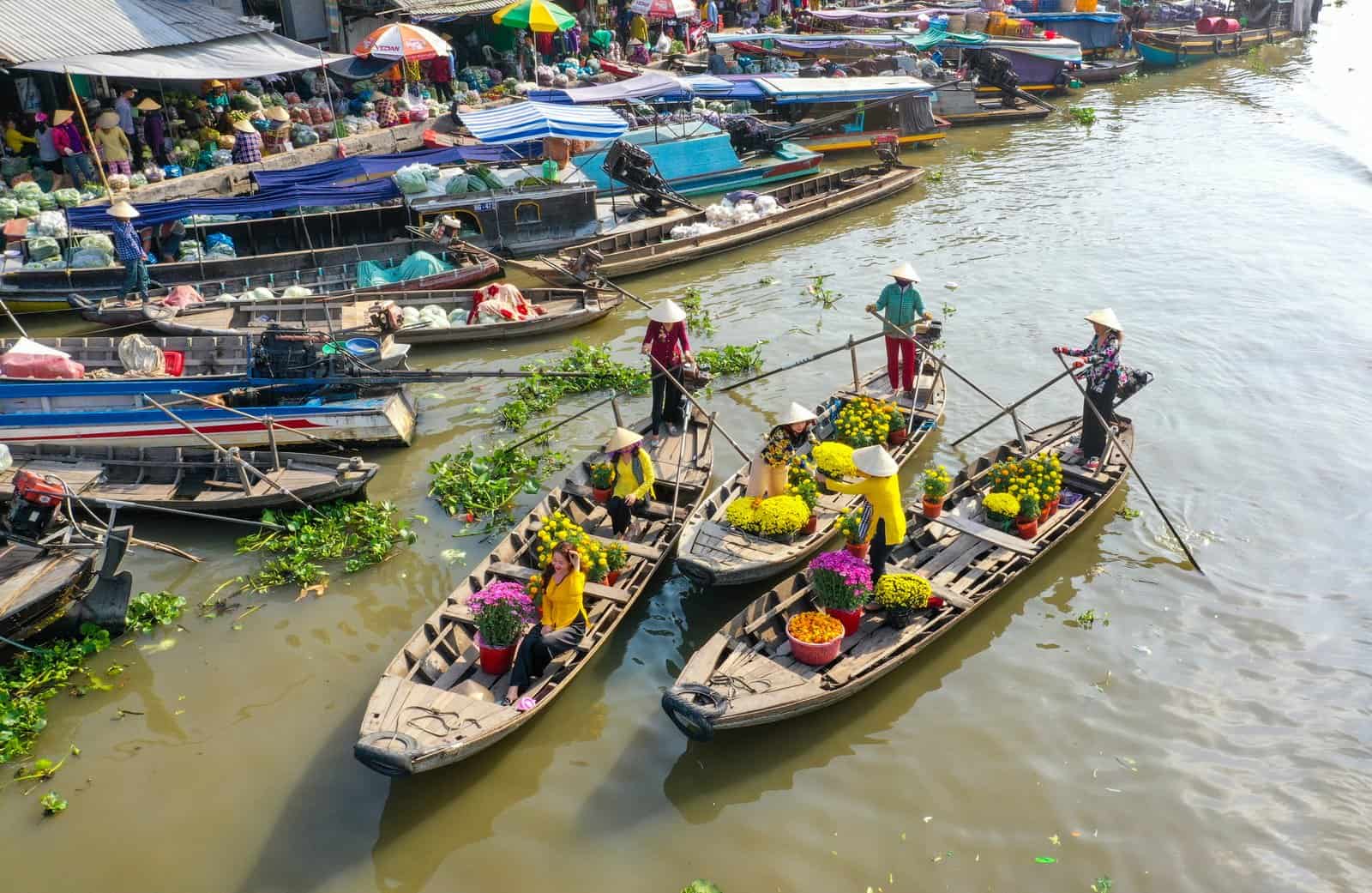
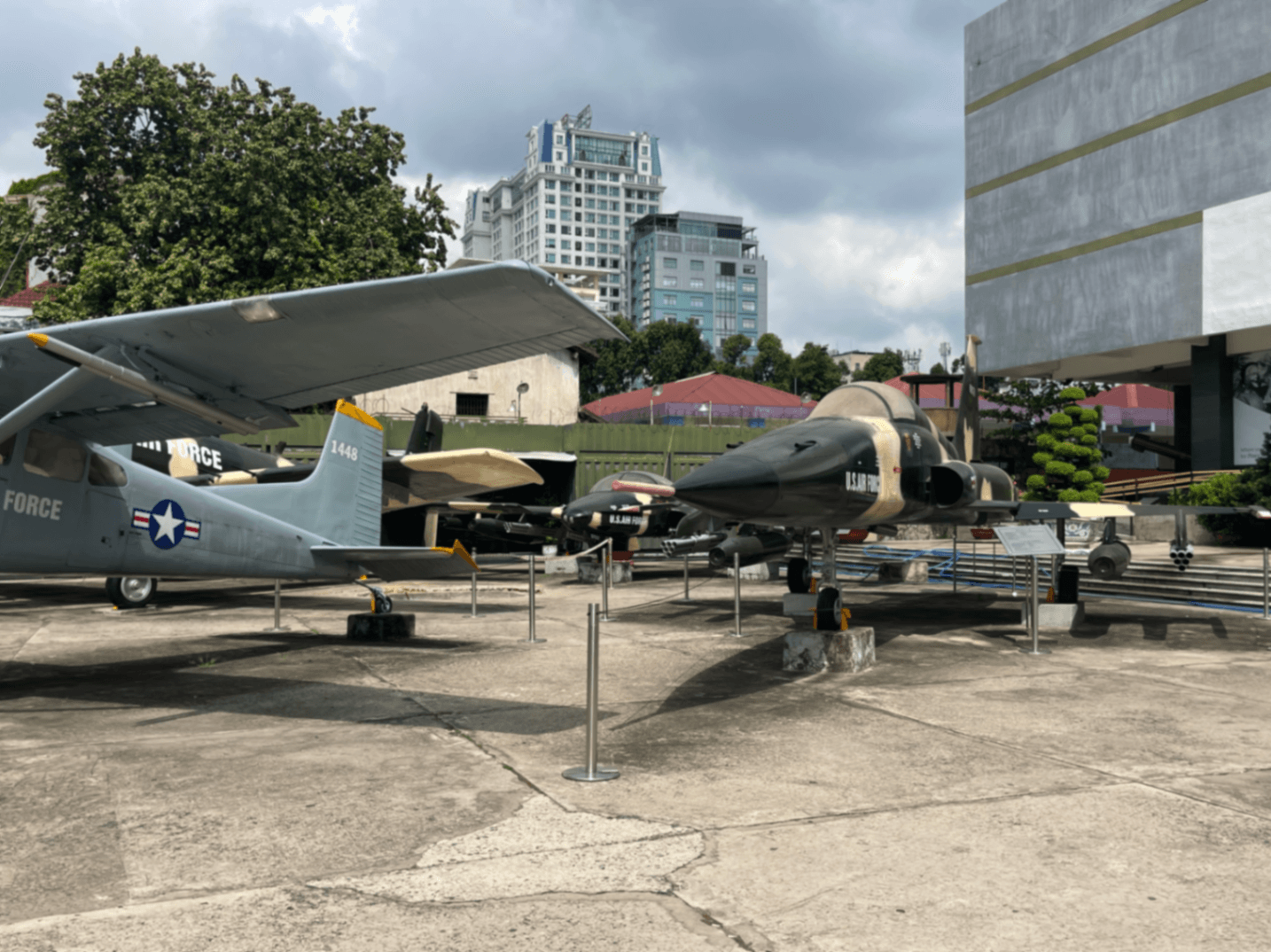
Things to see near Ben Thanh Market



Places to eat or drink near Ben Thanh Market
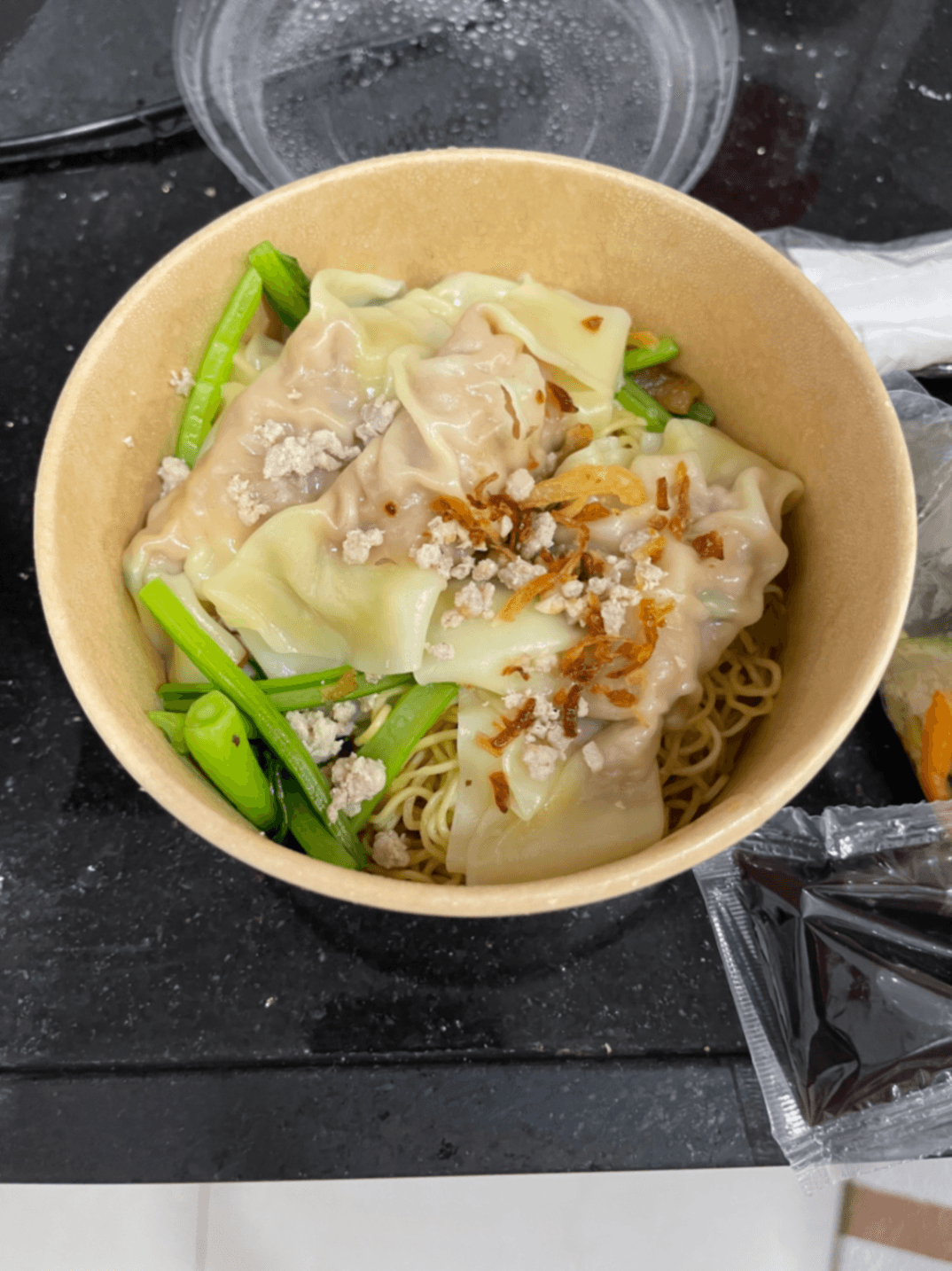
Thiên Ý - Sủi Cảo Hà Tôn Quyền - Song Hành

Ốc Đào

Elisa Floating Restaurant

Vỹ Dạ Quán
More places in Ho Chi Minh City

Maison Marou Flagship Saigon

Phở Hòa Pasteur

Papadums Indian Cuisine- Box Oi
