
Jade Emperor Pagoda
73 Mai Thị Lựu, Tân Định, Hồ Chí Minh 700000, VietnamOverview
Jade Emperor Pagoda sits on Mai Thị Lựu Street in the Tân Định district of Ho Chi Minh City, a working Buddhist and Taoist temple that draws both pilgrims and curious visitors year-round. Built in the late 19th century, it remains one of the city's most atmospheric spiritual sites, filled with intricate wood carvings, brass incense burners, and the lingering scent of joss sticks. Unlike some tourist-focused temples, this one functions primarily as a place of worship, which means you'll encounter actual devotional practice happening around you.
The pagoda belongs to the Taoist tradition, which sets it apart from the many Buddhist temples throughout Ho Chi Minh City. This distinction shapes everything from the deity statues to the rituals you might witness. Worshippers come here to pay respect to the Jade Emperor, a central figure in Chinese and Vietnamese folk religion, as well as other celestial beings represented throughout the complex.
Why this place matters
The Jade Emperor Pagoda represents a living link to Vietnam's spiritual heritage and Chinese cultural influence. It survived the upheaval of the 20th century when many religious sites faced closure or conversion. Today it operates openly, offering insight into how Taoism and ancestor veneration continue to shape daily life for many Vietnamese people.
For visitors, the pagoda provides an unfiltered glimpse into devotional practice. You won't find sanitized displays or English placards explaining every statue. Instead, you move through genuinely active worship spaces where locals light incense for deceased family members, consult fortune sticks, and make offerings to the gods.
Quick facts
- Location: 73 Mai Thị Lựu Street, Tân Định Ward, Ho Chi Minh City
- Built: Late 19th century (approximately 1900)
- Religious tradition: Taoist with Buddhist elements
- Primary deity: Jade Emperor
- Admission: Free entry
- Best visited: Early morning or late afternoon
- Nearest landmarks: Ben Thanh Market (about 1.5 kilometers away)
Getting there
The pagoda sits in a residential neighborhood roughly two kilometers south of the city center. If you're staying near Ben Thanh Market or in District 1, a taxi or ride-share takes about ten minutes. The address is straightforward enough that most drivers will recognize it, though having the Vietnamese name written down helps.
Street parking is limited in the immediate area. Some visitors park a short walk away on larger thoroughfares and approach on foot. The neighborhood itself is quiet and worth exploring, with local shops and small restaurants lining the surrounding streets.
The layout and experience
You enter through a modest gate and immediately sense you're in an active place of worship rather than a museum. The main courtyard is relatively compact, surrounded by covered walkways and multiple shrine rooms stacked vertically within the building.
The ground floor contains the most ornate spaces. Intricate wood panels line the walls, depicting scenes and figures from Taoist mythology. The air grows thick with incense smoke as you move deeper inside. An enormous brass incense burner sits in the central courtyard, where devotees leave their lit sticks as offerings.
The upper floors are accessible via narrow staircases. Each level contains different shrines dedicated to various deities and celestial beings. The topmost chamber houses the main altar to the Jade Emperor himself, surrounded by smaller statues and ritual objects. The ceilings are low and the corridors cramped, creating an almost maze-like atmosphere that adds to the sense of entering another world.
Throughout the complex, you'll see spirit houses, ancestor tablets, and offerings of fruit, flowers, and incense. Worshippers move between spaces quietly, performing prostrations or lighting incense at different altars. If you arrive during peak visiting hours, you'll share the space with dozens of locals engaged in their own prayers.
Main highlights
The wood carving is exceptional. Nearly every wall surface features detailed relief work depicting mythological scenes, celestial beings, and Chinese characters in ornate calligraphy. The craftsmanship suggests artisans spent months on individual panels. Much of this work dates to the pagoda's construction period and remains largely original.
The main altar room on the top floor justifies the climb. Surrounded by elaborate shrine decorations and dominated by the Jade Emperor statue, this space conveys genuine reverence. Sunlight filters through small windows, illuminating the incense smoke in dramatic shafts.
The courtyards offer moments of stillness. Potted plants and trees create small pockets of greenery within the urban setting. You might find yourself alone in a corner shrine watching light move across gilded surfaces, with only the sound of incense crackling and the occasional chiming of bells from elsewhere in the building.
History and background
Jade Emperor Pagoda was constructed around 1900, during the French colonial period in Vietnam. The timing is significant. Even under colonial rule, the Vietnamese community maintained this temple as a center for traditional worship and cultural practice. The architectural style blends Taoist temple conventions with Vietnamese local adaptations, creating something distinctly Vietnamese rather than a direct import from China.
Taoism in Vietnam exists alongside Buddhism and ancestor veneration rather than replacing them. The Jade Emperor, in Taoist cosmology, oversees the celestial bureaucracy and judges the deeds of both the living and the dead. For many Vietnamese, worship at this pagoda connects them to centuries-old traditions of respecting cosmic order and maintaining harmony between the earthly and celestial realms.
The pagoda weathered significant political changes in the 20th century. Religious practice faced restrictions during certain periods, yet the temple persisted. Today it operates as an important cultural landmark and active place of worship, serving both the older generation who grew up with these traditions and younger Vietnamese reconnecting with their heritage.
Tickets and entry
Entry is completely free. There's no ticketing system or donation box at the entrance. Some visitors choose to buy incense from vendors outside or leave small donations in offering boxes, but this is entirely voluntary.
The temple is open during daylight hours most days. Hours can shift slightly during certain festivals or holidays, so arriving before late afternoon gives you the safest window. The pagoda closes by early evening.
Best time to visit
Early morning, roughly between 6 and 8 AM, offers the most authentic experience. Worshippers arrive at dawn to pay respects, and the air fills with fresh incense smoke. Light streams through narrow windows, creating dramatic effects on the carved wooden surfaces. Fewer tourists are present at this hour, so you move through spaces at your own pace without feeling rushed.
Late afternoon, around 4 to 5 PM, brings a second wave of visitors and another period of heightened activity. Sunlight angles differently at this time, revealing details in the wood carving that aren't visible at midday.
Midday tends to be quieter and hotter. The incense smoke can become dense in the enclosed upper chambers. If you visit around noon, expect fewer worshippers and less vibrant activity, though the space remains peaceful.
Lunar New Year celebrations transform the pagoda. Worshippers arrive in large numbers to make offerings for the new year, and temporary decorations brighten the courtyards. If you're in Ho Chi Minh City during this period, the Jade Emperor Pagoda captures the spiritual energy of the season more vividly than many other sites.
Photography tips
The wood carving demands close-up shots. Bring a camera capable of handling low light, since the interior spaces rely on natural illumination and incense smoke diffuses harsh shadows. A wide-angle lens helps capture the intricate ceiling work and vertical space of the shrine rooms.
Early morning light through the small windows creates exceptional opportunities. The incense smoke becomes visible and atmospheric rather than simply obscuring details. Arrive just after sunrise to capture this effect.
Ask permission before photographing people engaged in worship. Most devotees are respectful of photography, but approaching with courtesy first is important. Never photograph altars or ritual objects disrespectfully.
The entrance courtyard, with its large incense burner and surrounding carved panels, provides a strong establishing shot. The contrast between the ornate temple and the quiet residential neighborhood beyond the gates frames the location well.
Facilities and preparation
There are no restrooms, gift shops, or refreshment facilities inside the pagoda itself. Prepare accordingly if you plan to spend more than a quick half-hour here. Water and snacks are available from vendors on the street outside, though options are limited.
Dress modestly. Shoulder and knee coverage shows respect in a working temple. Remove your shoes when entering certain inner shrine rooms, though the main courtyards allow footwear. Watch for uneven floors and low doorways, especially on upper levels.
The staircases are steep and narrow, with some steps being uneven. If you have mobility concerns or are uncomfortable with confined spaces, you may find the upper levels challenging to navigate.
Combining with nearby attractions
Ben Thanh Market lies about fifteen minutes away by foot or taxi. The market offers a complete contrast to the temple's spiritual atmosphere, filled with commercial energy and food stalls. Combining both provides insight into different dimensions of Ho Chi Minh City life.
The Tân Định neighborhood itself rewards exploration. Small shops, local restaurants, and residential streets create a sense of everyday city life away from the main tourist zones. You might discover family-run cafes or noodle shops where tourists rarely appear.
Mariamman Temple, dedicated to the Hindu goddess Mariamman, sits a few kilometers away and offers another perspective on Ho Chi Minh City's religious diversity. Visiting both temples in a single day illustrates how multiple faith traditions coexist in the city.
Sample visit plan
Arrive between 6:30 and 7:30 AM if you want the most authentic experience with morning worshippers. Spend thirty to forty-five minutes moving through the ground floor and courtyard, observing the wood carving and incense offerings. Climb to the upper levels and spend another twenty minutes in the main shrine room for the Jade Emperor.
Take your time in the quieter corners. Sit in a courtyard corner for five or ten minutes simply absorbing the atmosphere. The pagoda rewards slow observation more than rushing through.
Exit by 8:30 or 9 AM, then head to a nearby cafe for breakfast. Return to the neighborhood in late afternoon if you want to photograph the same spaces in different light, or move on to other districts of the city.
Practical tips
- Bring cash if you want to buy incense or make donations. Some vendors may accept mobile payment, but cash is most reliable.
- The pagoda can be very crowded during Lunar New Year and other major festivals. Plan accordingly or visit on a quieter day if you prefer fewer crowds.
- Take a photo of the address in Vietnamese if your driver doesn't recognize it. This helps if you need to return or redirect a taxi.
- Visit early in your Ho Chi Minh City trip before temple fatigue sets in. This pagoda rewards full attention and contemplation.
- The incense smoke is intense. If you have respiratory sensitivity, limit your time in the upper enclosed chambers.
- Many locals speak limited English. Smiling and observing quietly shows respect better than asking questions. Worshippers appreciate visitors who respect the sacred nature of the space.
FAQ
Is photography allowed inside? Yes, photography is generally permitted in most areas. Be respectful around active worshippers and avoid photographing people at altars without asking permission first.
Do I need to remove my shoes? Shoes stay on in the main courtyards and lower levels. Some inner shrine rooms expect shoes off. Look at what others are doing and follow their example.
How long should I spend here? A meaningful visit takes forty-five minutes to an hour. Rushing through in fifteen minutes means missing the details and atmosphere that make the place worthwhile.
Can I go during evening hours? The pagoda closes by early evening, typically around 5 or 6 PM. Arrive by mid-afternoon at the latest if you want to explore the upper levels before closing.
What's the difference between this and other temples in Ho Chi Minh City? Jade Emperor Pagoda is Taoist rather than purely Buddhist, and remains primarily a working place of worship rather than a tourist site. This creates a rawer, more authentic experience than more heavily visited temples.
Opening hours
Reviews
Sign in and mark this place visited to leave a review.
No reviews yet.
Free Trip Planner
Plan your Ho Chi Minh City trip with our free planner
Build a day-by-day itinerary with AI suggestions, hand-picked places, and friends. Free forever — no credit card.
Related reading
Things to see near Jade Emperor Pagoda



Places to eat or drink near Jade Emperor Pagoda
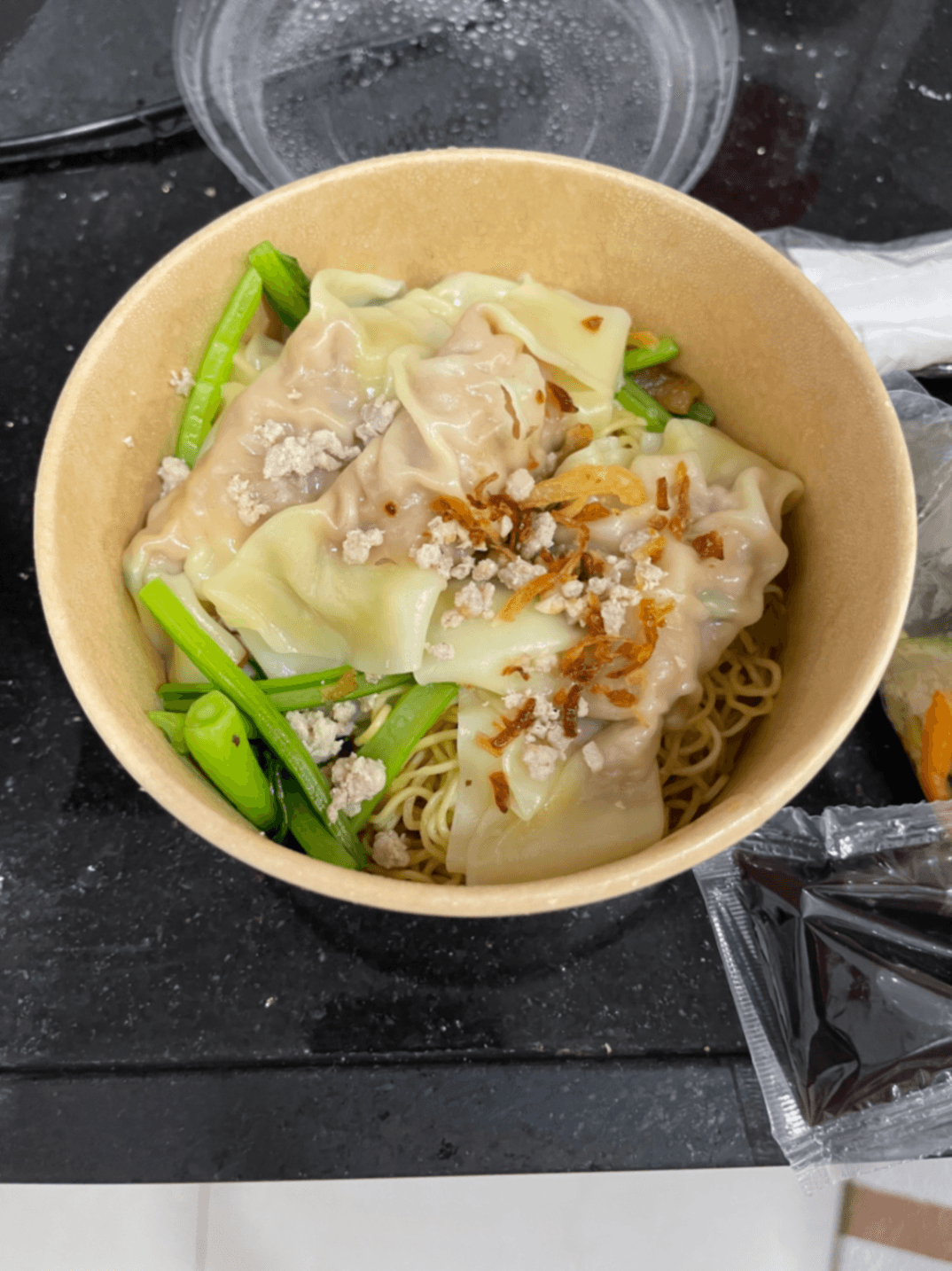
Thiên Ý - Sủi Cảo Hà Tôn Quyền - Song Hành

Ốc Đào
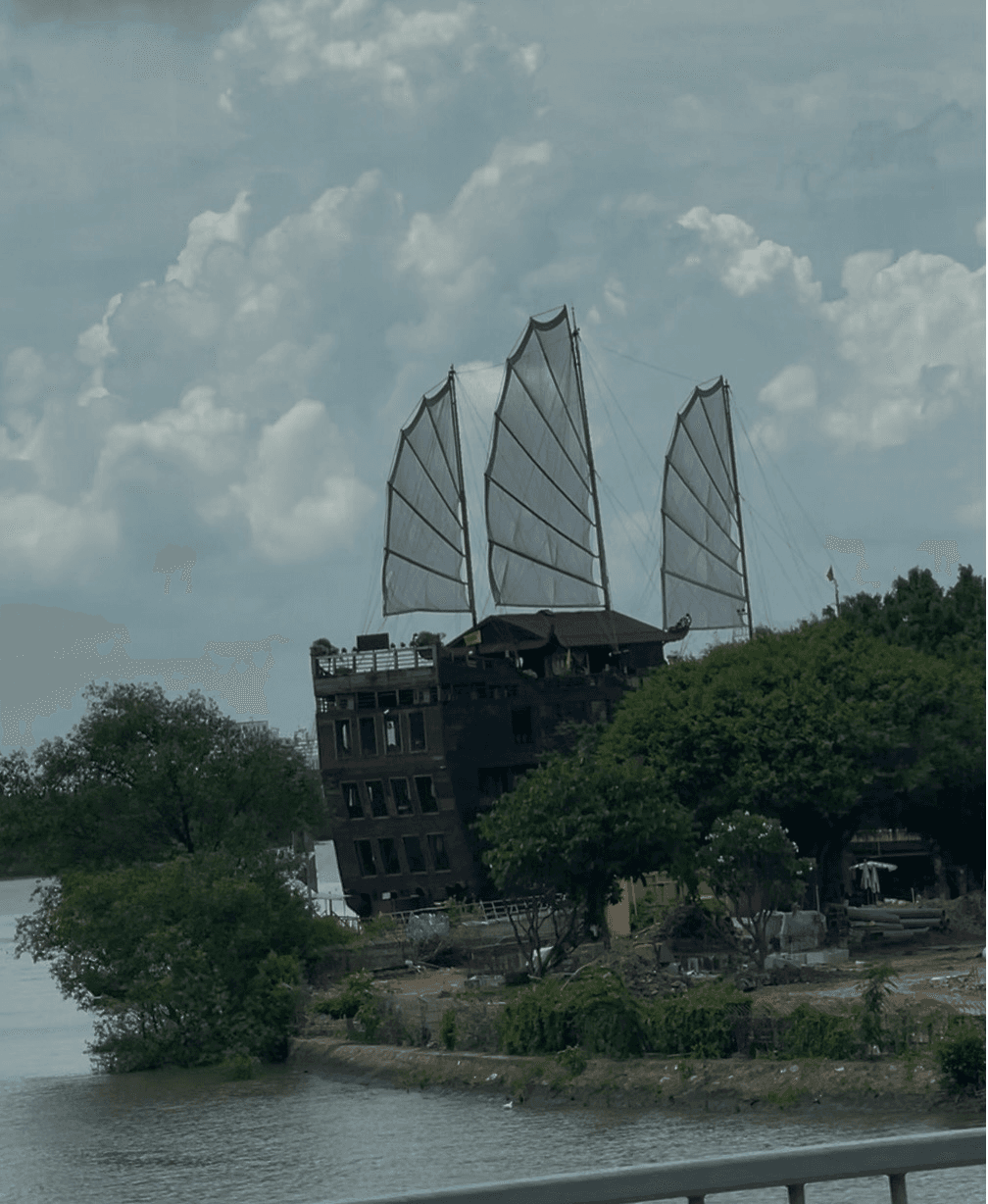
Elisa Floating Restaurant

Vỹ Dạ Quán
More places in Ho Chi Minh City

Maison Marou Flagship Saigon

Phở Hòa Pasteur

Papadums Indian Cuisine- Box Oi
