
Notre Dame Cathedral of Saigon
01 Công trường Công xã Paris, Quận 1, Hồ Chí Minh 70000, Vietnam Posted by bazartravelsTraveler
Overview
Notre Dame Cathedral of Saigon stands in central District 1, a striking reminder of French colonial architecture and Vietnam's complex history. Built in the 1880s, this red-brick Gothic structure rises above Paris Square, framed by the surrounding colonial-era buildings and modern Saigon. The cathedral remains one of the city's most photographed landmarks and a functioning Catholic church, drawing visitors, worshippers, and architecture enthusiasts daily.
What makes this cathedral distinct is not just its European design but its presence in Ho Chi Minh City. The contrast between the ornate 19th-century stonework and the bustling Vietnamese streetscape around it creates an unusual visual experience. You'll find the building largely unchanged in its essential character since its completion, though the city's energy has transformed entirely.
Why this place matters
Notre Dame Cathedral of Saigon embodies the colonial period when France shaped much of Vietnam's urban landscape. The cathedral was constructed between 1877 and 1883, during the height of French Indochina. Its existence speaks to the religious and political history of the region, a legacy that many Vietnamese acknowledge as complicated rather than celebratory.
Today it functions as a working parish church serving Saigon's Catholic community. Mass is held regularly, and the building remains consecrated ground. For visitors, it offers a chance to experience Vietnamese Catholicism in a setting that few other Southeast Asian cities can match. The cathedral also marks a central point in District 1's colonial architecture trail, sitting near other French-era structures like the Central Post Office and the Saigon Opera House.
Quick facts
- Completed in 1883, built over six years starting in 1877
- Located at 01 Paris Square, District 1, Ho Chi Minh City
- Built from red brick with stone detailing, in French Gothic Revival style
- Two bell towers reach approximately 40 meters high
- Free entry for visitors outside of Mass times
- Most days open to visitors from morning until early evening
- Walking distance to the Central Post Office and Ben Thanh Market
Getting there
The cathedral sits on Paris Square in the heart of District 1, making it accessible by multiple methods. If you're using a taxi or ride-hailing app, give the driver the address on Công trường Công xã Paris. The journey from Ben Thanh Market takes about 10 minutes on foot heading northeast. From Reunification Palace, it's roughly a 15-minute walk east.
Public buses serve this area, though the route numbers shift periodically. Your hotel concierge can direct you to the nearest bus stop. If you're exploring on foot, the cathedral is hard to miss once you're in the central district. The red brick structure and twin towers are visible from several blocks away. Parking a motorbike is straightforward in the surrounding streets, and metered car parking exists nearby, though street parking fills quickly during business hours.
The layout and experience
The cathedral's exterior dominates the square. Two identical bell towers flank a central nave, with rose windows and pointed arches characteristic of Gothic design. The red brick construction, unusual for the region, was chosen partly for durability in the tropical climate. Weathering has softened the edges slightly, giving the building a lived-in quality rather than a pristine appearance.
Inside, the space feels notably cooler and quieter than the street outside. High ceilings and stained glass windows filter the afternoon light into colored patterns across the wooden pews. The altar area features ornate detailing, and the acoustics carry the weight of the space. If you visit during Mass, expect the cathedral to be full of worshippers, mostly Vietnamese Catholics and some expats. Visitors attending Mass should dress modestly and remain respectful during the service.
When visiting outside Mass times, you can walk through the nave at your own pace. The experience is contemplative rather than bustling. Some visitors spend 15 minutes photographing and observing. Others linger longer, sitting in the pews. The building imposes a quiet formality that discourages loud conversation naturally.
Main highlights
The stained glass windows deserve close attention. Light conditions change throughout the day, and the glass reveals different details depending on when you visit. Morning light from the east produces a different effect than afternoon light from the west. The windows depict religious scenes and feature intricate leading work typical of 19th-century European craftsmanship.
The bell towers are visually striking from outside but inaccessible to visitors. Photographing them from Paris Square at different times of day yields varied compositions. The tower bells still ring, particularly for service times, and you may hear them if you're in the area during these periods.
The altar and sanctuary area showcase the cathedral's most ornate decoration. The marble, carved wood, and gilded details reflect the resources invested in the building during the colonial period. The stations of the cross, arranged around the interior walls, offer a narrative focus for those familiar with Catholic tradition.
History and background
French colonial administrators commissioned the cathedral as a symbol of Catholic France's presence in Indochina. The site was chosen to anchor the colonial center of Saigon, and construction began in 1877. The architects drew on European Gothic Revival style, which was experiencing a revival across Europe and European colonial territories at the time.
During the French colonial period, the cathedral served as the primary Catholic place of worship in Saigon and a gathering point for the French expatriate community. Vietnamese Catholics also worshipped here, though the colonial context shaped their experience. After 1954, following French withdrawal from Indochina, the cathedral remained open but faced uncertain times. During the Vietnam War and afterward, the building's status shifted multiple times.
In 1962, the cathedral was elevated to basilica status by the Vatican. After 1975, the communist government restricted religious activities, but the building was never destroyed or repurposed. It remained standing as a physical artifact of the colonial period. In recent decades, as Vietnam's government has relaxed certain restrictions on religious practice, the cathedral has resumed more active use as a parish church. Today it serves both as a functioning religious site and as a historical landmark that Vietnamese and international visitors recognize as architecturally significant.
Tickets and entry
Entry to the cathedral is free. There is no ticketing system, no guided tour requirement, and no donation box at the entrance. You simply walk in during visiting hours. This openness reflects its status as a working church rather than a museum.
If you wish to attend Mass, you're welcome to do so. Mass schedules vary by season and day of the week. Ask at your hotel or check with the parish office for current times. If you attend a service, arrive early as seating fills quickly. Dress code is modest and respectful. Shorts above the knee and sleeveless tops should be avoided.
Best time to visit
Early morning, before 8 AM, offers the quietest experience. Fewer tourists are present, and you'll have more space to photograph and observe. The light is also soft and even at this hour. Midday brings heat and occasional tour groups. Late afternoon, after 4 PM, brings another quieter window before evening Mass preparations begin.
Avoid visiting during Mass times unless you intend to participate. The cathedral becomes crowded, and the service takes precedence over sightseeing. Mass times are typically in early morning and early evening on weekdays, with extended hours on Sundays.
Seasonally, the cooler months from November to February offer more comfortable conditions for walking around the exterior and the surrounding square. The rainy season from May to September brings afternoon downpours but also dramatic skies for photography. Year-round, the cathedral functions without seasonal closures.
Photography tips
The twin towers photograph best from Paris Square itself, positioned so both are visible and symmetrical. Shoot from ground level in the early morning for dramatic angles that emphasize height. The facades catch different light throughout the day, so return if you're serious about capturing varied shots.
Inside, natural light from the windows is your best resource. Avoid using flash, which is disruptive to worshippers and often prohibited. The stained glass windows photograph well in midday light when the sun is bright enough to illuminate the colors. Bring a tripod if you want sharp interior shots without flash, as the available light is limited.
The rose window above the main entrance is particularly photogenic in late afternoon when backlit. The surrounding colonial buildings frame the cathedral nicely if you step back on the square. Capture the contrast between the red brick and the modern city behind it by shooting from the eastern side of the square.
Facilities and preparation
The cathedral has restrooms available for visitors. There is no food or beverage service inside the building. Water fountains are not provided, so bring your own water if visiting during warm hours. The building has no air conditioning, so expect it to be warmer inside than outside, though still cooler than the street.
The interior can be dimly lit in some areas, particularly the side aisles. Your eyes adjust after a few minutes. If you're sensitive to low light and want to photograph, give yourself time to acclimate. Wear comfortable shoes for standing and walking on the tile floor, which can be slippery if wet.
The square outside has some benches and trees providing shade. This is a good place to rest and absorb the atmosphere. Nearby cafes on the surrounding streets offer refreshment. The Central Post Office is adjacent, offering another architectural site to visit in the same trip.
How it compares to similar places
Vietnam has other colonial-era churches, but few match Notre Dame Cathedral of Saigon in architectural ambition or size. The Tan Dinh Church, also in Ho Chi Minh City, is another major Catholic site but was built later and has a different architectural character. The Hanoi Cathedral in Hanoi offers a similar Gothic Revival aesthetic and colonial history but is smaller and located in a different city context.
Among Asian cathedrals, Notre Dame Cathedral of Saigon stands out for its red brick construction and European design transplanted into a Southeast Asian urban setting. The contrast is more pronounced here than in some other colonial cities because of Ho Chi Minh City's rapid modernization. The cathedral hasn't been extensively renovated to look pristine, which gives it authenticity but also marks it as a period piece rather than a restored monument.
Combining with nearby attractions
The Central Post Office is steps away on the same square. This 1886 colonial building houses the postal service and a souvenir shop, and visitors can enter to admire the interior architecture. The experience takes 20 to 30 minutes. Together with the cathedral, you'll have covered two major colonial landmarks in a single location.
Ben Thanh Market is a 10-minute walk northeast. This covered market is chaotic, sensory-rich, and distinctly Vietnamese, offering a striking contrast to the colonial stillness of the cathedral. Combining the two gives you a rounded experience of Saigon's character.
The Saigon Opera House is a 10-minute walk west. Like the cathedral and post office, it's a French colonial structure, and together these three buildings form a colonial architecture circuit in District 1. None requires more than 45 minutes inside, so visiting all three is feasible in a morning or afternoon.
Reunification Palace is a 15-minute walk south. This is Vietnam's primary historical and political monument, offering a very different but equally important perspective on modern Vietnamese history. Combining the cathedral and palace in a single outing gives you colonial and post-colonial Vietnam in one trip.
Sample visit plan
Start your morning at 7 AM at the cathedral. Arrive before the main crowds. Spend 30 to 40 minutes inside, observing the stained glass and sitting quietly. Photograph the exterior from various angles on the square. This takes another 20 minutes. By 8:15 AM, you're done with the cathedral itself.
Walk to the Central Post Office, which opens early. Spend 20 to 30 minutes admiring the interior and perhaps buying a postcard. By 9 AM, head to Ben Thanh Market for breakfast or snacks. Spend an hour exploring the market's energy and sampling local foods. By 10 AM, you've covered three major attractions in the central district.
If you have more time, walk to the Saigon Opera House in the late morning. The exterior is beautiful, and you can photograph it. Interior tours may be available depending on performance schedules. By noon, you've experienced most of District 1's colonial architecture in a concentrated morning walk.
Practical tips
- Bring a light scarf or shawl if you plan to attend Mass, as shoulders should be covered
- Visit early morning or late afternoon to avoid crowds and midday heat
- The cathedral is busiest on Sundays due to weekly Mass attendance
- Dress modestly as a sign of respect, regardless of whether you're attending a service
- Bring your own water and plan to rest on the square or nearby cafes
- Ask your hotel for current Mass times before visiting if you want to attend a service
- The surrounding streets are safe and heavily trafficked; normal urban awareness applies
- Photography is permitted inside, but flash is not. Be respectful of worshippers
FAQ
Can I attend Mass at Notre Dame Cathedral of Saigon? Yes, Mass is held regularly. Check with your hotel or the parish office for current times. You're welcome to attend as a visitor. Dress modestly and arrive early for seating.
Is there an entrance fee? No. Entry is free. There is no ticketing system or donation requirement, though the collection basket circulates during Mass if you choose to contribute.
How long does a typical visit take? 30 to 45 minutes covers the interior and basic exterior viewing. If you're a serious photographer or want to sit quietly for longer, plan an hour. The cathedral itself doesn't require a lengthy stay unless you make it one.
Is the cathedral air-conditioned? No. It's cooler inside than outside due to thick walls and high ceilings, but there is no mechanical cooling. Visit in early morning or late afternoon if heat is a concern.
Can I climb the bell towers? No. The towers are not open to visitors. You can photograph them from the square.
Reviews
Sign in and mark this place visited to leave a review.
No reviews yet.
Free Trip Planner
Plan your Ho Chi Minh City trip with our free planner
Build a day-by-day itinerary with AI suggestions, hand-picked places, and friends. Free forever — no credit card.
Related reading
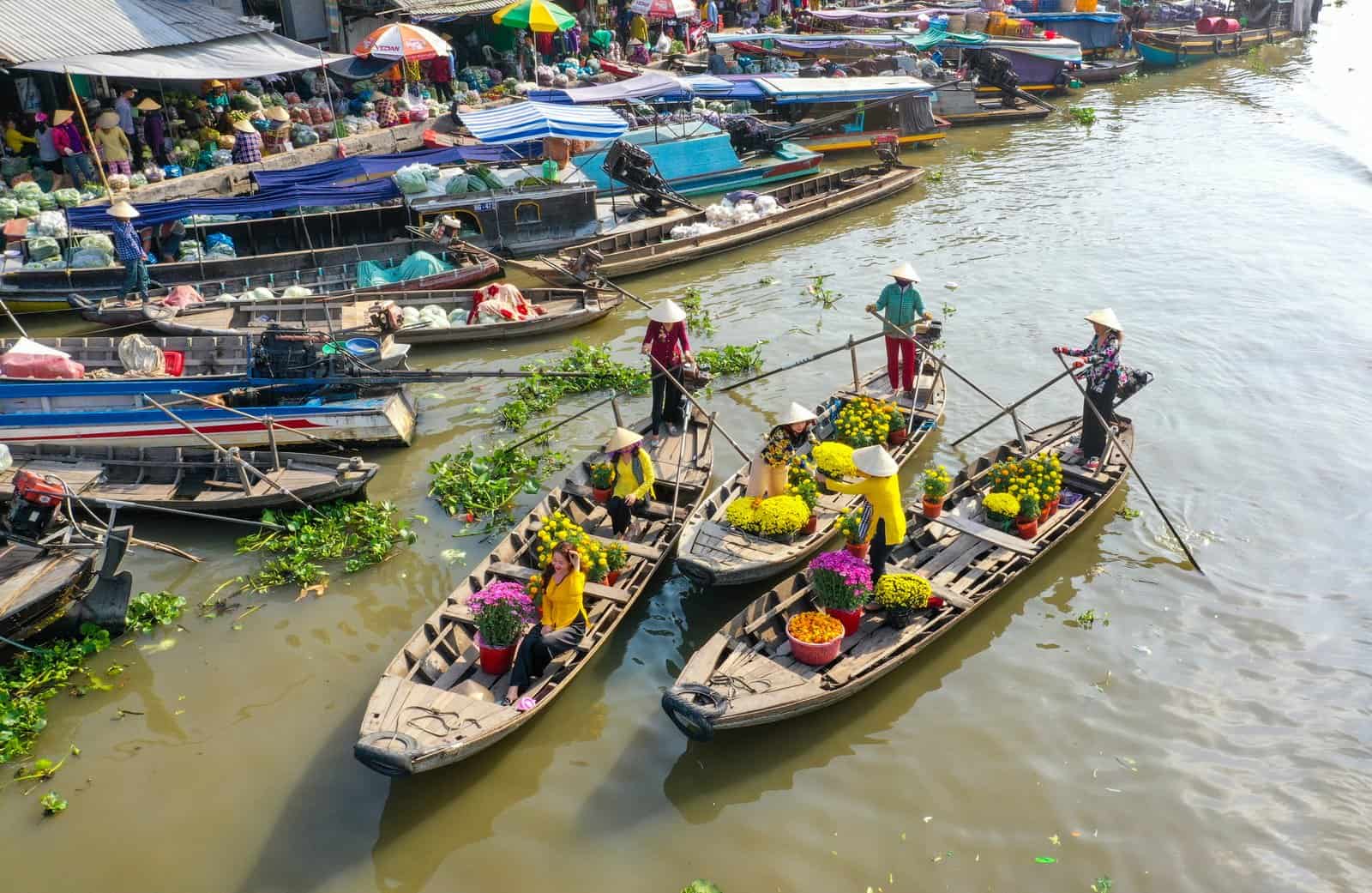
Things to see near Notre Dame Cathedral of Saigon


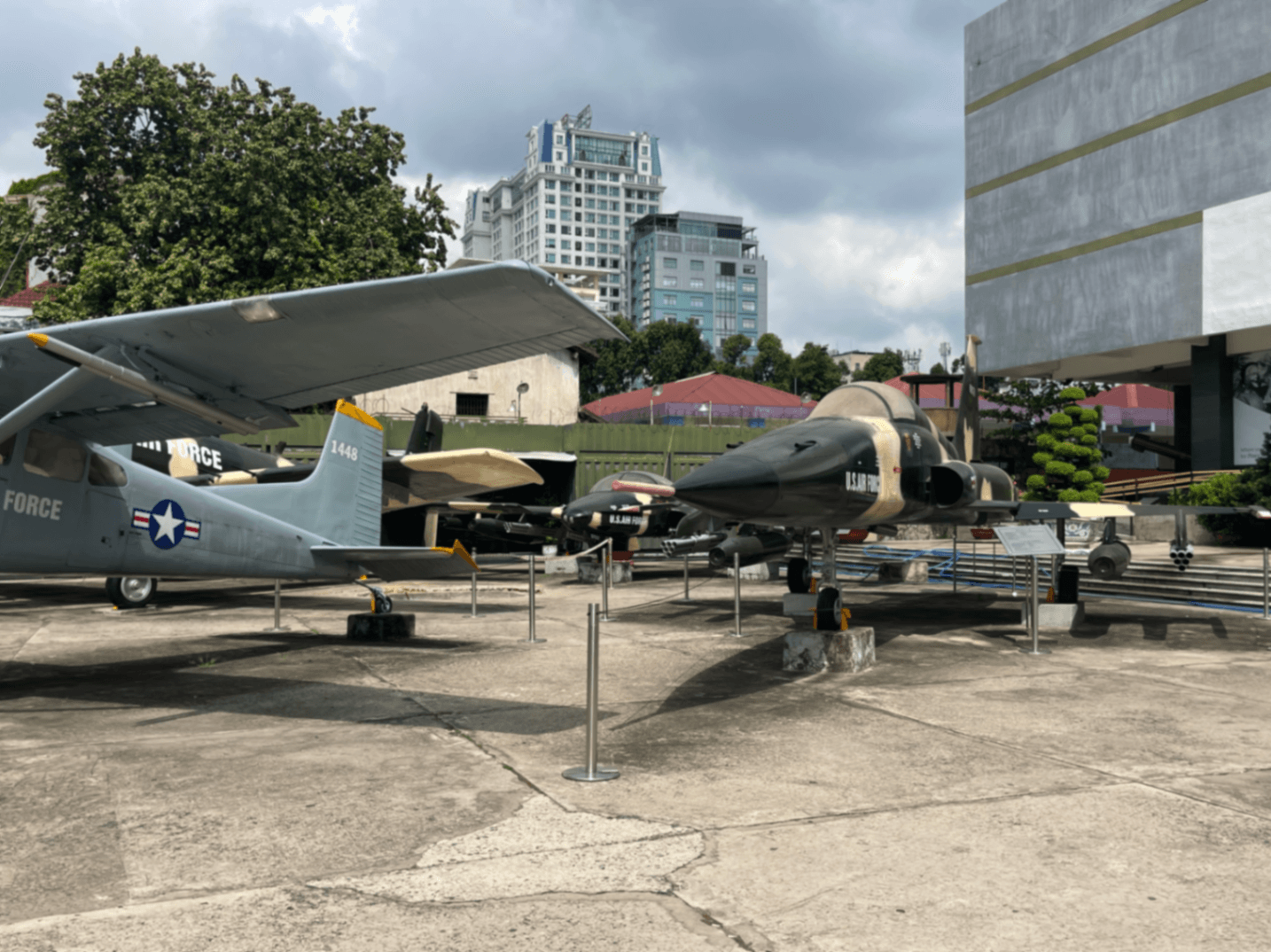

Places to eat or drink near Notre Dame Cathedral of Saigon
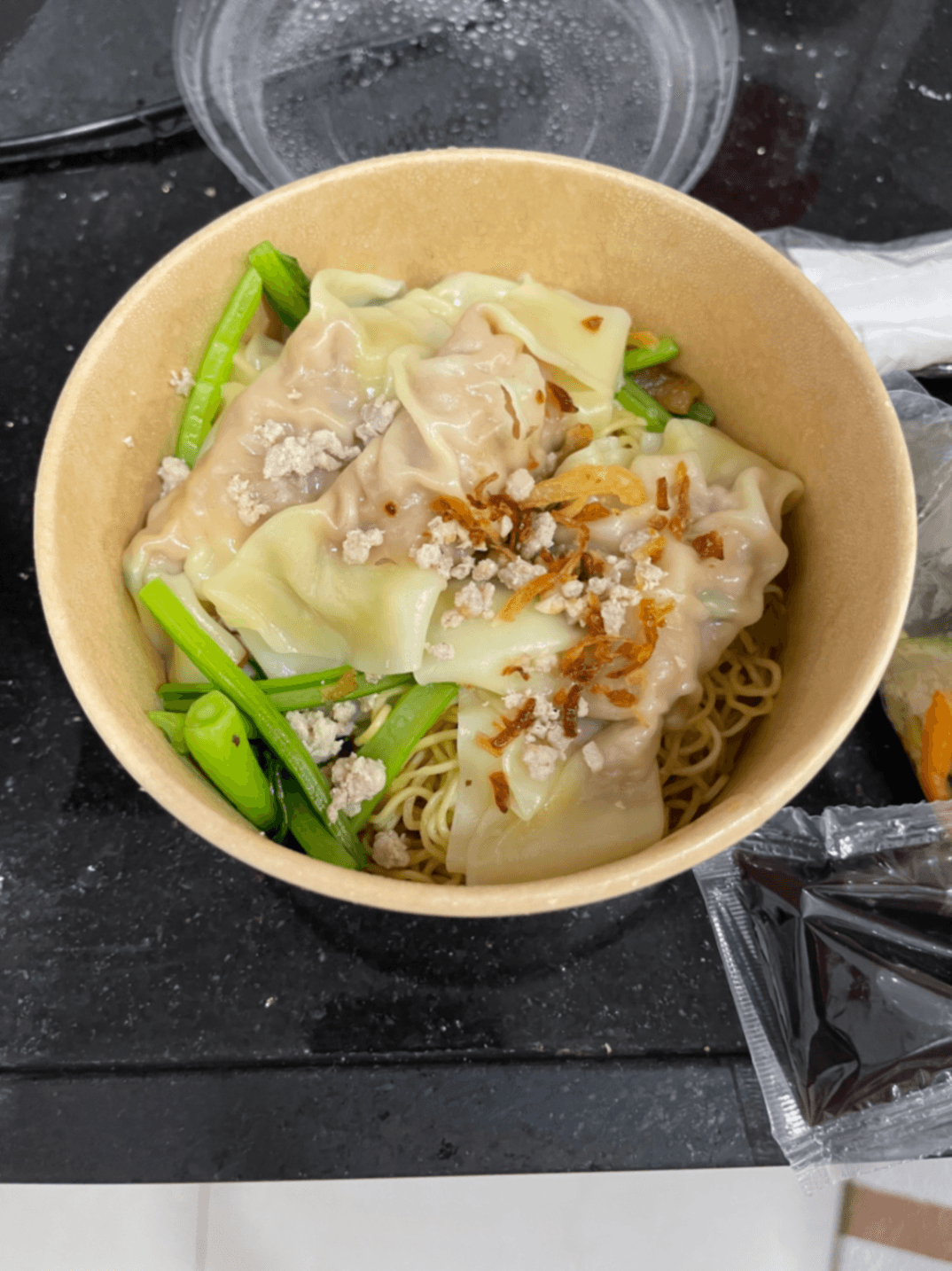
Thiên Ý - Sủi Cảo Hà Tôn Quyền - Song Hành

Ốc Đào
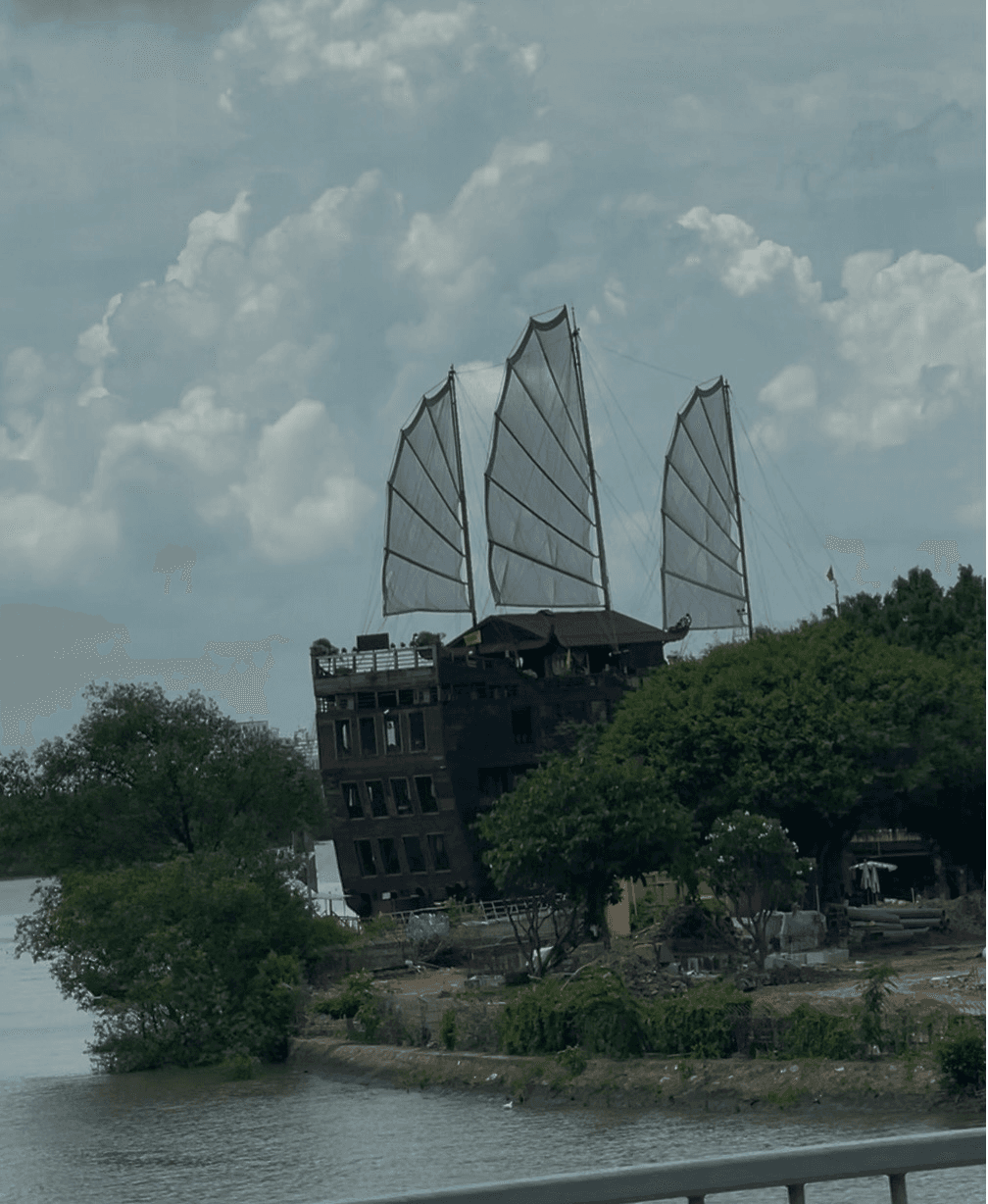
Elisa Floating Restaurant

Vỹ Dạ Quán
More places in Ho Chi Minh City

Maison Marou Flagship Saigon

Phở Hòa Pasteur

Papadums Indian Cuisine- Box Oi
