
Independence Palace
Ben Thanh, Ho Chi Minh, Vietnam Posted by bazartravelsTraveler
Overview
Independence Palace stands at the center of Ho Chi Minh City's political and historical identity. Built as a symbol of South Vietnamese sovereignty, it now serves as a museum that documents the nation's complex 20th-century past. The building itself is a striking example of 1960s modernist architecture, with its distinctive yellow facade and geometric design visible from blocks away.
Located in the Ben Thanh ward of District 1, Independence Palace occupies a full city block. The palace was the official residence and workplace of South Vietnam's president until 1975, when it became the headquarters of Vietnam's unified government. Today, visitors walk through the same corridors and rooms where pivotal decisions were made during one of Southeast Asia's most turbulent periods.
Why this place matters
Independence Palace is essential context for understanding modern Vietnam. The building witnessed the final days of the Vietnam War, and its architecture embodies a particular moment in the nation's history. Walking through its rooms provides insight into how power was exercised, how daily life unfolded in the highest circles, and what the South Vietnamese state considered important enough to preserve in stone and brass.
The palace is not a sanitized monument. It presents a Vietnamese perspective on reunification and offers genuine historical artifacts rather than reconstructed displays. For travelers interested in 20th-century Asian history, Cold War geopolitics, or architectural heritage, it delivers substance.
Quick facts
- Built in 1966, completed in 1975
- Located on Nam Ky Khoi Nghia Street in Ben Thanh ward
- General admission ticket required to enter
- Guided tours available in multiple languages
- Photography permitted in most areas
- Allow 90 minutes to 2 hours for a full visit
- Situated about 1.5 kilometers from Ben Thanh Market
Getting there
The palace sits on Nam Ky Khoi Nghia Street, a major thoroughfare in central District 1. If you're staying in the backpacker district around Pham Ngu Lao, it's about a 15-minute walk south. From Ben Thanh Market, head west along Ly Tu Trong Street for roughly 10 minutes on foot.
Taxis and ride-hailing apps (Grab) will take you directly to the palace entrance. Traffic can be heavy during rush hours, so early morning visits tend to be smoother. Public buses serve the area, though navigating routes as a first-time visitor can be confusing. If you're already touring the War Remnants Museum or the Opera House, the palace is within reasonable walking distance of both.
The layout and experience
You enter through a security checkpoint at the main gate. Bags are screened, and you'll be asked to remove shoes in certain areas or wear provided slippers. This process moves quickly most days.
The palace is organized across multiple floors. The ground floor contains state reception rooms where official ceremonies and diplomatic functions took place. The walls are decorated with landscape paintings and the furnishings reflect mid-20th-century Vietnamese aesthetics mixed with international modernist design. The second floor includes the president's office, private quarters, and meeting rooms. The basement houses a war room with maps, communication equipment, and bunker-like passages that were used during the final siege of Saigon in April 1975.
Most rooms are preserved much as they were left. Beds remain unmade, desks still hold papers, and family photographs hang on walls. This frozen-in-time quality is the palace's greatest strength. You're not walking through a museum in the traditional sense but rather through a building that stopped being a living workplace decades ago.
Signage is in Vietnamese and English. Self-guided visits work well, though the layout can feel maze-like. If you take a guided tour, the guide will provide historical context and point out details you might otherwise miss. Tours tend to last between 60 and 90 minutes.
Main highlights
The Banquet Hall is one of the most visually striking spaces. Its enormous chandelier, polished wood floors, and formal table settings convey the scale of state ceremonies. The room feels frozen in anticipation of a dinner that never came.
The President's Office on the second floor contains the desk, telephone, and personal items of the last South Vietnamese president. Standing in this room, you're aware of the historical weight. The windows overlook the palace grounds, and maps on the walls document the military situation in the weeks before April 1975.
The basement war room and underground tunnels are compact and somewhat claustrophobic, which is intentional. The communication equipment, bunks, and narrow passages give a visceral sense of how isolated and desperate the final days must have felt for those sheltering inside.
The family quarters on the upper floor are surprisingly intimate. A child's room, a kitchen, and living spaces show that presidents were, in the most mundane sense, just people who lived and ate and slept in this building.
History and background
Independence Palace was designed by French-Vietnamese architect Ngo Viet Thu and constructed between 1966 and 1975. It replaced the French colonial Norodom Palace on the same site. The new building was meant to symbolize a modern, independent South Vietnam, distinct from its colonial past.
The palace served as the residence and workplace of South Vietnam's presidents during the final decade of the war. On April 30, 1975, North Vietnamese forces entered the building, marking the end of the conflict and the reunification of Vietnam under communist rule. The building was renamed the Reunification Palace by the new government.
For several years after 1975, the palace was closed to the public. It gradually reopened as a museum, with displays and signage reflecting the official Vietnamese historical narrative. The building has been carefully maintained and is rarely altered, which is why walking through it today feels like stepping into a preserved moment.
Tickets and entry
General admission tickets are inexpensive and available at the gate. Children, students, and seniors typically receive discounts. Timed entry is not required, though arriving before 11 a.m. means shorter queues.
Guided tours can be arranged at the entrance or booked in advance. English-language guides are available most days. Tours cost slightly more than general admission but provide context that enhances the experience significantly. If your Vietnamese is fluent, Vietnamese-language tours may offer additional nuance.
Photography is permitted throughout most of the palace. A few restricted areas (typically marked) prohibit photos. Tripods and professional equipment may require special permission.
Best time to visit
Early morning, between 7:30 a.m. and 9 a.m., offers the smallest crowds and the best light for photography. The palace doesn't feel overwhelming when you have space to move and absorb details.
Avoid midday between 11 a.m. and 2 p.m., when tour groups from hotels tend to converge. The palace remains open through late afternoon, and visits after 4 p.m. are generally quieter.
The palace is open every day except Mondays and Vietnamese public holidays. Humidity and heat are intense year-round in Ho Chi Minh City, so wear light, breathable clothing and bring water.
Photography tips
The yellow exterior is iconic. Photograph it from the street before entering to capture the building's full architectural presence. The morning light from the east side is flattest and most flattering.
Inside, the Banquet Hall's chandelier and the formal state reception rooms photograph well with natural light from windows. Avoid using flash in darker basement areas; instead, increase ISO and use a slower shutter speed if your camera allows.
The war room's maps and communication equipment are historically significant but can feel cramped to photograph. Get close to individual details rather than trying to capture the entire room.
The family quarters and personal items tell stories in photographs. A child's toy, a family portrait, or a simple desk can be more evocative than grand ceremonial spaces.
Facilities and preparation
The palace has restrooms on multiple floors. Water fountains are available, though it's wise to bring your own water bottle. There is no food service inside, so eat before or after your visit.
Shoe removal is required in some areas, so wear slip-on shoes for easier transitions. The palace can be cool due to air conditioning, so a light layer is useful despite the heat outside.
If you have mobility concerns, inform staff at the entrance. Some areas involve stairs, and wheelchair accessibility is limited to certain floors.
Combining with nearby attractions
The War Remnants Museum is a 10-minute walk south and complements a visit to Independence Palace by providing broader context on the war years. Both sites address the same period from different angles.
The Reunification Express Monument and the Saigon Central Post Office are both within walking distance to the east. A half-day itinerary combining these three sites creates a coherent narrative around Vietnamese history and architecture.
Ben Thanh Market is close by for lunch or shopping. The Bitexco Financial Tower offers city views from its observation deck and is a short walk away if you want to see Ho Chi Minh City from above after touring the palace at ground level.
Sample visit plan
Start your morning at Independence Palace at 7:45 a.m. to avoid crowds. Plan 90 minutes for a self-guided visit or 2 hours if you take a guided tour. Exit by 9:30 a.m. or 10 a.m.
Walk to the War Remnants Museum and spend 2 to 3 hours there, depending on your interest level. Grab lunch at a nearby pho shop or cafe around 1 p.m.
In the afternoon, visit the Saigon Central Post Office or the Reunification Express Monument if time allows. Both are quick stops (20 to 30 minutes each) and are within walking distance.
End your day at Ben Thanh Market for evening shopping or drinks at a rooftop bar overlooking the city.
Practical tips
- Arrive early to beat crowds and secure a spot on an English-language guided tour if you want one
- Wear comfortable walking shoes and slip-ons for easier transitions through shoe-free areas
- Bring water and sunscreen for the walk to and from the palace
- Allow extra time if you want to sit quietly in the Banquet Hall or war room to absorb the atmosphere
- If you speak Vietnamese, consider a Vietnamese-language tour for additional historical detail
- Check the palace website or call ahead if you're visiting during a Vietnamese public holiday, as hours may change
- Combine your visit with the War Remnants Museum for a fuller understanding of the period
FAQ
How long does a typical visit take? Most visitors spend 90 minutes to 2 hours inside. Self-guided visits tend to be faster unless you linger in particular rooms. Guided tours typically run 60 to 90 minutes.
Are children allowed? Yes. Children find the personal spaces and basement war room most engaging. The historical context may be heavy for very young children, so consider your audience.
Can you take photos? Photography is permitted in most areas, though a few restricted zones are marked. No professional tripods or commercial equipment without advance permission.
Is the palace air-conditioned? Yes, and it can feel quite cool inside compared to the heat outside. Bring a light layer.
What is the best language for a guided tour? English-language guides are available most days and provide solid historical context. Vietnamese guides offer additional nuance if you're fluent.
Independence Palace in context
Independence Palace is not a celebration of war or politics. It's a preserved building that documents how a government functioned during its final years. The palace offers no propaganda, only facts and artifacts arranged in the spaces where they were used.
For travelers interested in recent Asian history, Cold War dynamics, or modernist architecture, Independence Palace delivers genuine substance. It's one of Ho Chi Minh City's most important historical sites and deserves a thoughtful visit rather than a rushed stop between other attractions.
Opening hours
Reviews
Sign in and mark this place visited to leave a review.
No reviews yet.
Free Trip Planner
Plan your Ho Chi Minh City trip with our free planner
Build a day-by-day itinerary with AI suggestions, hand-picked places, and friends. Free forever — no credit card.
Related reading
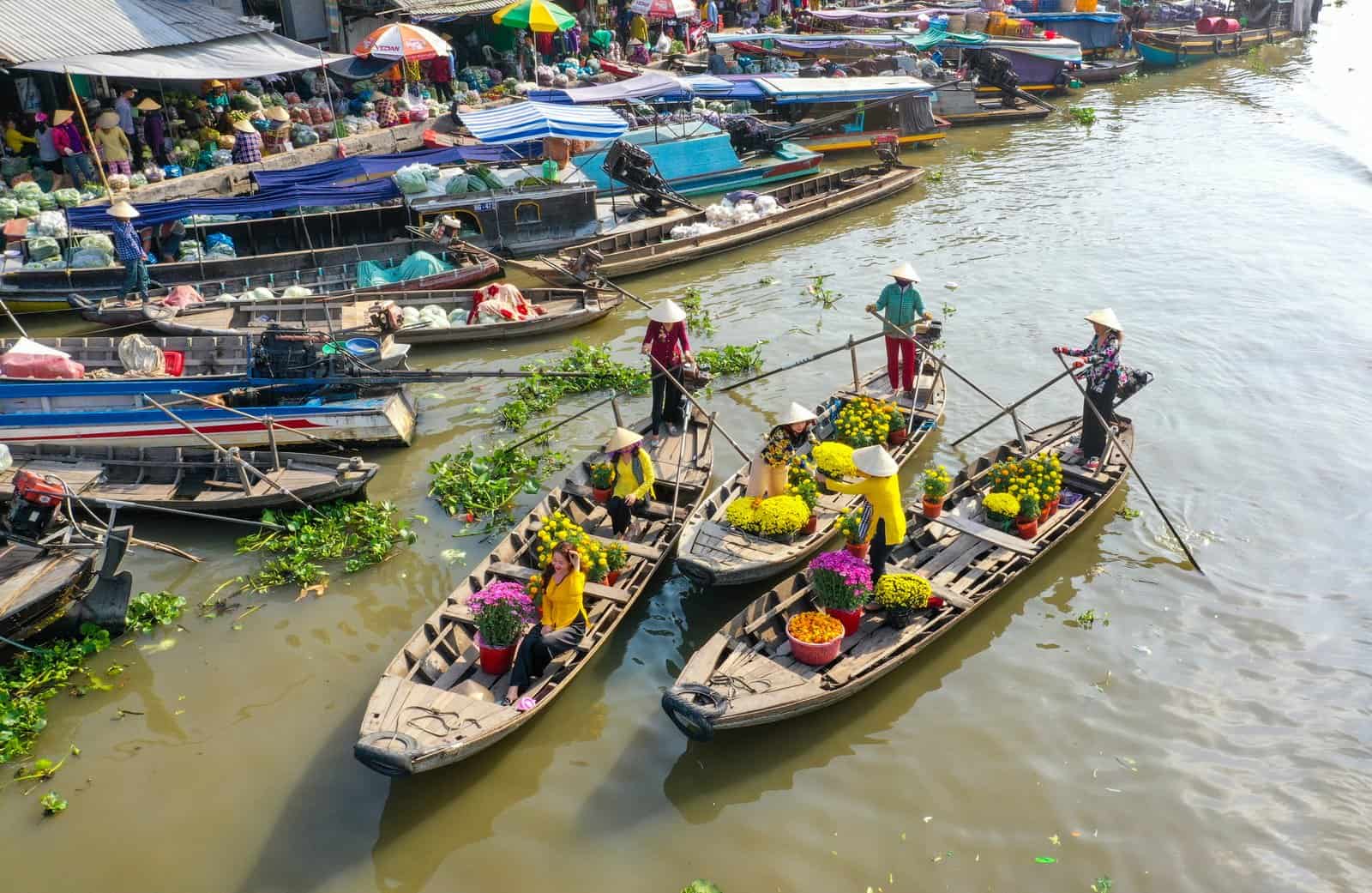
Things to see near Independence Palace

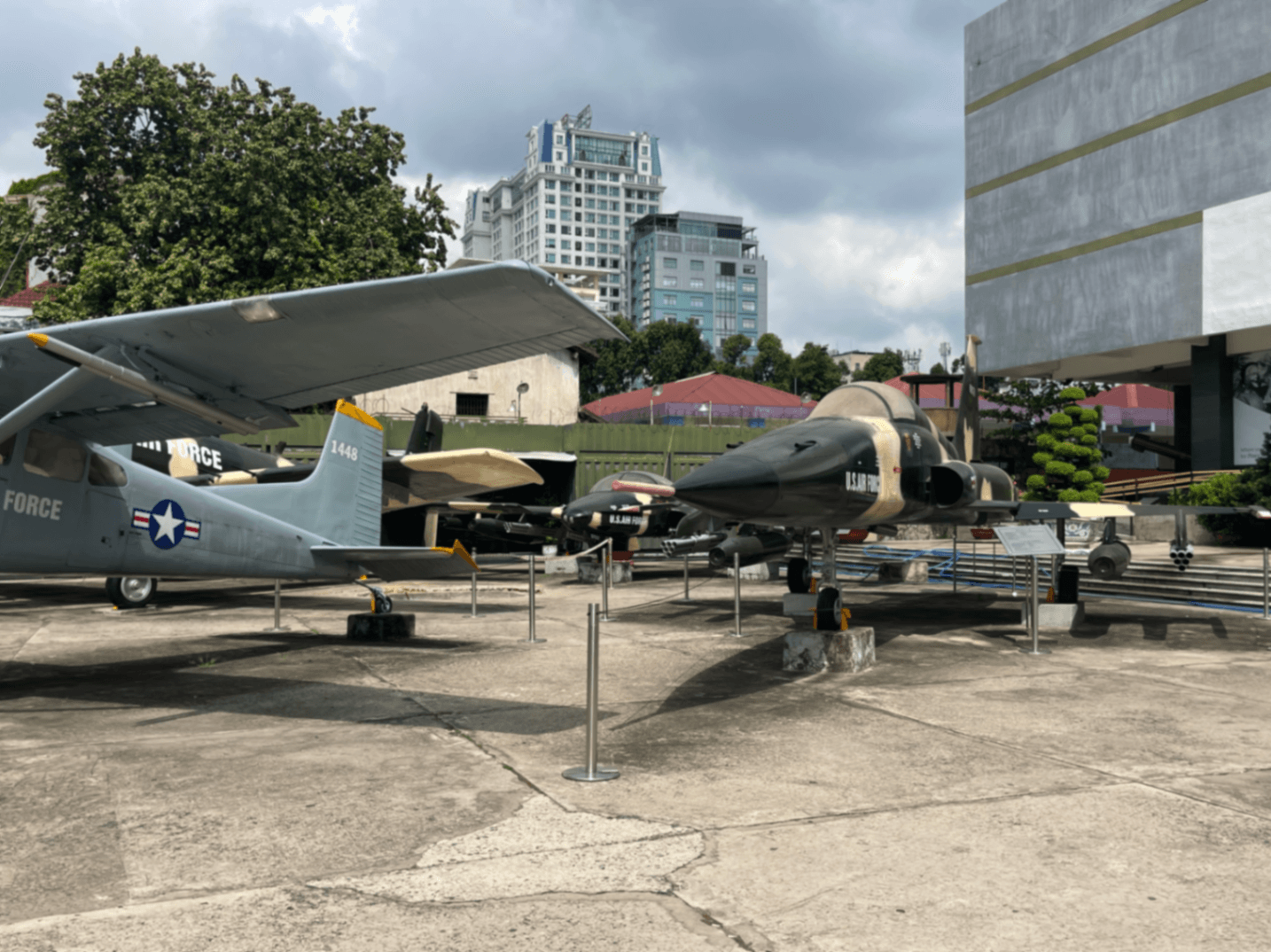


Places to eat or drink near Independence Palace
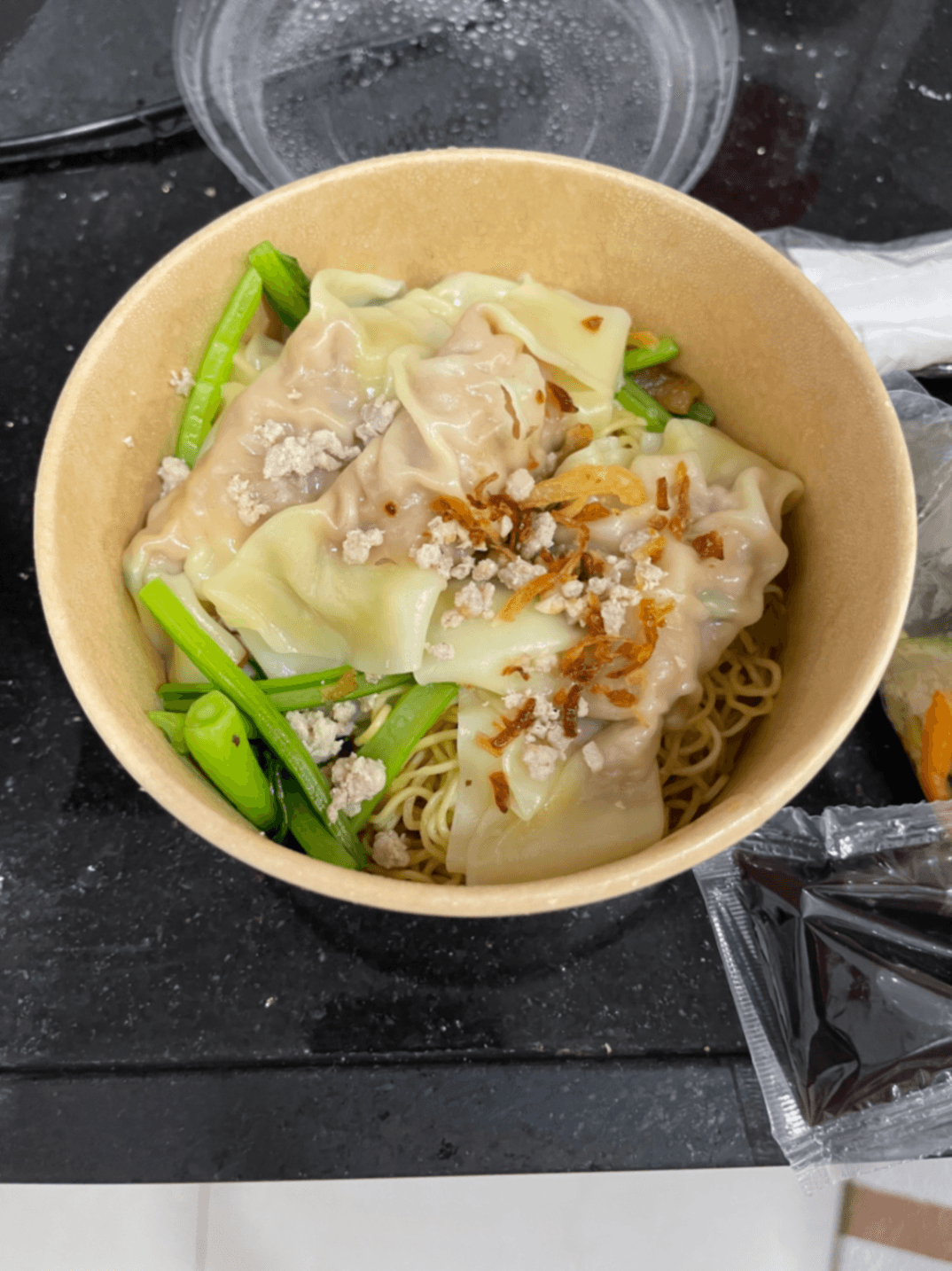
Thiên Ý - Sủi Cảo Hà Tôn Quyền - Song Hành

Ốc Đào
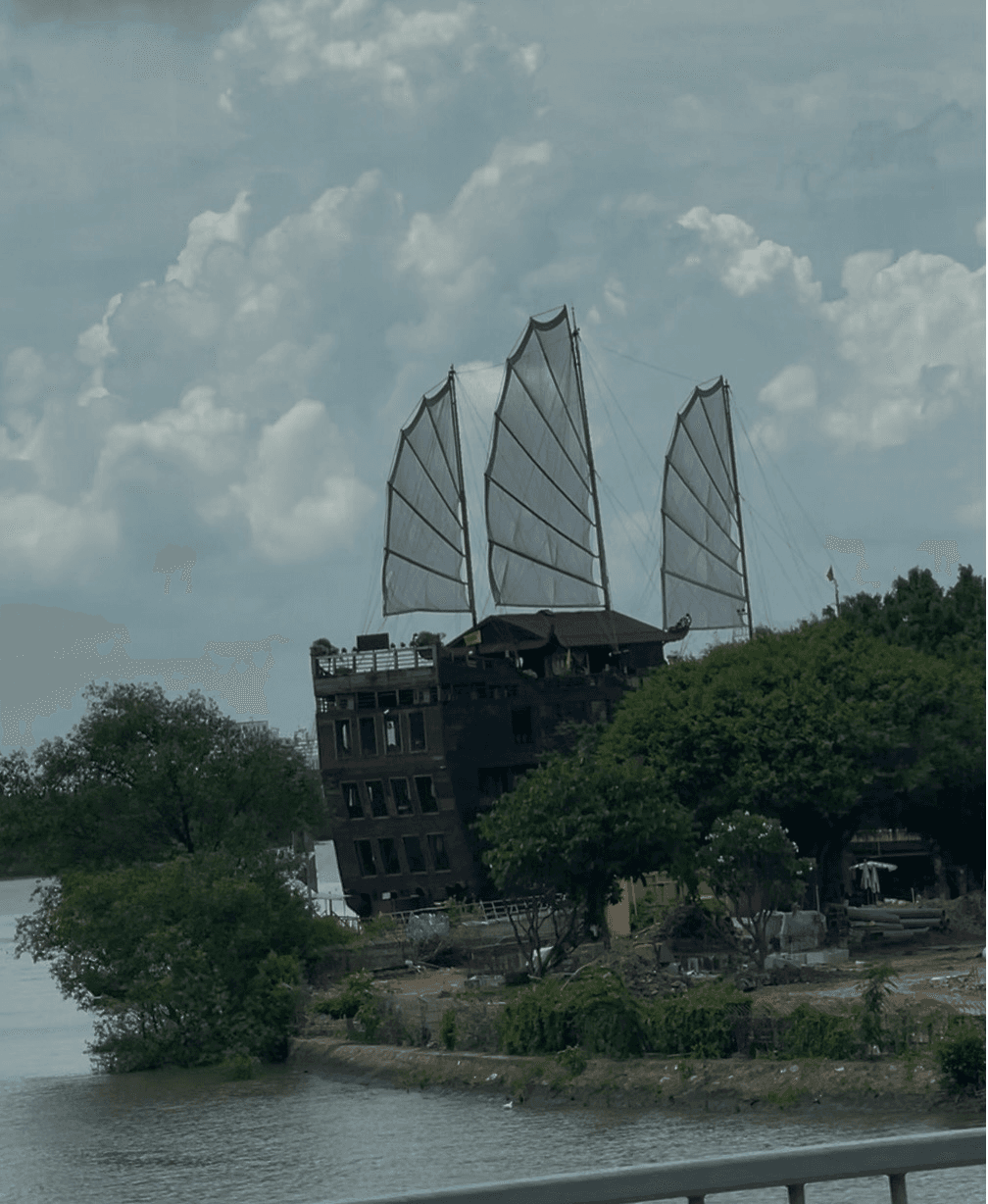
Elisa Floating Restaurant

Vỹ Dạ Quán
More places in Ho Chi Minh City

Maison Marou Flagship Saigon

Phở Hòa Pasteur

Papadums Indian Cuisine- Box Oi
