
Cheongha Korean Ginseng Museum
Closed now
Cheongha Korean Ginseng Museum
280 Jahamun-ro, 부암동 Jongno District, Seoul, South KoreaOverview
Walk into Cheongha Korean Ginseng Museum and the first thing that hits you is the smell, warm and earthy, like stepping into a forest after rain. The museum sits on Jahamun-ro in the Buam-dong area of Jongno District, a quiet neighborhood north of the city center where traditional Seoul still lingers in the streets. Inside, floor-to-ceiling displays trace the story of Korean ginseng from root to remedy, with specimens that look more like art installations than botanical samples. This is not a rushed museum. If you have even a passing interest in how plants become medicine, how tradition shapes commerce, or simply want to understand why Korean ginseng carries such weight in Korean culture, you'll find hours here.
Why this place matters
Ginseng holds a place in Korean life that outsiders often underestimate. It's woven into folk medicine, family rituals, gift-giving customs, and the country's agricultural identity. Cheongha Korean Ginseng Museum doesn't just display the plant. It explains the entire ecosystem around it: why certain regions produce better ginseng, how cultivation methods evolved, what makes wild ginseng fundamentally different from farmed varieties, and how Korean ginseng became a global export.
The museum also functions as a working research and education space, not just a tourist attraction. That distinction matters. You're looking at specimens and information organized by people who actually study ginseng, not just curators arranging pretty objects.
Quick facts
- Location: 280 Jahamun-ro, Buam-dong, Jongno District, Seoul
- Neighborhood: Buam-dong, near Gyeongbokgung Palace and the Bukchon Hanok Village area
- Type: Specialized botanical and cultural museum
- Focus: Korean ginseng history, cultivation, medicinal uses, and cultural significance
- Entry: General admission tickets available; timed entry may apply during peak hours
- Duration: Plan 1.5 to 2.5 hours depending on your depth of interest
- Language: Exhibits in Korean and English
Getting there
The museum is located in the Buam-dong neighborhood, which sits between Gyeongbokgung Palace to the south and the Seoul city wall to the north. From central Seoul, take Line 3 to Anguk Station (Exit 4). From there, it's roughly a 15 to 20-minute walk uphill along Jahamun-ro toward the palace area. The street climbs steadily, so wear comfortable shoes.
If you prefer not to walk the entire way, taxis are easy to flag down. Show the driver the address on your phone or a printed card. The building sits on the main road, so it's not hidden once you're in the neighborhood.
Parking is available on the street or in nearby lots if you're driving, though street parking fills quickly during weekends.
The layout and experience
The museum occupies a modern building designed to let natural light flood through large windows. Exhibits flow chronologically and thematically rather than cramped into tight gallery spaces. You start with the botany of the plant itself: the root structure, the leaves, how it grows in its natural habitat in Korean mountains.
From there, displays move into cultivation history. You'll see examples of how ginseng farming developed over centuries, the tools used, the soil conditions required, and the dramatic differences between wild ginseng and cultivated varieties. The oldest cultivated ginseng specimens in the collection show their age visibly, their roots twisted and darkened by time.
A dedicated section covers ginseng's role in Korean medicine and daily life. Here you find explanations of how it's used in soups, tonics, skincare, and traditional remedies. The museum doesn't shy away from discussing both historical uses and modern scientific research into ginseng's effects.
The final sections address ginseng as commerce and culture. You learn about Korea's ginseng exports, how grades are determined, and why a single premium wild root can cost thousands of dollars. There's also a gift shop and a small tasting area where you can sample ginseng tea or other ginseng products.
Main highlights
The collection of wild versus cultivated ginseng specimens is the visual anchor of the museum. Seeing them side by side makes the difference immediately obvious to your eye. Wild roots look gnarled and ancient; cultivated ones are more uniform and symmetrical.
Look for the displays on regional variations. Different Korean provinces produce ginseng with distinct characteristics, and the museum breaks this down clearly. Geumsan-gun in South Chungcheong Province, for example, has become synonymous with high-quality cultivated ginseng. The explanations here are detailed without being overwhelming.
The historical timeline section uses photographs, documents, and artifacts to show how ginseng cultivation and trade evolved from the Three Kingdoms period through modern times. If you have any background in Korean history, these connections deepen the context.
Don't skip the medicinal uses section. Even if you're skeptical of traditional medicine, the museum presents the information straightforwardly: here is what historical texts claimed, here is what modern studies have tested, here is what remains inconclusive. That intellectual honesty is refreshing.
History and background
Ginseng has been part of Korean life for over 2,000 years. Archaeological evidence and historical texts place its use in Korea at least as far back as the Three Kingdoms period (57 BCE to 668 CE). During the Goryeo Dynasty (918 to 1392), ginseng cultivation became more systematized, and Korean ginseng began to develop a reputation that eventually spread across Asia and beyond.
By the Joseon Dynasty, ginseng was valuable enough to feature in royal courts and appear in detailed agricultural texts. The plant's economic importance only grew from there. When trade routes expanded in the modern era, Korean ginseng found markets in China, Japan, and eventually the West.
The Cheongha Korean Ginseng Museum itself is a relatively recent establishment, designed to preserve and communicate this heritage as ginseng farming faced pressures from modernization and changing agricultural practices. The museum's role is partly educational and partly archival, ensuring that the knowledge around ginseng cultivation and use doesn't disappear as fewer young people enter the farming profession.
Tickets and entry
The museum operates on a general admission model. Tickets are available at the entrance. Entry is straightforward; you pay upon arrival or sometimes can purchase tickets online in advance. Timed entry slots may be implemented during peak tourist seasons (spring and fall), so arriving early gives you more flexibility.
Guided tours in Korean are available; English-language tours depend on advance booking and staff availability. If you speak Korean or want to join a Korean-language tour, ask at the ticket counter about timing.
Children's rates and group discounts exist, though specific pricing requires checking at the museum directly or calling ahead.
Best time to visit
Spring (April to May) and fall (September to October) draw the most visitors to the Buam-dong area because of the nearby palace and hiking opportunities. If you visit during these seasons, arrive earlier in the day to avoid crowds and have a calmer viewing experience.
Summer is warm and sometimes humid, but fewer tourists come to museums during the hottest months, so you might have more breathing room. Winter brings cold, but the neighborhood's quietness becomes even more pronounced.
Weekday mornings are generally less crowded than weekends and late afternoons.
Photography tips
The museum's modern architecture and large windows create natural lighting that works well for photography. The specimens themselves are beautifully displayed, especially the ginseng root sections under focused lighting.
Check the museum's photography policy before shooting. Some exhibits may have restrictions on flash or tripod use. Generally, personal photography for non-commercial use is permitted, but it's worth confirming at the entrance.
The ginseng specimens photograph best without flash, relying on the museum's own lighting. The historical documents and timeline sections offer good detail shots if you're interested in the narrative side.
Facilities and preparation
The museum building includes restrooms, a small cafe or refreshment area, and the gift shop. The layout is accessible, though the uphill walk to reach the building might be challenging for those with mobility issues. Once inside, circulation is smooth and not cramped.
Comfortable shoes are essential because of the walk from the nearest subway station and the incline of Jahamun-ro. Bring water, especially in summer.
The neighborhood has a few small cafes and restaurants nearby if you want to combine your museum visit with a meal, though this is a quieter part of the city compared to busier commercial districts.
How it compares to similar places
Seoul has several specialized museums focused on single topics or industries. Cheongha differs from larger, more general museums in its depth and focus. This is not a broad survey museum; it's an expert dive into one plant and its cultural context.
Compared to the Korean Folk Museum or the Seoul Museum of History, which cover wider ground, Cheongha trades breadth for specificity. If you're interested in Korean agriculture, medicine, or trade history, that specificity is the entire point. If you want a quick overview of Korean culture, you might find this too narrow.
The museum also maintains a different energy from major tourist attractions. It attracts people with genuine interest in the subject rather than just checking boxes on an itinerary.
Combining with nearby attractions
The Buam-dong neighborhood is rich with things to explore. Gyeongbokgung Palace lies to the south, roughly a 20-minute walk downhill from the museum. Bukchon Hanok Village, famous for its preserved traditional Korean houses, is also within walking distance.
The Seoul City Wall runs through the area. If you have time after the museum, walking a section of the wall offers views over the city and a sense of historical geography. The Buam-dong area itself has become a draw for cafes, galleries, and small restaurants in recent years, so wandering the streets after your museum visit is worthwhile.
You could easily spend half a day in the immediate neighborhood, combining the museum with a palace visit, wall walk, and lunch at a local restaurant.
Sample visit plan
Arrive by mid-morning on a weekday if possible. Spend 1.5 to 2 hours moving through the exhibits at a leisurely pace. If you're reading translations carefully and examining the specimens closely, budget closer to 2.5 hours.
After exiting, walk down Jahamun-ro toward the palace area. Stop for lunch at one of the neighborhood restaurants or cafes. Then either visit Gyeongbokgung Palace (which requires additional tickets and typically takes 1 to 2 hours) or walk a section of the Seoul City Wall for views and exercise.
If you're combining this with other neighborhood exploration, plan for a total of 4 to 5 hours in the Buam-dong area.
Practical tips
- The walk uphill to the museum is steeper than it looks on a map. Pace yourself and wear good shoes.
- Subway Line 3, Anguk Station (Exit 4) is the most direct public transit connection. From there, it's uphill but straightforward.
- The neighborhood is quieter and less touristy than central Seoul. Fewer English speakers are around, so having your destination address on your phone helps.
- The gift shop sells ginseng tea, products, and books. Prices are mid-range for specialty ginseng items.
- Visit on a weekday morning for the quietest experience and best lighting for photography.
- Combine your visit with nearby attractions in Buam-dong or the palace area rather than visiting the museum in isolation.
- If you're interested in ginseng products but want to compare prices, the museum shop is more curated than cheap, so explore neighborhood shops afterward if you want broader selection.
FAQ
How long does a visit typically take? Most visitors spend 1.5 to 2.5 hours, depending on how closely they read the exhibits and their existing knowledge of the subject.
Is the museum worth visiting if I have no prior interest in ginseng? Yes, if you're interested in Korean history, agriculture, medicine, or how trade and commerce shaped cultural practices. The museum connects ginseng to broader themes. However, if you have zero interest in plants or Korean heritage, a different museum might suit you better.
Can I buy ginseng products at the museum? Yes. The gift shop sells ginseng tea, dried roots, skincare products, and related items. Prices reflect the quality and specialty nature of the products.
Is there English-language information? Yes. Major exhibit labels are in both Korean and English. Guided tours in English are available but require advance booking.
What's the best way to get there from central Seoul? Take Line 3 to Anguk Station (Exit 4), then walk uphill along Jahamun-ro toward Gyeongbokgung Palace for about 15 to 20 minutes. Taxis are also easy to use if you prefer not to walk the full distance.
Closing thoughts
Cheongha Korean Ginseng Museum doesn't compete with Seoul's larger, flashier attractions. It exists for people who want to understand something deeply rather than accumulate sights. The neighborhood itself, quiet and layered with history, rewards lingering. Spend time here, and you leave with a genuine understanding of why Korean ginseng matters to Korean identity and culture, and why a single premium root can carry the weight of centuries.
Opening hours
Reviews
Sign in and mark this place visited to leave a review.
No reviews yet.
Free Trip Planner
Plan your Seoul trip with our free planner
Build a day-by-day itinerary with AI suggestions, hand-picked places, and friends. Free forever — no credit card.
Things to see near Cheongha Korean Ginseng Museum

Korean Folk Village

Hwaseong Haenggung

Suwon Hwaseong Fortress

Starfield Suwon
Places to eat or drink near Cheongha Korean Ginseng Museum
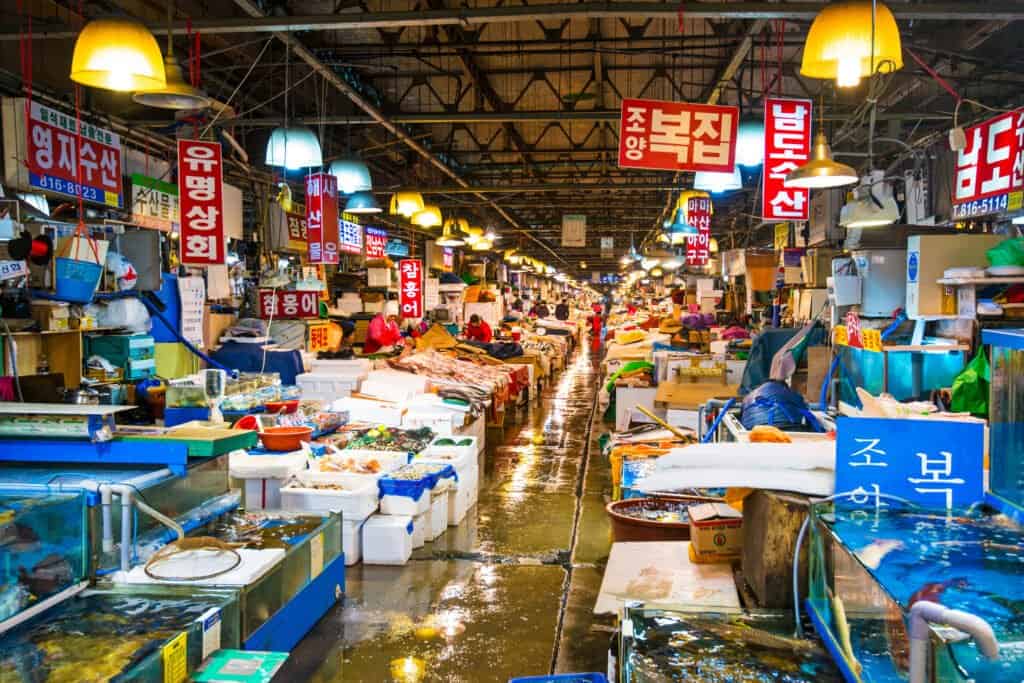
Noryangjin Fisheries Wholesale Market

Gebangsikdang
Gaon

Mingles
More places in Seoul

Samcheongdong Sujebi

Nodeul Island

War Memorial of Korea
