
Convento Santa Clara
Av. Sur at 6 Calle Oriente 2, Antigua 03001 Guatemala Posted by Brandon B.Admin
Convento Santa Clara: Antigua's Most Atmospheric Ruins
Convento Santa Clara sits on the eastern side of Antigua's colonial grid, just a short walk from the Parque Central, and it ranks among the most quietly affecting ruins in the city. Unlike some of Antigua's more trafficked sites, this former convent has a particular stillness to it. The crumbling arches, the overgrown courtyard, the way the light comes through in the late afternoon — it adds up to something that feels genuinely old rather than preserved for performance.
Antigua is full of ruined churches and convents, but Santa Clara has its own character. It was founded in the early 18th century and largely destroyed in the earthquakes of 1773, the same series of tremors that eventually convinced Spanish authorities to relocate the colonial capital to what is now Guatemala City. The ruins were never fully rebuilt, and what remains today is an open-air complex that mixes collapsed walls, intact archways, and a large central fountain that locals have used as a gathering point for generations.
Why Convento Santa Clara Matters
The convent was built for the Order of Saint Clare, a Franciscan religious order founded in 13th-century Italy. When it was completed in the early 1700s, it was one of the larger religious complexes in the colonial city. The Clarisas, as the nuns were called, operated the convent until the 1773 earthquakes made it uninhabitable.
What makes the site historically interesting is that the ruins were not simply abandoned. In the years after the earthquakes, the remaining open spaces became informal market grounds and public gathering areas. That tradition of public use never entirely disappeared. The central fountain area still draws locals and visitors, and on certain days you'll find laundry being done nearby or children playing in the courtyard — a kind of living continuity that more manicured ruins don't tend to have.
Quick Facts
- Location: Avenida Sur at 6 Calle Oriente, Antigua Guatemala
- Founded: Early 18th century (construction completed around 1734)
- Damaged: Earthquakes of 1773, known locally as the Terremotos de Santa Marta
- Religious order: Order of Saint Clare (Franciscan)
- Entry: Small general admission fee collected at the entrance
- Walk from Parque Central: Approximately 5 to 7 minutes on foot
- Photography: Permitted throughout the complex
Getting There
From Parque Central, walk east along 5 Calle Oriente and then turn south. The complex entrance is on Avenida Sur, and it's easy to spot once you're on the right block. The cobblestone streets in this part of Antigua are typical of the city, so comfortable shoes matter more than a map.
Tuk-tuks are everywhere in Antigua and will get you here for a small fare if you're coming from farther out. If you're already visiting the Iglesia y Convento de La Merced or the market area to the north, Santa Clara fits naturally into a walking loop heading back toward the center.
The Layout and Experience
The complex is not enormous, but it rewards a slow visit. You enter through a preserved archway into what was the main cloister area. The central fountain is the first thing most people notice — it's large for a convent courtyard, with a tiered basin that's been photographed so many times it has become one of Antigua's visual signatures.
Beyond the fountain, the ruins open into a series of roofless rooms and collapsed corridors. Some walls still stand to their original height, while others are reduced to a meter or two of stonework. The mix of intact and ruined sections gives the place a layered feeling — you're reading the building's history in the architecture itself.
Bougainvillea grows over several of the walls depending on the season, adding color to the otherwise pale stone. The scale is human rather than monumental, which makes it easier to imagine what daily life inside the convent might have looked like. Most visits take between 30 and 45 minutes, though photographers and architecture enthusiasts often linger longer.
Best Time to Visit
Late afternoon is widely considered the best time to visit, when the light drops low and hits the stone at an angle that makes the textures and colors come alive. The complex is open-air, so midday in the dry season (roughly November through April) can feel harsh and bright. Morning visits have their own appeal if you want fewer people around.
Antigua's rainy season runs roughly May through October. The ruins look dramatic in overcast light, and the green growth on the walls intensifies, but if heavy rain hits you'll have limited shelter inside the complex. Most days the rain comes in the afternoon, so a morning visit during rainy season tends to work well.
Photography Tips
The central fountain photographs well from the second-floor level if you can access it, giving you a view down into the courtyard with the volcano visible in the background on clear days. Volcán de Agua, which rises south of the city, frames the upper portions of several ruined walls and is worth positioning deliberately in your shots.
For the archways, shooting toward the light rather than with it tends to produce more interesting results. The silhouette effect on the arches, with bright sky behind, is one of the classic Antigua compositions. Early morning or late afternoon gives you softer shadows and warmer tones throughout the complex.
Combining with Nearby Attractions
Santa Clara sits in a part of Antigua that's easy to combine with several other stops. The Iglesia de San Francisco el Grande, which contains the tomb of Hermano Pedro and draws significant local religious devotion, is just a few blocks south. The ruins of the Convento de las Capuchinas are a short walk to the northwest and offer a very different architectural experience, including the distinctive circular tower that has no clear equivalent elsewhere in the city.
If you're spending a full day in Antigua, a loop that takes in Santa Clara, San Francisco, and Las Capuchinas covers a substantial part of the city's colonial religious history without requiring any transport. Add lunch at one of the restaurants along 5 Avenida Norte and you have a full day that doesn't feel rushed.
Practical Tips
- Wear comfortable shoes. The ground inside the complex is uneven stone and packed earth.
- Bring water, especially in the dry season. There's no café or refreshment stand inside.
- The entrance fee is small and paid at the gate. Cash in quetzales is the safest option.
- If you're visiting multiple ruins in one day, consider the combined rhythm — Santa Clara is calmer and more intimate than some of the larger sites, so it works well as a second or third stop rather than an opener.
- The complex is partially accessible, but the uneven terrain makes it difficult for wheelchairs or strollers in some areas.
- Guides occasionally offer their services at the entrance. A knowledgeable local guide adds context that isn't provided by any signage inside.
FAQ
Is Convento Santa Clara worth visiting if I've already seen other Antigua ruins?
Yes, and arguably more so. It has a quieter atmosphere than sites like La Merced and a different spatial character. The large fountain courtyard and the way the complex integrates with the surrounding neighborhood make it feel distinct rather than repetitive.
How long should I plan to spend?
Most visitors spend 30 to 45 minutes. If you're a photographer or have a particular interest in colonial architecture, an hour is not excessive.
Is it suitable for children?
Generally yes. The open spaces are easy to move around, and children tend to respond well to the scale and the openness. The uneven ground requires some attention with young kids.
Can I visit without a guide?
You can, and most people do. The ruins speak for themselves visually. That said, there's relatively little interpretive signage inside, so a guide or some background reading beforehand helps you understand what you're looking at.
Convento Santa Clara is the kind of place that Antigua does better than almost anywhere else in Central America: a ruin that hasn't been sanitized into a museum experience, where you can sit on a stone bench, look up at a broken archway framing a blue sky, and feel the actual weight of what happened here in 1773. It's not the most famous stop in the city, but it's often the one people remember most clearly when they get home.
Opening hours
Reviews
Sign in and mark this place visited to leave a review.
No reviews yet.
Free Trip Planner
Plan your Antigua trip with our free planner
Build a day-by-day itinerary with AI suggestions, hand-picked places, and friends. Free forever — no credit card.
Related reading


Things to see near Convento Santa Clara


Places to eat or drink near Convento Santa Clara

Mesón Panza Verde

Por Qué No? Cafe

Mellow coffee

Hot Chiplin Bar and Restaurant
More places in Antigua

Centro Cultural La Azotea

MUNAG – Museo Nacional de Arte de Guatemala
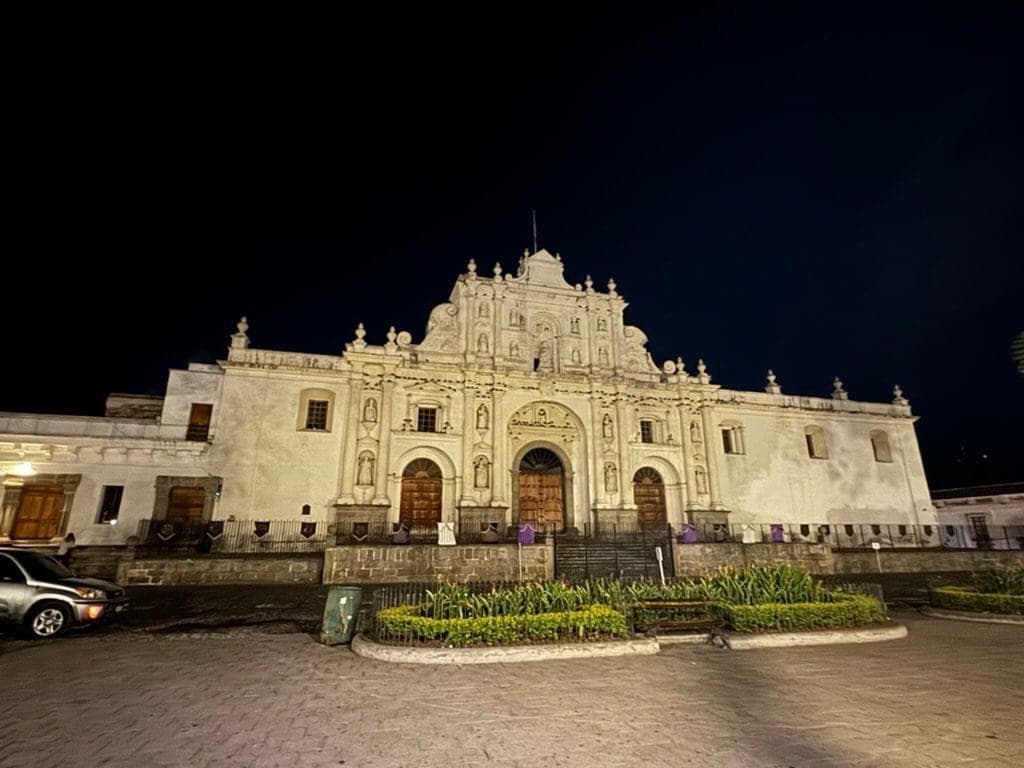
Cathedral de Santiago Antigua
