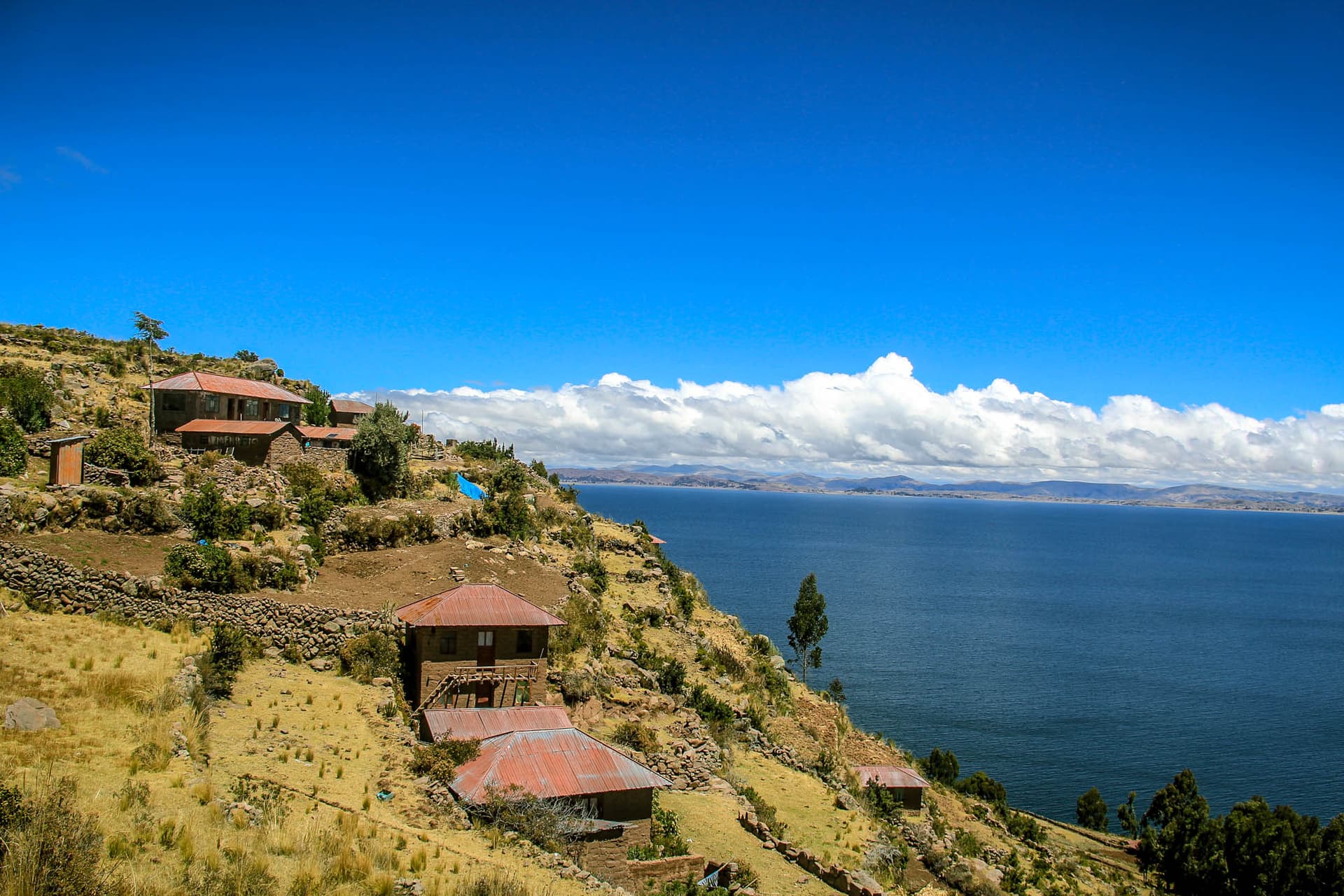
Do A Home Stay With Locals On The Uros Islands
Lago Titicaca, Puno, Peru Posted by Brandon B.Admin
Overview
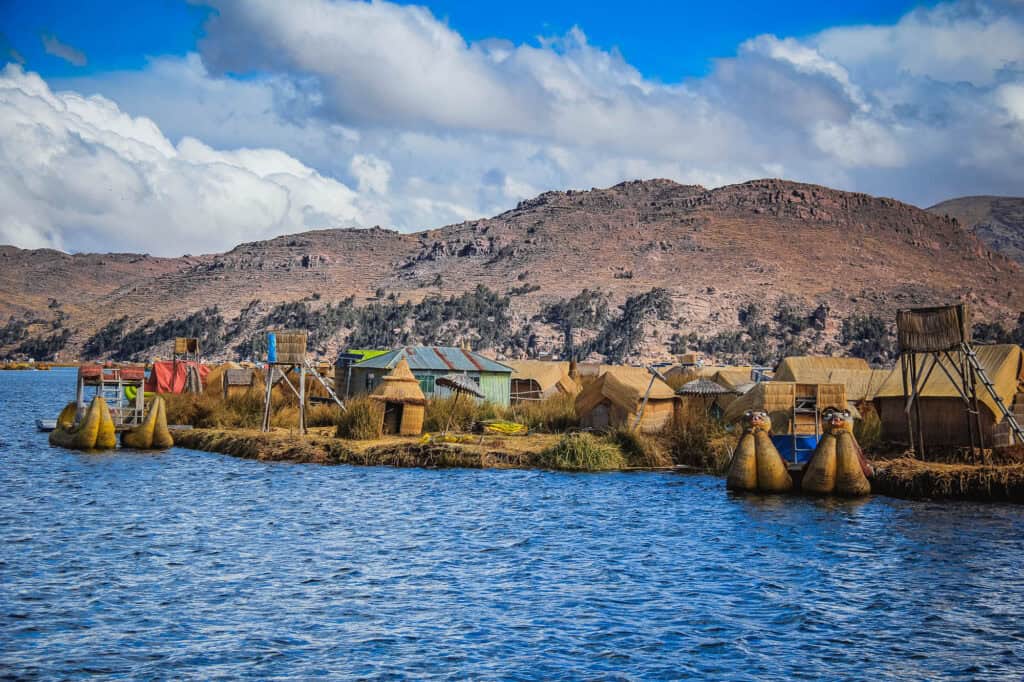
A homestay on the Uros Islands offers something almost impossible to find elsewhere: the chance to live temporarily among the Uro people on their floating reed islands in Lake Titicaca. Rather than visiting as a day-tripper, you stay overnight in a family's home built entirely from totora reeds, eat meals cooked over fires fueled by the same material, and wake to the sound of water lapping beneath your bed. The Uros Islands are located on Lake Titicaca, the world's highest navigable lake at 3,810 meters elevation, straddling the Peru-Bolivia border near Puno.
This is not a polished hotel experience. You're sleeping on a reed platform in a reed house, using basic facilities, and sharing space with a family who has lived this way for centuries. That roughness is the entire point. You get genuine insight into Uro life, language, and daily rhythms that no guided tour can replicate.
Why this place matters
The Uro people are one of Peru's oldest indigenous groups, with an oral history suggesting they've inhabited Lake Titicaca for over a thousand years. Unable to compete for land with the Aymara and Quechua peoples, the Uro adapted by building entire communities on floating islands made of totora reeds. Today around 2,000 Uro live across dozens of these islands, though their way of life faces real pressure from tourism, climate change, and modernization.
Choosing a homestay over a day trip puts money directly into Uro pockets and creates economic incentive to maintain traditional practices. You're not just observing a cultural artifact. You're participating in a living economy that depends on outsiders choosing to engage authentically rather than superficially.
Quick facts
- Lake elevation: 3,810 meters above sea level
- Typical homestay duration: one night, though multi-night stays are possible
- Distance from Puno city center: 15 to 25 kilometers depending on which island
- Boat travel time from Puno: 45 minutes to 90 minutes
- Population: approximately 2,000 Uro spread across multiple floating islands
- Primary language: Uro, Spanish, some Aymara
- Best visited: May through October (dry season)
Getting there
Most homestays are arranged through Puno-based tour operators or directly through family networks. You cannot simply show up on the islands and find lodging. Book through an operator in advance, ideally at least a few days ahead, though flexible operators sometimes accommodate last-minute requests.
From Puno, you'll be collected from your hotel early in the morning, usually between 6 and 8 am. The ride to the dock takes 15 to 25 minutes depending on traffic and which port you use. Puerto Laykacota and Puerto Puno are the two main departure points.
The boat ride itself is memorable. You're traveling across open water at high altitude. The lake is cold, and the sun reflects intensely off the water. Bring sunscreen and a light jacket even in dry season. As you approach the islands, the landscape becomes surreal. What looks from a distance like reeds piled on water reveals itself as an entire ecosystem. You see smaller canoes, children playing on reed platforms, and smoke rising from cooking fires.
Most boats arrive mid-morning, giving you the afternoon and evening with your host family. The return boat typically departs the next morning, returning you to Puno by early afternoon.
The layout and experience
Each island is a cluster of reed structures connected by narrow walkways. Your host family's home is one of these buildings, usually containing a main room for cooking and gathering, plus a smaller sleeping area. The entire structure floats on a base of bundled totora reeds that are regularly replaced as the bottom layers compress and rot.
Walking across the island feels unstable at first. The ground gives slightly beneath your feet. This unsettling feeling fades within an hour. You learn to move carefully but normally. Children navigate the reed paths at full speed, unbothered.
Expect your sleeping area to be simple. A bed made from woven reeds, basic blankets, possibly a foam mattress. There's no electricity in most homestays. Light comes from windows cut into the reed walls and from kerosene lamps or candles in the evening. Many families have added solar panels in recent years, but don't count on charging devices.
The toilet is typically a composting outhouse separate from the main house, built over the water. It's functional and surprisingly clean, but you're using it while sitting above the lake. This is part of the experience.
Meals happen communally. You eat what the family eats. Breakfast is usually bread, cheese, and strong tea. Lunch might be fish from the lake, potatoes, and quinoa. Dinner is similar. The food is real and flavorful, not prepared specifically for tourists. Your host family watches you eat, gauging your reactions, sometimes laughing at foreign palates unaccustomed to the simple flavors and textures.
Main highlights
Living with a family gives you access to daily activities that tours gloss over. You might help gather reeds in the morning, watch a family member repair the island's foundation, or join children playing games you've never seen before. If your host family is involved in traditional weaving or crafts, you'll see those practices up close.
Sunrise on the lake is stunning. The water is calm and mirror-like. Mountains rise in the distance. If you wake early enough, you catch the island before the day's activity starts. This quiet time, sitting on a reed platform with a cup of tea, is often what people remember most.
Fishing remains central to Uro life. If your host family fishes, you might go out in a small reed boat in the late afternoon. These boats, called totora boats, are built from the same material as the islands and look impossibly fragile. They're remarkably stable and have been used for centuries. Being on one at dusk, with the lake turning gold and orange, feels like stepping into an older world.
Many families now make crafts specifically for sale to tourists, particularly woven textiles and reed figurines. Watching this process reveals both the skill involved and the economic reality of the islands. Tourism income matters. Some families have used it to send children to school in Puno. Others struggle to balance tradition with economic pressure.
History and background
The Uro are one of South America's most distinctive indigenous groups, with a history that predates both the Inca and Spanish conquest. According to Uro oral tradition, they have inhabited Lake Titicaca for over 1,000 years, though some scholars suggest the islands were created relatively recently as a response to pressure from other groups.
The name "Uro" itself is debated. It may derive from a word meaning "people of the water." Historically, the Uro were lower-status compared to Aymara and Quechua peoples on the mainland, which may have driven their adaptation to lacustrine life. By building on the water, they avoided direct competition for land and created a distinct cultural identity that persisted through Inca rule and Spanish colonization.
During the 20th century, the Uro population declined due to assimilation, disease, and economic pressure. By the 1960s, fewer than 300 Uro remained. Tourism since the 1990s has created economic incentive to maintain traditional practices and language. Today the Uro population is stable at around 2,000, though cultural change accelerates yearly. Younger Uro increasingly speak Spanish as a first language, and some families have abandoned island life for mainland towns.
Best time to visit
The dry season, May through October, is ideal. During these months the weather is predictable, the lake is calmer, and you're less likely to face cancelled boats. June, July, and August are coldest. Nights dip below freezing. Bring thermal layers and warm bedding, though most families provide blankets.
November through April is wet season. Rain is frequent, and the lake becomes rougher. Boat rides are less comfortable, and some operators reduce schedules. If you visit during wet season, expect a more rugged experience and confirm your operator's schedule in advance.
September and October are popular because the weather is still dry but the intense cold of July and August has passed. Expect more tourists on the islands during these months. May and June see fewer visitors while weather remains excellent.
Facilities and preparation
There are no medical facilities on the islands. If you have health concerns, consult a doctor in Puno before visiting. The altitude of 3,810 meters is significant. If you've only recently arrived in Peru, you may experience mild altitude sickness. Spend at least one night in Puno before heading to the islands to acclimate.
Pack light. You're traveling by boat and walking across reed islands. Bring one small bag with essentials only. Include warm clothes, a light rain jacket, sunscreen, and any medications you need. Most homestays don't have hot water for showers. Some families heat water on request, but bathing facilities are minimal. If you're uncomfortable with cold-water washing, prepare mentally or bring warm clothes and accept that you'll feel less clean than usual.
Bring cash in Peruvian soles. There are no ATMs on the islands. Some operators accept payment in Puno before departure, but confirm this in advance.
Photography is culturally sensitive. Ask before photographing people, especially children. Some families appreciate the attention and welcome photos. Others are protective. Respect their preferences without debate.
Combining with nearby attractions
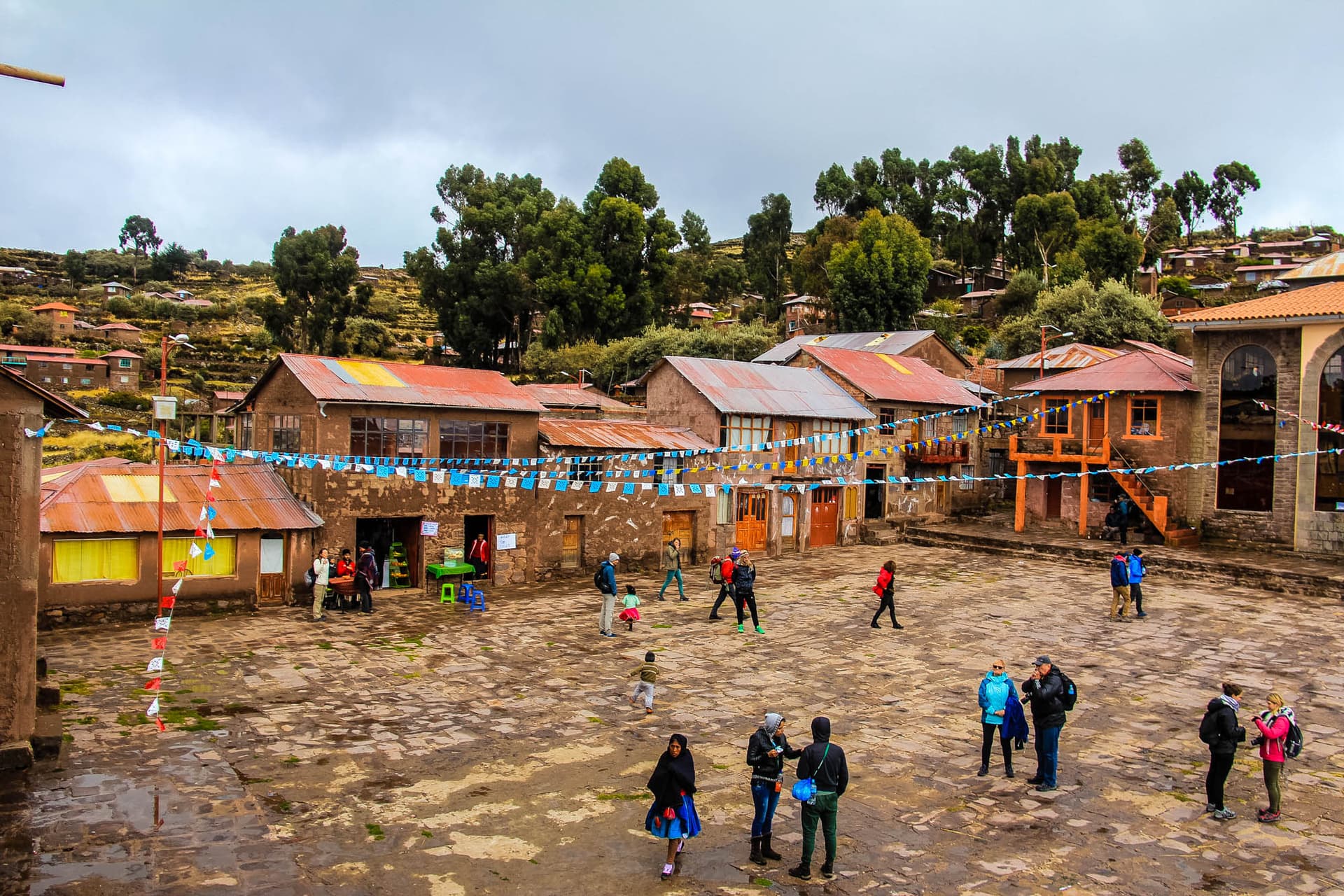
Most visitors spend several days in Puno to explore Lake Titicaca's other sites. Taquile Island, located several hours from Puno by boat, is famous for traditional weaving and operates guesthouses on the island itself. It's more developed than the Uros and offers a different experience. Both can be visited in one trip if you have four to five days in the region.
The Sillustani ruins, located 30 kilometers from Puno, feature pre-Inca funerary towers set on a peninsula overlooking the lake. These can be visited as a half-day excursion from Puno. Many operators combine this with a Uros homestay as a two-to-three-day package.
If you're traveling to Bolivia, the Uros islands are conveniently located. You can take a boat from the islands toward the Bolivian side of the lake, though this requires advance coordination with your operator.
Sample visit plan
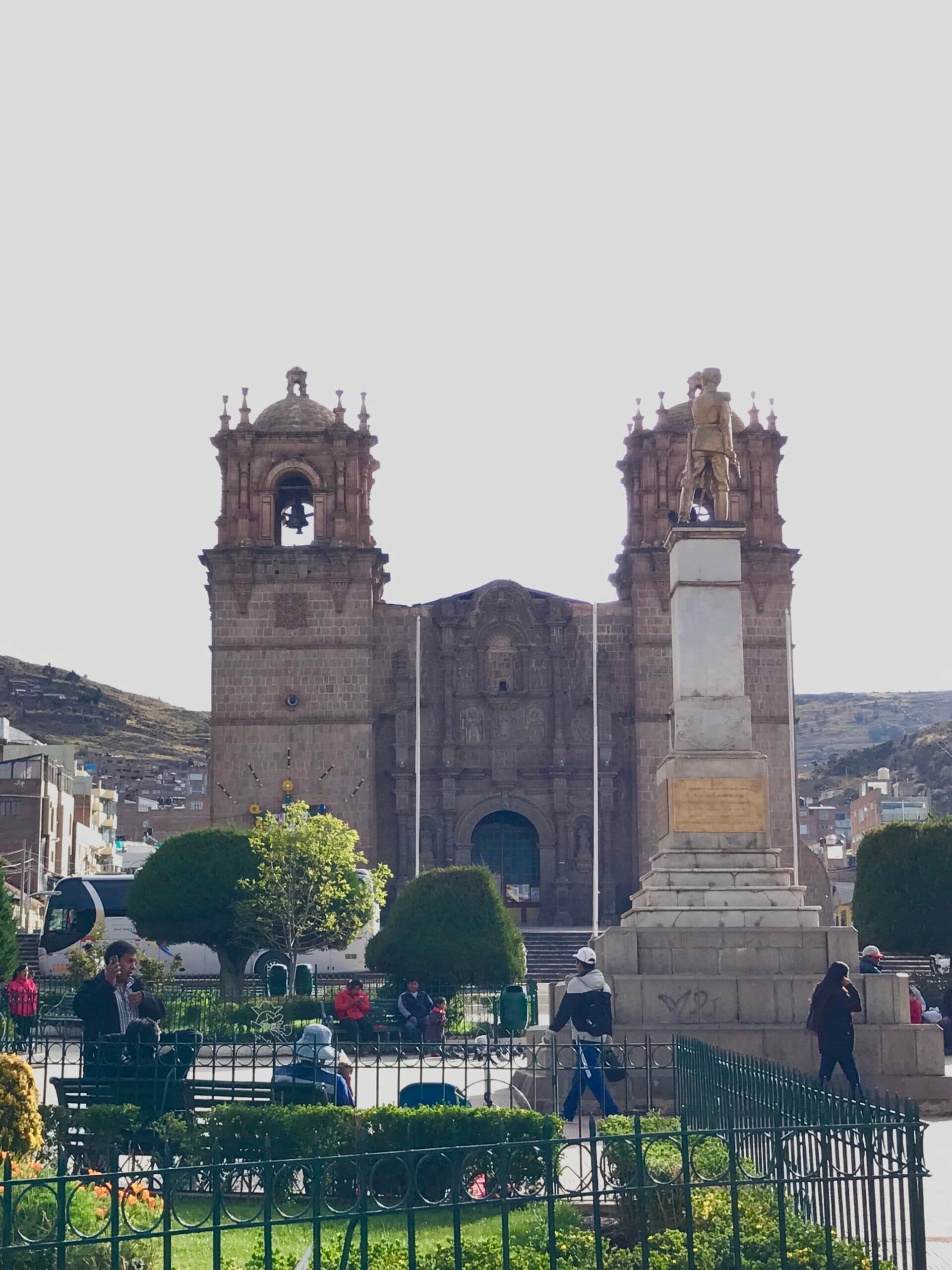
Day one: Arrive in Puno in the morning. Spend the afternoon walking the city's colonial center and visiting the Coca Museum or Puno Cathedral. Collect any last-minute supplies. Meet your boat operator and confirm morning departure time. Sleep in Puno.
Day two: Depart Puno at 7 am. Arrive on your host island by mid-morning. Spend the afternoon exploring the island with your family, helping with daily tasks, and eating lunch. In late afternoon, go out on a fishing boat or visit neighboring islands. Return for dinner and evening conversation. Sleep on the island.
Day three: Wake early for sunrise. Spend the morning with your family. Eat breakfast and lunch. Depart on the return boat around 1 pm. Arrive back in Puno by 3 pm. Rest or explore Puno again in the evening.
Practical tips
- Book your homestay at least three to four days in advance through a Puno-based operator. Direct arrangements with families are possible but require Spanish fluency and local connections.
- Bring a headlamp or small flashlight. Islands have no streetlights, and moving around after dark is disorienting.
- Pack toiletries, sunscreen, and any medications. There are no shops on the islands.
- Wear layers. Mornings are cold, afternoons can be warm, and evenings are cold again. Weather changes quickly at high altitude.
- If you're sensitive to altitude, eat light on your first day and stay hydrated. Coca tea, served at most meals, genuinely helps with altitude adjustment.
- Learn a few Spanish phrases before arriving. Many Uro speak Spanish, but it's appreciated when visitors make an effort.
- Expect limited privacy. Homestays are communal spaces. Your host family will be present during your stay. This is normal and part of the experience.
- Don't expect hot showers, strong wifi, or western-style comfort. If these are essential to you, reconsider this activity.
FAQ
Is it safe to stay on the islands? Yes. The islands are stable despite their appearance. Families have lived there for generations. The main risk is altitude-related, not structural. Thousands of tourists visit annually without incident.
What if I'm uncomfortable with the basic conditions? Be honest with yourself before booking. If you need hot showers, electricity, or private bathrooms, this experience isn't for you. Many operators offer day tours as an alternative.
Can I stay longer than one night? Yes. Some families accept multi-night stays, though availability is limited. Arrange this directly with your operator when booking.
Will my host family speak English? Unlikely. Most speak Uro and Spanish, with varying English fluency. This language barrier is part of the authentic experience. Simple Spanish, gestures, and patience bridge the gap.
What's included in the homestay price? Typically lodging, meals, and basic activities like fishing or island exploration. Boat transport from Puno is usually arranged separately through your operator and may or may not be included. Confirm all details when booking.
Reviews
Sign in and mark this place visited to leave a review.
No reviews yet.
Free Trip Planner
Plan your Peru trip with our free planner
Build a day-by-day itinerary with AI suggestions, hand-picked places, and friends. Free forever — no credit card.