
Eikando Zenrinji Temple
Open now
Eikando Zenrinji Temple
48 Eikandocho, Sakyo-ku, Kyoto 606-8445 Kyoto Prefecture Posted by Brandon B.Admin
Eikando Zenrinji Temple: Kyoto's Most Celebrated Autumn Destination
Eikando Zenrinji Temple sits in the eastern foothills of Kyoto, tucked against the lower slopes of Higashiyama in the Nanzenji district of Sakyo-ku. It is one of those places that locals and longtime Kyoto visitors return to year after year, not because it demands a revisit but because it rewards one. The temple complex is large enough to occupy a full morning, and its grounds shift dramatically depending on when you arrive.
Most people come for the autumn leaves. That reputation is well earned. But Eikando is worth understanding on its own terms, well outside the peak foliage crowds.
Why Eikando Zenrinji Temple Matters
The temple belongs to the Seizan branch of Jodo (Pure Land) Buddhism and has been a functioning religious site for over a thousand years. Its founding traces back to the mid-9th century, making it older than most of what visitors consider "historic Kyoto." The main object of veneration is the Mikaeri Amida, a statue of Amida Buddha depicted looking back over his left shoulder. That backward glance is unusual in Buddhist iconography, and the story attached to it is one of the more quietly moving things you will encounter in any Kyoto temple. According to tradition, the statue turned to look back at a monk named Eikan while he was walking in meditation, and the posture has remained ever since.
That statue alone makes a visit worthwhile. Everything else is a bonus.
Quick Facts
- Full name: Eikando Zenrinji Temple (永観堂 禅林寺)
- Address: 48 Eikandocho, Sakyo-ku, Kyoto
- Buddhist sect: Seizan Zenrinji branch of Jodo Buddhism
- Founded: mid-9th century (traditionally 853 CE)
- Entry: paid general admission, higher fee during autumn special opening
- Autumn illumination: evening hours are extended during peak foliage season
- Access: roughly 5 minutes on foot from Nanzenji Temple
- Nearest bus stop: Nanzenji Eikando-michi on the Kyoto City Bus network
Getting There
The most straightforward approach is the Kyoto City Bus to the Nanzenji Eikando-michi stop, from which the temple gate is about a 5-minute walk north. If you are coming from central Kyoto, buses running along Marutamachi-dori or Okazaki-dori will get you close. Subway users can exit at Keage Station on the Tozai Line and walk roughly 15 minutes through the pleasant Nanzenji approach.
Coming on foot from Nanzenji Temple is the nicest option if time allows. The path along the canal and through the tree-lined approach sets the tone before you even reach the gate. During autumn, that walk itself becomes part of the experience.
The Layout and Experience
Eikando is larger than it appears from the entrance. The complex spans multiple levels connected by covered wooden corridors, open garden paths, and a central pond called Hojo-ike. You move through the site roughly from lower garden areas up toward the Tahoto Pagoda, which sits on the hillside and offers one of the better elevated views of the complex and the city beyond.
The covered corridors connecting the main halls are a practical feature that becomes something more on a rainy day. Walking them while rain falls on the garden outside is exactly as good as it sounds.
The Mikaeri Amida is housed in the Amidado hall. You will want to approach it slowly. The statue is not large, but the backward posture gives it an intimacy that frontal Buddha images rarely have. Allow a few minutes here rather than filing through quickly.
Main Highlights
The Autumn Foliage
Eikando has a long-standing reputation as Kyoto's premier momiji (maple viewing) site. The temple grounds contain a large number of Japanese maple trees, and when they turn in late October through mid-November, the effect is exceptional. The combination of the pond's reflections, the hillside pagoda, and the density of color concentrated within a single enclosed complex is hard to match elsewhere in the city.
Evening illumination events during peak season extend the visit into the night and give the garden a completely different character. If you are in Kyoto during foliage season and can only visit one evening illumination, this is the one most often recommended by people who have done several.
The Mikaeri Amida
Already mentioned above, but worth repeating: this statue is the spiritual and artistic centerpiece of the temple. It dates to the Heian period and is designated an Important Cultural Property of Japan. The backward-glancing posture is interpreted in Jodo Buddhism as Amida looking back to ensure no one is being left behind, a gesture of compassion rather than hesitation.
The Tahoto Pagoda
The two-story pagoda near the top of the hillside path is a focal point for photography and a good reason to climb rather than staying near the pond. The view from the area around the pagoda looks back down over the rooftops of the lower halls and, on clear days, across toward central Kyoto.
The Hojo-ike Pond
The central garden pond reflects the surrounding maples during autumn and the wooden architecture year-round. It is the visual anchor of the complex, and most visitors find themselves circling back to it more than once. Carp move slowly beneath the surface most days, which adds a particular kind of stillness to the spot.
Tickets and Entry
Eikando charges general admission throughout the year. The fee increases during the autumn special viewing season, which typically runs for several weeks in November. Evening illumination events during that period are ticketed separately from daytime entry. Timed entry is not generally required outside of peak season, but during November weekends the queue at the gate can be significant, so arriving early or on a weekday makes a real difference.
There are no guided tours in English built into general admission, but the site has explanatory panels in multiple languages for the main halls.
Best Time to Visit
Late October through mid-November is the famous window. The exact peak varies by year depending on temperature, but mid-November tends to be reliable for full color. That said, November weekends at Eikando are genuinely crowded in a way that can undermine the experience if you are hoping for quiet reflection.
Spring is underrated here. The garden is green and calm, admission is lower, and you will often have the covered corridors largely to yourself. Early morning visits in any season give you a version of the temple that the midday crowds never see.
Summer visits are possible and the garden is lush, but the hillside paths can be humid. Winter, particularly after light snow, produces a rarely photographed version of the complex that is worth pursuing if you happen to be in Kyoto during a cold snap.
Photography Tips
The Hojo-ike pond is the obvious starting point. Shoot from the covered walkway on the western edge for reflections that include the maple canopy overhead. The Tahoto Pagoda photographs best in late afternoon when the light hits the hillside from the west.
During evening illumination, a tripod is useful but not always permitted inside the main halls. Check current rules at the gate. The blue-hour window just after the illuminations begin, when ambient sky light still competes with the artificial lighting, tends to produce better results than full dark.
For interior shots of the Mikaeri Amida, photography restrictions apply. Confirm what is permitted when you enter.
Combining with Nearby Attractions
Eikando sits at the northern end of a corridor that includes Nanzenji Temple about 5 minutes south on foot, and the Philosopher's Path runs just west of the complex heading north toward Ginkakuji (Silver Pavilion), roughly 30 minutes on foot. A full day walking this route, starting at Ginkakuji in the morning and ending at Nanzenji in the afternoon, is one of the more satisfying ways to structure a day in eastern Kyoto.
Heian Shrine and the Okazaki museum district are also within walking distance to the southwest, if you want to extend the day in a different direction.
Practical Tips
- Arrive before 9am during autumn season if you want meaningful quiet time before the crowds arrive.
- Wear comfortable shoes. The path to the pagoda involves uneven stone steps.
- The covered corridors can be cool even in mild weather. A light layer helps.
- Bags larger than standard daypack size may need to be checked or managed carefully in the narrower corridor sections.
- There is no large food or drink facility inside the complex, so eat beforehand or bring something for after.
- The temple is actively used for religious practice. Keep voices low in the main halls.
- IC cards (Suica, ICOCA) work on Kyoto City Buses, which makes the approach from central Kyoto straightforward without needing to buy individual tickets.
FAQ
How long does a visit to Eikando take?
Most visitors spend between 60 and 90 minutes. If you climb to the pagoda and spend time in the main halls, budget closer to two hours. During autumn illumination evenings, the experience moves at its own pace and two hours passes quickly.
Is Eikando accessible for visitors with mobility limitations?
Parts of the complex, including the hillside path to the pagoda, involve stairs and uneven stone surfaces. The lower garden areas and pond are more manageable. Contact the temple directly if you need specific accessibility information before visiting.
Can you visit both Eikando and Nanzenji in the same morning?
Yes, and it is a common combination. Nanzenji's grounds are large but the main sights move quickly. Starting at Eikando when it opens and walking to Nanzenji by late morning works well, with time to spare for the Nanzenji aqueduct and sub-temples.
Is the autumn illumination worth the extra ticket cost?
Most people who do it say yes. The nighttime garden looks genuinely different from the daytime version, and the atmosphere during peak foliage season is something that photographs don't fully capture. It is busy, but the experience tends to justify the crowd.
Opening hours
Reviews
Sign in and mark this place visited to leave a review.
No reviews yet.
Free Trip Planner
Plan your Japan trip with our free planner
Build a day-by-day itinerary with AI suggestions, hand-picked places, and friends. Free forever — no credit card.
Related reading

Things to see near Eikando Zenrinji Temple

teamLab Nagai Botanical Garden Osaka

Horyu-ji

Yakushi-ji Temple

Dōtonbori
Places to eat or drink near Eikando Zenrinji Temple

The Münch

Rai Rai Tei Ikuno Tatsumi

KITAN HIBIKI YAKINIKU&STEAK
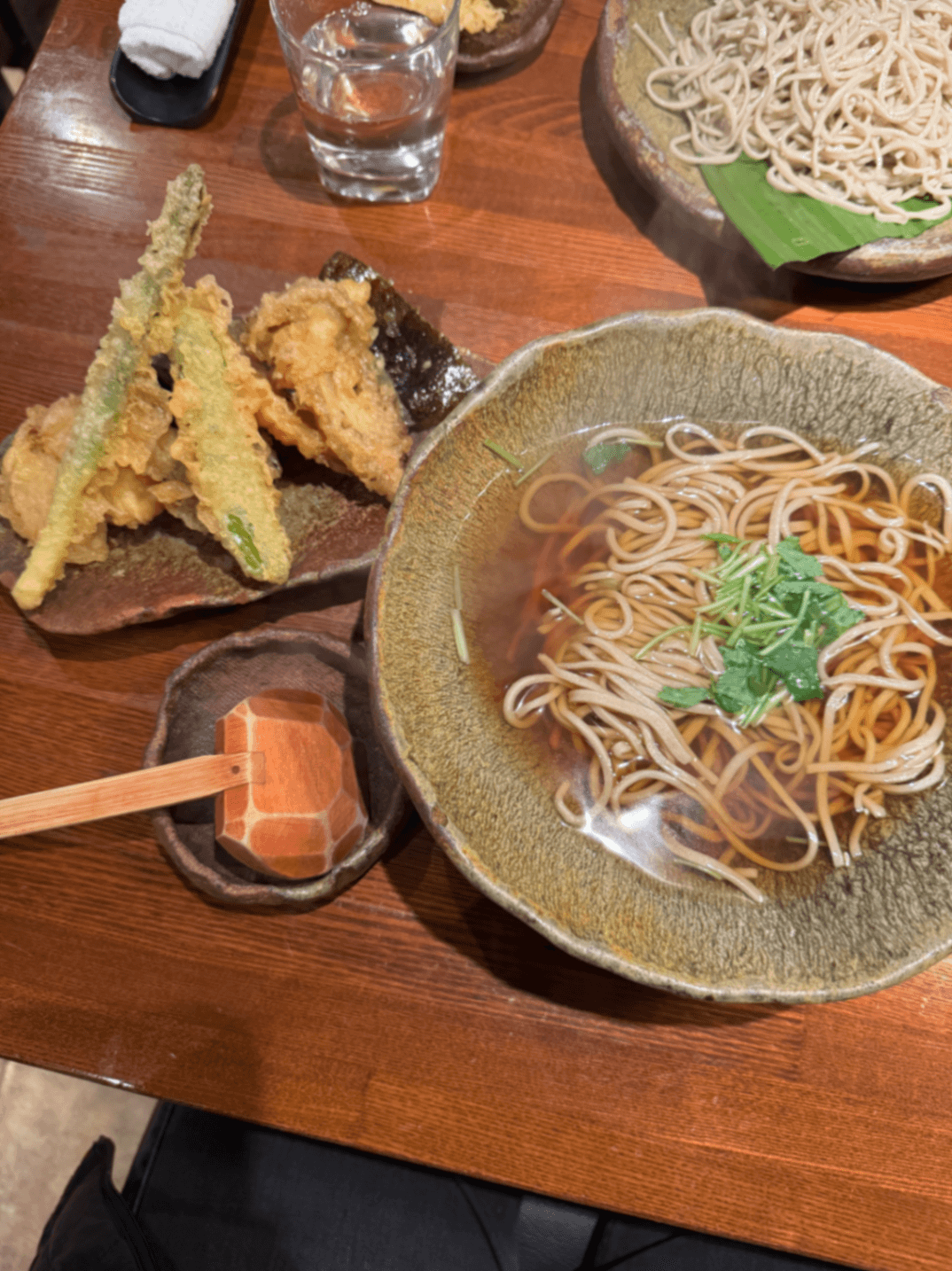
Akari Soba
More places in Kyoto

Rai Rai Tei Uzumasa

Menya Inoichi Hanare

Kiyomizu-dera Temple
