
Golden Gate Bridge Rooftop View
RG4F+86, Battery Cranston Rd, San Francisco, CA 94129, USA Posted by bazartravelsTraveler
Golden Gate Bridge Rooftop View
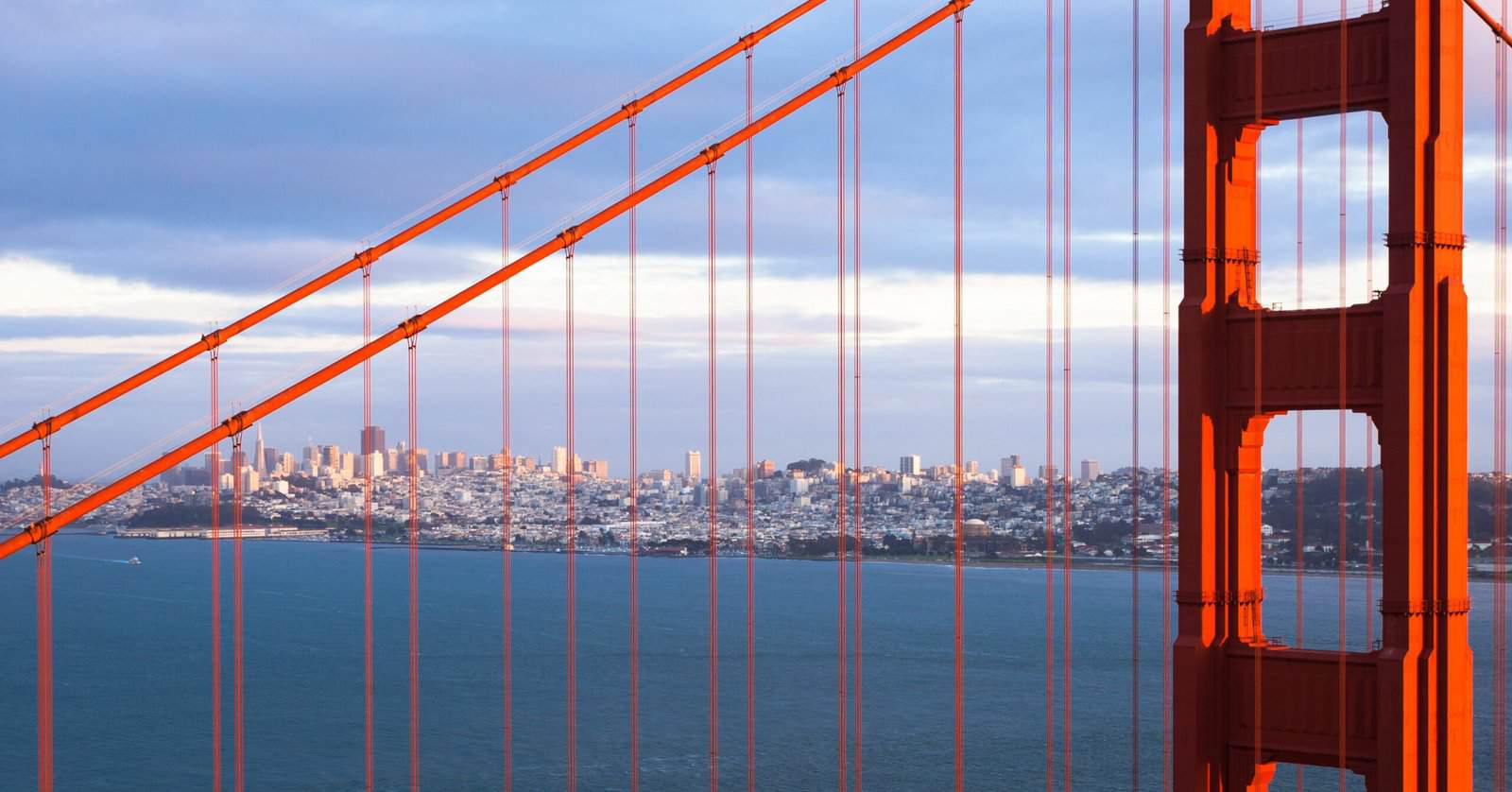
The Golden Gate Bridge Rooftop View offers one of San Francisco's most commanding vantage points for photographing and observing the iconic suspension bridge. Located at Battery Cranston, a former military fortification on the Marin Headlands side of the strait, this elevated spot captures the bridge's full span against the bay and city skyline. You get an unobstructed sight line that most visitors never discover, partly because it requires knowing exactly where to look and partly because the approach is unmarked.
Why this place matters
The Golden Gate Bridge is the visual anchor of San Francisco, and this vantage point lets you see it at scale. From down at sea level, the bridge dominates but feels compressed. From here, you can see how it sits within the larger geography: the Marin Headlands to the north, the Presidio to the south, the bay stretching east, and the Pacific beyond the Golden Gate strait itself. It's the kind of view that makes the bridge's engineering and placement feel real instead of photographic.
The location sits on land with genuine historical weight. Battery Cranston was built in 1901 as part of the coastal defense system meant to protect the Golden Gate. The fortification is long dormant, but standing on its remnants while looking at a bridge completed in 1937 gives you a tangible sense of San Francisco's transformation across the 20th century.
Quick facts
- Free to access, no tickets or permits required
- Open year-round, accessible during daylight hours
- Located on the Marin Headlands side of the Golden Gate strait
- Approximately 15 minutes by car from downtown San Francisco
- No facilities, restrooms, or amenities on-site
- Parking available at nearby pullouts and Battery Cranston trailhead
- Best light for photography during early morning or late afternoon
Getting there
From downtown San Francisco, take the Golden Gate Bridge heading north toward Marin. Exit immediately after crossing the bridge at the first opportunity. You'll find yourself on the Marin Headlands side. Follow signs toward Battery Cranston or the Marin Headlands Visitor Center. The drive takes about 15 to 20 minutes depending on traffic and your starting point.
Parking is available at a small pullout near the Battery Cranston trailhead. The lot fills during peak weekend hours, particularly in summer and fall. If the main lot is full, you can find additional parking along the road near the Marin Headlands Visitor Center, which is within walking distance.
Once parked, walk toward the old fortification. The path is informal but well-trodden. You're looking for the elevated concrete structures and ruins of the battery itself. The walk from the parking area takes roughly 10 to 15 minutes at an easy pace. Wear sturdy shoes because the ground is uneven and sometimes muddy, depending on recent rainfall.
The layout and experience
Battery Cranston occupies a knob of land high enough to give you genuine elevation without requiring climbing gear. The old fortification consists of concrete bunkers, gun emplacements, and walls in various states of preservation. You can walk among these structures, but they're fragile and sometimes unstable, so stay on established paths and don't lean on walls or try to climb on the ruins.
The rooftop vantage point isn't a single spot but rather a series of elevated areas around the battery. The best views tend to come from the western and northern edges, where the bridge fills your entire field of vision. On clear days, you can see from the bridge all the way across to the Presidio and beyond to downtown. The perspective shifts slightly as you move around the battery, so spending 20 to 30 minutes exploring different angles is worthwhile.
The site feels surprisingly isolated, even though you're only minutes from the bridge. That solitude is part of the appeal. You'll encounter other visitors, but rarely crowds. The wind can be strong and cold, especially in summer when the fog rolls in, so bring a jacket regardless of the season.
Main highlights
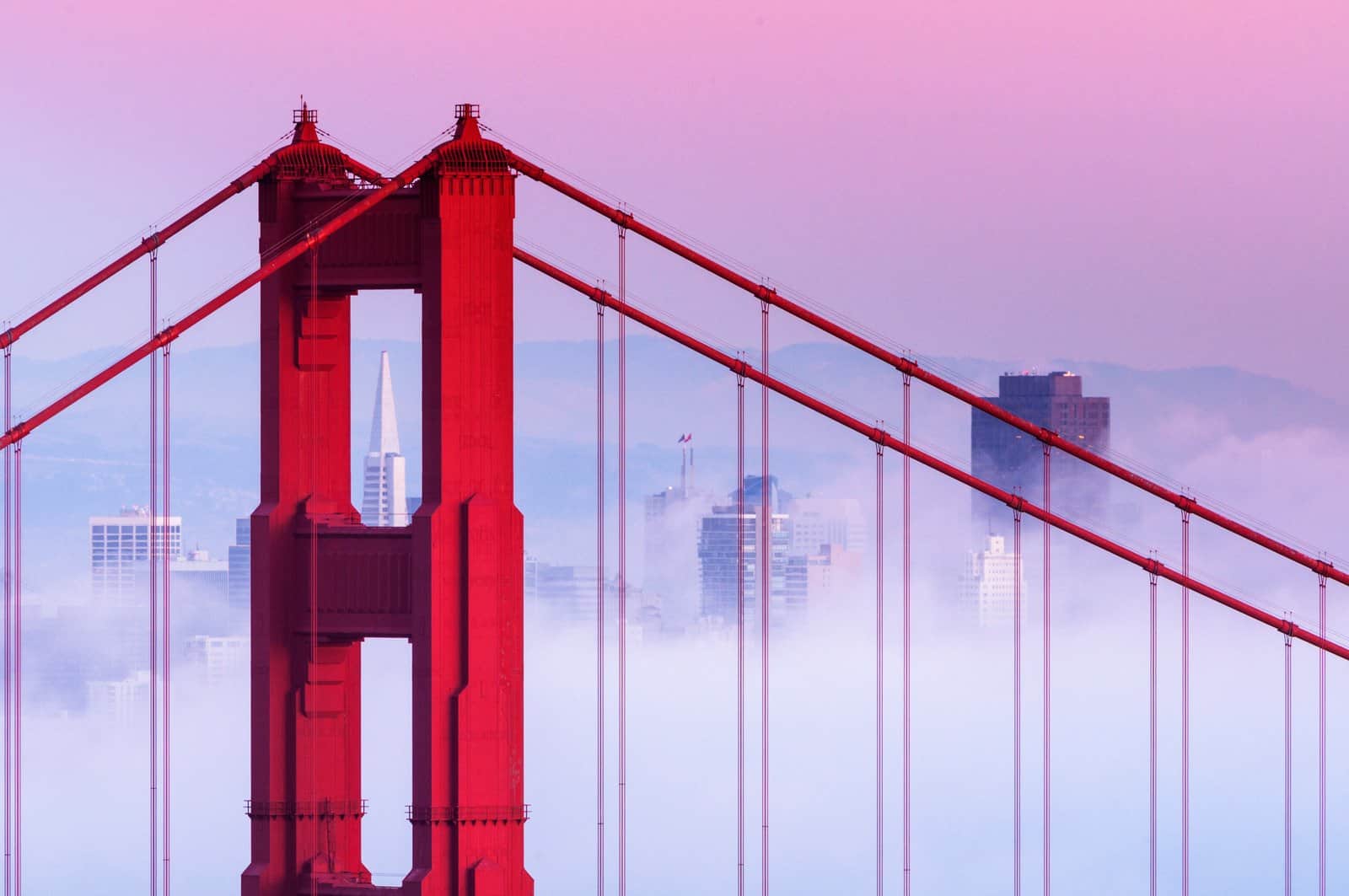
The bridge itself is the obvious draw, but the vantage point reveals details you miss from the standard viewpoints. You see the bridge's two main towers at a dramatic angle. You can trace the cables from anchor to anchorage. You can watch ship traffic moving through the Golden Gate strait, which adds a sense of activity and scale to the view. On foggy days, the bridge appears and disappears as the fog moves, which creates an entirely different mood than clear-day photos.
The fortification structures themselves are historically interesting. The concrete and steel remain solid, but nature has claimed much of the site. Wildflowers grow from cracks in the concrete in spring. The walls frame views of the bridge in unexpected ways if you position yourself carefully.
The broader Marin Headlands landscape is worth appreciating too. The headlands are a patchwork of grassland, chaparral, and coastal scrub. In spring, they turn green and wildflowers bloom. By late summer, they're golden brown. The light and colors change dramatically with the season and time of day.
History and background
Battery Cranston was part of the Harbor Defense of San Francisco, a system of fortifications built in the early 1900s to protect the Golden Gate. The battery was armed with coastal artillery meant to defend against naval attack. It operated during both world wars but never saw combat. The fortification was deactivated after World War II and has been abandoned ever since.
The Golden Gate Bridge opened in 1937, nearly four decades after the battery was built. The bridge was considered a major engineering feat at the time, and its completion transformed the Marin Headlands from an isolated military outpost into a location with dramatically increased visibility and accessibility. The headlands are now part of the Golden Gate National Recreation Area, which preserves them for public access and enjoyment.
Best time to visit
Spring brings green grass and wildflower blooms, making the headlands landscape vibrant. The light is often clear in April and May, which is ideal for photography. Summer brings reliable sunshine but also fog, particularly in the mornings and late afternoons. Fall offers the clearest light and the most stable weather, with minimal fog and comfortable temperatures. Winter is wet and often cloudy, but the rain brings lush vegetation and occasional dramatic light breaks.
For photography, early morning light (shortly after sunrise) and late afternoon light (an hour before sunset) tend to be best. The sun is lower and warmer, and shadows become more pronounced. Midday light is harsh and flat. Overcast days actually work well for certain types of photography because they eliminate harsh shadows, but they're less dramatic than clear days.
Weekday visits tend to be quieter than weekends. If you prefer solitude, visit on a Tuesday or Wednesday morning rather than Saturday afternoon.
Photography tips
The bridge's iconic profile is best captured with it centered in the frame but not filling the entire image. Include some of the headlands landscape or sky to give context. The bridge's color is International Orange, which stands out against blue sky and gray fog in distinctly different ways. On clear days, the color is vivid. In fog, it becomes ethereal.
The concrete structures of the battery create interesting foreground elements. Using them to frame the bridge in the background adds depth to your composition. Experiment with different angles by moving around the battery and looking through the gun emplacements and walls.
If you're shooting video or time-lapse, the battery offers multiple vantage points for moving camera angles. The wind can be strong, so stabilize your equipment carefully. Early morning often has calmer air than afternoon.
Facilities and preparation
Battery Cranston has no facilities. There are no restrooms, water fountains, benches, or shelter. The nearest facilities are at the Marin Headlands Visitor Center, which is about a 10-minute drive away. Bring water, as you may spend an hour or more exploring and photographing. Bring a jacket. The site is exposed to wind and weather with no protection.
The ground is uneven and sometimes muddy. Wear shoes with good traction and ankle support. The concrete ruins are old and sometimes crumbly. Don't touch or lean on anything that looks unstable. Keep children and pets close and supervised.
Cell service is generally available but can be spotty. Download a map of the area before you go in case you need navigation without relying on data.
Combining with nearby attractions
The Marin Headlands Visitor Center is the closest facility, offering restrooms, water, and information about hiking trails. Several excellent trails radiate from the headlands, including the Coastal Trail, which offers different views of the bridge and the bay. The Hawk Hill overlook is another popular spot for bridge photography, though it's more crowded than Battery Cranston.
Muir Beach, a small coastal hamlet, is about 10 minutes south. It's worth a quick stop if you want to see the bridge from a different angle at sea level. The town has a few cafes and shops.
If you're spending more time in the area, the Marin Headlands Loop Trail offers 4 to 5 hours of hiking with multiple viewpoints. It's a more substantial commitment than a quick visit to Battery Cranston but rewards you with a fuller picture of the headlands' geography.
Sample visit plan
Arrive at Battery Cranston early in the morning, around 8 or 9 am, to beat crowds and catch good light. Plan to spend 30 to 45 minutes exploring the site and taking photographs. If you're planning to hike, add another hour or two for a trail. Visit the Marin Headlands Visitor Center afterward for restrooms and information about other attractions in the area. If you want a meal, drive south to Muir Beach or return across the bridge to the Presidio, which has several cafes and restaurants.
Practical tips
- Bring water and a jacket. Weather changes quickly, and there's no shelter.
- Wear sturdy shoes with good traction. The ground is uneven and can be muddy.
- Visit early morning or late afternoon for the best light and fewest crowds.
- Download a map before arriving. Cell service is spotty.
- Don't climb on or lean against the old fortification structures. They're unstable and fragile.
- The parking lot fills on weekends. Arrive early or visit on a weekday.
- Bring a camera or phone with a charged battery. You'll want to photograph from multiple angles.
- The site is fully exposed. In summer, the fog can roll in unexpectedly. Be prepared to leave if weather turns dangerous.
FAQ
Is there a fee to visit Battery Cranston? No. The site is free and open to the public year-round during daylight hours.
Can I visit Battery Cranston at night? The site is not lit, and the ground is uneven. Visiting at night is not recommended and may violate park rules. Check with the Marin Headlands Visitor Center for current policies.
How long does a typical visit take? Most people spend 30 to 60 minutes. If you're taking photographs or exploring the trails, plan for 90 minutes to 2 hours.
Is the site accessible for people with mobility limitations? No. The site has no paved paths, and the terrain is rough. The old fortification structures are not accessible.
What's the best time of year to photograph the Golden Gate Bridge from this location? Fall offers the clearest light and most stable weather. Spring is vibrant but can be cloudy. Summer has reliable sunshine but also morning and evening fog.
Opening hours
Reviews
Sign in and mark this place visited to leave a review.
No reviews yet.
Free Trip Planner
Plan your San Francisco trip with our free planner
Build a day-by-day itinerary with AI suggestions, hand-picked places, and friends. Free forever — no credit card.
Related reading
Things to see near Golden Gate Bridge Rooftop View


Places to eat or drink near Golden Gate Bridge Rooftop View


More places in San Francisco

Harborview Restaurant & Bar

Golden Gate Bridge Vista Point

Altamirano Restaurant & Bar
