Golden Gate Bridge Vista Point
Golden Gate Bridge Vista Point, San Francisco, CA 94129, USA Posted by bazartravelsTraveler
Golden Gate Bridge Vista Point
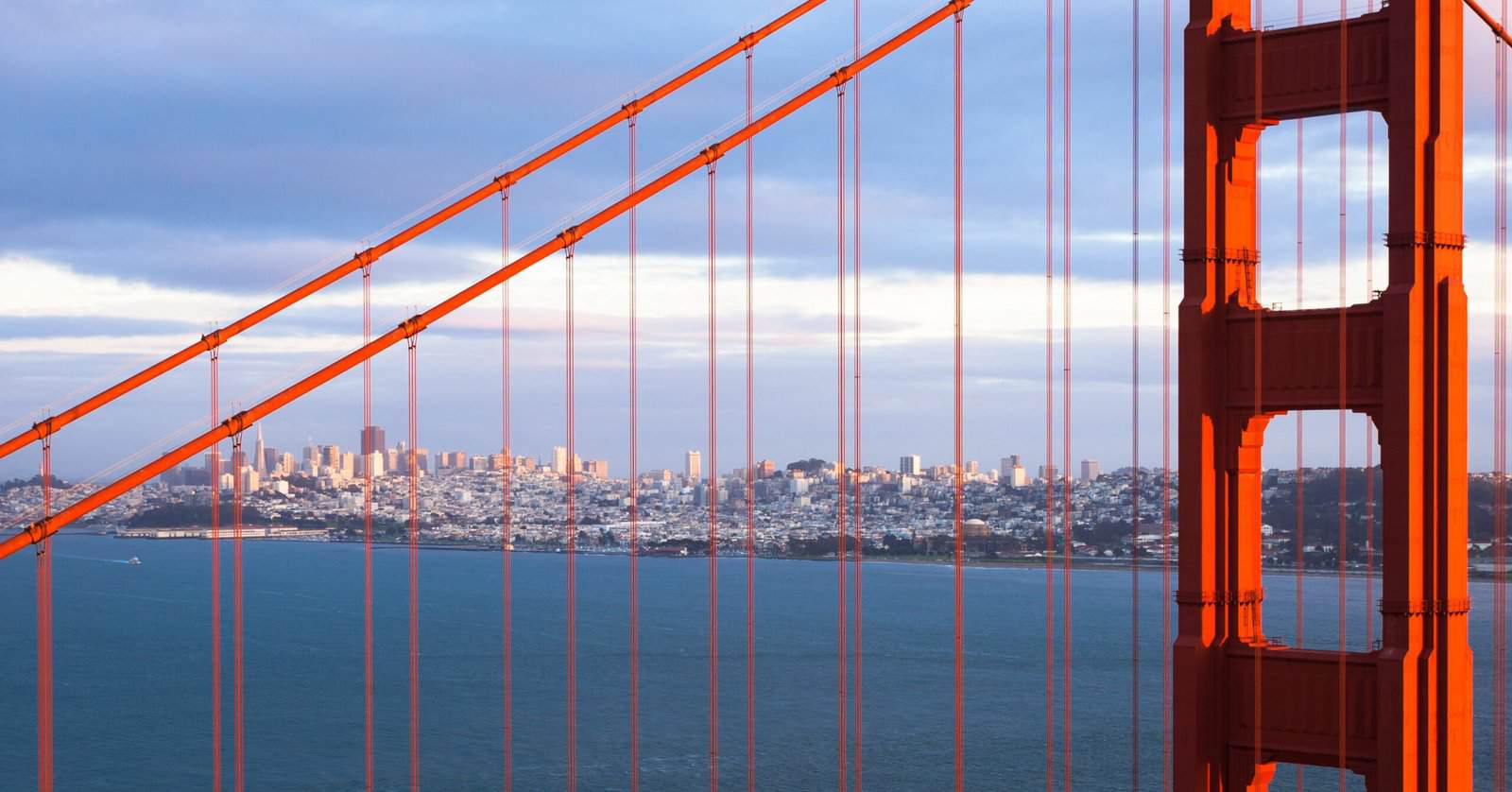
Golden Gate Bridge Vista Point sits on the northern edge of the Golden Gate Strait, offering the most direct and unobstructed view of San Francisco's most iconic landmark. From this overlook, you see the bridge's International Orange towers rising against the bay, the Marin Headlands rolling behind it, and on clear days, the city skyline stretching across the peninsula to the south. The vista point itself is a paved parking area and pedestrian platform positioned roughly 200 feet above sea level, designed specifically for visitors who want to photograph, study, or simply absorb the bridge without needing to walk it.
This is not a museum or ticketed attraction. It's a viewpoint, which means no admission, no hours of operation, and no crowds inside a building. You can arrive at dawn or midnight. Most visitors spend between 15 and 45 minutes here, depending on whether they're taking photographs, eating a snack, or watching the light change.
Why this place matters
The Golden Gate Bridge Vista Point serves a specific purpose in the San Francisco visitor experience. It lets you see the bridge from a vantage that the bridge itself does not provide. If you walk or bike the bridge, you're on it, surrounded by it, aware of its scale but not able to see it whole. From the vista point, you step back and comprehend the structure as an object, a piece of engineering and design that connects two landmasses across a strait that was once impassable.
The spot also marks a threshold. It sits just inside Marin County, on the north side of the bridge. Many San Francisco visitors never cross the bridge at all. This viewpoint gives you the psychological and literal vantage of having reached the other side, even if just for a moment.
Quick facts
- Free entry, open 24 hours
- Located on Highway 101, north of the bridge, approximately 5 miles from downtown San Francisco
- Large paved parking area with capacity for roughly 75 vehicles
- No facilities inside the vista point itself, though restrooms and food vendors operate nearby in the Marin Headlands
- Best light conditions typically occur between 9 a.m. and 3 p.m., depending on season and weather
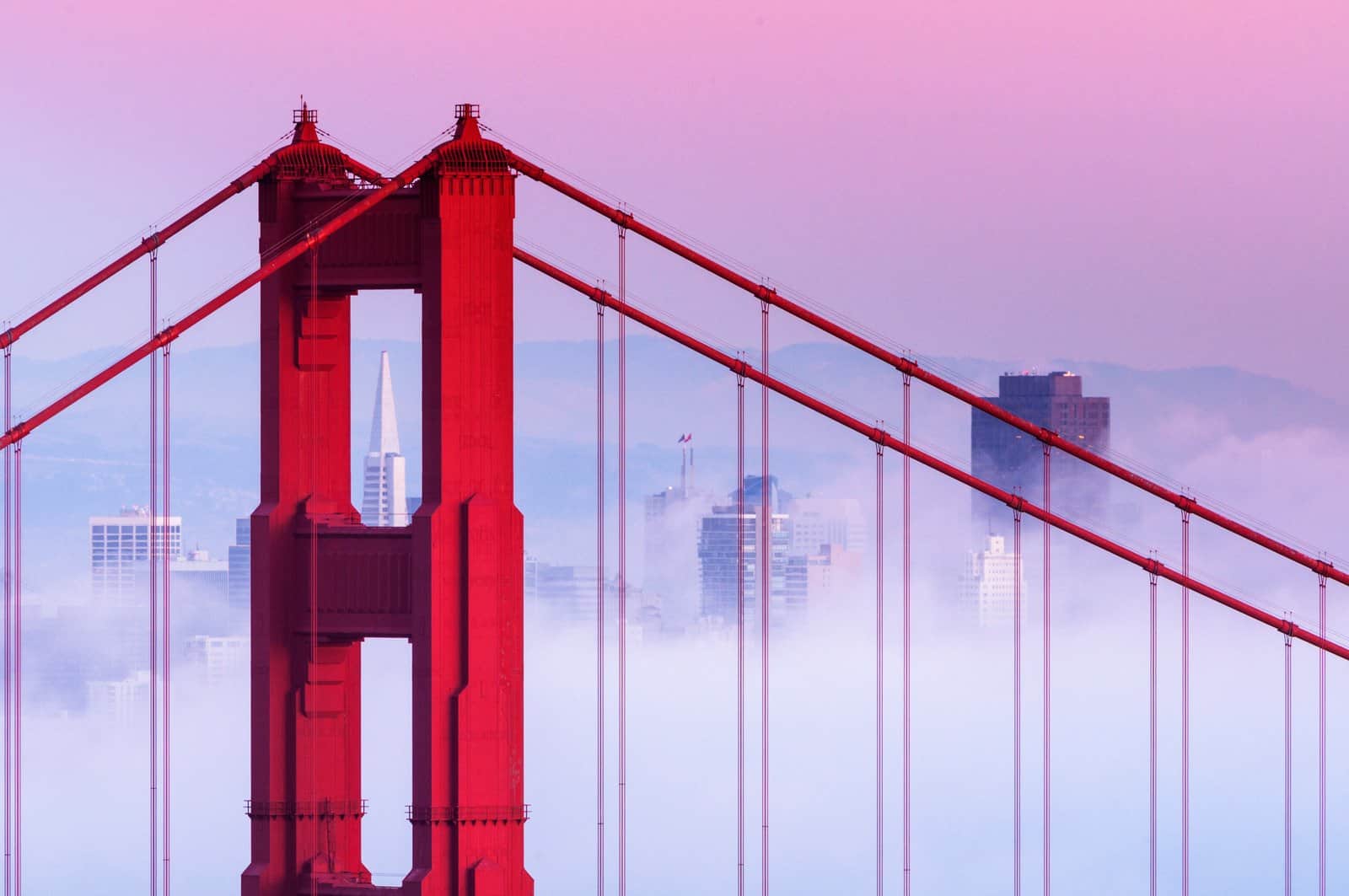
- Fog is common, especially May through August
Getting there
From downtown San Francisco, take Highway 101 north toward Marin County. Cross the Golden Gate Bridge itself. Immediately after the bridge, you'll see signs for the vista point. Take the right exit into the parking area. The entire drive from the Ferry Building in downtown is roughly 20 to 30 minutes, depending on traffic.
If you're using public transit, the Marin Transit Golden Gate Bridge Bus (Route 101) stops at the vista point. From the San Francisco side, you can board on the bridge itself or at the Ferry Building transit terminal. The bus ride is roughly 45 minutes from downtown.
Parking is free. The lot tends to fill on weekends, especially during late morning and early afternoon, and during summer months. If the main lot is full, you can often find street parking on the shoulder of Highway 101 nearby, though this is less convenient and requires careful navigation.
The layout and experience
The vista point is straightforward in design. You park, you walk to the railing, you look north and west toward the bridge. There's a paved plaza with a low concrete wall that serves as both a safety barrier and a leaning post for photographers.
The viewing platform is exposed to wind and weather. If the Pacific wind is strong, it can be difficult to hold a camera steady or to hear someone speaking next to you. Bring a jacket even on warm days. The platform itself has no shade. If you arrive midday in summer, the sun will be direct and bright.
A small gift shop and cafe operate at the vista point, selling snacks, coffee, and basic souvenirs. Hours vary seasonally. The food is standard tourist-tier pricing and quality. If you want a more substantial meal, drive a few minutes back toward Sausalito or into the Marin Headlands.
Main highlights
The bridge itself is the highlight. From this angle, you see the main suspension span, the two towers, and the approach spans extending toward both the San Francisco and Marin shores. The International Orange color becomes clear and vivid, especially when the sky is overcast or blue. On very clear days, you can see individual cars crossing the bridge.
The second highlight is the view of the Marin Headlands. These are the dramatic, rolling hills directly behind the bridge's north tower. They're part of the Golden Gate National Recreation Area and are often green in winter and spring, golden or brown in late summer and fall.
Depending on the time of day and weather, the city skyline is visible to the southeast. You see the tops of buildings in downtown San Francisco, occasionally the Bay Bridge in the distance, and sometimes the hills of Oakland beyond the bay.
The water itself is worth watching. The strait beneath the bridge is one of the deepest and most powerful tidal passages in the world. You can often see whirlpools, tide rips, and the meeting of currents from the bay and the ocean. Occasionally, ships pass through, giving a sense of scale to the bridge's span.
History and background
The Golden Gate Bridge opened in 1937. Construction began in 1933 and took four years. At the time it opened, it was the longest suspension bridge span in the world. The chief engineer was Joseph Strauss, though the iconic design is credited to Irving Morrow, a consulting architect who proposed the International Orange color and refined the visual proportions.
The vista point itself was developed as a public viewpoint in the years following the bridge's opening. It was formalized as part of highway improvements in the 1950s and has been maintained by the California Department of Transportation and various park agencies since.
The name "Golden Gate" refers not to the bridge but to the strait itself. The strait was named by explorer John C. Frémont in 1846, inspired by the way sunlight seemed to gild the water at certain times of day. The bridge inherited the name.
Best time to visit
Clear days are ideal, but clear days are less common than you might expect. The bridge sits at the mouth of a funnel that directs cold Pacific water into the bay. This creates fog, especially in summer. From May through August, expect fog most mornings and late afternoons. It often burns off by midday, but not always.
Winter and early spring tend to have more clear days. November through March offers the best odds of unobstructed views, though you'll be cold and the sun will be lower in the sky.
Time of day matters more than season. Morning light (7 a.m. to 10 a.m.) tends to be softer and the air clearer. Afternoon light (2 p.m. to 4 p.m.) is harsher but often clearer as well. Sunset brings dramatic colors but also crowds and backlighting that can make photography challenging.
Avoid weekends if you're seeking a quiet experience. Weekday mornings, especially mid-week, tend to be calmer. Tourist season runs roughly May through September, so expect more people during those months.
Photography tips
The vista point is one of the most photographed viewpoints in the world. Nearly every angle has been shot thousands of times. If you're looking for a unique photograph, consider arriving at an unusual time. Early morning in winter, for example, tends to have fewer people and softer light. Fog, while obscuring, can also create dramatic silhouettes and layers.
Wide-angle lenses work best. The bridge is so large that a standard focal length often can't capture it all in one frame without stepping back into the parking area. Bring a tripod if you want to shoot at slower shutter speeds or if you want a self-portrait with the bridge.
Polarizing filters reduce glare off the water and deepen the blue of the sky. Neutral density filters let you shoot at slower shutter speeds in bright daylight, which can smooth water and clouds.
The railing itself casts a shadow. If you're photographing during midday, be aware of where the shadow falls relative to your subject. If you're shooting the bridge at sunset, position yourself so the sun is behind the bridge, not in front of it, to avoid severe backlighting.
Facilities and preparation
The vista point has a bathroom facility near the parking area. It's free and generally clean, though cleanliness varies with time of day and season. There is no drinking water fountain at the vista point itself. The gift shop and cafe sell bottled water.
There is no shelter from wind or sun. Bring a jacket, sunscreen, and a hat. If you're planning to spend more than 20 minutes, bring water and perhaps a snack. The cafe's prices are typical for tourist areas, so bringing your own food can save money.
Cell phone service is reliable. The parking area has good coverage from major carriers. There is free Wi-Fi available through some local networks, though it's not guaranteed.
Combining with nearby attractions
The Marin Headlands are a five-minute drive away. This is a network of trails and overlooks managed by the National Park Service. Point Bonita Lighthouse is reachable via a short walk through the headlands. The Headlands offer additional views of the bridge and the coast.
Sausalito, a waterfront town, is roughly 10 minutes south by car. It has restaurants, shops, and a more walkable, village-like atmosphere than the vista point itself.
The bridge itself is accessible via the pedestrian and bicycle path. From the vista point, you can return to the bridge and walk or bike across it. The pedestrian path is on the eastern side (facing the bay) and is separated from vehicle traffic. The walk across is roughly 1.7 miles one way and takes about 30 to 45 minutes depending on pace and stops.
If you want to visit the bridge's visitor center and museum, that's located on the San Francisco side, just south of the bridge. It's a ticketed facility with exhibits on the bridge's history and engineering.
Sample visit plan
Arrive at the vista point early morning, around 8 a.m., before crowds build. Spend 20 to 30 minutes photographing or observing the bridge and the strait. Have coffee or breakfast at the cafe. If the Marin Headlands interest you, drive there next for a short hike. If you want to walk the bridge, return to the San Francisco side and park near the bridge's visitor center, then cross on foot.
Alternatively, combine the vista point with a drive through the Marin Headlands, then lunch in Sausalito. This makes a half-day excursion from San Francisco.
Practical tips
- Wind is constant and often strong. Secure loose items in your car or bag.
- Parking fills quickly on weekends and tourist season. Arrive before 10 a.m. to ensure a spot in the main lot.
- The vista point is accessible 24 hours, but the parking lot may be gated or monitored during late night hours. Check current access times before visiting after sunset.
- If you have a car, this is a straightforward stop. If you're using transit, allow extra time and check the bus schedule in advance.
- The railing is sturdy and well-maintained, but it's a busy roadside location. Keep children and pets close.
- The vista point is not wheelchair accessible in terms of the parking area and platform being completely flat, but the main viewing area is paved and navigable for most mobility levels.
FAQ
Do I need a ticket to visit the Golden Gate Bridge Vista Point? No. The vista point is free and open 24 hours. There's no admission or reservation required. You simply park and walk to the viewing platform.
Is the vista point the same as the bridge's visitor center? No. The vista point is a roadside overlook on the Marin side of the bridge. The visitor center is a ticketed museum on the San Francisco side, just south of the bridge. They are separate facilities.
Can I walk from the vista point across the bridge? You cannot walk from the vista point onto the bridge. The pedestrian and bicycle path is accessible from the San Francisco side of the bridge. From the vista point, you'd need to drive back to the San Francisco side, park near the visitor center, and begin your walk from there.
How long should I plan to spend at the vista point? Most visitors spend 15 to 45 minutes. If you're just taking a few photographs, 20 minutes is sufficient. If you're sketching, writing, or watching the light change, you might stay longer.
What's the best season to visit? Winter and early spring (November through March) offer the clearest views. Summer is popular but often foggy. Autumn (September through October) is a good compromise: fewer crowds than summer and often clearer than spring.
Reviews
Sign in and mark this place visited to leave a review.
No reviews yet.
Free Trip Planner
Plan your San Francisco trip with our free planner
Build a day-by-day itinerary with AI suggestions, hand-picked places, and friends. Free forever — no credit card.
Related reading
Things to see near Golden Gate Bridge Vista Point


Places to eat or drink near Golden Gate Bridge Vista Point


More places in San Francisco

Harborview Restaurant & Bar

Altamirano Restaurant & Bar

Comstock Saloon