Grand Canyon Visitor Center
Grand Canyon, Arizona 86023, United States Posted by Brandon B.Admin
What to Expect at Grand Canyon Visitor Center
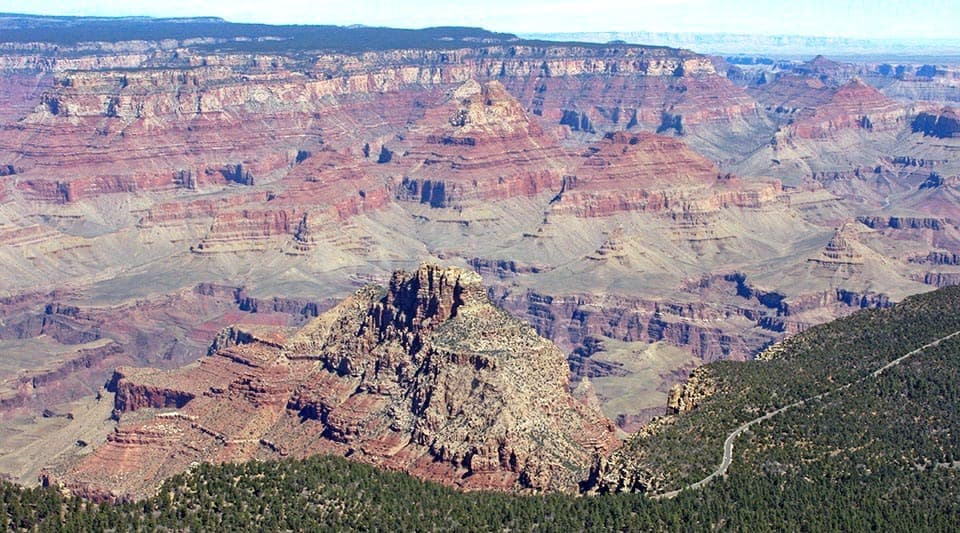
The Grand Canyon Visitor Center sits at the South Rim and serves as the main orientation hub for one of the most visited national parks in the United States. If you've just driven in through the south entrance or stepped off the free shuttle, this is where most people get their bearings before heading to the rim itself. It's less than a five-minute walk from Mather Point, which offers one of the most sweeping first views of the canyon you'll find anywhere along the South Rim.
The center doesn't compete with the canyon for attention. It's designed to prepare you for the landscape ahead, and it does that job well.
Why the Grand Canyon Visitor Center Matters
Most people underestimate how disorienting the Grand Canyon can be on arrival. The scale is genuinely hard to process. The visitor center gives you context before you step to the edge, including exhibits on the geology of the canyon, the Colorado River below, and the Indigenous peoples who have called this region home for thousands of years.
Rangers are stationed here daily, and that matters more than it sounds. A five-minute conversation with a ranger can reshape your entire itinerary. They know which trails are icy in March, which viewpoints are quietest after 4pm, and whether a particular overlook is worth the detour given how much time you have.
Quick Facts
- Located at Grand Canyon Village on the South Rim, near Mather Point
- Open daily, including most federal holidays
- Free to enter once you've paid the park admission fee
- Houses a bookstore operated by the Grand Canyon Conservancy
- Serves as a major stop on the free Village Route shuttle
- Ranger-led programs and talks are offered regularly from the plaza
- Accessible facilities including restrooms and a water-bottle filling station
Getting There
If you're arriving by car, the South Entrance near Tusayan is the most common route. From there, the visitor center is roughly a 10-minute drive north along Highway 64 into Grand Canyon Village. Parking fills quickly, especially between May and October. The large parking area near the visitor center tends to reach capacity by mid-morning on busy days, so arriving before 9am gives you a real advantage.
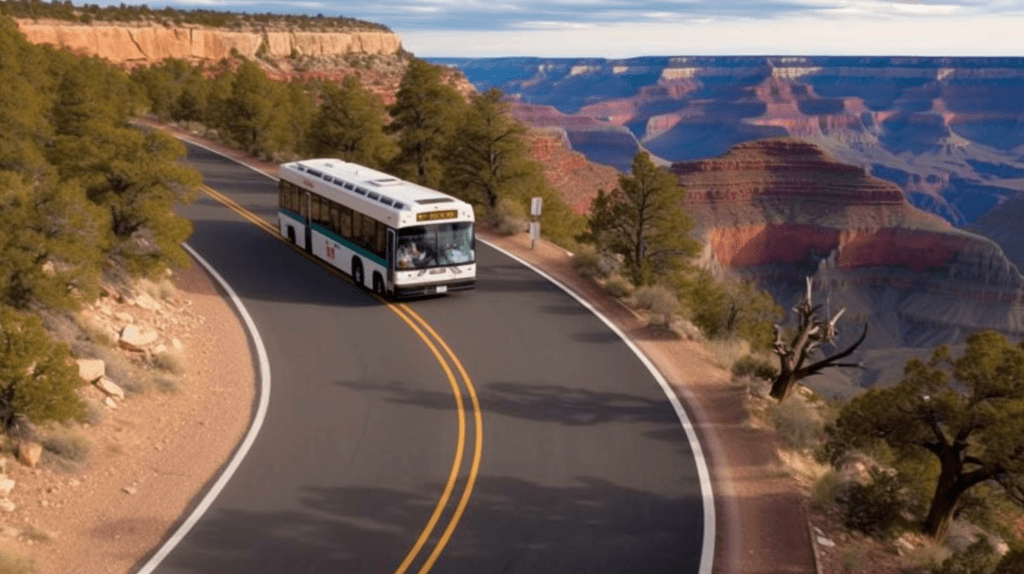
The free shuttle system connects the visitor center to most of the South Rim's major viewpoints and trailheads. The Kaibab Rim Route stops right outside and can take you east toward Yaki Point, while the Village Route connects west toward Hermits Rest Road. If you're staying in Flagstaff, about 80 miles south, the Arizona Shuttle and other services offer seasonal transport to the park.
The Grand Canyon Railway, which runs from Williams, Arizona, deposits passengers at the historic Grand Canyon Depot in Grand Canyon Village, roughly a 10-minute walk from the visitor center.
The Layout and Experience
The building itself is modern and functional. Inside, you'll find interpretive exhibits covering the canyon's geology, including the layers of sedimentary rock that took hundreds of millions of years to form. There's a theater that screens an orientation film, which is worth 20 minutes of your time if you're visiting for the first time. The film gives you a sense of the canyon's scale and the park's trail systems before you're standing at the rim trying to figure out where to go.
The Grand Canyon Conservancy bookstore attached to the visitor center is genuinely good. It stocks detailed trail maps, geology guides, photography books, and children's titles, plus ranger-curated reading lists. It's one of the better national park bookstores in the country.
Outside, the plaza area connects directly to the Rim Trail, which runs paved and mostly flat along the South Rim for several miles in both directions. You can walk to Mather Point in under five minutes from the front entrance.
History and Background
The Grand Canyon became a national park in 1919, though it had been designated a national monument by President Theodore Roosevelt in 1908. The South Rim has hosted visitors in an organized way for over a century, and the infrastructure around Grand Canyon Village reflects that layered history. The current visitor center replaced older facilities and was designed to consolidate services that had been scattered across the village.
The canyon itself is approximately 277 miles long, up to 18 miles wide in places, and reaches depths of over a mile. Those numbers are recited often, but standing at the rim still makes them feel inadequate.
Tickets and Entry
Entry to Grand Canyon National Park requires a fee, paid at the entrance station or in advance through Recreation.gov. The visitor center itself has no separate admission charge. The park accepts the America the Beautiful annual pass, which covers entry for a full calendar year and pays for itself quickly if you visit more than two or three national parks in a year.
Timed entry permits have been piloted at the South Rim during peak season to manage overcrowding, so it's worth checking the official National Park Service website before you go, especially if you're planning a summer visit.
Best Time to Visit
Spring and fall tend to offer the most comfortable conditions for spending real time at the rim and on the trails. September and October bring cooler temperatures and thinner crowds than the summer peak. Summer draws the largest visitor numbers, and the heat at the canyon floor can be dangerous for anyone attempting inner canyon hikes without proper preparation.
The visitor center itself is less weather-dependent than the trails, but if you want to avoid the densest crowds inside the building, arriving early in the morning or in the late afternoon works well. Midday in July, the place is packed.
Photography Tips
The visitor center itself isn't a primary photography subject, but the plaza and its proximity to Mather Point make it a useful staging ground. Mather Point faces roughly east-southeast, which means early morning light catches the inner canyon walls at a low angle and brings out the reds and oranges in the rock. Sunset photographers tend to cluster at Hopi Point and Mohave Point further west along Hermit Road.
If you want a shot without a crowd, consider walking just a few minutes east or west from the main overlooks. Even a hundred yards off the most popular platforms can put you in a quieter spot.
Combining with Nearby Attractions
The visitor center is a natural starting point for a full South Rim day. From the plaza, you can walk or shuttle to Yavapai Geology Museum, which sits about a mile west and offers some of the best interpretive signage about the canyon's rock layers. The historic El Tovar Hotel, built in 1905 and perched almost at the canyon's edge, is worth seeing even if you're not staying there. Bright Angel Trailhead is a short shuttle ride or walk away and gives you a sense of what descending into the canyon actually involves.
If you have a second day, the Desert View Drive runs 25 miles east along the rim to Desert View Watchtower, a 1932 structure designed by architect Mary Colter that draws on Indigenous architectural traditions and offers a panoramic view from its upper level.
Practical Tips
- Download the NPS Grand Canyon app before you arrive. It works offline and includes trail maps and shuttle schedules.
- Drinking water is available at the visitor center. Fill up before heading onto any trail.
- Cell service is inconsistent inside the park. Don't rely on navigation apps once you're on the road into the village.
- The free shuttles run on a regular loop and are generally faster than driving during peak season, when parking is scarce.
- If you're hiking below the rim even a short distance, carry more water than you think you need. The canyon heats up fast and the climb back is harder than the descent.
- The bookstore is a good place to pick up a waterproof trail map. It's a small investment that pays off.
- Ranger talks at the plaza are free and happen most days during peak season. Check the schedule posted inside the center.
FAQ
Do I need a reservation to visit the Grand Canyon Visitor Center?
The visitor center itself doesn't require a reservation. However, the park has used timed entry systems during peak periods, so check the National Park Service website ahead of your visit if you're going between May and September.
How long should I plan to spend at the visitor center?
Most people spend between 30 minutes and an hour inside, including the orientation film and a browse through the bookstore. Factor in more time if you want to speak with a ranger about your itinerary.
Is the Grand Canyon Visitor Center accessible for mobility needs?
Yes. The building and the paved Rim Trail connecting to Mather Point are accessible. The park also offers free accessibility permits for vehicles and can provide more detailed information at the entrance station.
Can I eat near the visitor center?
There are dining options within Grand Canyon Village, a short walk or shuttle ride away. The Bright Angel Restaurant and the El Tovar Dining Room are both within reasonable distance, covering budget-friendly and upscale options respectively.
Reviews
Sign in and mark this place visited to leave a review.
No reviews yet.
Free Trip Planner
Plan your Arizona trip with our free planner
Build a day-by-day itinerary with AI suggestions, hand-picked places, and friends. Free forever — no credit card.