

Italy on the map
80 places from this guide. Tap a pin to open the listing.
Italy Travel Guide Overview
Italy is one of the most sought after countries in Europe. The food, the wine, the culture, and the warm European vibe makes it pretty awesome.
The best time to go to Italy is from April to June or between September to October, when the weather is at its best and the crowds aren’t as bad. Peak season of travel in Italy is from May and June and can get very crowded.
We hope this Italy travel guide can help you plan your trip, learn about the must-see places in the Netherlands, give you travel tips and ensure you make the most out of your trip to the Italy.
Italy Travel Guide: Popular Destinations
Naples – A beautiful city located amidst a stunning view of the sea. Part of UNESCO World Heritage Sites, this lovely city is the birth place of everyone’s favorite — pizza!
Florence – A home of iconic architectural structures and art. You’d be surprised at how many times Florence is mentioned in your art history classes.
Pisa – Home to the Leaning Tower of Pisa with a lot of beautiful history.
Venice – No doubt the most romantic city in the world. Famous celebrities (like George Clooney) get married in Venice.
Rome – The capital city of Italy is also a home to many iconic structures like the Colosseum and the Pantheon . You can literally find a breathtaking sight on every corner!
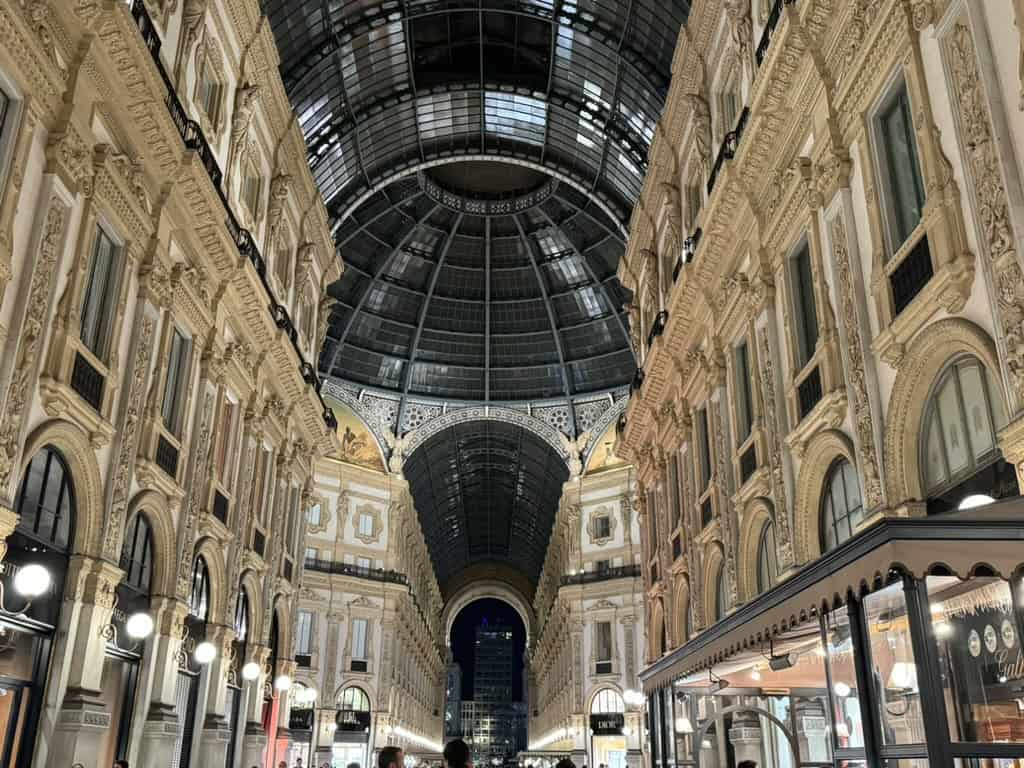
Milan – For those who love fashion, Milan is definitely the place to be.
Amalfi coast – A beautiful stretch of coastline along the southern edge of Italy’s Sorrentine Peninsula.
Cinque Terre: This collection of five fishing villages nestled along the rugged Italian Riviera offers awe-inspiring views, colorful houses, and scenic hiking trails that wind through vineyards and olive groves.
Sicily: Italy’s largest island, Sicily, combines Greek and Roman ruins, Baroque architecture, and stunning beaches. Delight in the vibrant markets, ancient temples, and the iconic Mount Etna.
Italy Travel Guide: How to Get There
Whether you prefer flying, train travel, or cruising, this article will provide you with the necessary information to embark on your Italian adventure.
Flying to Italy
Flying is the most common and convenient way to reach Italy from international destinations. Italy boasts numerous airports, including major international hubs and regional airports. Tons of regular and budget airlines fly into Italy.
Here are some of the popular airports in Italy that are frequently chosen as entry points for international travelers:
Leonardo da Vinci-Fiumicino Airport (FCO) – Rome: Located in the capital city, Rome, Fiumicino Airport is Italy’s busiest airport and serves as a major hub for international flights. It offers excellent connectivity to destinations worldwide.
Milan Malpensa Airport (MXP) – Milan: Situated near Milan, Malpensa Airport is one of the largest airports in Italy and a significant international gateway. It serves as a primary arrival point for travelers visiting northern Italy.
V enice Marco Polo Airport (VCE) – Venice: Located on the mainland, Marco Polo Airport is the primary airport serving Venice, one of Italy’s most enchanting cities. It offers convenient access to the Venetian lagoon and surrounding areas.
Naples International Airport (NAP) – Naples: Naples Airport serves as a crucial point of entry for travelers exploring southern Italy, including the stunning Amalfi Coast, Pompeii, and the island of Capri.
Florence Airport (FLR) – Florence: Located just a short distance from the city center, Florence Airport is a popular choice for travelers visiting the beautiful region of Tuscany. It offers convenient access to Florence’s renowned art and architecture.
Bologna Guglielmo Marconi Airport (BLQ) – Bologna: Bologna Airport serves as a gateway to the charming city of Bologna and the Emilia-Romagna region. It is well-connected to several European destinations and offers convenient onward travel options.
Traveling by Train
For travelers in Europe, train travel can be an enjoyable and scenic option to reach Italy. Italy is well-connected to its neighboring countries through an extensive rail network. Here are some useful resources and companies for train travel:
- Trenitalia: Italy’s national railway company, Trenitalia, operates high-speed trains (Frecciarossa, Frecciargento, and Frecciabianca) that link major Italian cities as well as international destinations like France, Switzerland, and Austria.
- Eurail: Eurail offers a convenient pass that allows unlimited train travel within Italy and other European countries, providing flexibility for travelers exploring multiple destinations.
Cruising to Italy
If you’re seeking a unique and leisurely travel experience, cruising to Italy can be an excellent option. Italy has numerous ports along its coastline that serve as gateways for cruise ships. Here are a few notable cruise lines offering trips to Italy:
- MSC Cruises: MSC Cruises offers a variety of itineraries, including Mediterranean cruises that frequently visit Italian ports like Venice, Naples, and Genoa.
- Costa Cruises: Costa Cruises provides a range of cruises departing from various Mediterranean ports, offering opportunities to explore Italy’s stunning coastal cities.
- Royal Caribbean International: Royal Caribbean offers Mediterranean cruises that often include stops in iconic Italian destinations such as Rome, Florence, and Sicily.
Italy Travel Guide: Getting Around
Trains
This is my recommended way of getting around Italy has an extensive and efficient train network, making it an excellent option for getting around the country. The national railway company, Trenitalia, operates both regional and high-speed trains, connecting major cities and smaller towns. Sample commute times include:
- Rome to Florence: Approximately 1 hour and 30 minutes by high-speed train (Frecciarossa).
- Milan to Venice: Approximately 2 hours by high-speed train (Frecciarossa or Italo).
- Naples to Sorrento: Approximately 1 hour by regional train.
- Bologna to Cinque Terre (La Spezia): Approximately 2 hours and 30 minutes by regional train.
Buses
Buses are another affordable and widespread mode of transportation in Italy, offering connectivity to both major cities and remote areas. Several bus companies operate throughout the country, including:
- FlixBus (https://www.flixbus.com/): FlixBus provides extensive bus routes connecting various Italian cities and international destinations. Sample commute times include:
- Milan to Turin: Approximately 1 hour and 30 minutes.
- Rome to Naples: Approximately 2 hours and 30 minutes.
- Florence to Pisa: Approximately 1 hour.
By Car
Renting a car in Italy offers flexibility, especially when exploring remote areas and picturesque countryside. Many international car rental companies, as well as local providers, are available. Keep in mind that traffic and parking in major cities can be challenging. Sample drive times include:
- Rome to Amalfi Coast: Approximately 3 hours.
- Florence to Tuscany’s Chianti Region: Approximately 1 hour.
- Milan to Lake Como: Approximately 1 hour and 30 minutes.
Flying
Domestic flights can be particularly beneficial when covering longer distances or when time is limited, allowing you to maximize your exploration of different regions in Italy. Italy has a well-developed domestic flight network, allowing for quick and convenient travel between major cities and regions. Several airlines operate domestic flights within Italy, including:
- Alitalia (https://www.alitalia.com/): Italy’s national carrier, Alitalia, offers domestic flights connecting major cities such as Rome, Milan, Venice, Florence, and Naples.
- Ryanair (https://www.ryanair.com/): Ryanair is a low-cost airline that provides domestic connections between several Italian cities, including Rome, Milan, Bologna, Pisa, and Catania.
- EasyJet (https://www.easyjet.com/): EasyJet operates domestic flights to and from Italy, offering connections to cities like Rome, Milan, Venice, Naples, and Palermo.
Sample travel times by plane within Italy include:
- Rome to Milan: Approximately 1 hour.
- Venice to Naples: Approximately 1 hour and 30 minutes.
- Florence to Palermo: Approximately 2 hours.
Scooters and Bicycles
In cities like Rome and Florence, scooters and bicycles are popular choices for short-distance travel. Rental services are widely available, allowing you to experience the charm of Italian streets while avoiding traffic congestion. Sample travel times are dependent on distance and local traffic conditions.
If you are looking for an excellent private driver experience I recommend Umberto and his team at Italy Driver.
Italy Travel Guide: Travel Tips
Make reservations. Dining in Italy is a totally different experience. Italians take cooking very seriously and their food is considered some of the best in the world. Make sure to research what to eat and where to dine. Some restaurants, especially the famous ones or those who are Michelin starred, require advance reservations.
P lan in Advance: This goes hand in hand with the above tip. Italy is a popular tourist destination, so it’s advisable to plan your trip in advance, especially for visiting major attractions, booking accommodations, and securing tickets for popular sites. I recommend skip-the-line tickets for everything.
Don’t act reckless . Be aware of your surroundings at all times and don’t forget about your personal belongings while taking in the sights. Italy is a beautiful place but there are still a lot of skillful pick-pocketers around places frequented by tourists. Don’t get too drunk and irresponsible as you will be a likely target.
Don’t be surprised if some of the establishments are closed at noon . Europeans treasure their afternoon time very seriously. Siesta time or Reposo is practiced by most establishments and key places of interests in Italy – even churches. They allow an afternoon break for them to be able to relax or even take a nap. This could be hard to tourists who are on a tight schedule but it’s their culture and we should respect it.
E njoy Local Cuisine: Italy is renowned for its delicious food. Don’t miss the opportunity to indulge in authentic Italian cuisine, try regional specialties (like horse in Verona), and explore local markets for fresh produce, cheese, and wine.
Dress Comfortably and Modestly: Italians tend to dress well and appreciate a sense of style. When visiting churches or religious sites, ensure your attire is modest and respectful. Comfortable shoes are a must for exploring Italy’s cobblestone streets.
E xplore Beyond the Main Cities: While cities like Rome, Florence, and Venice are popular, consider venturing off the beaten path if you have time to discover charming towns, countryside vineyards, and picturesque coastal villages for a more authentic experience of Italy.
Italy Travel Guide: Typical Costs
Accommodation
- Budget: Hostels and budget hotels are a good option for budget travelers. They can range from €20 – €50 per night depending on the city. For example, in Rome, a bed in a dorm room might cost about €20-€30, while in less touristy regions it can be as cheap as €15.
- Mid-Range: Comfortable, well-located hotels, guesthouses, and Bed & Breakfasts typically cost between €60 – €150 per night. This range allows for more amenities and often includes breakfast.
- Luxury: High-end hotels and luxury vacation rentals range from €200 to €500+ per night. In cities like Venice and Florence, staying in a 5-star hotel such as the St. Regis or Four Seasons could cost upwards of €800 per night.
Food
- Budget: For those on a budget, expect to spend around €10 – €20 per day on food. This would include a coffee and pastry for breakfast, pizza slice or sandwich for lunch, and a pasta dish for dinner from a casual trattoria.
- Mid-Range: In mid-range restaurants, a meal could cost between €20 – €40. This includes places where you can get a three-course meal or a nice dinner at a local restaurant.
- Luxury: High-end dining at gourmet restaurants will cost €100+ per person. This includes places such as Michelin-star restaurants in Rome or Florence, where a multi-course tasting menu can easily cost €200 without wine.
Transportation
- Budget: Budget travelers can rely on public transportation. City metro/bus tickets range from €1.50 – €2.50 per ride. Intercity trains can cost as low as €20 – €50, depending on the distance and train type.
- Mid-Range: For more comfort and convenience, consider renting a car or taking high-speed trains between cities. Car rentals can start from around €30 per day, while high-speed trains like the Frecciarossa can range from €50 to €90 for a trip from Rome to Florence.
- Luxury: Private transfers, taxis, or first-class train compartments fall into the luxury category. First-class train tickets can cost upwards of €200, depending on the distance. Private transfers or taxis will depend on the length and duration of the journey but expect to pay from €50 for a short city ride to €500+ for a longer intercity transfer.
Remember that these prices can vary based on season, location, and personal preference. It’s always good to check and compare prices in advance.
Italy Photos
FAQ
How many days do you need in Italy?
Plan at least ten days to see Rome, Florence and Venice without rushing, and two weeks if you want to add the Amalfi Coast or Cinque Terre. High-speed trains link the major cities quickly, but each deserves at least two full days. Add more time for Sicily, which is a trip of its own.
Is Italy expensive?
Italy can suit most budgets, but costs swing widely by city and season. Venice, Florence and Rome cost the most, especially for central hotels and top restaurants, while smaller towns and southern regions are cheaper. Eating casually, using regional trains and staying in hostels keeps costs down. Prices rise in peak season, so compare options before booking.
Is Italy safe for tourists?
Yes, Italy is generally safe for tourists, and the main risk is petty theft rather than violent crime. Pickpockets work crowded sights, stations and public transport, so keep bags closed and valuables out of sight. Avoid getting drunk, which makes you an easier target, and stay aware of your surroundings, especially in busy tourist areas.
Do you need a car in Italy?
No, you do not need a car for most trips, because trains link the major cities quickly and easily. A car only makes sense for the countryside, such as Chianti or small coastal towns. Driving and parking in big cities is difficult, so pick up a rental when leaving Rome, Florence or Milan, not before.
Do people speak English in Italy?
Yes, in major tourist areas, hotels and popular restaurants you will usually find English speakers, but it is less common in small towns and rural areas. Learning greetings and a few basic phrases in Italian is appreciated and helps everywhere. Download an offline translation app for menus, transport and countryside stops, where English may be limited.
Is Pisa worth a day trip from Florence?
Yes, Pisa works well as a day trip from Florence because the bus takes about an hour. Most visitors come for the Leaning Tower, so a half day is enough for the main sights. Start early and book skip-the-line tickets ahead, as the guide recommends for popular attractions.
Top Places to Visit in Italy
View all See & Do
Centro Storico
 See & Do
 See & Do
 See & Do
Roman Forum
 See & Do
Galleria Vittorio Emanuele II
 See & Do
Santa Maria delle Grazie
 See & Do
Palatine Hill
 See & Do
Top Places to Eat in Italy
View all Eat & DrinkBudget · $
 Eat & DrinkModerate · $$
 Eat & DrinkBudget · $
Panzerotti Luini
 Eat & DrinkModerate · $$
miscusi Milano Centrale
 Eat & DrinkModerate · $$
 Eat & Drink
 Eat & DrinkModerate · $$
Cova Montenapoleone
 Eat & DrinkExpensive · $$$
Bookable experiences
Top experiences in Italy

Visit in Pompeii - Pompeii Private Tour with Ada

Lake Como Private Boat Tour from Bellagio with a Local

Private Tour explore Vulcano Island by Kayak & Coasteering

Sassi di Matera guided tour with Giulio

Pizza and Gelato Making Experience with Fine Italian Wine in Rome

Discover the Magic of the Amalfi and Sorrento Coast by Vespa
Bookings made via these links may earn Bazar Travels a small commission, at no extra cost to you. Tours are provided by Viator, a Tripadvisor company.