
Lake Atitlán
Lago Atitlán, Panajachel, Sololá, Guatemala Posted by Brandon B.Admin
Lake Atitlán: One of Central America's Most Striking Landscapes
Lake Atitlán sits in the western highlands of Guatemala, roughly three hours by road from Antigua, and it has a way of stopping people mid-sentence. The lake occupies a volcanic caldera formed more than 84,000 years ago, and three volcanoes — Atitlán, Tolimán, and San Pedro — rise directly from its southern shore. The water is deep blue and changes shade depending on the hour. Villages ring the entire perimeter, each with its own personality, and the Tz'utujil and Kaqchikel Maya communities living here have maintained traditions that go back centuries. If you've been told it's spectacular, that's not an overstatement.
Panajachel is the main entry town, sitting on the northern shore, and it functions as the logistical hub for almost everything. From there, small passenger boats called lanchas fan out to the surrounding villages. Most visitors base themselves in Panajachel, San Pedro La Laguna, or San Marcos La Laguna, each offering a very different atmosphere.
Why Lake Atitlán Matters
Aldous Huxley famously called it the most beautiful lake in the world after visiting in 1934. That quote appears on roughly half the menus in Panajachel, which tells you something about how it lodged itself in the collective imagination. But beyond the scenery, the lake sits at around 1,560 meters above sea level, which keeps temperatures mild year-round and gives the light a quality that photographers tend to obsess over.
The Maya presence here isn't ornamental. Towns like Santiago Atitlán, San Juan La Laguna, and Santa Catarina Palopó are living communities with weaving cooperatives, religious practices, and agricultural rhythms that predate Spanish colonization. Visiting with that in mind makes the experience considerably richer than treating it as a backdrop for photos.
Quick Facts
- Location: Sololá department, western highlands of Guatemala
- Altitude: approximately 1,560 meters above sea level
- Surface area: roughly 130 square kilometers
- Maximum depth: around 340 meters, making it one of the deepest lakes in Central America
- Main hub town: Panajachel, on the northern shore
- Primary transport between villages: lanchas (small motorized passenger boats)
- Languages spoken: Spanish, Tz'utujil, Kaqchikel
- Distance from Antigua: approximately 3 hours by road
Getting There
From Antigua, the most common option is a shared shuttle van, which departs from various guesthouses and tour operators in the city. These run most mornings and drop you directly in Panajachel. The road winds through the highlands and includes some dramatic switchbacks descending toward the lake, so if you're prone to motion sickness, sit toward the front and have something light for breakfast beforehand.
Public chicken buses are also an option, cheaper and slower, typically requiring a change in Chimaltenango or Los Encuentros. If you're renting a car, the drive from Antigua to Panajachel takes you through Chimaltenango and up to the Interamerican Highway before dropping down through Sololá. The final descent into Panajachel offers one of the first real views of the lake and is worth slowing down for.
Once in Panajachel, the main lancha dock is at the foot of Calle Santander, the town's pedestrian-friendly main drag. Boats leave regularly throughout the day for most villages, and the journey to somewhere like San Pedro La Laguna takes around 45 minutes depending on stops.
The Layout and Experience
Think of the lake as a clock face. Panajachel sits roughly at twelve. San Pedro La Laguna is at about eight, San Marcos La Laguna at ten, and Santiago Atitlán at around seven. Each village has a distinct character that you'll pick up on within the first few minutes of walking around.
San Pedro is louder, younger, popular with backpackers, and has the most active Spanish language school scene. San Marcos leans quieter and has attracted a community of yoga retreats and wellness centers over the past few decades. Santa Cruz La Laguna, accessible only by boat or foot, is small and peaceful in a way that feels almost removed from the rest of the lake circuit. Santiago Atitlán is the largest of the lakeside towns and has the most significant Maya cultural presence, including the shrine to Maximón, a folk deity that blends Catholic and indigenous traditions in a way that genuinely defies easy description.
The lake itself is the constant. You are almost always within sight of it, and the volcanoes shift in color and clarity depending on whether it's morning, midday, or late afternoon. Xocomil, a wind that typically picks up in the early afternoon, can make the water rough, which is relevant if you're planning a lancha trip. Most experienced boatmen know the patterns well, but it's worth keeping that timing in mind.
Main Highlights
Santiago Atitlán and the Maximón Shrine
Santiago is the most culturally layered stop on the lake. The town's cofradía system, a form of Maya-Catholic religious brotherhood, remains active, and the shrine to Maximón moves between members' homes each year, so you'll need to ask locally for the current location. Most tuk-tuk drivers know exactly where it is. The wooden effigy is dressed in scarves and hats, surrounded by candles and offerings, and the whole experience is not a museum exhibit. It's an active place of worship. Behave accordingly.
San Juan La Laguna
Smaller and calmer than San Pedro, San Juan has become known for its weaving cooperatives and natural dye workshops. Several cooperatives, run by local women, offer demonstrations where you can see how plant-based pigments are used to produce the vivid textile colors you see across the highlands. It's one of the more honest and unrushed cultural experiences available around the lake.
Volcano Hikes
San Pedro Volcano, rising directly behind the town of San Pedro La Laguna, is the most accessible of the three main volcanoes and can be climbed in a single day. The hike takes several hours up and offers views of the entire lake from the summit on clear days. Guides are strongly recommended and in some cases required by local authorities, both for safety and to support the community organizations that manage access.
Santa Catarina Palopó
A short tuk-tuk or lancha ride from Panajachel, this village gained attention in recent years after its streets and houses were painted in vibrant geometric patterns inspired by local huipil textile designs. It's worth at least a couple of hours, especially in the morning light.
Best Time to Visit
The dry season, roughly November through April, brings clearer skies and calmer water. If you want the volcanoes visible from the shore, those early morning hours before the clouds build up are your best window, and that tends to be most reliable between January and March.
The rainy season runs May through October. Afternoons often bring heavy downpours, but mornings can still be clear and the landscape turns intensely green. Crowds thin out during this period, which has its own advantages. Semana Santa, the week before Easter, draws significant numbers of Guatemalan and international visitors to the entire region, so accommodation fills up fast if you're planning around that time.
Photography Tips
The classic shot is from the shore in Panajachel looking south toward the three volcanoes at dawn. Get to the waterfront before 7am most days and you'll often have the light entirely to yourself. The colors are most dramatic in the dry season when the air is clearer.
In the villages, particularly Santiago and San Juan, always ask before photographing people, especially women in traditional dress. Many will decline, and that's their right. Some weavers in the cooperatives are comfortable with photography during demonstrations. Following their lead costs nothing and makes for more genuine images anyway.
Combining with Nearby Attractions
Chichicastenango, roughly 90 minutes north of Panajachel, hosts one of the largest and most visited indigenous markets in Guatemala on Thursdays and Sundays. It's a manageable day trip if you're already based at the lake. Antigua is the obvious bookend to any Lake Atitlán visit, and the two together form the backbone of most Guatemala itineraries for good reason. The contrast between Antigua's colonial architecture and the lake's indigenous highland culture is part of what makes the combination work so well.
Practical Tips
- Carry quetzales in cash. ATMs exist in Panajachel but are limited in other villages, and many lanchas, markets, and small guesthouses don't accept cards.
- Book accommodation in advance during Semana Santa and the December holiday period. The lake is genuinely popular with Guatemalans as well as foreign visitors.
- Lanchas stop running in the late afternoon or early evening depending on the village. If you're day-tripping to a smaller stop like Santa Cruz, confirm the last boat time before you go.
- The midday Xocomil wind makes afternoon lancha trips rougher. Schedule longer crossings in the morning if possible.
- Altitude can be a factor. At 1,560 meters, most people adjust quickly, but if you've just arrived from sea level, take the first afternoon slowly.
- Tuk-tuks are the main local transport within villages and between nearby towns. Agree on a price before you get in.
- If you're visiting the Maximón shrine in Santiago Atitlán, a small offering or donation to the cofradía is customary and expected.
FAQ
How many days should I spend at Lake Atitlán?
Two full days lets you see Panajachel, one or two villages, and catch the lake at different times of day. Three to four days gives you room to slow down, explore more villages, and attempt a volcano hike without feeling rushed. Some people arrive for a weekend and end up staying two weeks, which is its own kind of answer.
Is it safe to swim in the lake?
Swimming is common, particularly off docks in San Marcos and San Pedro. Water quality has been a concern in certain areas near Panajachel due to runoff and development, so many visitors prefer swimming from spots further from the main town. Ask locally for current conditions.
Do I need a guide to visit the villages?
For most villages, no. They're small, walkable, and easy to navigate independently once you're off the lancha. For volcano hikes, a guide is strongly recommended and in some cases required. For the Maximón shrine, a local guide or tuk-tuk driver can take you directly to the current location, which changes annually.
Can I visit Lake Atitlán as a day trip from Antigua?
Technically yes, but it's a long day and you'll spend a significant portion of it in transit. The lake rewards an overnight stay. Even one night lets you experience the morning calm before the wind picks up and gives you time to actually sit with the place rather than just pass through it.
Reviews
Sign in and mark this place visited to leave a review.
No reviews yet.
Free Trip Planner
Plan your Antigua trip with our free planner
Build a day-by-day itinerary with AI suggestions, hand-picked places, and friends. Free forever — no credit card.
Related reading


Things to see near Lake Atitlán

Volcan de Agua

Acatenango Volcano

Caoba Farms Restaurant

Museo Casa del Tejido Antiguo
Places to eat or drink near Lake Atitlán

Mesón Panza Verde

Por Qué No? Cafe

Mellow coffee

Hot Chiplin Bar and Restaurant
More places in Antigua

Centro Cultural La Azotea
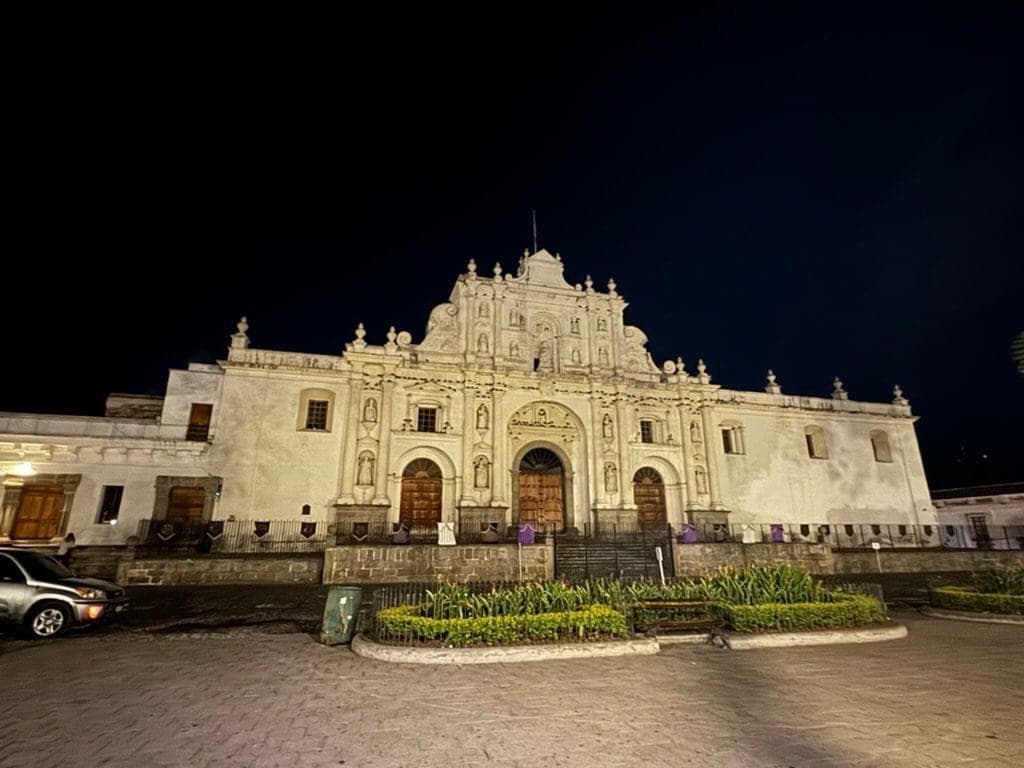
Cathedral de Santiago Antigua

Café Sky Antigua
