
Medellín on the map
18 places from this guide. Tap a pin to open the listing.
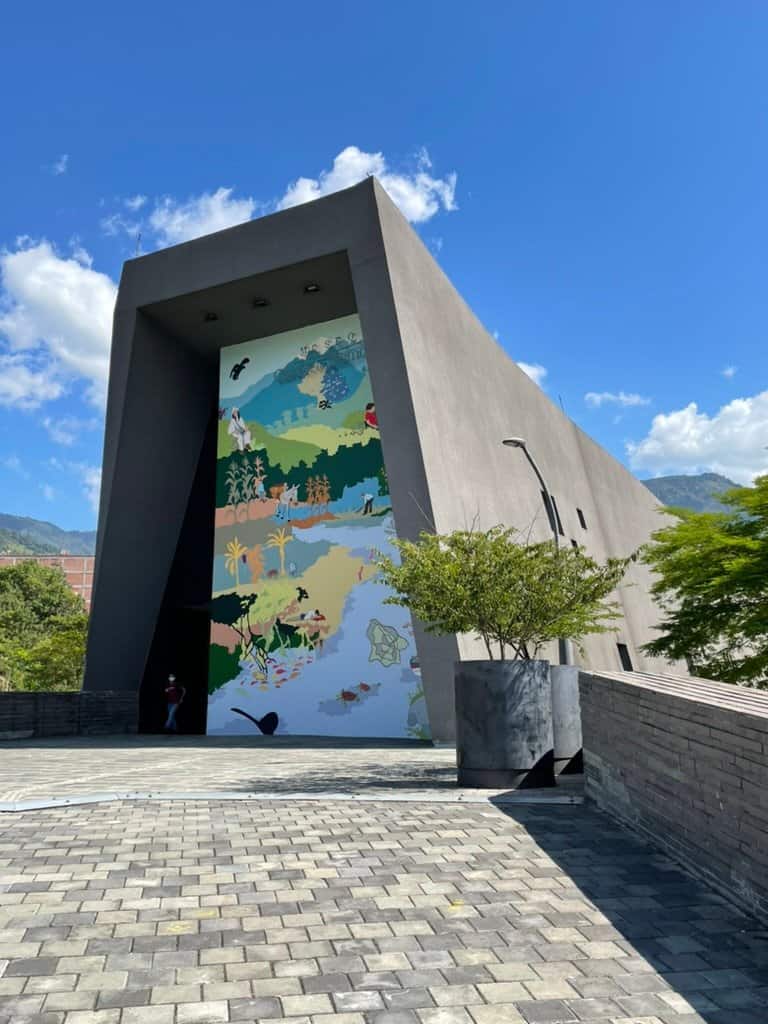
Medellín sits in a narrow bowl of the Aburrá Valley, ringed by mountains that keep the air thin and the light golden most afternoons. This Medellín travel guide pulls together what a dozen-plus visits and local write-ups across this site have turned up, from the cable cars that climb the hillside barrios to the restaurants that have put the city on South America's dining map. Locals call it the City of Eternal Spring, and once you've spent a week moving between Laureles' quiet streets and the graffiti-covered stairwells of Comuna 13, the nickname makes sense.
The city's reputation has shifted hard in the last two decades. Where Pablo Escobar's name once defined outside perceptions, Medellín now gets cited for its metro system, its public libraries built into poor neighborhoods, and its outdoor escalators. None of that erases the harder history, and a thoughtful visit holds both things at once.
Overview
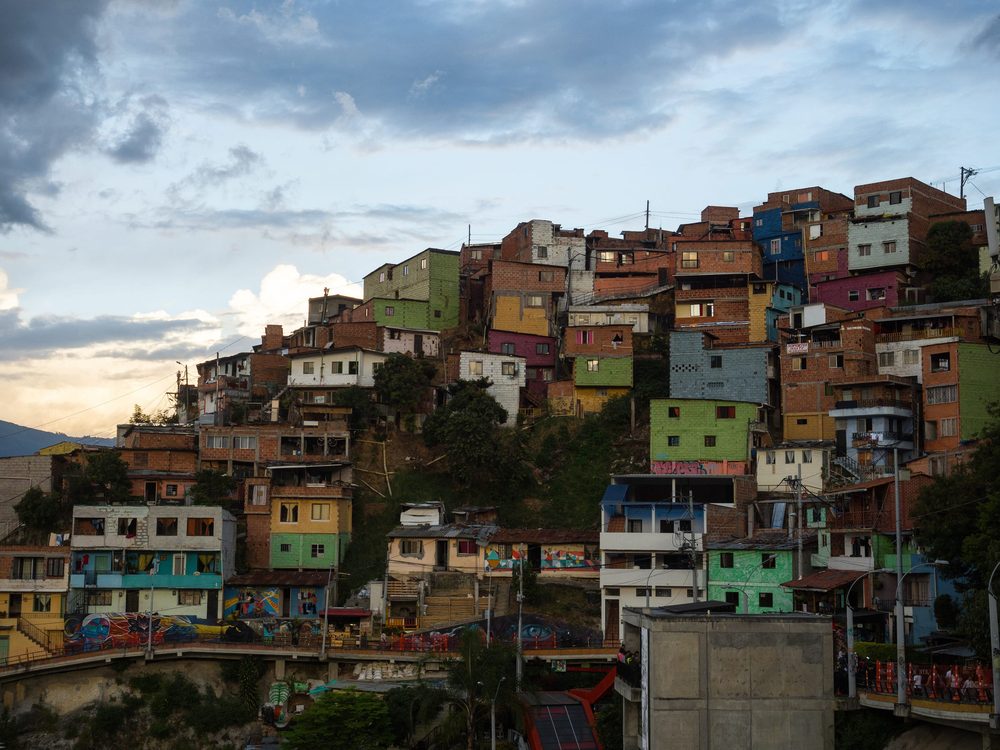
Downtown Medellín centers loosely on Plaza Botero, a public square filled with 23 bronze sculptures donated by Fernando Botero, the Medellín-born artist whose rounded figures you'll recognize even if you don't know his name. The square backs onto the Museo de Antioquia, worth an hour for its own Botero collection and a rotating program of Colombian modern art. A short walk or metro ride away, Comuna 13 tells a different story. Once one of the most dangerous barrios in Latin America, it's now known for the Comuna 13 Escalators, a set of outdoor escalators installed in 2011 that cut what used to be a 20-plus-minute uphill walk down to about 6 minutes. Local guides, many of whom grew up in the neighborhood, lead walking tours through the murals and hip-hop culture that grew out of that transformation.
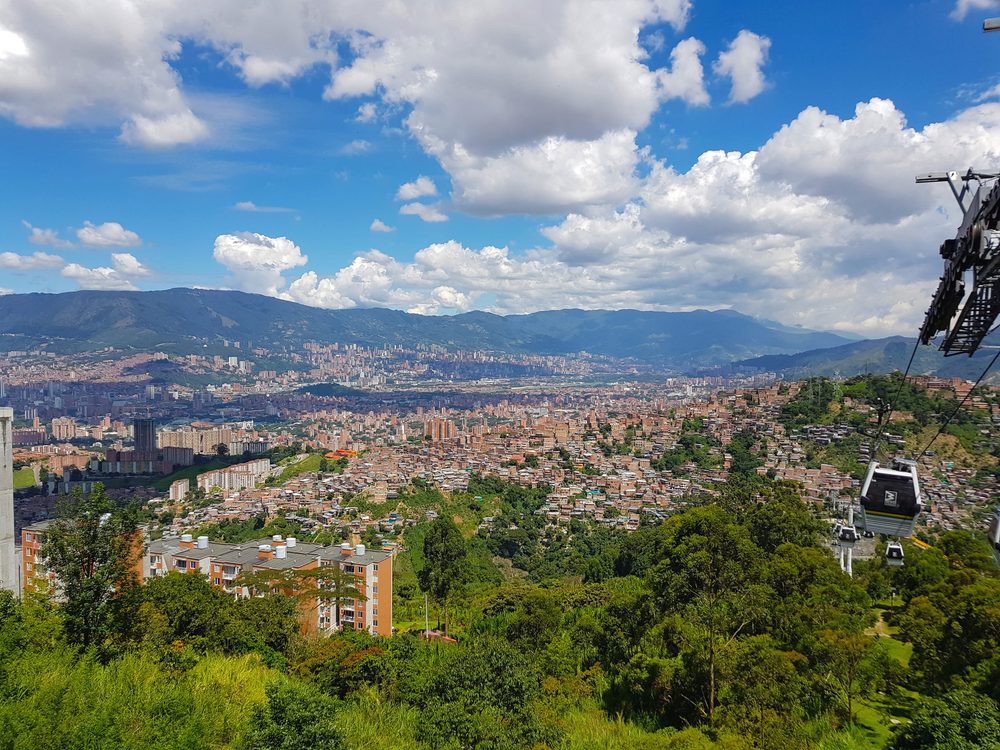
Above it all runs the Medellín Metrocable, a cable car network that was built as public transit rather than tourist novelty, linking hillside neighborhoods that buses couldn't reach to the metro line below. Riding it at sunset, with the city's lights spreading out below you, is one of the better free things to do here.
When to Visit
Medellín's elevation, around 1,495 meters, keeps temperatures fairly steady year-round, usually in the low-to-mid 20s Celsius by day. There's no real winter or summer here, just a wet-dry rhythm. The driest stretches tend to fall from December through February and again from June through August, which is also when the city gets busier with visitors. April–May and October–November bring more frequent afternoon rain, though storms usually pass within an hour.
If you can time a trip around early August, the Feria de las Flores (Flower Festival) fills the streets with flower-laden silletas carried on growers' backs, a tradition rooted in the flower farms outside the city. December is also lively, when Medellín lights up its rivers and parks for the Alumbrados, a city-wide Christmas lights display that draws crowds from across Colombia.
Where to stay
- El Poblado: the most touristed base, built around Parque Lleras and Provenza. This is where you'll find much of the city's fine dining, including Carmen – Medellín and El Cielo – Medellín, both tasting-menu restaurants with international reputations, plus rooftop bars like Trópico Rooftop and Ene Rooftop. Expect higher prices and more English spoken here than anywhere else in the city.
- Laureles: quieter, more residential, and popular with longer-term visitors and digital nomads. Good mid-range dining and a strong local food-hall scene, with Mercado del Río's mix of stalls a short ride away.
- La Candelaria (downtown): where Plaza Botero, Museo de Antioquia, and Museo Casa de la Memoria sit within walking distance of each other. It's busy and a bit rougher around the edges after dark, better suited to daytime exploring than as a base for nightlife.
- Envigado: technically its own municipality just south of Medellín, with a leafy main square and a slower pace, favored by people staying a month or more.
How to reach the destination
Most international flights land at José María Córdova International Airport (MDE) in Rionegro, roughly 35 to 45 minutes from El Poblado depending on traffic, which can stretch that considerably during rush hour. A smaller domestic airport, Olaya Herrera, sits within the city itself and handles short regional hops.
Overland, long-distance buses connect Medellín to Bogotá, Cartagena, and other major Colombian cities, though the mountain roads make some of these trips long, 8 to 10 hours to Bogotá for instance. Entry requirements for Colombia vary by nationality and do shift, so confirm current visa rules before booking.
Getting around the destination
Medellín's metro is the backbone of the city and one of its genuine sources of local pride, the only metro system in Colombia. It's clean, cheap, and connects directly into the Medellín Metrocable lines that climb up to Santo Domingo and other hillside neighborhoods, and further out to Parque Arví, a nature reserve in the hills above the city that makes for an easy half-day escape from the valley heat. A separate cable line and the Metroplús bus system cover routes the metro doesn't reach.
Within neighborhoods like El Poblado and Laureles, walking is easy and generally pleasant, though hills can catch you off guard. For cross-town trips or late-night travel, ride-hailing apps work well and tend to be more reliable than hailing a taxi on the street. Public bikes through the Encicla system are another option if you're comfortable riding in traffic.
Top destination travel tips
- Spanish is the default language almost everywhere outside hotels and upscale restaurants in El Poblado, so a handful of basic phrases go a long way.
- Comuna 13 is safe for visitors during the day and with a guide, but go with a tour rather than wandering independently, both for context and for orientation in a neighborhood that's still a working community, not a theme park.
- Altitude sickness isn't really a concern at this elevation, but the valley's position does mean weather can change fast. Carry a light rain layer even on clear mornings.
- Tipping around 10 percent is common in sit-down restaurants and is sometimes added automatically to the bill as "propina voluntaria," which, despite the name, you can decline if service was poor.
- Local SIM cards from Claro, Movistar, or Tigo are inexpensive and easy to set up at the airport or in city-center shops, worth it if you plan to use ride-hailing apps.
- Plugs are the same two-flat-pin type used in the US, so most North American travelers won't need an adapter.
- Street vendors and informal money changers downtown are best avoided. Use official exchange houses or your card instead.
Typical costs in the destination
Colombia's currency is the peso (COP), and Medellín remains inexpensive by North American or European standards, though prices in El Poblado run noticeably higher than in Laureles or downtown. A casual lunch at a neighborhood comedor or food hall like Mercado del Río sits firmly in the budget tier. Mid-range sit-down dinners, the kind you'd get at Legado Cocina Colombiana, cost more but remain reasonable compared to equivalent meals in the US or Europe. Tasting menus at Carmen – Medellín or El Cielo sit at the upscale-to-fine-dining end, closer to what you'd pay at a destination restaurant anywhere else, and often require reservations well ahead.
Transit is cheap across the board. A single metro or Metrocable ride costs a small, fixed fare, and even frequent taxi or ride-hailing use rarely adds up to much over a week. Entry fees to museums and parks, including Parque Explora and the Jardín Botánico de Medellín, tend to be modest, with occasional free or discounted days worth checking for.
Must try food and drinks
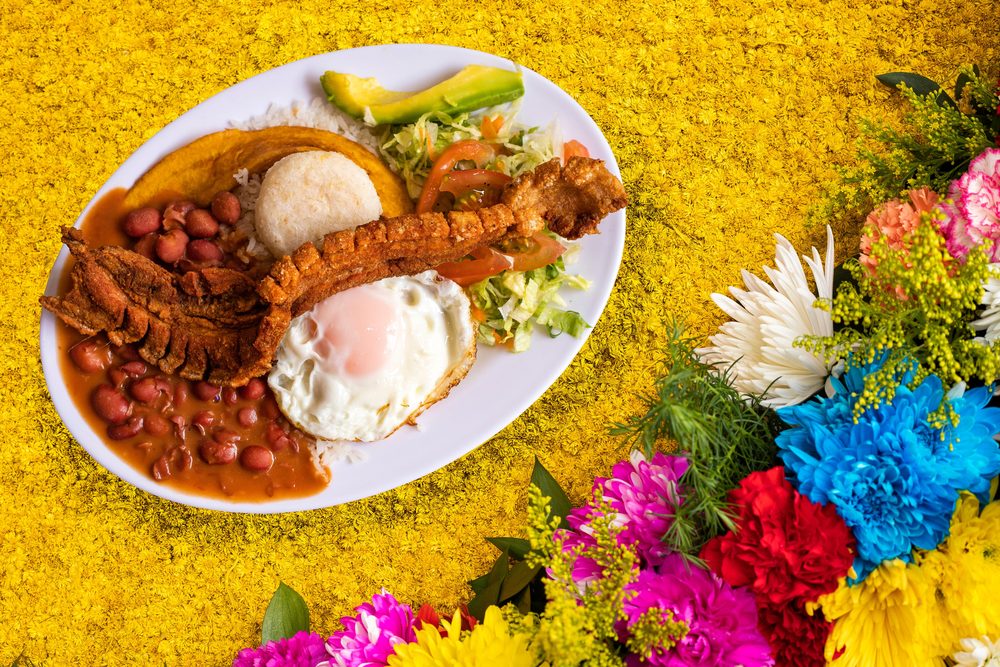
- Bandeja paisa: the regional plate built around rice, beans, ground beef, chorizo, fried egg, plantain, and avocado, meant to be shared or at least approached with an appetite.
- Arepa: the corn flatbread served with nearly every meal, often simpler and less seasoned here than in Venezuela.
- Chorizo santarrosano: a grilled sausage specialty of the region, commonly sold with arepa and lime.
- Mondongo: a tripe and vegetable soup, a weekend staple in many paisa households.
- Buñuelos: fried, cheese-studded dough balls, especially common around Christmas but available year-round.
- Aguapanela: a warm drink made from raw cane sugar, sometimes with lime or cheese stirred in, more common in the colder hill towns than the city itself.
- Aguardiente antioqueño: the anise-flavored local liquor, usually drunk in shots and central to any night out.
- Tinto: Colombian black coffee, served small and strong, a far cry from the large export beans the country is known for abroad.
For a single stop that covers several of these at once, Mercado del Río's stalls let you sample widely without committing to one restaurant, while Legado Cocina Colombiana leans into a more composed, sit-down take on regional classics.
FAQ
How many days do you need in Medellín?
Three to four days covers the city's core sights, including Plaza Botero, Comuna 13, and a Metrocable ride, with a day spared for a trip out to Parque Arví or Guatapé. Add extra time if you want to explore Laureles and Envigado at a slower pace rather than just hitting highlights.
Is Medellín safe for tourists?
Medellín is considerably safer than its reputation from the 1990s suggests, and tourist areas like El Poblado and Laureles see heavy foot traffic day and night. Standard city precautions still apply: avoid flashing phones or jewelry, take registered taxis or apps after dark, and go with a guide in Comuna 13 rather than exploring alone.
Is Medellín expensive?
No, it remains affordable by international standards, especially outside El Poblado's restaurant and nightlife strip. Budget travelers can get by on modest daily spending, while those wanting upscale dining or private tours should expect costs closer to what a mid-tier European city charges.
Do I need Spanish to get around?
You can manage with English in hotels, tour companies, and some El Poblado restaurants, but Spanish helps enormously everywhere else, including on public transit and with taxi drivers. Learning basic numbers and directions makes daily logistics smoother.
Is the Pablo Escobar tourism worth doing?
Some travelers visit the Museum Pablo Escobar Medellin or take Escobar-themed tours out of curiosity, but many locals find this framing of the city's history uncomfortable given how recent and painful that period was. If you do go, pair it with the Museo Casa de la Memoria, which presents the broader conflict and its victims with more care.
Is Guatapé a worthwhile day trip?
Yes, most visitors rank it among the best day trips from Medellín. Laguna de Guatape and the nearby El Peñol rock, with its steep staircase and reservoir views, make for a full and scenic day, roughly two hours each way by bus or private car.
Can you get by without renting a car?
Easily. Between the metro, Medellín Metrocable, buses, and ride-hailing apps, a car adds more hassle than value within the city, and most day trips are better done by bus or organized tour given the mountain roads. This Medellín travel guide assumes you'll rely on public transit and apps rather than self-driving.
Top Places to Visit in Medellín
View all See & Do
Jardin Botanico de Medellin
See & DoMuseo Casa de la Memoria
 See & Do
 See & Do
Museum Pablo Escobar Medellin
 See & Do
 See & Do
Plaza Botero
Twenty-three Botero bronzes in an open downtown square.
See & DoComuna 13 Escalators
Outdoor escalators and street art up the San Javier hillside.
See & DoMedellín Metrocable
Gondolas built as public transport for the hillside barrios.
Top Places to Eat in Medellín
View all Eat & Drink
 Eat & Drink
Ene Rooftop
 Eat & DrinkBudget · $
Legado Cocina Colombiana
Eat & DrinkEl Cielo – Medellín
The tasting menu that made Medellin a dining destination.
Eat & DrinkCarmen – Medellín
Modern Colombian cooking in El Poblado, without the spectacle.
Eat & DrinkMercado del Río
A warehouse food hall of forty kitchens by the river.