Nashulai Maasai Conservancy
C12 Road, Maasai Mara National Reserve Kenya Posted by bazartravelsAdmin
Nashulai Maasai Conservancy Overview
Nashulai Maasai Conservancy sits on the western edge of the Maasai Mara National Reserve in Kenya, straddling the border between conservancy land and the protected reserve itself. This 22,000-acre property is owned and managed by the local Maasai community, offering visitors a chance to experience the region's wildlife and culture on terms shaped by the people who have lived here for generations. Unlike the heavily trafficked core of the national reserve, Nashulai operates under different rules that allow for more flexible game viewing and direct engagement with Maasai landowners.
Why This Place Matters
Nashulai represents a model of conservation that prioritizes community benefit. The conservancy generates income for Maasai families through tourism revenue, creating economic incentive to protect wildlife rather than convert land to cattle ranching or agriculture. This approach has helped maintain migration corridors for wildebeest, zebra, and other species that move between Tanzania's Serengeti and Kenya's Maasai Mara ecosystem.
For visitors, the conservancy offers something the national reserve cannot: game drives led by Maasai guides who have intimate knowledge of the land, plus the possibility of activities like walking safaris and cultural visits that are restricted in the reserve itself. The experience feels less like a typical safari operation and more like access to a working landscape where conservation and community livelihoods are intertwined.
Quick Facts
- Size: 22,000 acres of privately owned conservancy land
- Location: Western boundary of Maasai Mara National Reserve, accessible via C12 Road
- Primary activity: Game drives and wildlife viewing year-round
- Community: Managed by Maasai landowners; revenue supports local families
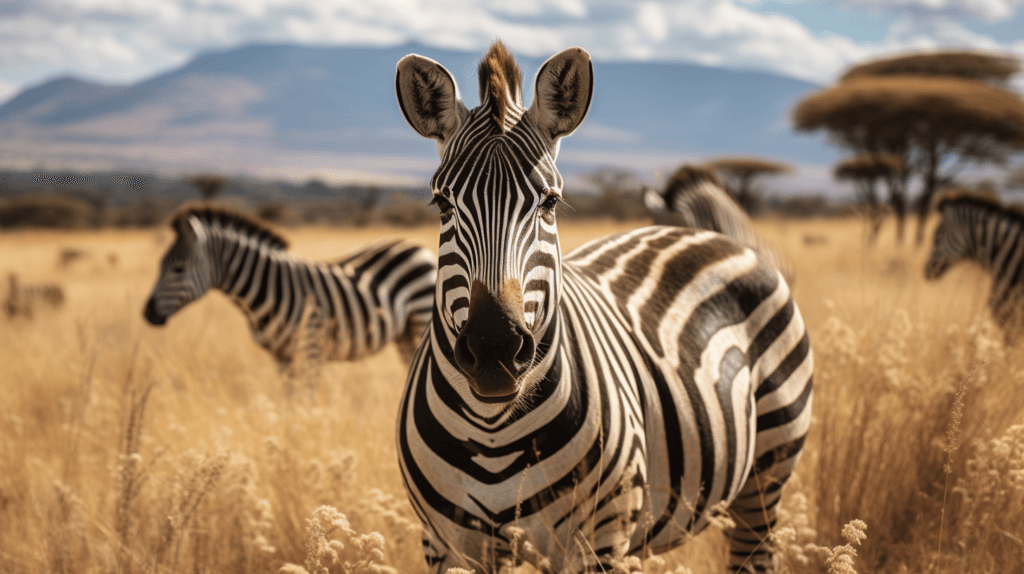
- Wildlife: Lions, leopards, elephants, buffalo, giraffe, zebra, wildebeest, hyena, cheetah
- Best for big cats: The conservancy is known for reliable leopard and lion sightings
- Season: Open year-round; peak game viewing December to March and July to October
Getting There
Nashulai is reached via the C12 Road, which branches west from the main highway into the Maasai Mara area. Most visitors arrive by road from Nairobi, a drive of roughly 5 to 6 hours depending on traffic and road conditions. The road to the conservancy entrance is unpaved but passable in a standard safari vehicle, though a 4x4 is preferable during the rainy season.
Some travelers fly into one of the airstrips serving the Mara region (such as Keekorok or Mara Serena), then arrange ground transfer to Nashulai. This cuts travel time significantly if you're coming from Nairobi by air.
Entry to the conservancy requires arranging a visit through a lodge, tour operator, or directly with the conservancy management. You cannot simply drive in as you might at the national reserve. Most visitors stay at one of the conservancy's lodges or book a day visit with a guide.
The Layout and Experience
Nashulai's terrain is a mix of open savanna, scattered acacia woodland, and riverine vegetation along the Talek River. The landscape rolls gently, with patches of grassland where herbivores congregate and denser bush where predators hunt. Unlike the crowded roads of the reserve's central zone, game drives here often take you to viewing areas with few or no other vehicles.
A typical visit involves early morning and late afternoon game drives led by a Maasai guide. The conservancy's guides have grown up on this land and can read animal behavior and track movement in ways that outsiders cannot. They tend to know where specific lions or leopards have been spotted and can position you accordingly. Drives typically last 3 to 4 hours, with flexibility to follow wildlife as it moves.
Walking safaris are possible on Nashulai in ways they are not in the national reserve. These shorter walks, usually 1 to 2 hours, put you closer to the landscape and allow for a different kind of observation. You might spot birds, track animals, or visit a Maasai boma (traditional settlement) to learn about pastoral life directly from residents.
Main Highlights
Big cat viewing is the primary draw. The conservancy has a reputation for leopard sightings, particularly in the riverine forest along the Talek. Lions are common, and cheetahs appear regularly on the open plains. Elephant herds move through seasonally, and buffalo are present year-round.
The Talek River is a focal point. During dry seasons, animals concentrate here for water, making it a reliable viewing area. Crocodiles sun themselves on the banks, and you may see hippos in deeper pools.
Cultural encounters with Maasai communities offer insight into pastoral traditions. Some lodges and guides arrange visits to local settlements where you can learn about herding practices, beadwork, and daily life. These interactions feel less staged than tourist versions elsewhere because they happen on land the Maasai own and operate.
History and Background
The Maasai have pastoralist roots in this region stretching back centuries. The conservancy model began gaining traction in Kenya during the 1990s and 2000s as an alternative to national park tourism. Nashulai was established as a conservancy to allow Maasai landowners to benefit directly from wildlife tourism while retaining control over their property.
The conservancy sits adjacent to the Maasai Mara National Reserve, which was gazetted in 1974. The proximity matters: migrating wildebeest and zebra move between the two areas, and predators roam across both. By maintaining wildlife habitat on conservancy land, Nashulai supports the broader ecosystem that makes the Mara a global wildlife destination.
Tickets and Entry
There is no walk-up admission to Nashulai. Access is arranged through lodges on the property, tour operators based in Nairobi or the Mara region, or directly with conservancy management. Day visits are possible if booked in advance, though most visitors stay overnight at one of the lodges.
Accommodation ranges from mid-range safari camps to more upscale lodges. Rates vary widely depending on the season and the level of comfort. Your lodge typically includes game drives and a guide in the accommodation package.
Some operators offer multi-day packages that combine time at Nashulai with visits to the national reserve or other conservancies. This can be a good way to experience different management approaches and landscapes in one trip.
Best Time to Visit
The dry seasons offer the most reliable game viewing. July through October coincides with the wildebeest migration from Tanzania, bringing large herds and attracting predators. December through March is the dry season in the Mara, when animals gather around remaining water sources and visibility is excellent.
The rainy seasons (April to May and November) bring lush vegetation and fewer tourists, but roads become challenging and some wildlife disperses. Bird watching is excellent during the wet months if that interests you.
If your goal is big cat viewing, the dry seasons are preferable. If you want a quieter experience and don't mind uncertain game drives, the shoulder months can be rewarding.
Photography Tips
Bring a telephoto lens. Most wildlife will be at a distance, and you'll want at least 300-400mm of reach to fill the frame with animals. Early morning and late afternoon light is softer and more flattering than midday sun.
The open grasslands of Nashulai offer clean backgrounds for wildlife shots. The riverine woodland provides dappled light and context for predator photographs. Ask your guide where big cats have been spotted recently, and position yourself accordingly for sunrise or sunset shooting.
The Maasai people are often willing to be photographed, but always ask permission first. A photo of a guide in traditional dress against the savanna backdrop can be a memorable keepsake.
Facilities and Preparation
Lodges on the conservancy provide basic to comfortable accommodation with electricity, running water, and meals. Standards vary. Confirm what is included in your booking before arriving.
Bring binoculars. A good pair makes a significant difference in spotting and identifying wildlife. Neutral-colored clothing (khaki, tan, olive) is practical for game drives. Sunscreen, a hat, and sunglasses are essential. The sun is intense on the open savanna.
Medical facilities are limited on the conservancy. The nearest hospital is in Nairobi or a larger town. Travel insurance that covers medical evacuation is strongly recommended.
Mobile phone coverage is unreliable. Internet access exists at some lodges but should not be relied upon. This is part of the appeal for many visitors, but plan accordingly if you need to stay connected.
How It Compares to Similar Places
Nashulai differs from the Maasai Mara National Reserve in several ways. The reserve is larger, more heavily visited, and offers a greater concentration of lodges and facilities. But the reserve's popularity means crowded game drives, especially during peak season. Nashulai is smaller and quieter, with fewer vehicles and more flexibility in how you explore.
Other conservancies in the region, like Olare Motorogi or Mara North, operate on similar models. All prioritize community benefit and offer more intimate experiences than the national reserve. The choice often comes down to which lodge appeals to you and which conservancy offers dates that fit your schedule.
Combining With Nearby Attractions
The Maasai Mara National Reserve is adjacent, and many visitors combine a few days at Nashulai with time in the reserve. This gives you two perspectives on the same ecosystem and increases the odds of seeing a wider range of wildlife and behavior.
The Serengeti in Tanzania is accessible by road, roughly a 3 to 4 hour drive from the Mara region, if you have time for a multi-week safari. Lake Nakuru and Hell's Gate National Park are further south and are sometimes included in longer itineraries.
Sample Visit Plan
A three-day visit is typical. Day one: arrive at your lodge in the afternoon, settle in, and take a late afternoon game drive to get oriented. Day two: early morning game drive, return for breakfast and rest, then an afternoon drive or optional walking safari and cultural visit. Day three: final early morning drive, breakfast, and departure.
If you have a week, spend three days at Nashulai and divide the remainder between the national reserve and another conservancy or attraction. This gives you time to relax and absorb the experience rather than rushing between locations.
Practical Tips
- Book accommodations and entry well in advance, especially during peak season (July to October).
- Confirm what is included in your package: meals, game drives, activities, and ground transfers.
- Arrive with realistic expectations about wildlife viewing. Sightings are never guaranteed, even in the best locations.
- Tip your guide if you're satisfied with the experience. This is standard practice and guides rely on tips as part of their income.
- Respect the Maasai community. Ask before photographing people, and purchase crafts directly from artisans if you want to support them.
- Pack layers. Mornings and evenings are cool; midday is hot. A light rain jacket is useful even in dry season.
- Bring cash in Kenyan shillings for tips, purchases, and unexpected expenses. Not all lodges accept cards.
FAQ
Is it safe to visit Nashulai? Yes. The conservancy and surrounding region are regularly visited by tourists. Standard travel precautions apply, as they would anywhere. Your lodge will brief you on any specific concerns and how to behave safely around wildlife.
Do I need a visa to enter Kenya? This depends on your nationality. Most visitors can obtain a visa on arrival or apply online in advance. Check the Kenyan government website for current requirements based on your passport.
What currency should I bring? The Kenyan shilling is the local currency. ATMs are available in larger towns, but not at the conservancy. Bring shillings or be prepared to exchange currency in Nairobi or your lodge.
Can I do a day visit without staying overnight? Yes, but it requires advance booking and coordination. Most operators prefer multi-day visits. A day visit typically offers one or two game drives and lunch, but the long drive from Nairobi makes it less practical unless you're already in the Mara region.
What animals will I definitely see? No animal sighting is guaranteed. That said, zebra, wildebeest, giraffe, and various antelope species are common. Predators like lions and leopards are frequently seen but not assured. This unpredictability is part of what makes safari compelling.
Reviews
Sign in and mark this place visited to leave a review.
No reviews yet.
Free Trip Planner
Plan your Kenya trip with our free planner
Build a day-by-day itinerary with AI suggestions, hand-picked places, and friends. Free forever — no credit card.