Posted by bazartravelsAdmin
Overview
The Mara Triangle sits in the northwestern corner of Kenya's Maasai Mara National Reserve, separated from the main reserve by the Mara River. This 518-square-kilometer section of land offers a distinct ecosystem and wildlife viewing experience compared to the more heavily trafficked areas of the Mara. The Triangle is managed by the Maasai Wilderness Conservation Trust and remains one of the most pristine corners of the reserve, with fewer vehicles and a stronger focus on conservation.
What makes this area compelling is not the novelty of animals you won't see elsewhere. The Mara Triangle holds the same species as the rest of the reserve: lions, elephants, buffalo, zebras, wildebeest, and cheetahs. What differs is the landscape and the quality of the experience. The terrain here is more undulating, with dense riverine forest along the Mara River and open grasslands that shift with the seasons. The concentration of vehicles is noticeably lower, which changes the texture of a safari entirely.
Why this place matters
The Mara Triangle represents a different approach to wildlife conservation in Kenya. The Maasai Wilderness Conservation Trust, which manages the area, operates with revenue-sharing agreements that distribute income back to local Maasai communities. This model creates an incentive structure that rewards land preservation rather than land conversion. For visitors, this means supporting a working conservation model while experiencing the reserve.
The Triangle also functions as a crucial wildlife corridor and breeding ground. Its river systems, particularly the Mara River, sustain animal populations year-round and serve as a lifeline during dry seasons. The river crossings during the annual migration are among the most dramatic wildlife spectacles on the continent, though they occur in the Triangle only during specific months.
Quick facts
- Area: 518 square kilometers
- Main river: Mara River (forms the boundary between the Triangle and the main reserve)
- Managing organization: Maasai Wilderness Conservation Trust
- Best for wildlife viewing: July through October, during the wildebeest migration
- Primary access: by air to an airstrip, or by road from the main reserve (requires crossing the Mara River)
- Vehicle density: significantly lower than the main reserve
Getting there
The Mara Triangle is not accessible by standard road from outside the reserve. Most visitors arrive by chartered or scheduled safari aircraft that land on private airstrips within the Triangle or nearby. Several lodges operate their own landing facilities or arrange flights through partner operators in Nairobi or regional airfields.
If you're already in the main reserve, you can reach the Triangle by crossing the Mara River. This requires a vehicle and depends entirely on water levels. During the dry season (January to March and June to September), crossing is typically possible. In the rainy season, the river swells and crossing becomes difficult or impossible. You'll need to coordinate with your lodge or guide well in advance.
The drive from Nairobi to the Triangle takes roughly 5 to 6 hours by road to reach entry points, followed by a flight. Few visitors attempt the overland route exclusively. Budget for flight costs as a significant line item if you're planning a Triangle visit.
The layout and experience
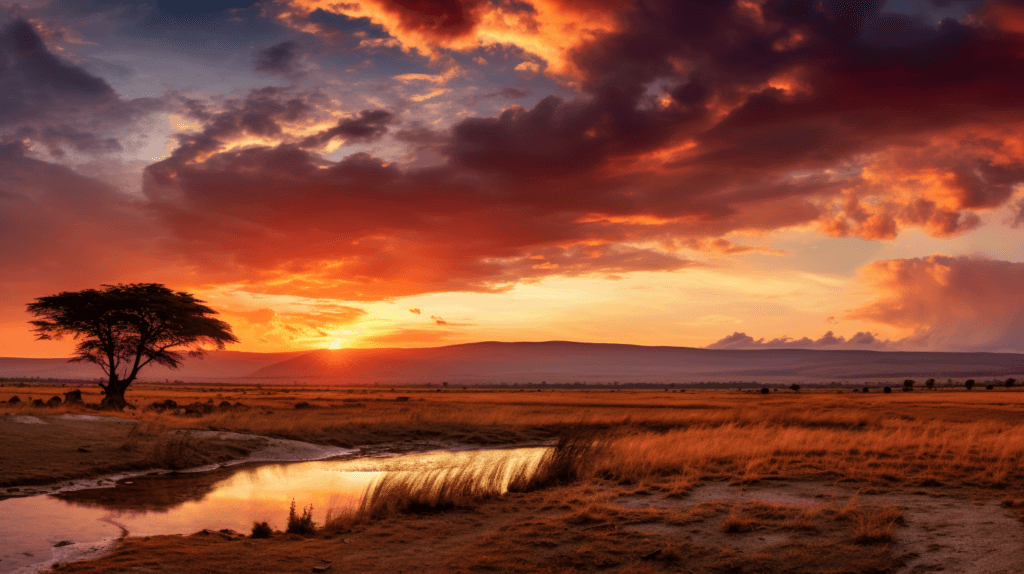
The Triangle is roughly triangular in shape, bounded by the Mara River to the south and east, and by the reserve boundary to the west and north. The landscape varies considerably. In the north, grasslands dominate and open up dramatically during the migration months. The central areas alternate between woodland and open savanna. Along the Mara River, dense forest provides shade and water year-round.
The experience of driving through the Triangle feels quieter than the main reserve. You'll encounter other vehicles, particularly during peak migration season, but the roads are less congested and you're more likely to have extended time with animals without crowds. Guides often have the flexibility to follow wildlife movements more freely here, rather than queuing up at a kill or a water hole.
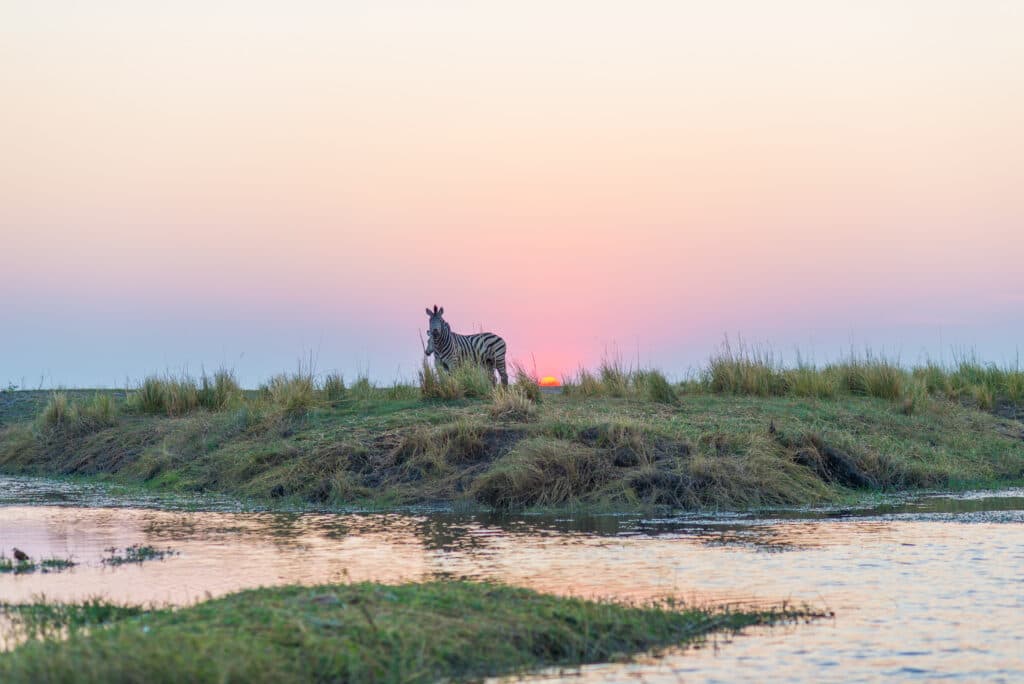
The river itself is a constant presence. Crossing points shift with water levels, and the river supports hippos, crocodiles, and a diverse bird population. The sound of the river at night, if you're staying in a lodge within the Triangle, becomes part of the rhythm of your stay.
Main highlights
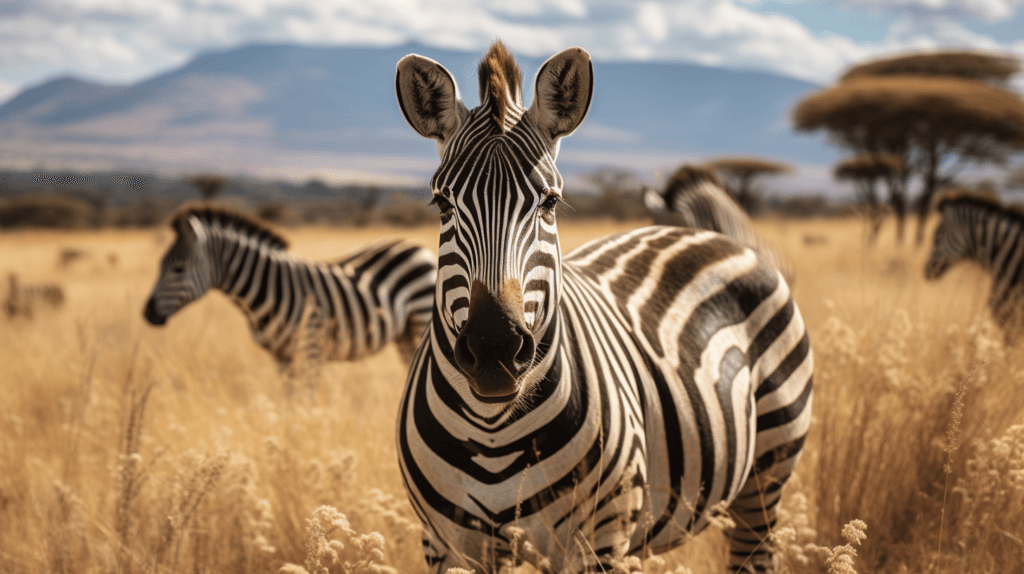
The wildebeest and zebra migration is the headline event. Between July and September, massive herds move through the Triangle heading north from Tanzania's Serengeti. The river crossings during this period are the spectacle: thousands of animals funneling toward crossing points, predators waiting below, the chaos and drama of survival. If you time your visit during these months, your chances of witnessing a crossing are high, though exact timing shifts year to year depending on rainfall patterns.
Outside of migration season, the Triangle offers reliable predator viewing. Lions are present year-round, and the area supports a healthy cheetah population. Elephant herds move through seasonally. Buffalo congregate along the river. The quieter atmosphere means you can spend unhurried time observing behavior rather than rushing between sightings.
Bird watchers find the Triangle particularly rewarding. The river corridor supports kingfishers, herons, eagles, and numerous species that prefer wooded habitats. The grasslands attract different species depending on the season. Over 450 bird species have been recorded in the Maasai Mara as a whole, and the Triangle's habitat diversity means strong representation of that total.
History and background
The Maasai Mara National Reserve was established in 1974, carved out of group ranch land managed by the Maasai people. The Mara Triangle became part of the reserve but remained under different management arrangements over the years. In 2008, the Maasai Wilderness Conservation Trust took on the role of managing the Triangle under a concession agreement with the Maasai community that owns the land.
This management shift marked a turning point. The Trust implemented stricter conservation protocols, limited vehicle numbers, and established a revenue-sharing model where a portion of entry fees and lodge income flows back to the Maasai landowners. The model has become a case study in community-based conservation, though it remains contested by some who argue it limits local access to the land.
The Triangle's ecological significance deepened as conservation efforts expanded. The management focus on limiting vehicle density and enforcing anti-poaching measures helped stabilize wildlife populations during a period when other parts of East Africa were experiencing declines.
Tickets and entry
Entry to the Mara Triangle requires a permit that covers access to the entire Maasai Mara National Reserve. You cannot visit the Triangle without a valid reserve permit. Most visitors purchase permits through their lodge or tour operator, not directly at a gate. The permit is typically included in safari package pricing.
Permits are issued daily and are valid for a 24-hour period. If you're staying multiple nights, you'll need permits for each day. Prices are set by the Kenya Wildlife Service and differ for resident and non-resident visitors. Your lodge handles the logistics, so you won't deal with permit purchase directly.
Some lodges within the Triangle operate all-inclusive packages that bundle accommodation, meals, and game drives. Others require you to arrange game drives separately. Confirm what's included when booking.
Best time to visit
July through October is peak season for the Mara Triangle, driven by the wildebeest migration. During these months, the northern reaches of the Triangle fill with hundreds of thousands of animals. The landscape is still green in July and early August, with dramatic skies and frequent afternoon rains. By September and October, the grass has dried and visibility improves, but the atmosphere becomes drier.
November to June sees fewer visitors and calmer wildlife patterns. Herds are more dispersed. Predator sightings are less predictable but often more intimate. The rains arrive in April and May, which can complicate game drives on unpaved roads but also bring lush vegetation and concentrated wildlife around water sources. January to March is dry and warm, with clear skies ideal for photography.
If you want to avoid crowds entirely, visit in May, June, or November. You'll sacrifice the migration spectacle but gain solitude and a different perspective on the ecosystem. The trade-off depends on your priorities.
Photography tips
The light in the Mara is most dramatic in early morning and late afternoon. Start your game drive before sunrise to position yourself for the moment the sun clears the horizon. The low angle light emphasizes landscape texture and animal silhouettes. Afternoon light from around 3 pm onward offers similar advantages, though the sun's angle is higher.
Midday light is harsh and flat, but it's when the Triangle's open grasslands reveal their scale. Wide-angle shots work well during these hours if you're trying to capture the vastness of the landscape. Bring a sturdy tripod or beanbag for longer lenses, as vehicle movement requires stabilization.
During the migration, positioning matters enormously. Guides with experience know where crossings typically occur, but these are not fixed points. Arrive early, scout multiple angles, and be prepared to move quickly. The action unfolds fast, so shoot in burst mode and focus on capturing sequences rather than single frames.
The river itself offers compositional opportunities. Reflections during calm mornings, the contrast between the dark water and golden grass, the wildlife that congregates along the banks. Patience near water sources often yields stronger images than chasing movement across open plains.
Facilities and preparation
Lodges in the Triangle range from luxury tented camps to mid-range safari facilities. Each operates independently and maintains its own standards for accommodation, meals, and game drives. Water and electricity are typically available, though supply can be inconsistent in remote locations. Confirm what's provided before booking.
Medical facilities are limited. The nearest hospital is in Nairobi, several hours away by air. Travel insurance that covers medical evacuation is strongly recommended. Bring any personal medications in sufficient quantities, as pharmacies are not accessible from within the Triangle.
The Triangle is malaria-endemic. Consult a travel health professional about antimalarial medication. Insect repellent, long sleeves for dawn and dusk, and mosquito nets are standard precautions. Vaccinations for yellow fever and routine immunizations are recommended before traveling to Kenya.
Pack neutral-colored clothing for game drives: tan, khaki, brown, and olive. Avoid bright colors and white, which can disturb wildlife. Bring binoculars, a hat with a brim, and high-SPF sunscreen. The sun reflects intensely off the grass, and you'll spend many hours exposed.
Combining with nearby attractions
The Maasai Mara National Reserve itself is the primary draw. If you visit the Triangle as part of a longer Mara stay, you can explore the main reserve's northern sections, which offer different landscapes and wildlife concentrations. The Serengeti in Tanzania lies directly south, and some operators offer multi-country safaris that combine both reserves during the migration season.
The nearest town of any size is Narok, roughly 3 to 4 hours south by road. Few travelers base themselves there, but it's useful as a transit point if you're arriving by road rather than air. The Rift Valley escarpment lies west of the reserve and offers different scenery, though it requires leaving the reserve and returning.
Most visitors structure their trip to spend 3 to 5 days in the Triangle or the wider Mara, rather than combining it with multiple other reserves. The logistics and distances make adding other destinations complex unless you have significant time.
Sample visit plan
A typical 3-day visit to the Mara Triangle unfolds like this: Day one involves travel. You'll fly from Nairobi to the Triangle's airstrip, arrive at your lodge by mid-morning, have lunch, and depart for an afternoon game drive. Focus on getting oriented and spotting animals in the area immediately around your lodge.
Day two is a full safari day. Depart before dawn, drive until mid-morning, return for brunch, rest during the heat, and return for an evening drive. This rhythm maximizes wildlife viewing during peak activity hours and gives you rest during the slow middle hours. If you're visiting during the migration, your guide will position you near known crossing points.
Day three follows the same pattern as day two, or you can request a different route to explore another part of the Triangle. Depart for your return flight in the afternoon or early evening, depending on flight schedules.
If you have more time, extend day two and three. Five days allows for deeper exploration of different habitats within the Triangle and increases the odds of witnessing rarer animal behaviors.
Practical tips
- Book your visit well in advance during July to September. Lodges fill quickly and flights become limited.
- Confirm what's included in your lodge package before arrival to avoid surprises about meals, game drives, or additional costs.
- Pack a lightweight rain jacket even during the dry season. Afternoon storms are common and can arrive quickly.
- Bring more water than you think you'll need. Dehydration occurs quickly in the dry heat and direct sun.
- Request a guide with knowledge of the Triangle's specific geography and animal movements, not just a generic safari guide.
- Keep your binoculars accessible at all times during game drives. Wildlife can appear suddenly along the road.
- Don't rely on mobile signal. Internet is spotty or absent in most lodges. Plan accordingly if you need to stay connected.
- Respect the vehicle distance rules around animals. These are enforced and exist to protect wildlife and your safety.
FAQ
Is the Mara Triangle worth visiting if I can't time it with the migration? Yes. The migration is dramatic, but the Triangle offers excellent wildlife viewing year-round with fewer vehicles than the main reserve. If you prefer a quieter experience or can't travel during peak season, the Triangle delivers good value.
Can I drive myself in the Mara Triangle? No. All game drives must be conducted with a licensed guide in a safari vehicle. Self-driving is not permitted in the reserve.
What's the difference between the Mara Triangle and the main reserve? The Triangle has fewer vehicles, different management, and a more conservation-focused approach. The wildlife is the same, but the experience is quieter. The main reserve has more lodges, more guides, and busier roads.
Do I need a separate permit for the Triangle? No. A single permit covers the entire Maasai Mara National Reserve, including the Triangle.
How long should I spend in the Mara Triangle? Three days is a workable minimum. Five days allows for more thorough exploration and increases your odds of witnessing specific behaviors or events.
Reviews
Sign in and mark this place visited to leave a review.
No reviews yet.
Free Trip Planner
Plan your Kenya trip with our free planner
Build a day-by-day itinerary with AI suggestions, hand-picked places, and friends. Free forever — no credit card.