Ol Kinyei Conservancy
Serengeti-Mara Eco-system, Maasai Mara National Reserve Kenya Posted by Brandon B.Admin
Ol Kinyei Conservancy: Private Wildlife in the Maasai Mara Ecosystem
Ol Kinyei Conservancy sits on the eastern edge of the greater Maasai Mara ecosystem, occupying a stretch of rolling savanna and riverine forest in Narok County, Kenya. Unlike the crowded central corridors of the Masai Mara National Reserve, Ol Kinyei operates as a community-owned private conservancy, which means fewer vehicles, tighter controls on who enters, and a quality of game viewing that tends to feel more deliberate and unhurried. If you have been to the Mara before and left frustrated by a dozen Land Cruisers circling the same lion pride, Ol Kinyei is the correction.
The conservancy covers roughly 8,700 acres of land managed in partnership with local Maasai landowners, who lease their land collectively rather than selling it. That arrangement shapes everything you experience here, from the density of wildlife to the kind of camps permitted to operate inside.
Why Ol Kinyei Conservancy Matters
Private conservancies like Ol Kinyei have become one of the more significant developments in Kenyan conservation over the past two decades. The model works by compensating Maasai families for keeping their land wildlife-friendly instead of converting it to agriculture or livestock grazing. Cattle are managed rather than excluded entirely, which keeps the relationship with local communities functional rather than adversarial.
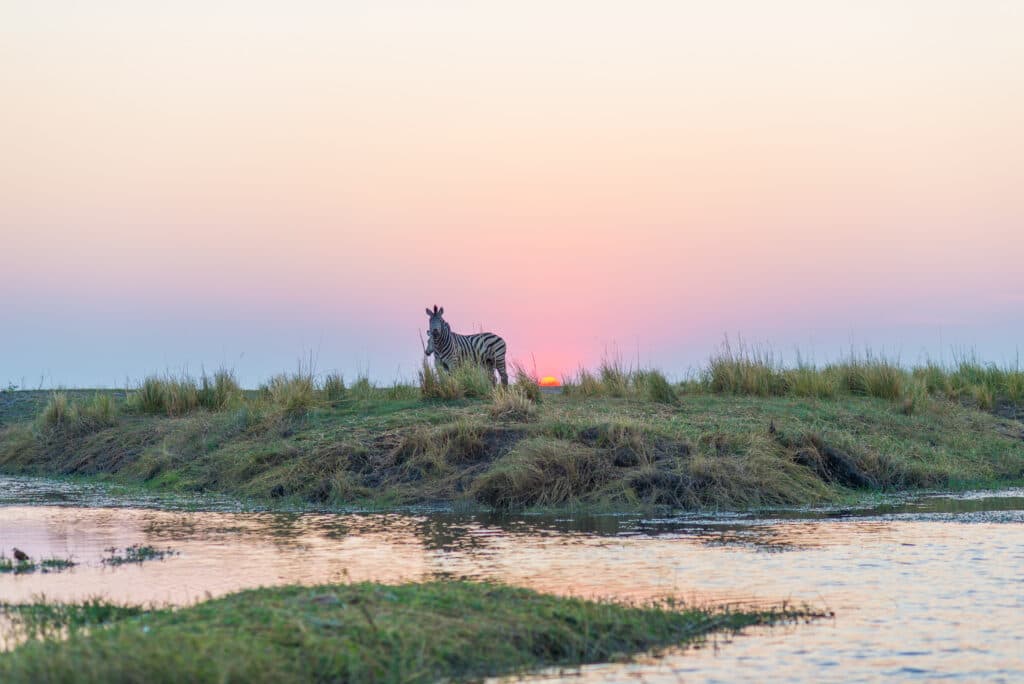
For wildlife, the results are measurable. The conservancy supports resident populations of elephant, lion, leopard, cheetah, and hyena, along with large herds of plains game. During the annual wildebeest migration, typically between July and October, the herds push through Ol Kinyei on their way north from Tanzania, and the predator activity that follows is among the most concentrated you will find anywhere in the ecosystem.
Cheetah sightings here have a reputation among guides. The open grasslands on the eastern sections of the conservancy provide the kind of unobstructed sight lines that cheetahs prefer, and with vehicle numbers capped, a sighting rarely turns into a circus.
Quick Facts
- Location: Eastern Maasai Mara ecosystem, Narok County, Kenya
- Size: Approximately 8,700 acres
- Access: Exclusive to guests staying at camps licensed to operate within the conservancy
- Wildlife: Big Five present, with strong cheetah and leopard activity
- Migration window: Wildebeest typically move through between July and October
- Landscape: Mixed savanna, riverine forest, open grassland, seasonal luggas (dry riverbeds)
- Community model: Maasai land lease partnership
Getting There
Most visitors fly in. Wilson Airport in Nairobi is the main hub for light aircraft departures, and scheduled charter flights connect to several airstrips in and around the Mara ecosystem in under an hour. The airstrip closest to Ol Kinyei takes roughly 45 minutes from Wilson depending on routing and stops. Road transfers from Nairobi take anywhere from five to six hours depending on conditions and the route taken through Narok town.
Because access to the conservancy is restricted to guests of approved camps, your logistics are almost always arranged through your accommodation. Transfers from the airstrip are typically handled by your camp's vehicles, which also serve as your game drive vehicles once you arrive.
The Layout and Experience
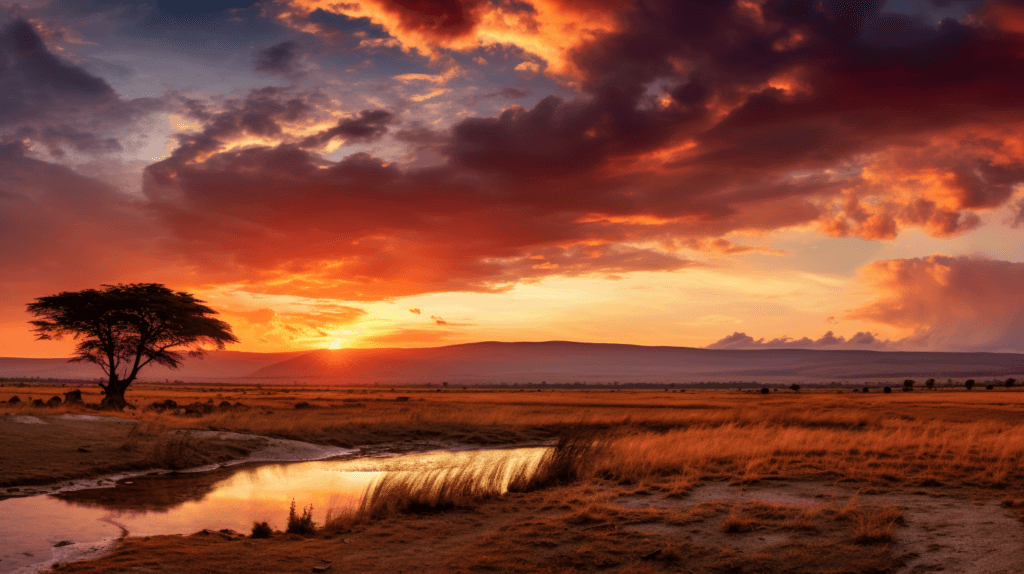
Ol Kinyei's terrain changes noticeably as you move across it. The western sections tend toward denser bush and patches of croton thicket, good for leopard and buffalo. Move east and the land opens into broader grassland plains, where the light in the early morning is genuinely something. The Ntiakatiak River forms part of the conservancy boundary and draws elephant and hippo along its course.
Game drives here feel different from those inside the national reserve. There is no obligation to return to camp by a fixed government gate time, which means night drives are possible, along with walking safaris led by Maasai guides. Those two activities alone change the texture of a visit completely. A night drive after dinner, scanning for serval and genet along the luggas, is not something you can do from a standard reserve camp.
Walking safaris typically cover a few kilometers at a slower pace than most people expect, stopping to read tracks, examine termite mounds, or follow a line of elephant movement from ground level. It is a different kind of attention than game driving, and most people find it shifts how they look at the landscape for the rest of the trip.
History and Background
The conservancy was established in the early 2000s as part of a broader movement to create community-managed wildlife areas around the edges of the Maasai Mara National Reserve. The reserve itself, gazetted in 1961, had long struggled with pressure from expanding human settlement and livestock on its borders. Private conservancies were developed partly as a buffer mechanism and partly as a way to ensure that local Maasai communities received direct financial benefit from wildlife tourism rather than simply bearing the costs of living alongside predators.
Ol Kinyei was among the earlier conservancies to become fully operational in this model, and it has influenced how similar projects have been structured elsewhere in the Mara ecosystem and in other parts of Kenya. The Mara North, Naboisho, and Olare Motorogi conservancies all operate on related principles, though each has a distinct character and set of camps.
Tickets and Entry
Ol Kinyei is not publicly accessible. There are no day visitor permits, no self-drive access, and no gate where you can pay a conservation fee and drive in independently. Entry is strictly through staying at one of the small number of camps licensed to operate inside the conservancy. Those camps pay conservancy fees as part of their operating agreements, and those fees flow back to the Maasai landowners and community programs.
This exclusivity is the mechanism that keeps vehicle numbers low. On any given morning, you might share a sighting with one or two other vehicles from the same camp, or none at all.
Best Time to Visit
The conservancy is worth visiting year-round, but the experience shifts significantly by season. July through October brings the migration and the predator action that follows it. Wildebeest river crossings happen along the Mara River further west, but the herds moving through Ol Kinyei itself create a different kind of spectacle, with lions and cheetah working the edges of the columns across open ground.
The green season, roughly November through May, is underrated. The landscape turns vivid, birdlife peaks with the arrival of migrants from Europe and northern Africa, and calf numbers among resident prey species attract predators with young of their own. Rates at camps also tend to be lower during the long and short rains. If you are primarily interested in leopard or cheetah rather than the migration, the green season can actually produce better sightings because the grass, while tall, concentrates animals near water.
Photography Tips
The low vehicle numbers make a genuine difference for photography. You can position properly without another vehicle in your frame, and guides here tend to understand composition requests because they work with serious photographers regularly.
Early morning light on the eastern grasslands is a particular asset. Plan to be out at first light and stay through the first two hours. The golden hour here is long and low, and the open terrain means you are often shooting with the sun behind you and the subject fully lit. A focal length in the 400 to 500mm range handles most mammal work at comfortable distances. For walking safaris, a wider zoom is more practical than a long prime.
Combining with Nearby Attractions
Ol Kinyei sits within the broader Mara ecosystem, which means combining it with time in the main Masai Mara National Reserve is straightforward if your camp has access to the reserve as well. Many guests spend several nights in a conservancy and then move to a camp inside the reserve, or vice versa, to experience both the exclusive terrain and the classic Mara landscape around the Mara River.
The Maasai Mara as a whole pairs naturally with a stay on the Kenyan coast, a visit to Amboseli National Park for elephant and Kilimanjaro views, or time in Nairobi at the Karen Blixen Museum or the Giraffe Centre before or after the safari leg of a trip.
Practical Tips
- Book well in advance for July through October, especially if you want specific camps. Some fill more than a year ahead for peak migration dates.
- Pack layers. Mornings on the conservancy can be cold even in the dry season, with temperatures sometimes dropping below 15 degrees Celsius before sunrise.
- Neutral colors are standard for game drives. Bright clothing is not a problem for wildlife but tends to stand out in photographs.
- Confirm with your camp whether night drives and walking safaris are included or carry an additional fee before you arrive.
- Tipping culture is well-established in Mara camps. Your guide and camp staff will appreciate it, and most camps provide guidance on customary amounts.
- Mobile connectivity is limited inside the conservancy. Download offline maps and any reading material before you leave Nairobi.
- Travel insurance that covers medical evacuation is strongly recommended. The nearest full hospital facilities are several hours away.
FAQ
Can I visit Ol Kinyei on a day trip from another camp?
Generally no. The conservancy is restricted to guests of camps that hold licenses to operate within its boundaries. Day access for visitors based in the main reserve or elsewhere is not typically offered.
Is Ol Kinyei good for families with children?
Several camps in the Mara conservancies accommodate children, though minimum age policies vary by camp, particularly for walking safaris. Check directly with your chosen camp before booking if you are traveling with young children.
How does it compare to the main Masai Mara National Reserve?
The main reserve offers iconic landscapes and the highest concentration of wildlife during the migration, but it also draws the most vehicles. Ol Kinyei trades some of that density for exclusivity, night drives, and walking access, which the national reserve does not permit.
What is the Maasai community involvement actually like?
Landowners receive lease payments directly, and many camps employ local Maasai as guides, staff, and cultural liaison. Some camps offer visits to nearby Maasai homesteads as an optional activity, though the quality and authenticity of those experiences varies.
Reviews
Sign in and mark this place visited to leave a review.
No reviews yet.
Free Trip Planner
Plan your Kenya trip with our free planner
Build a day-by-day itinerary with AI suggestions, hand-picked places, and friends. Free forever — no credit card.