Musiara Swamp
Maasai Mara National Reserve 00200 Kenya Posted by bazartravelsAdmin
What Makes Musiara Swamp Worth the Early Wake-Up Call
Located in Maasai Mara the northern corner, this swamp is a hotspot for hippos and crocodiles. Because of it's essential water source it attracts a myriad of animals, providing unparalleled wildlife viewing. It is one of the most consistently productive wildlife areas on the entire reserve, a permanent water source that draws animals year-round regardless of what the rains are doing elsewhere. The swamp feeds into the Mara River and creates a ribbon of thick vegetation that acts like a magnet for predators, elephants, hippos, and the kind of birdlife that makes birders go very quiet and reach for their binoculars.
Most visitors to the Mara focus on the open savannah further south or east. Coming north to Musiara means you often share the sightings with far fewer vehicles, especially outside the peak July-to-October migration window.
Why Musiara Swamp Matters
The swamp has been closely associated with some of the most famous lion prides ever documented in Africa. The marsh pride, which has been studied and filmed here for decades, made this corner of the reserve internationally recognizable through wildlife documentaries. Big cat researchers and cinematographers have returned to this specific area repeatedly, which tells you something about how reliably the wildlife shows up.
Beyond the lions, Musiara is a genuine wetland ecosystem inside what most people think of as a dry grassland reserve. That contrast is part of what makes it so ecologically rich. The papyrus and reed beds shelter species you simply will not see on open plains drives.
Quick Facts
Location: Northern Maasai Mara National Reserve, close to the Mara River and the Kenyan border with Tanzania
Access: Reached via internal reserve tracks, typically 20 to 40 minutes by 4x4 from camps in the Musiara Gate area depending on road conditions
Entry: No separate ticket — covered by standard Maasai Mara National Reserve conservancy fees
Best visited: Year-round, with particularly reliable big cat activity in the dry months
Terrain: Soft, boggy ground with seasonal flooding — a high-clearance 4x4 is essential
Nearest airstrip: Musiara Airstrip serves small charter aircraft and is one of the closest access points to this part of the reserve
Getting There
Most people who spend time at Musiara Swamp are staying at one of the camps in the northern Mara, either inside the reserve or in the adjacent Mara North Conservancy. Camps in this zone can reach the swamp in under 30 minutes on a clear morning. If you are based further south near Sekenani or Talek, factor in at least 90 minutes of driving across the reserve, which is not a bad thing since the route passes through excellent game country.
Flying in is the faster option for those short on time. Musiara Airstrip receives scheduled and charter flights from Nairobi's Wilson Airport, with flight times typically around 45 minutes. Several operators run daily connections during peak season. Once you land, the swamp is a short transfer away by vehicle with your camp or guide.
The tracks immediately around the swamp become difficult after heavy rain. Ask your guide about conditions the evening before you plan to visit. Going in the wrong season without local knowledge can mean getting stuck, which nobody wants before sunrise.
The Experience on the Ground
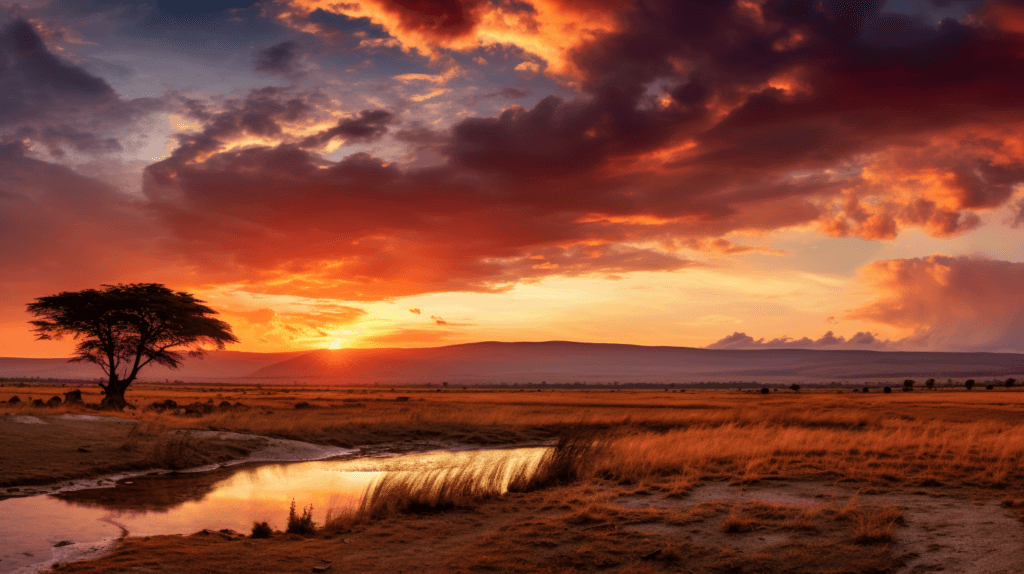
A visit here is not a walk-up attraction. You experience Musiara from a game drive vehicle, moving slowly along the elevated tracks that skirt the swamp's edge. The light in the early morning, when ground mist sits over the water and the acacia trees catch the first sun, is genuinely unlike anything you see at midday. That is not a romantic exaggeration. It is a practical reason to be there before 7am.
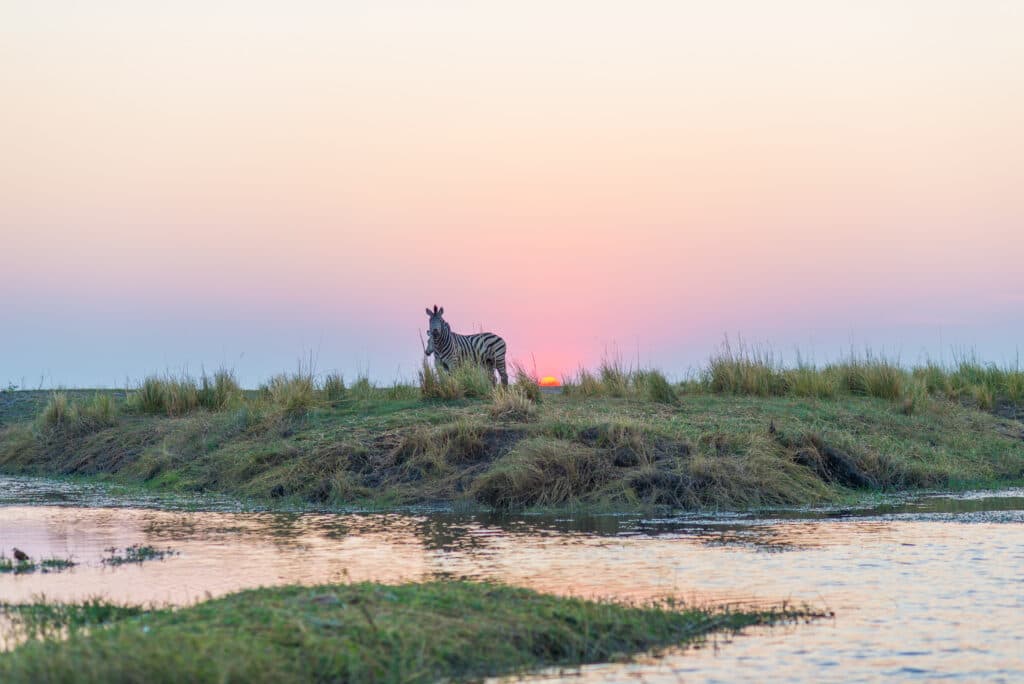
The swamp itself is not a single open body of water. It is more of a mosaic: patches of open mud, dense reed beds, seasonal pools, and drier grassland that grades into the surrounding savannah. Hippos spend daylight hours in the deeper channels. Elephants move through in family groups, often in the late afternoon. Buffalo herds graze the edges.
If the marsh pride lions are present and active, a sighting here can last hours. Guides in the northern Mara tend to know the individual animals and their likely locations, which is one concrete reason to use a knowledgeable local driver rather than self-driving, even if the reserve technically permits it.
Main Highlights
The Marsh Pride
This lion pride has been continuously monitored since the 1970s and is one of the longest-studied lion populations anywhere in Africa. Pride membership and territory shift over generations, but lions associated with this swamp have appeared in more wildlife films than most. Sightings are not guaranteed, but the guides who work this area daily have a very good read on where the pride is denning or hunting at any given time.
Hippo Pools
The channels feeding into the Mara River from Musiara hold some of the reserve's largest hippo concentrations. Watching territorial disputes from a vehicle parked on the bank is one of those experiences that sounds slow until it isn't. Crocodiles are present in the same channels, often motionless on mud banks in the morning sun.
Birdlife
The swamp is home to African fish eagles, malachite kingfishers, African jacanas, various herons, and during the wet season, large numbers of wading species. Birders staying in the northern Mara often specifically request early drives to the swamp for this reason. The species variety here is noticeably different from what you see on open plains drives.
The Mara River Crossing Zone
Musiara sits near one of the key wildebeest crossing points on the Mara River. During the annual migration, typically peaking between July and October, the northern sections of the reserve see enormous herds building up near the river before committing to a crossing. Witnessing a crossing is partly a waiting game, and positioning near Musiara in the morning puts you within range of several crossing points.
Best Time to Visit
The honest answer is that Musiara rewards visits at any time of year because of the permanent water. Dry season months, roughly June through October, concentrate wildlife around the swamp more intensely as other water sources dry up. This overlaps with the wildebeest migration, which makes July through September the most competitive period for game viewing in terms of both wildlife activity and vehicle numbers.
The long rains in April and May make tracks around the swamp very difficult and some camps close for maintenance. If you visit during the shoulder months of November or March, you often get excellent wildlife with dramatically fewer vehicles.
Photography Tips
Arrive before sunrise. The soft light lasts roughly 90 minutes after dawn and the animals are most active during this window. A telephoto lens of at least 300mm is practical for most wildlife shots from a vehicle. Bring something longer if lions or leopards are your priority.
The misty mornings over the swamp create atmospheric landscape shots that work well with a wider focal length. The problem is that mist and long grass together make it difficult to photograph animals cleanly. Ask your guide to position the vehicle on slightly elevated ground when possible.
In-vehicle movement and engine noise affects animal behavior less than you might expect once they are habituated to vehicles. Keep your movements slow, avoid sudden sounds, and let the guide manage positioning rather than directing from the back seat.
Combining with Nearby Attractions
The Mara North Conservancy directly borders the northern edge of the reserve and many camps use both areas on the same day. The conservancy allows walking safaris and night drives that the national reserve does not permit, so a morning drive to Musiara followed by an afternoon walking safari in the conservancy is a genuinely varied day.
The Mara River itself is worth following upstream toward Governors' Camp and the famous crossing points. The Fig Tree Camp area and Governors' are roughly 15 to 20 minutes from the swamp and have their own hippo and crocodile concentrations.
Practical Tips
Book camps in the northern Mara specifically if Musiara is a priority. Camps near Musiara Gate or inside the Mara North Conservancy are best placed.
Confirm track conditions with your camp or guide the evening before. The swamp area floods seasonally and some routes close temporarily.
Carry more camera battery and memory card capacity than you think you need. Long sightings drain batteries quickly.
Neutral or earth-toned clothing is practical. Bright colors are not prohibited but tend to unsettle animals at close range.
Reserve fees for the national reserve are paid at the gate or handled by your camp. Confirm this is included in your accommodation package before arrival.
Self-driving is technically possible but local guide knowledge around the swamp is genuinely valuable for finding the marsh pride and reading the terrain.
FAQ
Is Musiara Swamp inside the main Maasai Mara National Reserve?
Yes. It sits within the reserve's northern section, close to the Mara River and the boundary with the Mara North Conservancy. Your standard reserve entry fee covers access.
Can you walk at Musiara Swamp?
Walking is not permitted inside the national reserve. If you want a walking experience near the swamp, the adjacent Mara North Conservancy allows guided walking safaris, which most northern camps can arrange.
How reliable are lion sightings here?
More reliable than most places in the Mara, but nothing is guaranteed in the wild. The marsh pride uses a large territory and may be several kilometers away on any given morning. Guides with daily knowledge of the pride's movements give you the best odds.
Is Musiara worth visiting outside the wildebeest migration?
Absolutely. The permanent water means elephants, hippos, buffalo, and resident predators are present year-round. The dry season months outside migration often deliver exceptional big cat sightings with fewer vehicles competing for the same spots.
Reviews
Sign in and mark this place visited to leave a review.
No reviews yet.
Free Trip Planner
Plan your Kenya trip with our free planner
Build a day-by-day itinerary with AI suggestions, hand-picked places, and friends. Free forever — no credit card.