Olare Orok Conservancy
Maasai Mara National Reserve Kenya Posted by Brandon B.Admin
What Makes Olare Orok Conservancy One of Kenya's Best Wildlife Destinations
Olare Orok Conservancy sits on roughly 33,000 acres of prime savanna grassland along the northern edge of the Maasai Mara ecosystem in Kenya. Bordering the Maasai Mara National Reserve directly, it forms part of a larger network of private conservancies that together extend the protected wildlife corridor well beyond the reserve's official boundaries. The result is one of the most ecologically intact stretches of East African wilderness you can access as a visitor.
What separates Olare Orok from the main reserve is a simple rule: far fewer vehicles are permitted inside at any one time. Sightings here tend to feel genuinely private. You can watch a cheetah mother teaching her cubs to hunt without a convoy of minibuses forming around you. That alone is worth the trip for many people.
Why Olare Orok Conservancy Matters
The conservancy was established through a partnership between local Maasai landowners and a small number of conservation-focused safari camps. Landowners lease their grazing land under agreements that link their income directly to wildlife protection rather than livestock farming. It's a model that has worked well across Kenya's private conservancy sector, and Olare Orok is often cited as one of the better examples of how it can function in practice.
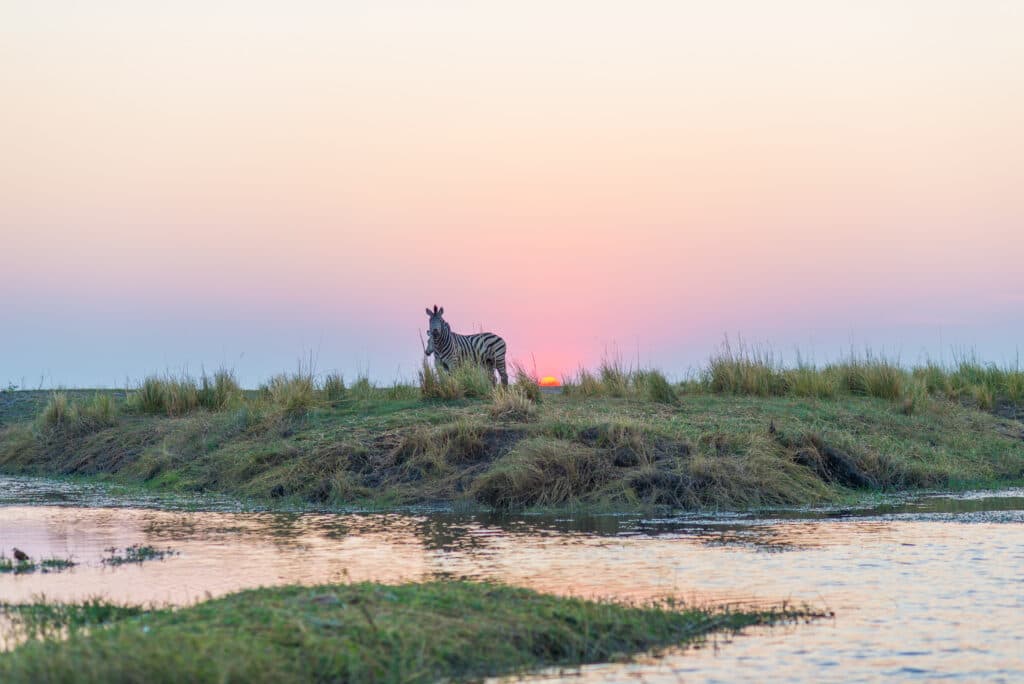
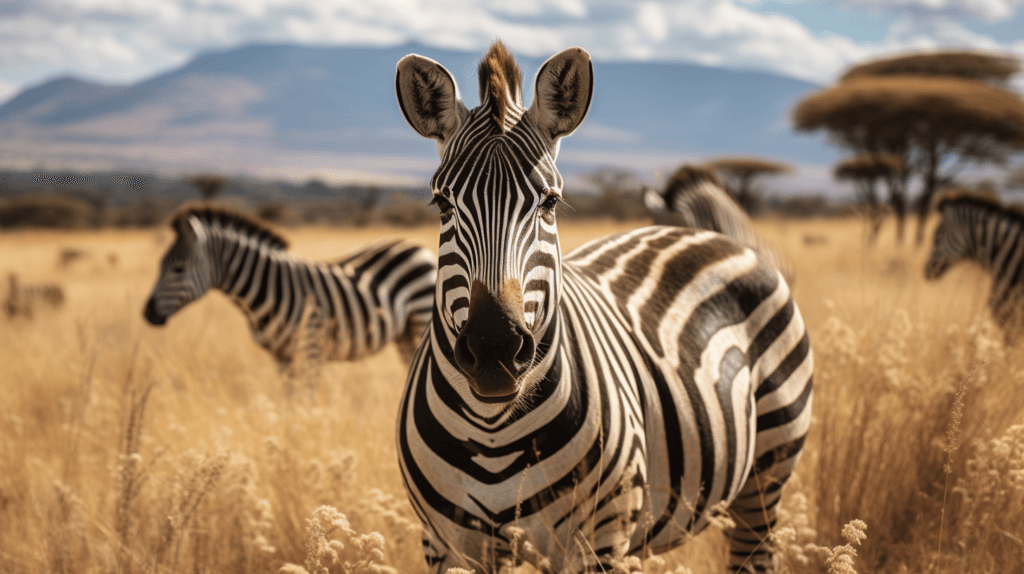
The conservancy is also a critical buffer zone during the Great Migration. Between roughly July and October, wildebeest and zebra pour northward out of the Serengeti in Tanzania and fan across the Mara ecosystem. Because Olare Orok connects seamlessly to the national reserve, herds move through it freely. The famous Mara River crossings happen close enough that camp guests often reach them in under 30 minutes by vehicle.
Predator density here is genuinely high. Lions, leopards, cheetahs, and hyenas all hold territory within the conservancy. The low vehicle numbers mean that animal behavior is less disrupted than in the main reserve, so you're more likely to observe natural hunting sequences from start to finish rather than catching only the tail end.
Quick Facts
- Location: Northern edge of the Maasai Mara ecosystem, Narok County, Kenya
- Size: Approximately 33,000 acres of private conservancy land
- Access: For guests of the conservancy's partner camps only, not open to day visitors from outside
- Game drives: Morning, afternoon, and night drives all permitted (night drives are not allowed inside the national reserve)
- Walking safaris: Permitted with an armed Maasai guide, subject to conditions
- Wildlife year-round: Big cats, elephant, buffalo, giraffe, and hundreds of bird species
- Migration season: Peak July to October, though wildlife is excellent throughout the year
Getting There
Most guests fly into one of the small airstrips near the conservancy from Nairobi's Wilson Airport. Flight time is typically around 45 minutes. Your camp will coordinate the transfer, and a vehicle from the lodge meets you directly on the airstrip, so there's no complicated ground logistics to manage.
If you prefer to drive, the journey from Nairobi takes roughly five to six hours depending on road conditions, following the main road southwest through Narok town and then into the Mara. The final stretch is unpaved and can be rough in the wet season, so a 4WD is non-negotiable. Flying is genuinely worth it if your budget allows.
The Layout and Experience
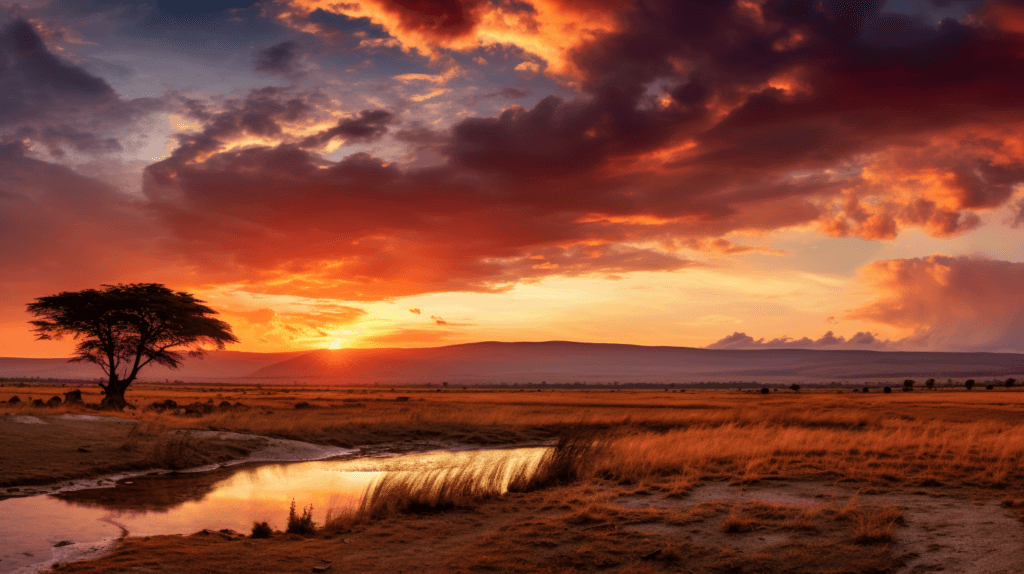
The conservancy's terrain is a mix of open grassland plains, seasonal luggas (dry riverbeds that fill after rain), patches of acacia woodland, and the Olare Orok stream itself, which runs through the property and draws wildlife year-round. The stream corridor is particularly productive for leopard sightings, as the dense vegetation gives them cover.
Because access is restricted to guests of the affiliated camps, the experience has a different texture from visiting the main reserve. Your guide is typically assigned to you for the duration of your stay, which means they get to know your interests and learn the behavior patterns of specific animals in the area over your visit. It feels less like a tour and more like going out with someone who actually lives there.
Night drives are one of the genuine advantages of staying in a private conservancy. After dark, you have a real chance of encountering aardvark, serval, porcupine, and the various smaller cats that rarely show themselves in daylight. Bring a warm layer regardless of the time of year, because the open vehicle gets cold once the sun drops.
Main Highlights
Big Cat Sightings
Olare Orok has a reputation among safari guides as one of the most reliable places in the Mara ecosystem for cheetah. The open plains give them room to hunt, and the reduced vehicle pressure means they are less likely to abandon a stalk when you arrive. Lion prides with cubs are regularly spotted near the stream and in the acacia groves on the western side of the property.
The Great Migration
During the migration months, the conservancy transforms. Wildebeest herds can stretch to the horizon in every direction, and the noise and movement of hundreds of thousands of animals is something that is difficult to describe before you've experienced it. The river crossing points on the Mara River are accessible from within the conservancy without the vehicle congestion that can make the same sightings frustrating from the main reserve side.
Walking Safaris
Walking here is a completely different experience from a game drive. Moving on foot through the same landscape at ground level, reading tracks, and identifying plants and insects with a Maasai guide recalibrates your sense of scale in a way that sitting in a vehicle simply doesn't. Walks are usually done in the early morning and are limited to small groups.
Best Time to Visit
The conservancy rewards visitors in every month, but the timing depends on what you want to see. The dry season from late June through October brings the migration and concentrates wildlife around water sources, making game viewing generally easier. This is also the most popular period, so camps book out well in advance, often a year or more ahead for peak migration weeks.
The green season, roughly November through May, brings dramatic skies, newborn animals, and far fewer visitors. The long rains in April and May can make some tracks difficult, but the landscape is lush and the birding is exceptional. If big cat sightings are your priority, the green season is often underrated because prey animals are spread out and predators are actively hunting.
Photography Tips
The golden light in the Mara hits best in the first and last 90 minutes of daylight. Ask your guide to time game drives around this window if photography is important to you. The open terrain means you often have clean backgrounds without obstructions, which is a genuine advantage over more wooded safari environments.
For the migration, a longer telephoto lens lets you capture the chaos of a river crossing without needing to be dangerously close to the bank. A second body with a wider lens is useful for environmental shots that show the scale of the herds. Dust is a constant issue, so keep your gear covered between shots.
Combining with Nearby Attractions
The Mara North Conservancy and Naboisho Conservancy border Olare Orok and operate under similar private conservancy models. Some itineraries move guests between two or three of these properties over the course of a week, which gives you varied terrain and different wildlife concentrations without ever entering the more crowded sections of the national reserve. It's worth discussing with your camp whether a cross-conservancy itinerary makes sense for your dates.
The town of Narok, about two hours north by road, has fuel and basic supplies if you're driving in. Most guests don't visit it independently, but it's useful to know it exists if you're self-driving.
Practical Tips
- Book your camp at least six months ahead for any travel between July and October. One year ahead is safer for the peak migration weeks in August.
- Pack neutral colors for game drives. Bright clothing can disturb wildlife and is generally discouraged by guides.
- Conservancy fees are typically included in your camp rate, but confirm this when booking to avoid surprises.
- Malaria prophylaxis is strongly recommended. Consult a travel health clinic before departure.
- Power at most camps is solar-based. Bring a universal adapter and a portable battery bank for charging camera gear overnight.
- Tipping is customary for guides and camp staff. Ask your camp for current norms so you budget appropriately.
- Altitude here is modest, around 5,000 feet, so acclimatization is not a significant concern for most visitors.
FAQ
Can I visit Olare Orok Conservancy as a day visitor?
No. Access is restricted to guests staying at the conservancy's partner camps. This is precisely what keeps vehicle numbers low and the wildlife experience high quality.
How does Olare Orok differ from the Maasai Mara National Reserve?
The national reserve is a public park open to all operators and day visitors, which means vehicle numbers can be very high at popular sightings. Olare Orok is private conservancy land with strict limits on how many vehicles can be inside at any time. Night drives and off-road driving are also permitted in the conservancy but not in the reserve.
Is Olare Orok suitable for families with children?
Most camps in the conservancy set a minimum age of around seven or eight years for game drives, though this varies by property. Walking safaris typically have a higher minimum age. Check directly with your chosen camp when booking.
What is the accommodation like?
The camps within Olare Orok tend toward the upscale and luxury end of the market. Expect canvas-walled tents with proper beds, en-suite bathrooms, and full meal service. This is not a budget destination, and the conservancy fee structure reflects that.
Opening hours
Reviews
Sign in and mark this place visited to leave a review.
No reviews yet.
Free Trip Planner
Plan your Kenya trip with our free planner
Build a day-by-day itinerary with AI suggestions, hand-picked places, and friends. Free forever — no credit card.