
Osteria del Treno
Osteria del Treno, Via S. Gregorio, 46, 20124 Milano MI, Italy Posted by Brandon B.Admin
Osteria del Treno: Milanese Tradition in the Navigli
Osteria del Treno sits on Via S. Gregorio in Milan's Navigli neighborhood, a district defined by its network of canals and tight grid of brick buildings. The restaurant occupies a modest corner space that has earned quiet respect among Milanese regulars over decades. This is not a destination that announces itself loudly. Instead, it operates on the assumption that the food speaks first, and the lineage second.
The osteria's name references the nearby railway, a working reminder that this part of Milan was built for movement and commerce, not for tourists. That sensibility carries through the dining room: straightforward, honest, unadorned. You'll find no exposed Edison bulbs or reclaimed wood here. What you will find is evidence of long operation—worn counters, a bar that has served thousands of aperitivos, and walls that have absorbed decades of conversation.
What the Kitchen Is Known For
Osteria del Treno has built its reputation on Milanese classics executed without pretense. The kitchen tends to prepare risotto alla milanese, the city's signature dish, with the kind of consistency that comes only from making it nearly every service. The saffron-infused rice should arrive creamy, neither loose nor stiff, finished with butter and Parmigiano-Reggiano.
Cotoletta alla milanese appears regularly, the breaded veal cutlet fried until the coating turns golden and crisp. Osso buco, the braised veal shank, is another house constant. The kitchen often features seasonal preparations of offal and secondary cuts—liver, tripe, and oxtail—which speaks to the osteria's commitment to the older Milanese tradition of resourceful, economical cooking.
Polenta, fresh pasta, and slow-cooked meats dominate the menu. Expect soups built around beans or vegetables. If you arrive during the right season, you may encounter game preparations. The wine list leans heavily on Lombardy and Piedmont, with some Tuscany represented. Many bottles arrive at modest markups, though the list is not designed to be bargain hunting.
Atmosphere and Setting
The dining room is split across two levels, with a standing bar area near the entrance. Tables are close together. The acoustics can turn loud during peak hours, especially if the room fills with a mix of families, couples, and groups of older men who come for lunch and stay to talk. This is by design. The tightness and noise level are part of what makes the space feel authentic and lived in.
Decor is minimal. Walls are painted a neutral tone. You may notice old photographs, a mirror or two, and not much else. The focus remains on the food and the company. If you prefer dining in silence, or if you need elbow room between tables, this is not the place for you.
Service and Experience
Service tends to be attentive without being fussy. Staff know the menu deeply and can guide you through the options. They are accustomed to regulars and to first-time visitors alike. Expect direct, efficient table management rather than theatrical service.
Meals here tend to move at a moderate pace. Courses arrive in proper sequence. If you are in a hurry, the osteria will accommodate you, but the space itself seems to discourage rushing.
Reservations and Waits
Osteria del Treno accepts reservations and operates on a walk-in basis as well. Lunch service tends to fill with office workers and locals from the neighborhood. Dinner can be busy, especially on weekends and Thursday through Saturday evenings. If you arrive without a reservation during peak hours, you may wait 20 to 45 minutes depending on the season and day of the week. Calling ahead is the safer choice if you have a specific time in mind.
Price Tier
This is a mid-range establishment. You can expect to pay moderate prices for traditional Milanese food prepared with skill and consistency. A meal with pasta or risotto, a second course, and wine will land in the mid-range band. There are no tasting menus or premium pricing mechanisms. What you pay reflects the food and the setting, not the name or the fashion of the moment.
Best Time to Visit
Lunch service, particularly on weekdays, tends to be less chaotic than dinner. The neighborhood has a different character during daylight hours—more working Milan, less nightlife crowd. If you want to observe the osteria in its native habitat, a Tuesday or Wednesday lunch is ideal.
Spring and autumn offer the most comfortable conditions for walking to and from the Navigli. Winter can be gray and cold. Summer brings tourists, which can shift the energy of the neighborhood.
Good to Know Before You Go
- The osteria does not take credit card reservations online. Call ahead or arrive in person to book.
- Menu items may vary based on season and availability. Signature dishes like risotto alla milanese and cotoletta tend to remain constant.
- The neighborhood has limited parking. Public transport via tram or metro is the easier option.
- Expect an Italian-language menu. Staff can offer guidance, but it helps to have some familiarity with basic Italian dishes or to come with a translation app.
- The bar area fills with aperitivo drinkers in early evening. If you prefer a quieter meal, avoid the window between 6pm and 7pm.
Neighborhood and Location Context
The Navigli district, where Osteria del Treno is located, is one of Milan's oldest neighborhoods. The canals that define it were engineered during the Renaissance to move goods and water through the city. Today they remain, lined with restaurants, bars, and galleries. The area attracts both locals and visitors, though it retains a neighborhood feel in pockets like this one.
Via S. Gregorio is a quiet side street. The osteria is not on the main canal promenade, which means it draws fewer casual passersby and more intentional visitors. This works in its favor. The surrounding blocks contain small shops, residential buildings, and other local restaurants. It is an area to explore on foot.
Who This Is For
Osteria del Treno suits travelers who want to eat Milanese food the way Milanese people eat it, in a space that has not been designed for the Instagram age. This is appropriate for lunch or dinner. It works well for small groups and couples. If you are traveling with children, the environment is family-friendly, though the noise level and close seating may feel tight with very young kids.
This osteria is not designed for fine dining occasions or celebrations that require special treatment. It is designed for eating well and consistently, without ceremony. Come expecting solid food and a genuine neighborhood atmosphere, and you will leave satisfied.
FAQ
- How far is Osteria del Treno from the city center? The osteria is approximately 3 kilometers south of the Duomo. By tram or metro, the journey takes 15 to 20 minutes depending on your starting point.
- Do they have vegetarian options? The menu is meat-forward, but the kitchen can prepare vegetable-based dishes and risotto. Mention dietary preferences when reserving or ordering.
- Is the osteria closed on certain days? Confirm current closing days by calling ahead, as these can vary seasonally.
- Can I order takeaway? Some osterie in Milan offer takeaway for certain dishes. Call to ask about current options.
- What is the dress code? Smart casual is appropriate. This is a neighborhood restaurant, not a formal establishment.
Reviews
Sign in and mark this place visited to leave a review.
No reviews yet.
Free Trip Planner
Plan your Italy trip with our free planner
Build a day-by-day itinerary with AI suggestions, hand-picked places, and friends. Free forever — no credit card.
Things to see near Osteria del Treno
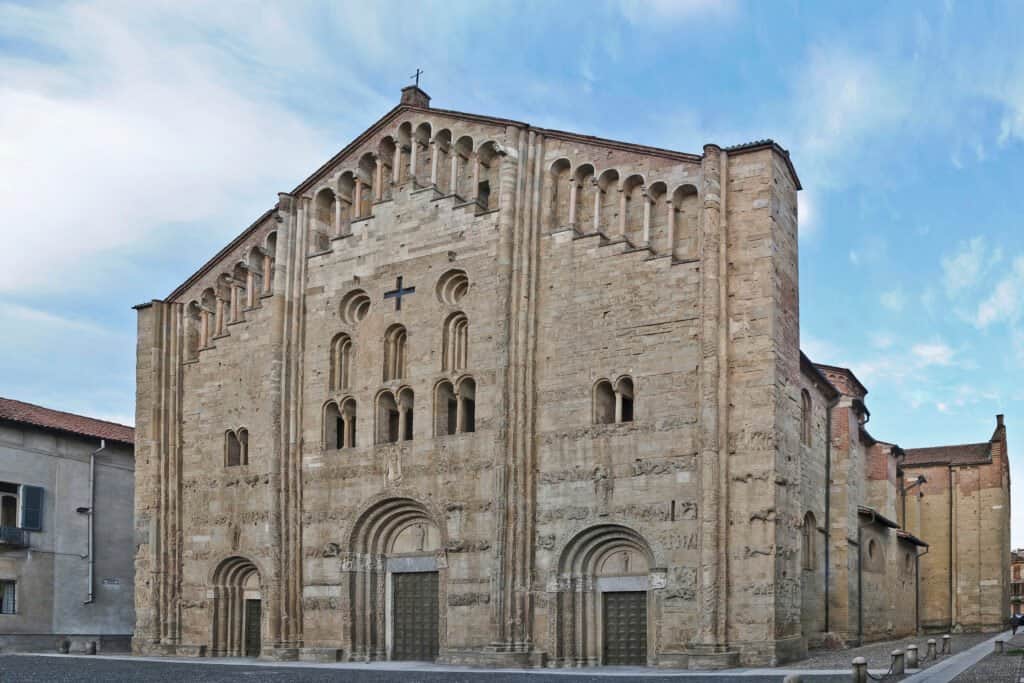
San Michele Maggiore Church
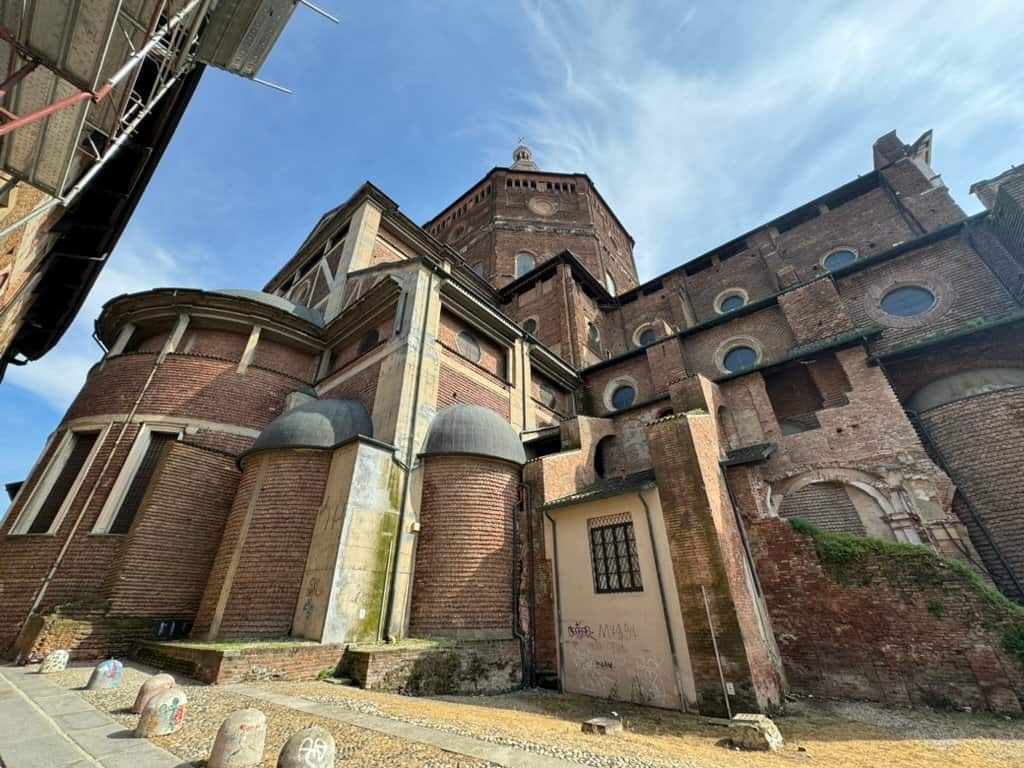
Cathedral of Pavia
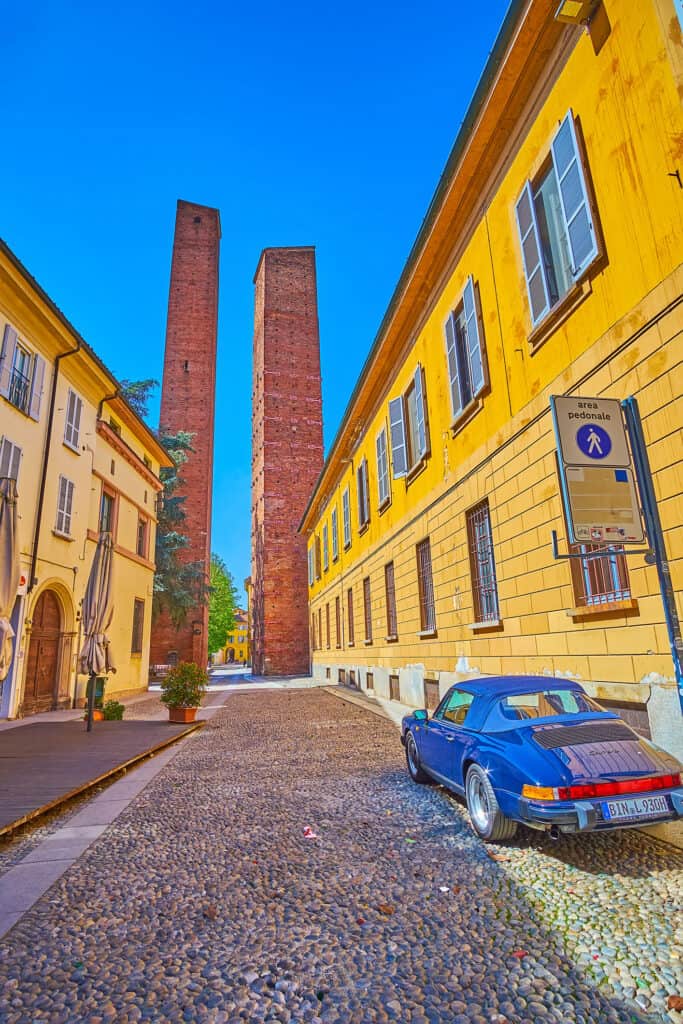
Towers of Pavia (Torri di Pavia)
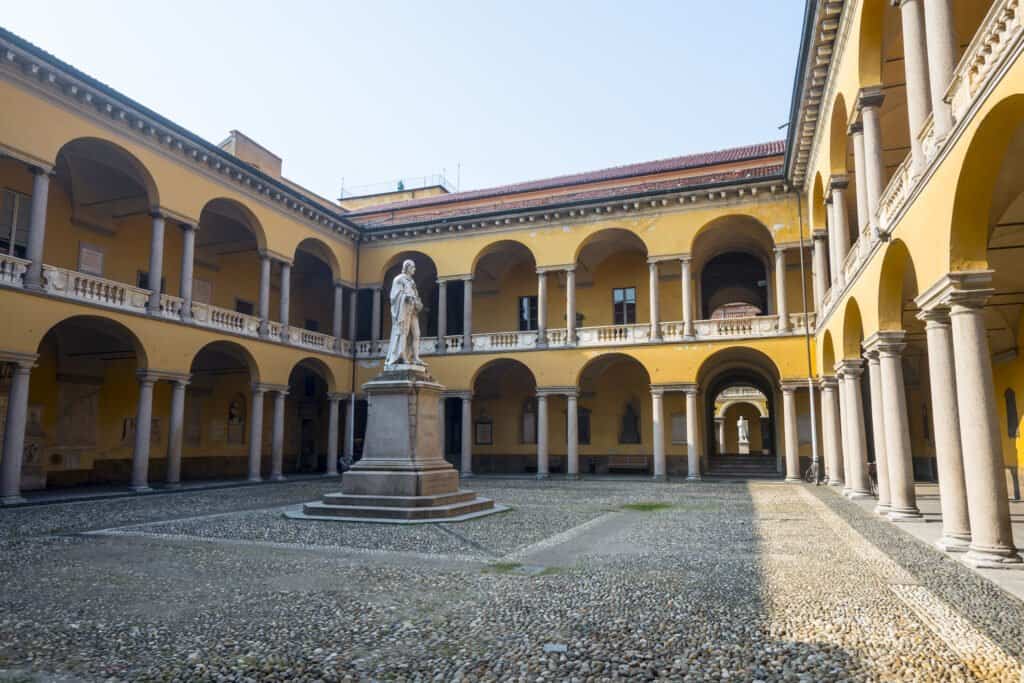
The University of Pavia
Places to eat or drink near Osteria del Treno

Pasticceria Vigoni

Pizza e Mozzarella
![[LA] Gelateria della Musica](https://lh3.googleusercontent.com/grass-cs/AABkmLezQ1aahZ3Sj4IKvguuB34dH27jVTId85hNXzYEv9WG7GfBYHmI1cwHUPQVisLeNLAKCNmd1glh0QlkPrqj2oRaVJ7D4jkdmWOq7BbYLzAtEceYr8t1MxXkfmk96U5ezHE2vYUBkvyeVynx=s4800-w1600-h1600)
[LA] Gelateria della Musica

Officina Milano
More places in Milan

miscusi Milano Centrale

Brera District
Reminisce The Good Ol’ Days At La Scala
