Overview
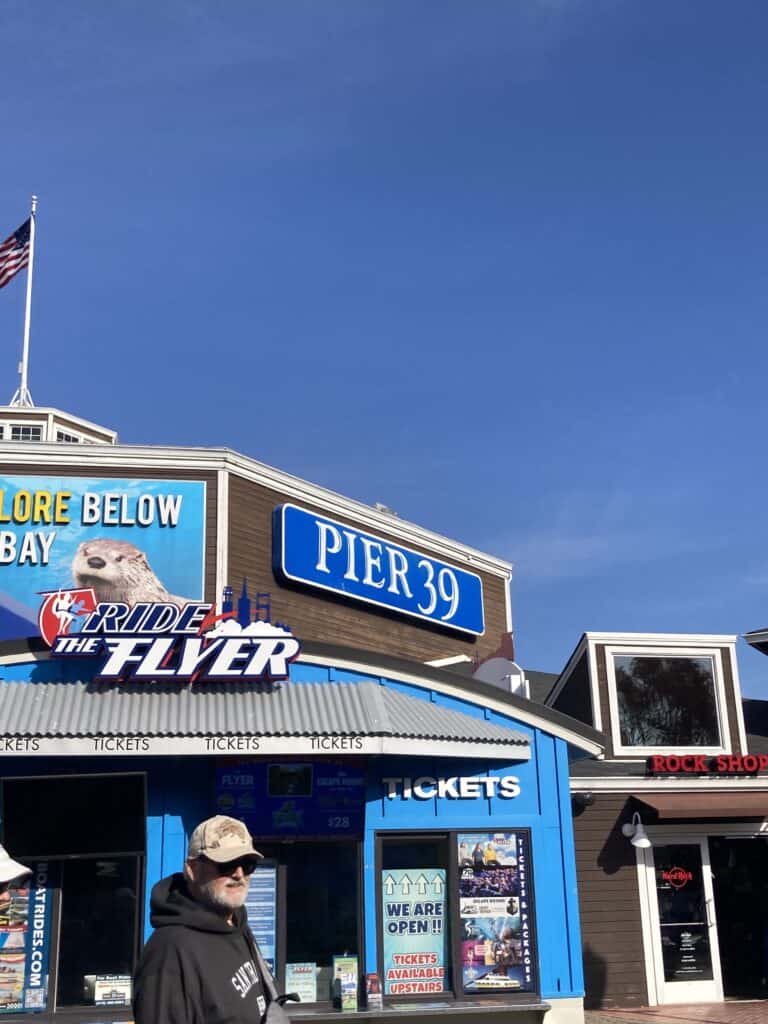
Pier 39 is San Francisco's most visited tourist attraction, drawing over 10 million visitors annually to its sprawling waterfront complex on The Embarcadero. Built in 1978, this working pier combines shopping, dining, and entertainment with unobstructed views of the Golden Gate Bridge and the San Francisco Bay. The pier has become synonymous with the city's waterfront experience, though locals and repeat visitors often debate whether the crowds justify the trip.
The complex stretches two city blocks and feels like a self-contained village. You'll find everything from souvenir shops and chain restaurants to live street performers and sea lions lounging on the docks. The energy shifts dramatically depending on time of day and weather, transforming from a packed tourist gauntlet in afternoon sunshine to something closer to a genuine working harbor in the morning or after rain.
Why this place matters
Pier 39 represents the modern reinvention of San Francisco's waterfront. In the 1970s, the docks were declining and largely inaccessible to the public. The pier's development marked a shift toward turning the waterfront into a mixed-use destination that could generate revenue while preserving maritime character. The decision to keep it a working pier meant that fishing boats, ferries, and harbor tours operate alongside the shops and restaurants.
The sea lions became an unexpected cultural phenomenon. In 1989, a colony of California sea lions began hauling out on the K Dock, likely displaced by the Loma Prieta earthquake and changes in food availability. They've remained ever since, becoming one of the pier's defining features and a draw for marine biology enthusiasts.
Quick facts
- Opened in 1978 as a working pier and commercial complex
- Located at The Embarcadero at Beach Street, roughly 2 miles northeast of downtown
- Home to over 100 businesses including shops, restaurants, and attractions
- Free to enter and walk; specific attractions charge separate admission
- Sea lions typically present year-round on the K Dock, usually 600 to 900 individuals
- Parking available in the nearby Pier 39 Garage and surrounding structures
Getting there
The easiest approach is the F-line historic streetcar, which runs directly along The Embarcadero and stops at the pier entrance. If you're walking from downtown San Francisco, the route takes roughly 20 to 25 minutes along the waterfront promenade, offering bay views the entire way.
By car, parking is available in the Pier 39 Garage directly adjacent to the complex. Street parking along The Embarcadero is limited and highly competitive, especially on weekends. If you're arriving by ferry, Pier 39 hosts service from the East Bay and Marin County, so you may arrive directly at the complex.
Public transit via Muni buses also serves the area. Lines 30, 45, and 47 stop nearby, though they tend to be crowded during peak tourist hours.
The layout and experience
The pier is organized into two main sections divided by the central plaza. The upper level, closest to Beach Street, concentrates most of the retail and dining. The lower level, facing the water, contains the sea lion docks and harbor tours. The layout is intentionally designed to funnel foot traffic, which means navigating during peak hours (11am to 4pm) requires patience.
The K Dock is where the sea lions congregate. You can view them from the upper decks without additional cost, though the smell is significant and the barking carries well. The pier's harborside edge offers the clearest views of Alcatraz Island, the Golden Gate Bridge, and Angel Island across the water.
Street performers occupy various spots throughout the pier, from musicians near the entrance to living statues and magicians deeper in the complex. Quality and authenticity vary widely. Some are genuinely skilled; others are barely distinguishable from the souvenir vendors.
Main highlights
The sea lions are the primary draw. Watching them interact, bark, and jostle for space on the docks provides surprisingly engaging free entertainment. They're most active in the morning and less crowded then as well. Bring binoculars if you have them; the detail makes a difference.
Aquarium of the Bay occupies a significant portion of the lower pier. It features tanks focused on local San Francisco Bay marine life, from jellyfish to leopard sharks. The aquarium operates on a general admission model with timed entry recommended during busy periods.
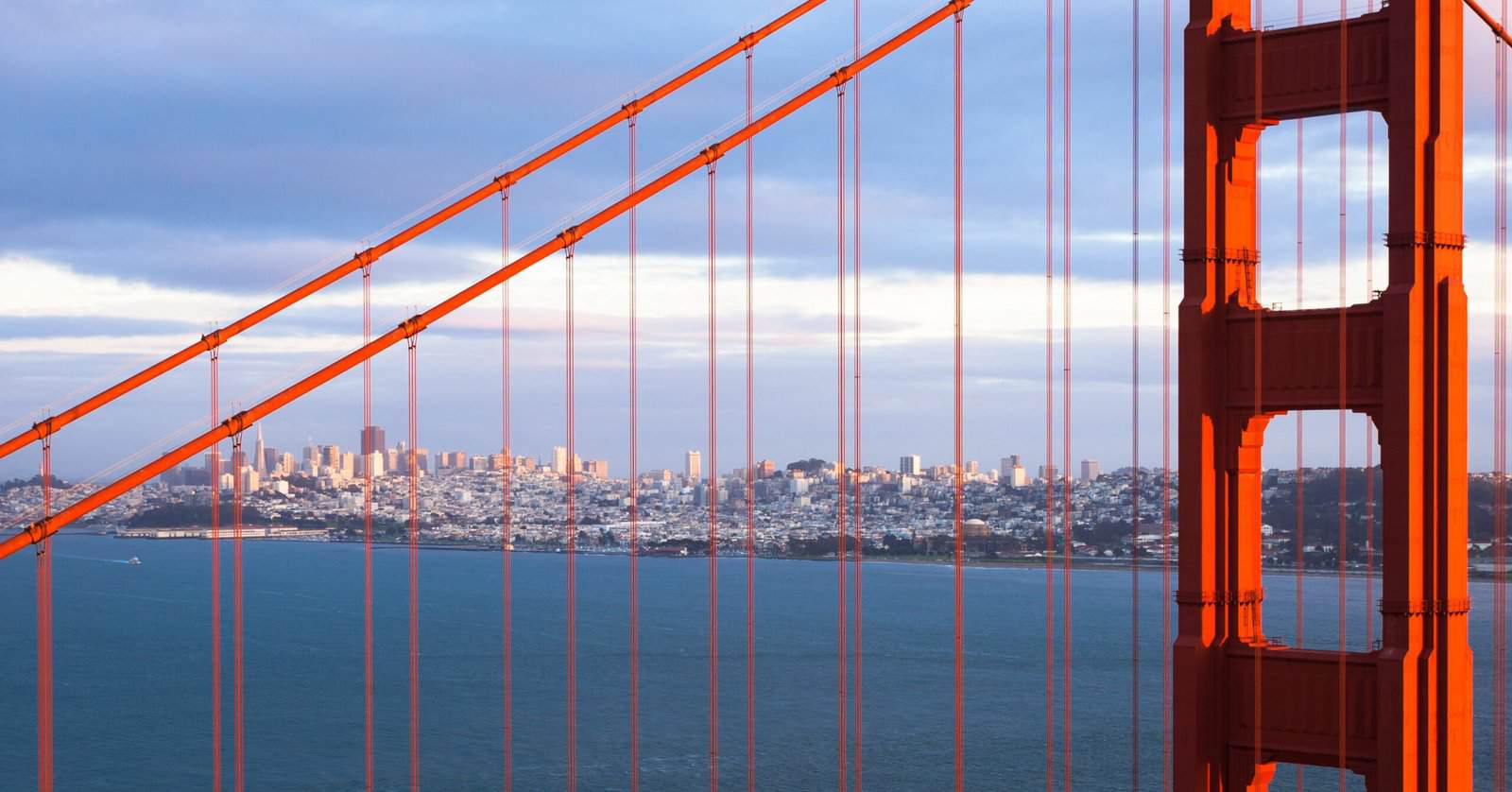
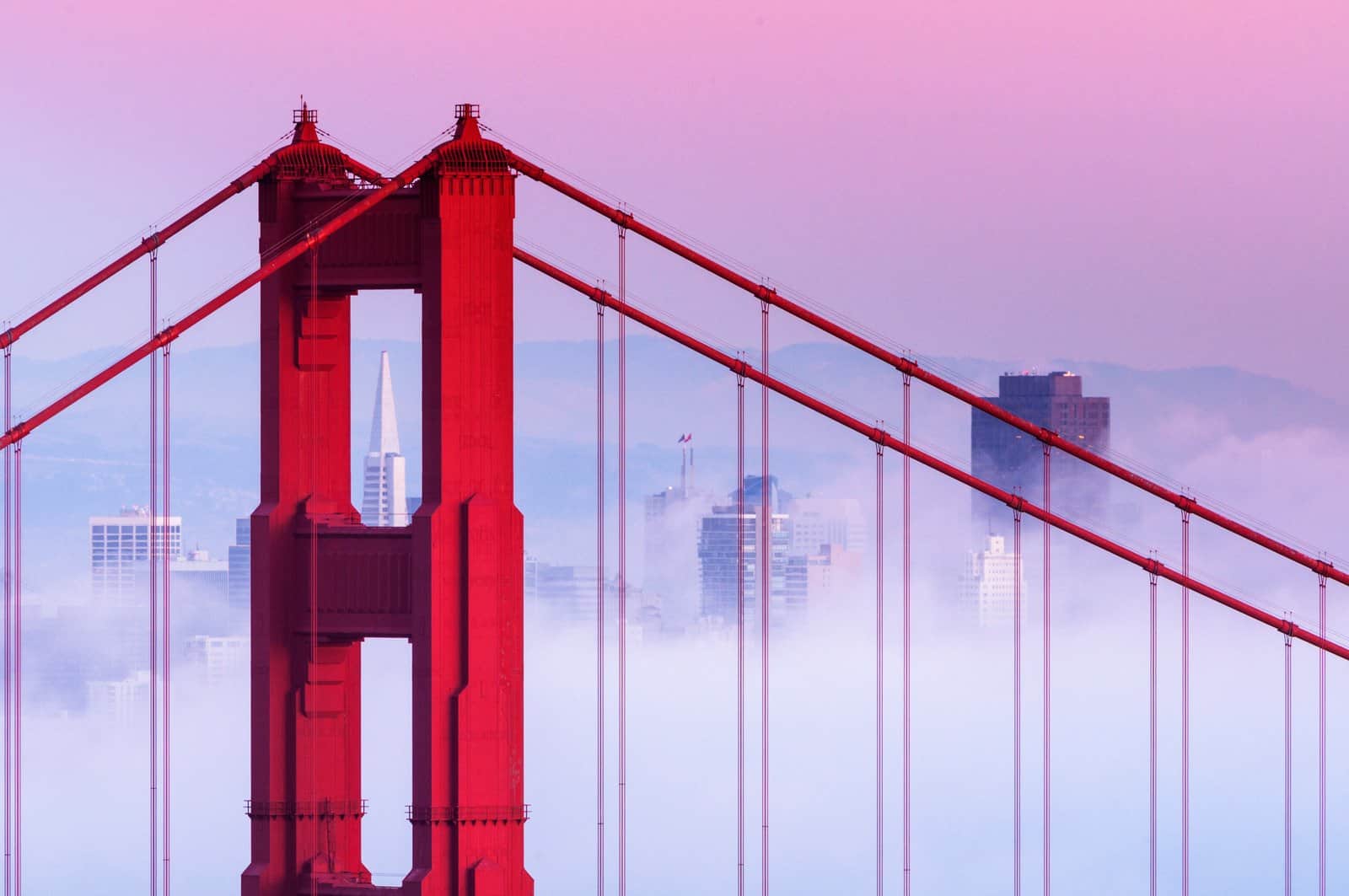
The views from the outer edge of the pier are unmatched for photography. The angle toward the Golden Gate Bridge is particularly strong in late afternoon when the light turns golden and the bridge casts into shadow. On clear days, visibility extends to the Marin Headlands and Mount Tamalpais.
Dining ranges from casual food court options to sit-down restaurants with bay views. Most establishments are mid-range in price and oriented toward tourists. If you want a meal with a view, expect to wait during lunch and dinner hours, especially on weekends.
History and background
The original Pier 39 was constructed in the 1920s as a fishing pier. It fell into disrepair after World War II as San Francisco's maritime industry declined. In 1978, developer Lester Horwitz oversaw a major redevelopment that transformed it into a public-private mixed-use space. The design explicitly retained working maritime functions alongside commercial tenants, distinguishing it from purely recreational waterfront developments in other cities.
The pier survived the 1989 Loma Prieta earthquake with minimal structural damage, though the event caused significant disruption to the surrounding waterfront infrastructure. The sea lions arrived shortly after, likely due to earthquake-related food web changes and the temporary closure of other harbor areas.
In 2000, the pier underwent a major renovation that expanded retail space and improved facilities. The Aquarium of the Bay opened in 1996 and remains the pier's largest single tenant.
Tickets and entry
Walking Pier 39 itself is completely free. You pay only for specific attractions. The Aquarium of the Bay operates on a general admission ticket system. Guided harbor cruises depart from the pier and charge per person. The Musée Mécanique collection of antique mechanical machines charges per machine interaction (usually coins or small bills). Street performances typically operate on a tip basis.
Most restaurants operate on a standard pay-as-you-dine model, with prices reflecting the tourist location and bay views.
Best time to visit
Weekday mornings from 8am to 11am are noticeably quieter than afternoons and weekends. If you want to see the sea lions without navigating massive crowds, come early or visit on a weekday if your schedule allows.
Weather-wise, late September through early November offers reliable clear days with fewer tourists than summer. Fog tends to roll in during summer afternoons, obscuring the bridge and distant views. Winter brings fewer visitors but also more unpredictable weather and occasional pier closures due to high winds or rough seas.
Avoid peak hours if crowd tolerance is low. Summer weekends between noon and 4pm are nearly impassable for comfortable walking.
Photography tips
The sea lions require some patience and positioning. Get low if you can, shooting from the lower decks to include water and sky context. Early morning light is softer and reduces harsh shadows on the docks.
For bridge and skyline shots, the pier's outer edge facing west is the strongest vantage. Afternoon light (3pm to 5pm) creates warm tones on the bridge, while midday tends toward flat blue skies. Overcast days sometimes photograph better than clear ones because the even light reveals more detail in the bridge structure.
Close-up shots of sea lions require a zoom lens or significant cropping. Smartphone photos work for establishing shots and landscapes but struggle with animal detail.
Facilities and preparation
Restrooms are available throughout the pier, though they can have long lines during peak hours. The pier is largely flat and accessible, with ramps available for strollers and wheelchairs.
The waterfront wind is real. Bring a jacket even on warm days. Sunscreen is essential if you plan to spend hours on the pier, as the sun reflects intensely off the water and concrete.
Cell service is generally reliable but can be spotty on the lower decks near the sea lion docks. Free wifi is available in most retail establishments if needed.
How it compares to similar places
Pier 39 is more commercialized than other San Francisco waterfront attractions like the Ferry Building Marketplace or Fisherman's Wharf proper. It functions more as a theme park version of a working pier than as an active maritime district. The Ferry Building, by contrast, operates as a genuine farmers market and artisanal food hub with less theatrical energy.
Compared to Santa Monica Pier or similar West Coast attractions, Pier 39 is more crowded and less walkable, but it offers better views of iconic landmarks and more reliable sea life viewing.
Combining with nearby attractions
The waterfront promenade extends both north and south from Pier 39, offering additional exploration. Fisherman's Wharf is directly adjacent, with its own fishing boats and seafood restaurants. The Ferry Building Marketplace is a 10 minute walk south and worth visiting if you want higher-quality food and fewer crowds.
Alcatraz Island ferries depart from Pier 33, just 5 minutes north. Many visitors combine Pier 39 with an Alcatraz tour in a single day, though Alcatraz requires separate advance booking.
The North Beach neighborhood begins immediately inland from the pier, offering Italian restaurants, City Lights Bookstore, and quieter side streets away from the waterfront crowds.
Sample visit plan
Arrive by 9am on a weekday if possible. Start at the K Dock to view the sea lions while the pier is still relatively quiet. Walk the perimeter to get bay views and take photographs, which takes roughly 30 to 45 minutes depending on photo stops.
Grab coffee or breakfast at one of the less-crowded spots near the entrance. Visit the Aquarium of the Bay if marine life interests you, allowing 60 to 90 minutes. By 11am or so, the crowds will have arrived.
If you're still enjoying yourself, explore the retail level, grab lunch, and watch street performers. Plan to leave by early afternoon unless you're particularly invested in the shopping experience. The pier's appeal diminishes significantly once crowded.
Practical tips
- Avoid the center plaza during peak hours. The outer edges offer better views and fewer crowds.
- The sea lion smell is intense and distinctive. Position yourself upwind if the odor bothers you.
- Most restaurants have significant waits during lunch (noon to 1:30pm) and dinner (6pm to 8pm). Eat before or after these windows.
- Bring cash for street performers and Musée Mécanique machines. Some performers don't take cards.
- The pier can close temporarily due to weather or maintenance. Check conditions before visiting in winter.
- Parking fills quickly on weekends. Arrive early or use public transit.
- The gift shops are expensive and generic. If you want genuine San Francisco souvenirs, the Ferry Building and North Beach neighborhoods offer better options.
FAQ
Are the sea lions always present? Mostly yes. The colony typically numbers 600 to 900 individuals year-round, though the exact count fluctuates. Occasionally, portions of the colony relocate temporarily, but most return within days or weeks. Winter tends to have slightly fewer individuals than summer.
How long should I spend at Pier 39? Plan 90 minutes to 2 hours if you're just viewing the sea lions, taking photos, and walking the pier. Add 60 to 90 minutes if you visit the Aquarium. Most visitors spend 2 to 3 hours total. Longer stays tend to involve shopping or dining, which depends on your interests.
Is it worth visiting given the crowds? The sea lions and views are genuinely worthwhile, but the experience is heavily shaped by crowd level. Weekday mornings are significantly better than weekend afternoons. If you arrive early or during off-peak seasons, the answer is yes. If you only have afternoon weekend availability, manage expectations.
Can I bring my own food? Yes, though most people don't because seating is limited and scattered throughout the pier. The restaurants and food stalls are designed to be the primary dining option.
Is there anything to see at Pier 39 besides sea lions and shopping? The views of the Golden Gate Bridge, Alcatraz, and the bay are substantial on their own. The Aquarium of the Bay is a legitimate attraction. Street performers provide entertainment. For some visitors, the human-watching and general waterfront atmosphere is enough.
Reviews
Sign in and mark this place visited to leave a review.
No reviews yet.
Free Trip Planner
Plan your San Francisco trip with our free planner
Build a day-by-day itinerary with AI suggestions, hand-picked places, and friends. Free forever — no credit card.
Related reading
Things to see near PIER 39


Places to eat or drink near PIER 39


More places in San Francisco
Fisherman's Wharf

Altamirano Restaurant & Bar

Comstock Saloon