
Plaosan Lor Temple
Open now
Plaosan Lor Temple
Jl. Candi Plaosan, Dukuh Plaosan, Bugisan, Kec. Prambanan, Kabupaten Klaten, Jawa Tengah 57454, IndonesiaOverview
Plaosan Lor Temple rises out of a quiet stretch of rice fields in Klaten Regency, Central Java, its twin stupas visible from the road long before you reach the gate. The air carries the smell of wet earth and distant wood smoke. You arrive and find yourself alone on the stone platforms, the only sound the wind moving through what remains of the central sanctuary. This is an 8th-century Buddhist temple complex, built during the Sailendra dynasty, and unlike the crowded tourist circuit at nearby Prambanan, Plaosan Lor feels genuinely forgotten.
The temple sits about 15 kilometers from Prambanan temple and is one of Central Java's most significant Buddhist archaeological sites. Most visitors who come to Klaten never make it here. That absence of crowds is part of what makes the place matter.
Why this place matters
Plaosan Lor was constructed in the 8th century during a period when Buddhism and Hinduism coexisted and sometimes competed for royal patronage in Java. The architectural style and carved reliefs suggest it was a major center of Buddhist learning and practice, likely serving monks and royal devotees. The temple's layout reveals sophisticated urban planning and engineering for its era.
What survives today is fragmentary but coherent enough to read the original design. The twin stupas that dominate the site are among the oldest stone structures still standing in Java. Carvings on the remaining platforms show bodhisattvas, narrative scenes, and decorative patterns that influenced later temple construction across the region.
Quick facts
- Built in the 8th century during the Sailendra dynasty
- Located in Klaten Regency, about 15 kilometers northeast of Yogyakarta
- Twin stupas are the most recognizable remaining structures
- Free entry to the temple grounds
- Most easily reached by private transport or guided tour
- Very few facilities on-site; plan accordingly
Getting there
Plaosan Lor sits in countryside between the towns of Prambanan and Klaten. If you're staying in Yogyakarta, the drive takes 30 to 40 minutes depending on traffic. The address on maps will get you close, but the final approach requires navigating narrow rural roads.
Your best option is hiring a car and driver for the day, which costs a mid-range amount and allows flexibility if you want to visit Prambanan or other nearby temples. Motorcycle rental is viable if you're comfortable riding on smaller roads. Public transport exists but requires multiple transfers and won't save you time.
Parking is informal but available near the site. There is no entrance booth, no ticket window, and no staff visible most days. The grounds are open and unfenced.
The layout and experience
The temple complex occupies a rectangular site roughly 150 meters long. The two main stupas sit at the northern end, rising above the surrounding platforms. Between them and south of them lie the remains of smaller shrines, meditation cells, and what was likely a central sanctuary.
Walking through the site, you move across stone platforms at varying heights. Some are intact. Others are broken or partially buried. The carved stone blocks are scattered across the ground, some in place, many removed to museums or left where they fell centuries ago.
The twin stupas are the primary focal point. They stand about 15 meters tall and taper toward a rounded crown. The bases show intricate carving. If you climb the stone steps (worn and uneven), you can reach the upper platforms where the stupas sit. From there, the view extends across rice fields in all directions.
The experience is quiet and contemplative. There are no reconstructed buildings, no shops, no explanatory signage. You're reading the ruins directly, which means having some knowledge beforehand helps significantly. Many visitors spend 30 to 45 minutes on-site. Others linger longer, sitting on the stone platforms and watching the light change.
Main highlights
The twin stupas are unmissable. Their symmetry and remaining stone carving are beautiful, and they're among the best-preserved elements of the complex. Photograph them in early morning light when the sun is low and the shadows are deep.
Look for carved panels still visible on some of the lower platforms. These show narrative scenes and decorative motifs. Many have been weathered smooth by rain and time, but details remain visible up close. The stone quality is fine and the carving precise, suggesting skilled artisans.
The southern platforms contain the remains of smaller shrines and what archaeologists believe were monks' quarters or meditation cells. The layout tells a story of how the complex was organized, even if the buildings themselves are mostly gone.
History and background
Plaosan Lor was built around the mid-8th century, during the reign of King Sailendra, a Buddhist monarch who commissioned several major temples across Java. The name Plaosan may derive from the Sanskrit word for "spreading" or "distribution," though scholars debate the exact etymology.
The temple served as both a religious center and a royal monument. The architectural complexity and the scale of construction suggest significant resources were invested. The presence of smaller shrines and cells indicates it housed a monastic community.
By the 10th century, as political power shifted and Hindu-majority kingdoms became dominant in Java, Buddhist temples like Plaosan Lor fell into disuse. The site was gradually abandoned. Local communities eventually used the stones for other purposes or left them to be reclaimed by earth and vegetation.
Archaeological work began in the 19th and 20th centuries, bringing the site to scholarly attention. Restoration efforts have been limited and ongoing. Much of what survives is fragmentary, and the site remains partially excavated.
Best time to visit
The dry season, roughly May through September, offers the most comfortable conditions. The ground is firmer, there are fewer mosquitoes, and the light is clearer for photography.
Early morning, before 8 am, is best if you want solitude. By mid-morning, the site may have a handful of other visitors. Afternoon brings school groups occasionally, particularly on weekends during the academic year.
The site has no shade structures, so bring a hat and water. The heat can be intense from 11 am to 3 pm. Visiting at dawn or late afternoon means cooler temperatures and better light for photographs.
Photography tips
The twin stupas photograph best from the south, where you can capture both of them against the sky with the rice fields behind. Early morning light from the east is ideal. Avoid shooting in harsh midday sun when shadows are minimal.
Details of the carved panels require close-up work. Bring a macro lens or macro attachment if you have one. Overcast days actually work well for detail shots, as they reduce harsh shadows and glare on the stone surface.
Wide-angle shots showing the site's layout and the surrounding countryside work well from the higher platforms. A tripod is useful if you want to frame the stupas against the sky, but the uneven ground limits where you can place it.
Facilities and preparation
There are no facilities on-site. No restrooms, no water, no food, no shelter. The nearest warung (small restaurant) is in the village of Dukuh Plaosan, about 5 to 10 minutes' walk away.
Bring your own water, sun protection, and comfortable walking shoes with good grip, as the stone platforms are worn and can be slippery. The site is unmanicured, so watch for uneven steps and loose stones.
If you don't speak Indonesian, download offline maps or take a screenshot of directions before you arrive. There are no signs in English, and cell service can be spotty in the rural area.
How it compares to similar places
Plaosan Lor is less visited and less reconstructed than Borobudur, the massive Buddhist temple complex 50 kilometers south. Borobudur is a complete structure with clear paths and full facilities. Plaosan Lor is ruins, which means it requires more interpretive effort but offers a different kind of experience.
Compared to Prambanan, the Hindu temple 15 kilometers away, Plaosan Lor is smaller and quieter. Prambanan is a major tourist destination with crowds, shops, and a museum. Plaosan Lor has none of that. If you want to see 8th-century temple architecture without the tour groups, Plaosan Lor is the choice.
The site is comparable to other early-period Central Java Buddhist temples like Sewu or Sambisari, though Plaosan Lor's twin stupas give it a distinctive visual signature.
Combining with nearby attractions
Prambanan temple is 15 kilometers southwest and worth a full morning or afternoon. You can visit both in a single day by hiring transport that takes you to both sites.
The village of Bugisan, where the temple sits, is in rural farmland. There are no other major attractions within walking distance, so plan to arrive by vehicle.
If you're based in Yogyakarta and interested in Central Java's archaeological heritage, a day trip combining Prambanan, Plaosan Lor, and possibly the smaller temple at Sambisari (about 20 kilometers away) makes sense.
Sample visit plan
Arrange transport the evening before. Depart Yogyakarta at 6:30 am to arrive at Plaosan Lor by 7:15 am, when light is good and the site is empty. Spend 45 minutes to an hour exploring the platforms and photographing the stupas. Stop for coffee or breakfast in Dukuh Plaosan on the way out. Continue to Prambanan by 9:30 am, where you can spend 2 to 3 hours. Return to Yogyakarta by early afternoon.
Practical tips
- Hire a driver or join a guided tour if you're unfamiliar with rural Java roads. Navigating the final approach alone is difficult.
- Bring more water than you think you'll need. The site has full sun exposure and no shade.
- Wear long pants or a long skirt to protect your legs from insects and sharp stone edges.
- Check your phone battery and download offline maps before arriving. Cell service is unreliable.
- Arrive before 8 am for the quietest experience and best photography light.
- Respect the sacred nature of the site. This is an active place of worship for some visitors, not just a tourist attraction.
- If you speak no Indonesian, learning a few phrases like "terima kasih" (thank you) and "berapa harganya?" (how much?) helps if you interact with locals.
FAQ
Is there an entrance fee? No, entry to Plaosan Lor is free. There is no ticket booth or official entry point.
How long should I plan to spend here? Most visitors spend 30 to 60 minutes exploring the site. If you're photographing extensively or reading the ruins carefully, you might stay longer.
Can I visit Plaosan Lor and Prambanan on the same day? Yes. They are 15 kilometers apart, and the drive takes 20 to 30 minutes. A full day combining both sites is feasible.
Is the site suitable for children? Partially. The uneven stone platforms and lack of railings mean young children need close supervision. Older children with good balance and patience for ruins will enjoy it.
Are guides available on-site? No formal guides are based at the temple. Hiring a guide through your hotel or a tour company in Yogyakarta before arrival is recommended if you want detailed historical context.
Opening hours
Reviews
Sign in and mark this place visited to leave a review.
No reviews yet.
Free Trip Planner
Plan your Kabupaten Klaten trip with our free planner
Build a day-by-day itinerary with AI suggestions, hand-picked places, and friends. Free forever — no credit card.
Things to see near Plaosan Lor Temple

Castelo de Água do Sultanato de Yogyakarta

Water Castle of Royal Jogjakarta

Lukman Batik Workshop

Beringharjo Traditional Market
Places to eat or drink near Plaosan Lor Temple
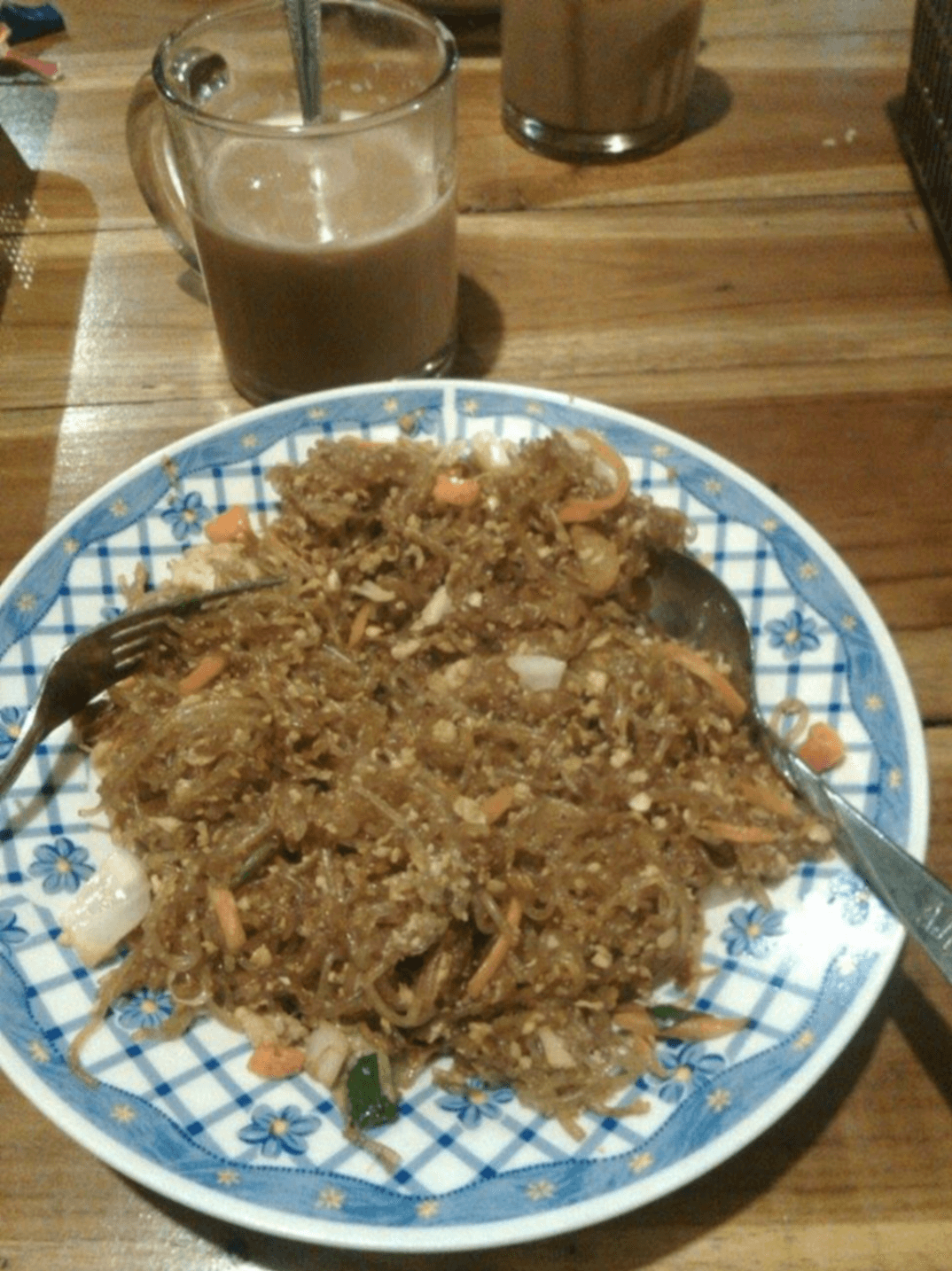
MIE LETHEK GARUDA Noodle Factory

Sate Klathak Mak Adi

Mie Ayam Ibu Tumini Sari Rasa Jati Ayu
