Sol Duc Falls sits deep inside Olympic National Park, at the end of a narrow access road in Clallam County on Washington's Olympic Peninsula. The draw is simple: the Sol Duc River hits a crack in the bedrock, splits into three channels (sometimes four when the water's running high), and drops into a slot canyon so narrow you look straight down into it from a wooden footbridge. It's an easy walk to get there, less than a mile through old-growth forest, which is part of why it's become one of the most photographed waterfalls in the state.
This isn't a place that requires planning or gear. It's a short, mostly flat hike that rewards almost anyone willing to make the drive, and it works as a standalone outing or as the first few hundred yards of a much longer backcountry trip.
Why Sol Duc Falls matters
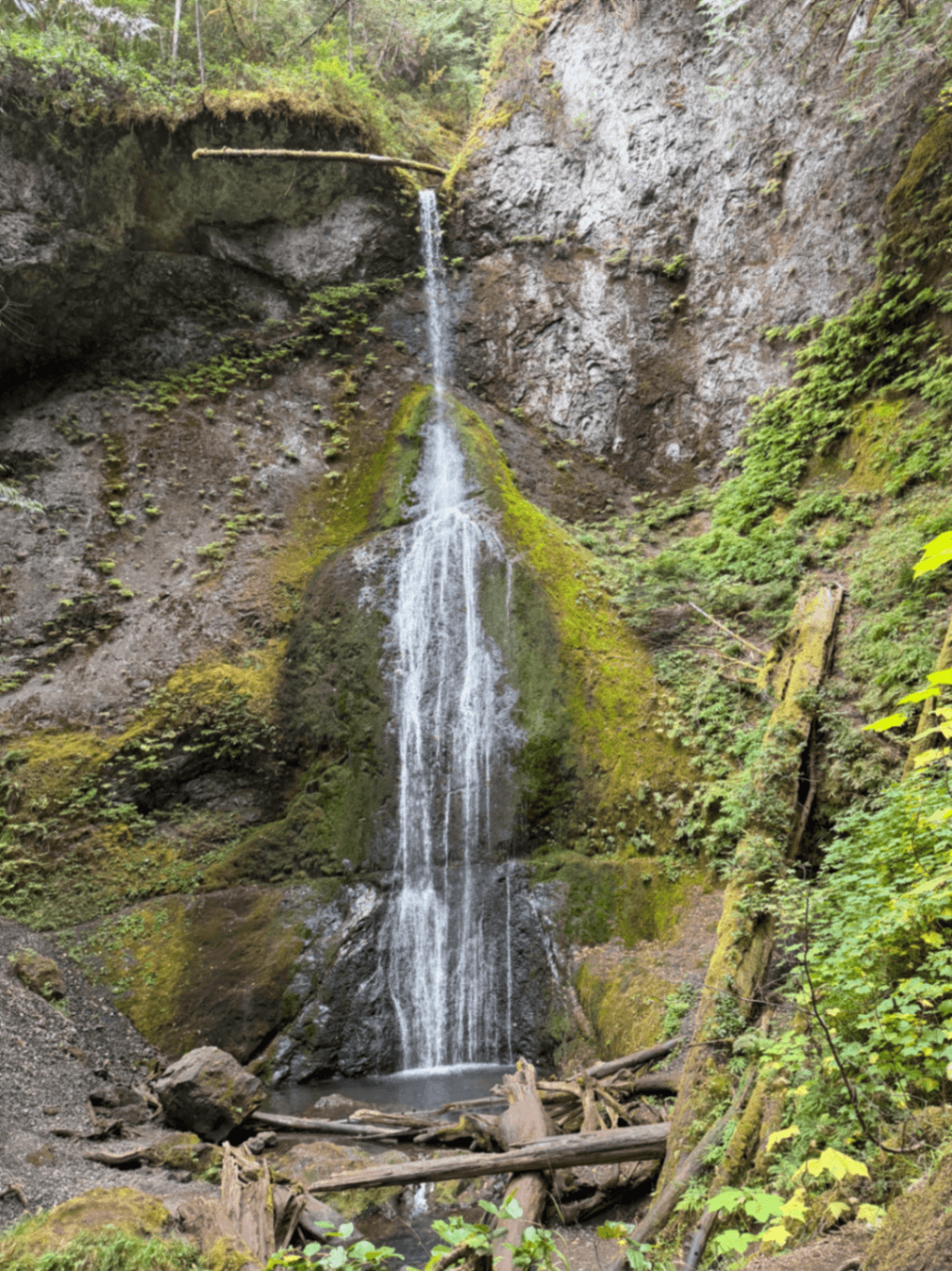
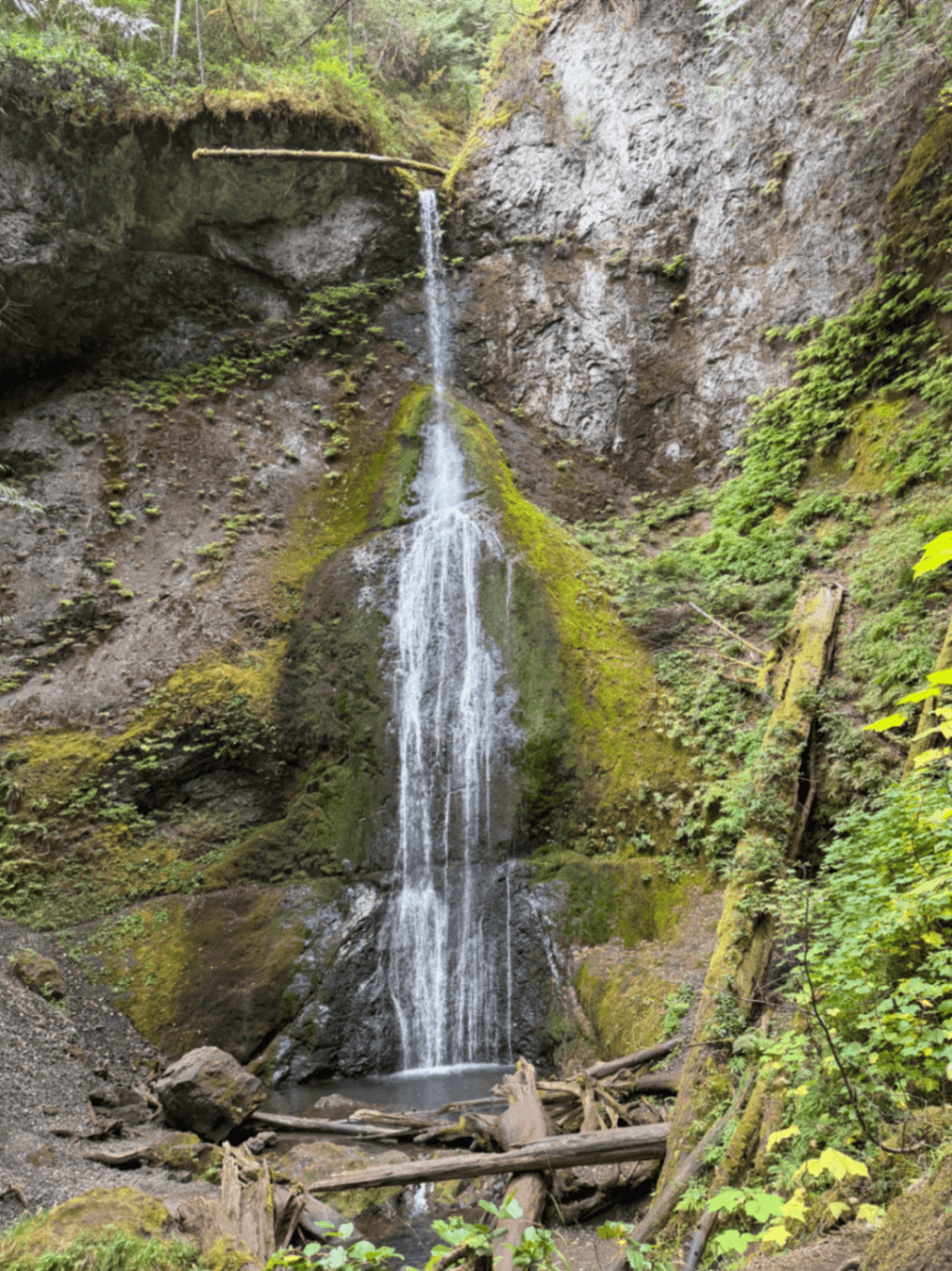
Part of the appeal is geological. The river doesn't fall over a single ledge the way most waterfalls do. It hits a fault line in the rock and fractures into separate chutes before reconverging below, which gives the falls a braided, almost deliberate look that photographs differently depending on water level and light. The canyon walls are tight enough that you're looking nearly straight down at the drop from the bridge, rather than across at it from a distance, which is unusual for a waterfall this accessible.
It also sits inside a stand of old-growth forest, hemlock and Douglas fir that have never been logged, which is increasingly rare even within the park. The walk itself is part of the experience, not just the approach to one.
- Trailhead: end of Sol Duc Hot Springs Road, past Sol Duc Hot Springs Resort
- Hike length: about 0.8 miles one way, flat and well maintained
- Terrain: old-growth forest trail to a wooden footbridge viewpoint
- Season: Sol Duc Hot Springs Road closes in winter
- Entry: standard Olympic National Park entrance fee or interagency pass applies
- Location: Clallam County, within Olympic National Park
Getting there
You reach the trailhead by driving to the end of Sol Duc Hot Springs Road, which branches off Highway 101 and winds for several miles along the Sol Duc River valley, passing Sol Duc Hot Springs Resort before dead-ending at the trailhead parking area. The road is paved the whole way but narrow and curvy in sections, so budget more time than the mileage suggests.
Because the road climbs into the park's interior, it's seasonal. It typically closes with the first heavy snow and reopens in spring, so if you're planning a visit outside the summer months, check the park's current road conditions before committing to the drive. There's no quick detour around a closure, since this road is the only way in.
The layout and experience
From the parking area, the trail runs through dense, shaded forest, flat enough that it doesn't feel like a hike so much as a walk. Most people cover it in twenty to thirty minutes each way, though it's worth slowing down. The canopy here is old growth, tall enough that very little direct light reaches the forest floor even at midday, and the trail surface stays damp and soft for most of its length.
The trail ends at a wooden footbridge that spans the canyon directly over the falls. This bridge is the viewpoint. There isn't a separate overlook or platform elsewhere, so the view you get standing on the bridge, looking down at the three-way split in the river below, is the view most people come for. Spray from the falls keeps the bridge deck and handrail wet most of the year, and the rock on either side of the trail near the bridge gets slick too, so footing deserves some attention even though the walk in is easy.
Main highlights
The split itself is the thing to see. The Sol Duc River narrows and hits a fracture in the bedrock, forcing it into three channels that drop separately into the canyon below before the water reconverges downstream. In high flow, a fourth channel sometimes opens up. It's a different kind of waterfall than the single-drop cascades you see elsewhere on the peninsula, and the tight canyon framing makes it feel more dramatic than its modest height would suggest from a map.
Beyond the bridge, the trail continues as the Sol Duc River Trail, which connects eventually to the High Divide Trail and the Seven Lakes Basin area, a popular multi-day backpacking loop. Most day visitors turn around at the bridge, but if you've got energy left, continuing even a short distance further into the forest costs you very little extra effort.
History and background
Olympic National Park's interior was protected relatively early, first as a national monument in 1909 before being redesignated a national park in 1938, largely to preserve old-growth forest and the elk herds that depend on it. Sol Duc Falls sits well within that protected core, reached only by the single road that also serves Sol Duc Hot Springs Resort.
The resort itself has its own history worth knowing if you're driving past it on the way in. The original hotel at Sol Duc Hot Springs opened in 1912 as a grand destination resort built around the valley's natural hot springs, and it burned down just a few years later, in 1916. What stands there today is a much more modest successor, but the hot springs that drew people to the valley in the first place are still the reason the road exists at all, with the falls trailhead simply sitting at its far end.
Best time to visit
Early morning or late afternoon beats midday here, both for crowds and for light. The canyon is deep enough that direct midday sun creates harsh contrast, blowing out highlights on the water while leaving the canyon walls in shadow, which makes for flat, difficult photos. Soft, indirect light in the morning or evening brings out the texture of the spray and the color in the rock.
Summer afternoons can mean a genuine queue for the best spot on the bridge, since this is one of the more heavily visited short hikes in the park. Autumn tends to be the best overall window. Flow drops through the dry summer months, then comes back up with the fall rains, so the falls are often fuller and more dramatic in September and October than in July or August, with the added benefit of thinner crowds once summer tourism tapers off.
Photography tips
Bring something to keep your lens dry. The bridge sits close enough to the falls that spray drifts across it steadily, especially when flow is high, and it'll fog a lens or spot a filter within minutes if you're not wiping it down. A polarizing filter helps cut glare off the wet rock and water. If you want the classic silky-water long exposure, you'll need a neutral density filter or very low light, since the canyon doesn't give you much shade to work with once the sun is high.
Because the bridge is the only vantage point, you're sharing a fairly narrow stretch of railing with everyone else trying to get the same shot. Going at opening light or closer to dusk solves both the crowd problem and the light problem at once.
Facilities and preparation
There's a parking area at the trailhead, but don't expect much beyond that this far into the park. Bring water and wear shoes with decent grip, since the bridge and the rock immediately around it are reliably wet and the handrail can be slick even when the trail itself is dry. The walk doesn't demand hiking boots, but flat-soled sandals aren't a great idea once you're standing over spray-slicked wood.
Cell service is not reliable out here, so download any maps or directions before you leave Highway 101.
Combining with nearby attractions
Sol Duc Hot Springs Resort sits right on the drive in, a natural stop before or after the falls if you want to soak afterward. The Sol Duc River valley also holds the trailhead for the High Divide Loop, a well-known multi-day backpacking route through Seven Lakes Basin, so if you're the type to extend a short walk into something longer, the connection is right there past the bridge. Lake Crescent and the trail to Marymere Falls are a reasonable drive back toward Highway 101, making it easy to pair both waterfalls into a single day if you're based in Port Angeles or Forks.
Sample visit plan
Leave early enough to reach the trailhead by mid-morning, before tour groups and midday crowds arrive. Walk the 0.8 miles in at an easy pace, spend time at the bridge rather than rushing the photo, and consider pushing a little further onto the Sol Duc River Trail if the forest is holding your attention. Budget an hour to ninety minutes total if you're just doing the falls, longer if you stop at the resort on the way out.
- Check Sol Duc Hot Springs Road conditions before you drive, especially outside summer
- Arrive early morning or late afternoon for better light and fewer people
- Wear shoes with grip, the bridge and surrounding rock are usually wet with spray
- Bring a lens cloth if you're shooting photos, spray drifts onto the bridge
- Carry water, there's little available past the trailhead parking area
- Pair the visit with Sol Duc Hot Springs Resort or Marymere Falls if you have a full day
FAQ
How long is the hike to Sol Duc Falls?
About 0.8 miles one way from the trailhead parking area, on a flat, well-maintained trail through old-growth forest. Most people walk it in twenty to thirty minutes each way.
Is Sol Duc Falls accessible in winter?
Not reliably. Sol Duc Hot Springs Road is seasonal and typically closes with the first significant snowfall, reopening in spring. Check Olympic National Park's road conditions page before planning a winter or early spring visit.
Do you need a ticket to see Sol Duc Falls?
You'll need to pay the standard Olympic National Park entrance fee or use an interagency pass, as the falls sit within the park. There's no separate ticket for the falls or trail itself.
Is Sol Duc Falls good for kids or less experienced hikers?
Yes. The trail is short and mostly flat, which makes it one of the more approachable waterfall hikes in the park. The only real caution is the wet, sometimes slick footing right at the bridge.
What's the best time of year to see Sol Duc Falls?
Autumn tends to offer the best combination of water flow and crowd levels, since flow rebounds after the summer low and visitor numbers drop from their summer peak. Early morning or late afternoon light works better than midday in any season.
Reviews
Sign in and mark this place visited to leave a review.
No reviews yet.
Free Trip Planner
Plan your Olympic National Park trip with our free planner
Build a day-by-day itinerary with AI suggestions, hand-picked places, and friends. Free forever — no credit card.