Sol Duc Hot Springs Resort
12076 Sol Duc Hot Spgs Rd, Port Angeles, WA 98363, USASol Duc Hot Springs Resort sits at the end of a forested road deep inside Olympic National Park, about a 40-minute drive southwest of Port Angeles, Washington. The draw is simple: mineral water, warmed underground and piped into three tiled soaking pools of varying temperatures, plus a chlorinated freshwater pool for families who want a cooler lap swim between soaks. The setting is Douglas fir and hemlock forest along the Sol Duc River, and the water itself carries a distinct sulphur smell that lingers on your skin well after you towel off. Some people find that smell part of the charm. Others find it a reason to shower twice before dinner.
This is not a backcountry hot spring you hike to and have to yourself. It's a developed resort with cabins, a restaurant, a campground, and a day-use fee for anyone who just wants to soak. That combination of wild setting and built infrastructure is what makes Sol Duc useful rather than romantic. You come here to get clean and warm after a day on the trail, not for solitude.
Why Sol Duc Hot Springs Resort matters
The hot springs themselves predate the park. Local accounts place the first commercial development here in the early 1910s, when timber businessman Michael Earles built a large resort hotel on the site, drawing visitors who arrived by train and stagecoach to take the waters. That original hotel burned down within a few years of opening, and the grand version of Sol Duc never returned in quite the same form. What exists today is a more modest, mid-century rebuild of the idea: pools, cabins, a lodge-style dining room, all tucked into a river valley that became part of Olympic National Park when the park was expanded in 1938.
That history matters because it explains why the place feels the way it does. You're not visiting a slick spa. You're visiting the latest iteration of a hundred-year-old idea that people have been driving out to this particular patch of forest to sit in hot water since before the park existed.
Quick facts
- Location: Sol Duc valley, Olympic National Park, Clallam County, Washington
- Address: 12076 Sol Duc Hot Spgs Rd, Port Angeles, WA 98363
- Pools: three tiled mineral pools at different temperatures, plus one chlorinated freshwater pool
- On site: cabins, restaurant, campground, day-use soaking area
- Season: generally open late spring through autumn, closed in winter when the access road is not maintained
- Access: day visitors are welcome without booking a cabin or campsite
Getting there
From Port Angeles, you follow Highway 101 west along the edge of Olympic National Park before turning south onto Sol Duc Hot Springs Road. The turnoff is well marked and the road climbs gradually into the valley, running alongside the Sol Duc River for several miles before dead-ending at the resort. There's no public transit option here. You need a car, and in summer it's worth knowing the road can back up near the entrance station during peak midday hours.
If you're coming from the Seattle side, plan on the ferry or the long drive around the Olympic Peninsula adding several hours before you even reach Port Angeles. This is a destination you build a day, or several days, around rather than a quick detour.
The layout and experience
The pool deck is the center of gravity here. Three mineral pools step down in temperature, so you can move from the hottest soak to something more tolerable without leaving the water entirely. The freshwater pool sits apart and tends to be where families with young kids congregate, since it's cooler and chlorinated rather than mineral-heavy. Changing rooms, showers, and lockers are functional but dated. Nobody is pretending this is a luxury spa, and the resort doesn't try to.
In July and August, expect the deck to be genuinely busy, closer to a community pool on a hot weekend than a quiet mineral soak. Noise carries, towels are everywhere, and you'll be sharing the hottest pool with a crowd. If you're picturing a contemplative, half-empty pool steaming in silence, visit in late May or September instead, or get there right at opening.
Main highlights
The pools are the headline, but the real value of Sol Duc Hot Springs Resort is its position at the end of a road that also leads to Sol Duc Falls, one of the more photogenic waterfalls in the park. The falls trailhead is a short drive further up the valley from the resort, an easy out-and-back walk through old-growth forest to a viewpoint where the Sol Duc River splits and drops through a narrow rock channel.
The standard, and considerably smarter, way to do this is falls first, pools second. Hike to Sol Duc Falls in the morning while the trail is cooler and quieter, then drive back down to the resort and soak out the stiffness in the afternoon. Doing it in reverse means hiking on a full stomach of mineral-pool lethargy, which nobody recommends.
Salmon Cascades, a roadside pullout a few miles before the resort, is worth a stop in autumn if you're visiting when coho salmon are running upstream. It's a five-minute detour with no entry fee.
Tickets and entry
Day use requires paying a soaking fee at the entrance, separate from any Olympic National Park entrance pass you may already hold for your vehicle. You don't need to be a lodge or campground guest to use the pools, and most visitors are in fact day-trippers rather than overnight guests. There's no need to book a soaking slot in advance the way you might for a timed-entry attraction, but during peak summer weekends you should expect a wait at the gate and a crowded deck once you're in.
Best time to visit
Late spring and early autumn give you the best odds of a calmer pool deck and cooperative weather for the falls hike. Midsummer means warm air temperatures that make the hot pools feel less appealing anyway, plus the biggest crowds of the year. If your schedule is flexible, a weekday visit in September, after school holidays end but before the road closes for winter, is probably the sweet spot. Washington's rainy season runs long on the Olympic Peninsula, so even in the open season you should pack for the possibility of rain regardless of the forecast.
Because opening dates shift year to year with staffing and road conditions, check current status before building a trip around it, especially if you're traveling a long distance specifically for the pools.
Facilities and preparation
Bring your own towel, flip-flops, and a change of clothes, since you will smell like sulphur afterward and most people prefer not to drive home in the same clothes they soaked in. Lockers are available but it's worth bringing a few dollars in small bills or coins if you can, in case card payment at the locker stations is unreliable. The restaurant on site covers basic meals if you don't want to pack food, but given the remote location, bringing your own snacks and water for the day is the safer plan, particularly if you're also doing the Sol Duc Falls hike beforehand.
If you're camping at the adjoining campground, note that campsites here fill quickly in summer and are mostly reservation-based well in advance.
Combining with nearby attractions
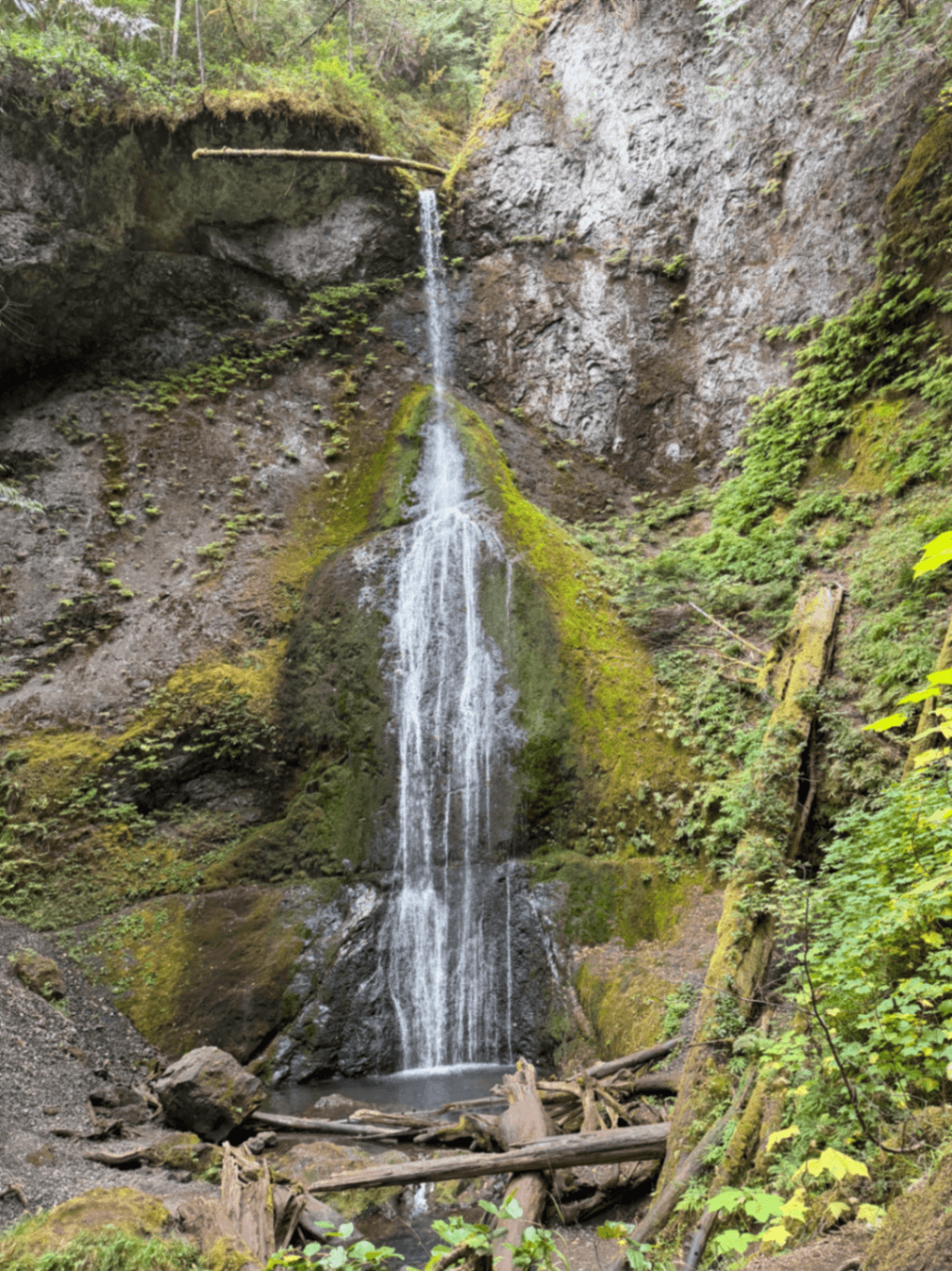
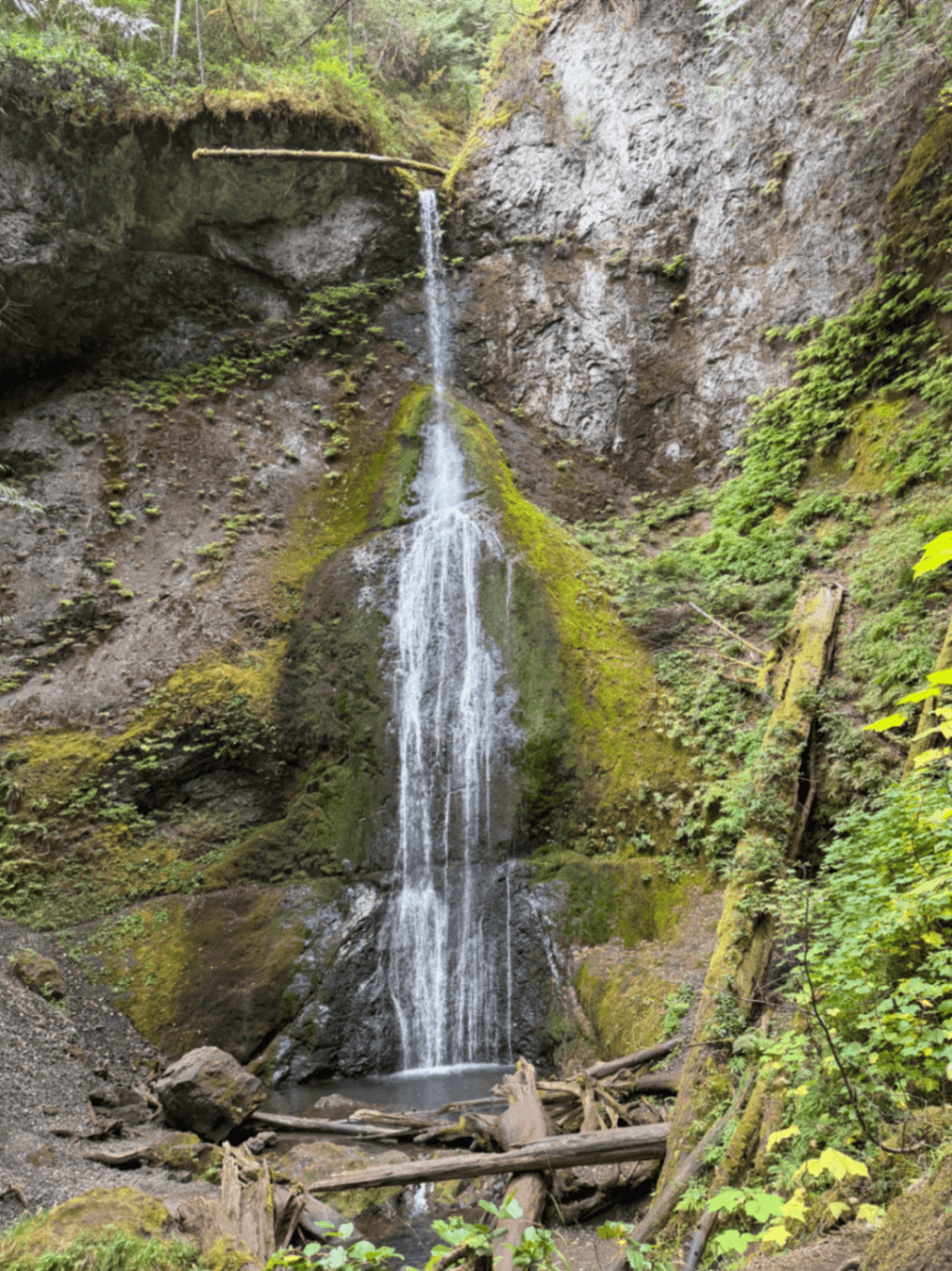
Sol Duc Falls is the obvious pairing, reachable from the same road in a few minutes' drive from the resort to the trailhead. Beyond that, Lake Crescent sits along Highway 101 on the way in or out, with Lake Crescent Lodge and the Marymere Falls trail both easy add-ons if you have a full day rather than a half day to spend. Port Angeles itself, with services, grocery stores, and the park's main visitor center, makes a sensible base if you're not staying at Sol Duc overnight.
Sample visit plan
- Morning: drive up Sol Duc Hot Springs Road, park near the end, and hike the trail to Sol Duc Falls
- Midday: return to the resort, pay the day-use fee, and soak through the three mineral pools
- Afternoon: cool off in the freshwater pool, grab a meal at the resort restaurant or eat food you've packed
- Late afternoon: drive back toward Highway 101, stopping at Salmon Cascades if salmon are running, or at Lake Crescent for a short lakeside walk before continuing to Port Angeles
Practical tips
- Visit on a weekday or outside midsummer if a quieter pool experience matters to you
- Do the Sol Duc Falls hike before the pools, not after
- Pack a separate towel and change of clothes for the drive home, since the sulphur smell clings
- Check the resort's seasonal opening status before you plan a trip, since the access road closes in winter
- Bring cash as backup for lockers and small purchases given the remote location
FAQ
Is Sol Duc Hot Springs Resort open year-round?
No. It operates on a seasonal schedule, generally from late spring into autumn, and closes for winter when the access road isn't maintained. Exact dates shift from year to year, so confirm current status before planning around it.
Can you visit the pools without staying overnight?
Yes. Day use is available for a separate soaking fee, and most visitors are day-trippers rather than cabin or campground guests.
Is Sol Duc Hot Springs Resort inside Olympic National Park?
Yes, it sits within the park boundary in the Sol Duc River valley, and a national park entrance fee or pass is typically required for your vehicle in addition to the resort's day-use soaking fee.
Should I visit the falls or the pools first?
Falls first, pools second. Sol Duc Falls is a short drive further up the road, and hiking it before you soak means you get the exercise done before your legs go loose in hot mineral water.
How hot is the water?
The three mineral pools are held at different temperatures, so you can choose a hotter or milder soak, and the water is genuinely hot and distinctly sulphurous rather than a mild, odorless spa experience.
Reviews
Sign in and mark this place visited to leave a review.
No reviews yet.
Free Trip Planner
Plan your Olympic National Park trip with our free planner
Build a day-by-day itinerary with AI suggestions, hand-picked places, and friends. Free forever — no credit card.