The Hermit Trail
Grand Canyon, Arizona 86023, United States Posted by Brandon B.Admin
The Hermit Trail: One of the Grand Canyon's Most Rewarding Descents
The Hermit Trail drops into the Grand Canyon from the South Rim's Hermits Rest trailhead, roughly 8 miles west of Grand Canyon Village along Hermit Road. It's one of the park's classic backcountry routes and one of the few on the South Rim that sits outside the heavily managed corridor system. That distinction matters more than it might sound. No water stations. No ranger patrols along the route. No guardrails at the switchbacks. What you get instead is a trail that feels genuinely wild, even on a busy weekend.
Hikers who know the Grand Canyon tend to hold the Hermit Trail in high regard. The scenery changes dramatically as you lose elevation, and the deeper you go, the fewer people you'll encounter.
Why the Hermit Trail Stands Apart
Most visitors to Grand Canyon National Park stick to the Bright Angel or South Kaibab trails. Those are well-maintained, clearly marked, and staffed. The Hermit Trail is none of those things, which is exactly why serious hikers seek it out.
The upper section of the trail was originally built around 1912 by the Santa Fe Railway as an alternative to the Bright Angel Trail, which was privately owned and charged a toll at the time. The railway wanted to offer tourists a free route into the canyon, so they constructed a path to Hermit Camp, a full tourist camp that operated for several years before eventually closing. That history gives the trail a particular character. The stonework on the upper switchbacks, built over a century ago, is still visible and still impressive.
Because it's a non-corridor trail, the National Park Service recommends it only for experienced canyon hikers. That's not a formality. The trail receives less maintenance, and some sections have loose rock that requires careful footing.
Quick Facts
- Location: Hermits Rest trailhead, end of Hermit Road, South Rim
- Trail type: Out-and-back, point-to-point with connector options
- One-way distance to Hermit Creek: approximately 7 miles
- Elevation loss to Hermit Creek: roughly 3,400 feet
- Difficulty: Strenuous; recommended for experienced backcountry hikers
- Water: Available seasonally at Hermit Creek and Santa Maria Spring, but must be treated
- Permits: Required for overnight camping; day hikes do not require a permit
- Pets: Not permitted on trails within Grand Canyon National Park
- Cell service: Essentially nonexistent below the rim
Getting There
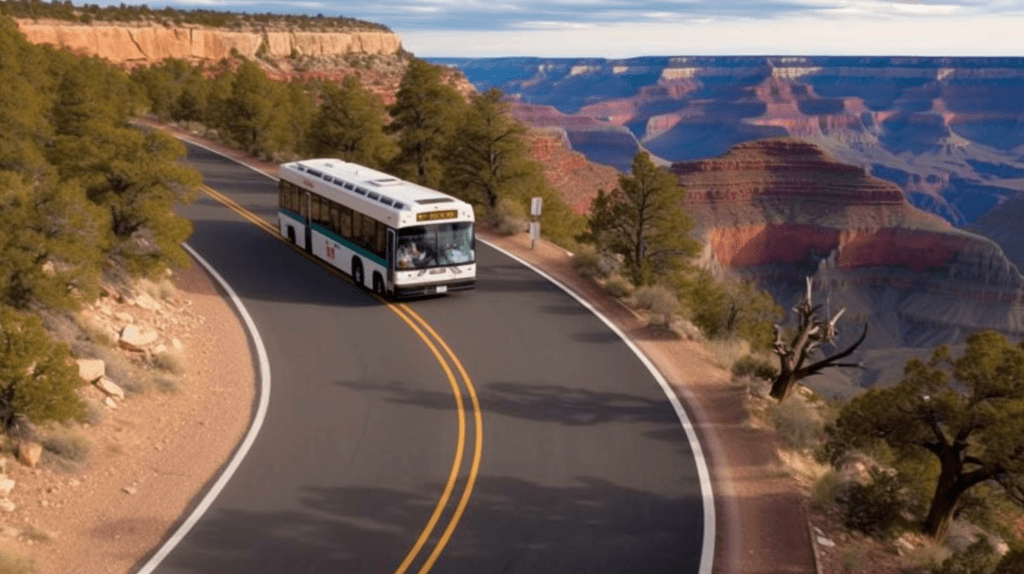
The trailhead sits at Hermits Rest, the western terminus of Hermit Road. From March through November, private vehicles are not allowed on Hermit Road. During those months, you'll need to take the free Hermit Road Shuttle (the red route) from the Grand Canyon Visitor Center area. The shuttle runs frequently and the ride to Hermits Rest takes around 30 minutes, with stops along the way at overlooks including Mohave Point and Pima Point.
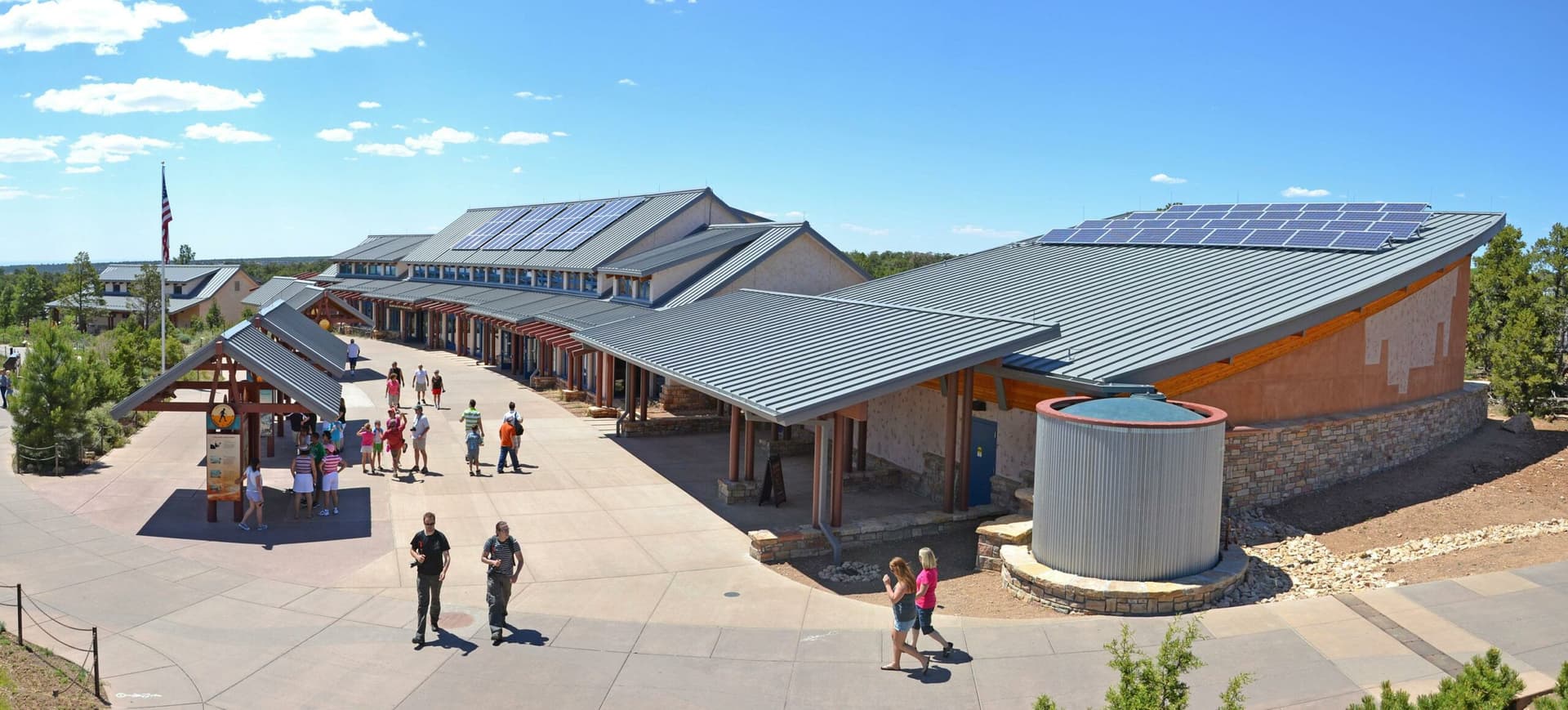
Outside the restricted season, you can drive Hermit Road yourself and park at Hermits Rest. Either way, the trailhead is clearly marked just past the stone building at the end of the road, a structure designed by Mary Colter in 1914.
If you're staying outside the park in Tusayan, allow extra time for the entrance gate and the shuttle connection. Coming from Flagstaff, the drive to the South Rim entrance is about 80 miles.
The Layout and Experience
The trail begins deceptively gently through open woodland at the rim, but that changes fast. Within the first mile, you hit a series of steep switchbacks known as the Waldron Trail junction area, where the old Santa Fe Railway stonework lines the path. The craftsmanship here is worth pausing to look at.
Around 1.5 miles in, you reach Santa Maria Spring, a rest area with a stone shelter. The spring produces water, but flow varies by season and you should always treat it. This is a reasonable turnaround point for day hikers who want a taste of the trail without committing to the full descent.
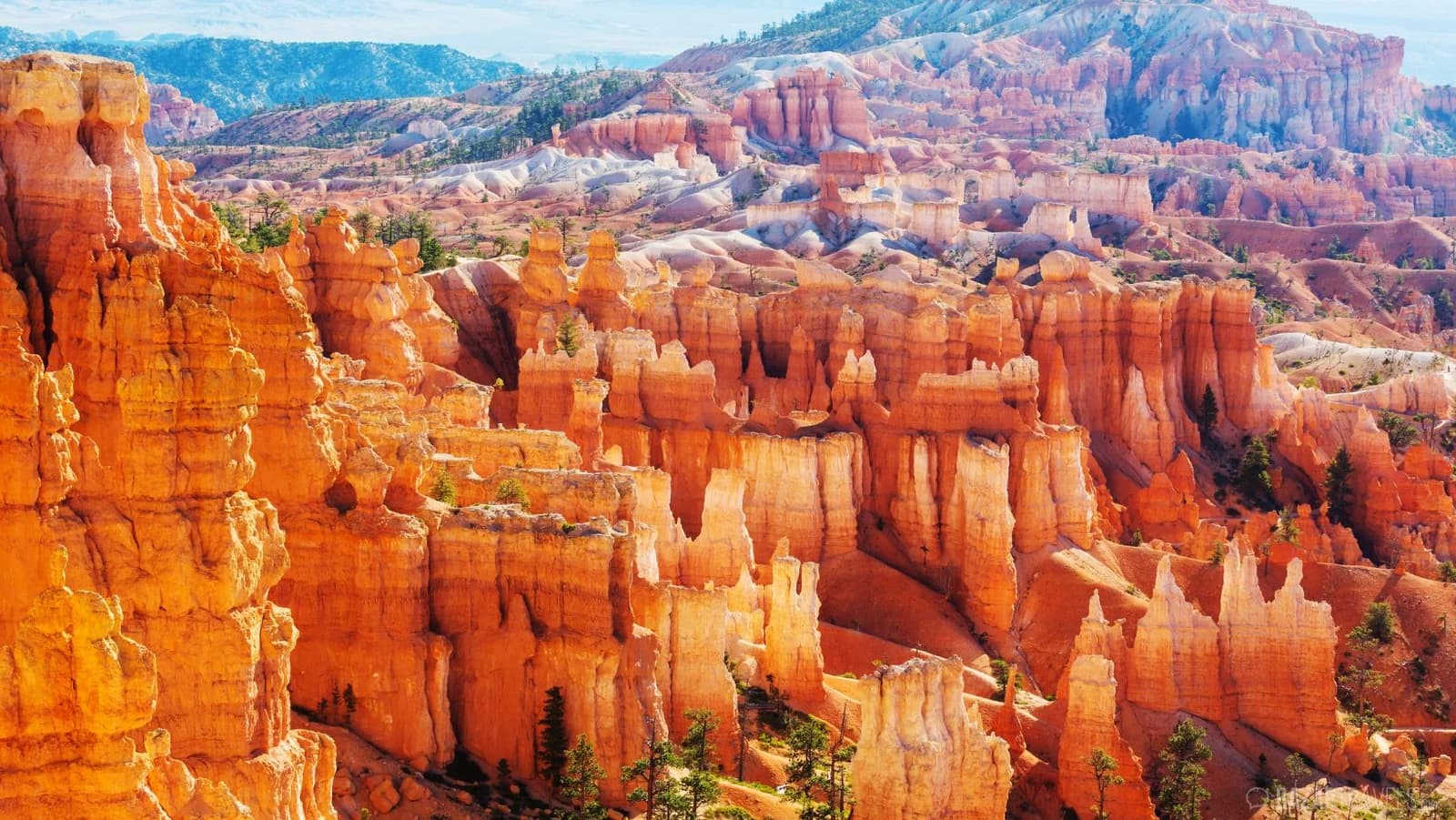
Below Santa Maria Spring, the trail passes through the Cathedral Stairs, a long exposed section that drops through dramatically layered Redwall limestone. This stretch is where the canyon's geology becomes impossible to ignore. The rock strata here represent hundreds of millions of years of deposition, and the color shifts from buff and tan at the rim to deep red and purple as you descend.
The trail eventually reaches Hermit Creek, where a designated campsite sits near the creek. From there, a short walk takes you to the Colorado River. The full round trip from rim to river and back is a serious undertaking that most experienced hikers spread over at least two days.
Best Time to Visit
Spring and fall are the sweet spots. April, May, September, and October tend to offer the most manageable temperatures at the lower elevations, where heat builds quickly and can become dangerous in summer. In July and August, canyon temperatures below the rim regularly exceed 100 degrees Fahrenheit, and the National Park Service strongly advises against hiking below the rim during midday hours in summer.
Winter hiking on the Hermit Trail is possible, but the upper switchbacks can become icy and genuinely treacherous. If you're planning a winter visit, check conditions with the park's backcountry office before you go.
For overnight trips, the backcountry permit lottery and reservation system means you'll want to plan well in advance, especially for spring weekends. Permits open for reservation four months ahead of the trip month.
Tickets and Entry
Grand Canyon National Park charges a vehicle entrance fee, with separate rates for motorcycles and individual visitors arriving on foot or by bicycle. Annual passes, including the America the Beautiful Pass, cover park entry. Day hikers on the Hermit Trail do not need any additional permit beyond the park entrance fee.
Overnight camping in the backcountry requires a separate backcountry permit, which involves a fee per person per night in addition to a nonrefundable processing fee per permit. The park's Backcountry Information Center manages these permits, and demand for popular sites like Hermit Creek is high in spring and fall.
Photography Tips
The upper switchbacks photograph beautifully in morning light, when the sun is still low and the canyon walls to the east catch a warm orange glow. If you want shots of the Colorado River from the trail, you'll need to commit to the full descent, as the river isn't visible from the rim or the middle sections.
The Cathedral Stairs offer some of the most dramatic layered rock compositions on the South Rim trails. A wide-angle lens does justice to the scale. Midday light tends to flatten everything, so early starts pay off photographically as well as physically.
One underappreciated shot: looking back up toward the rim from around the Santa Maria Spring area. The scale of what you've already descended becomes clear, and the trail threading through the switchbacks above makes for a strong foreground element.
Combining with Nearby Attractions
The overlooks along Hermit Road are worth stopping at on the shuttle ride out, particularly Pima Point, which offers one of the longer unobstructed views of the Colorado River from the South Rim. Most people rush past these on the way to the trailhead and miss them entirely.
The Hermit Trail also connects to the Tonto Trail, a long east-west route that runs roughly parallel to the Colorado River through the inner canyon. Experienced backpackers sometimes combine the Hermit Trail with a section of the Tonto and exit via the Bright Angel Trail, creating a multi-day loop. That route, often called the Hermit-Tonto-Bright Angel loop, is one of the Grand Canyon's classic backpacking itineraries.
Hermits Rest itself, the Mary Colter-designed building at the trailhead, has a small gift shop and restrooms. It's worth a look before or after your hike. Colter was responsible for several of the most distinctive structures on the South Rim, and the rough-hewn stone design here is one of her more unusual works.
Practical Tips
- Start early. On hot days, aim to begin hiking by sunrise and be back at the rim before noon.
- Carry more water than you think you need. The standard recommendation is about a liter per hour in warm conditions.
- Salty snacks are as important as water for preventing hyponatremia on long hot descents.
- Trekking poles make a significant difference on the loose rock sections, especially on the way back up.
- Tell someone your plan before you go. Cell service disappears quickly below the rim.
- The trail is unmaintained in sections. If you lose the path, stop and backtrack rather than improvising a route.
- Download an offline map before you leave. The NPS app and apps like Gaia GPS both carry the Hermit Trail.
- Check the backcountry forecast through the NPS website, not just a standard weather app, for canyon-specific conditions.
FAQ
Is the Hermit Trail suitable for beginners?
Honestly, no. The National Park Service classifies it as a non-corridor trail and recommends it for experienced canyon hikers. The combination of steep terrain, loose rock, and no water infrastructure makes it a poor choice for someone's first Grand Canyon hike. The Bright Angel Trail is a better starting point.
Can you do the Hermit Trail as a day hike?
The Santa Maria Spring area, about 1.5 miles from the trailhead, is a reasonable day hike destination for fit hikers. Going all the way to Hermit Creek and back in a single day is possible but demanding, and it's the kind of undertaking that should only happen in cooler months with a very early start.
Do you need a permit for a day hike?
No permit is required beyond standard park entry for day hiking on the Hermit Trail. Overnight camping requires a backcountry permit, which needs to be arranged in advance through the park's Backcountry Information Center.
How do you get to the trailhead without a car?
From March through November, take the free Hermit Road Shuttle (red route) from the Grand Canyon Visitor Center area. The shuttle is the only way to reach Hermits Rest during the restricted season, and it runs frequently throughout the day.
Is there water on the trail?
Santa Maria Spring and Hermit Creek both provide water, but flow can vary and you must treat any water you collect. There are no maintained water stations like those found on the Bright Angel Trail. Carry enough water from the rim for the full descent and treat what you find before drinking it.
Reviews
Sign in and mark this place visited to leave a review.
No reviews yet.
Free Trip Planner
Plan your Arizona trip with our free planner
Build a day-by-day itinerary with AI suggestions, hand-picked places, and friends. Free forever — no credit card.