
Trading Skyscrapers for Pines: Why More People Are Moving to Forested Getaways
By
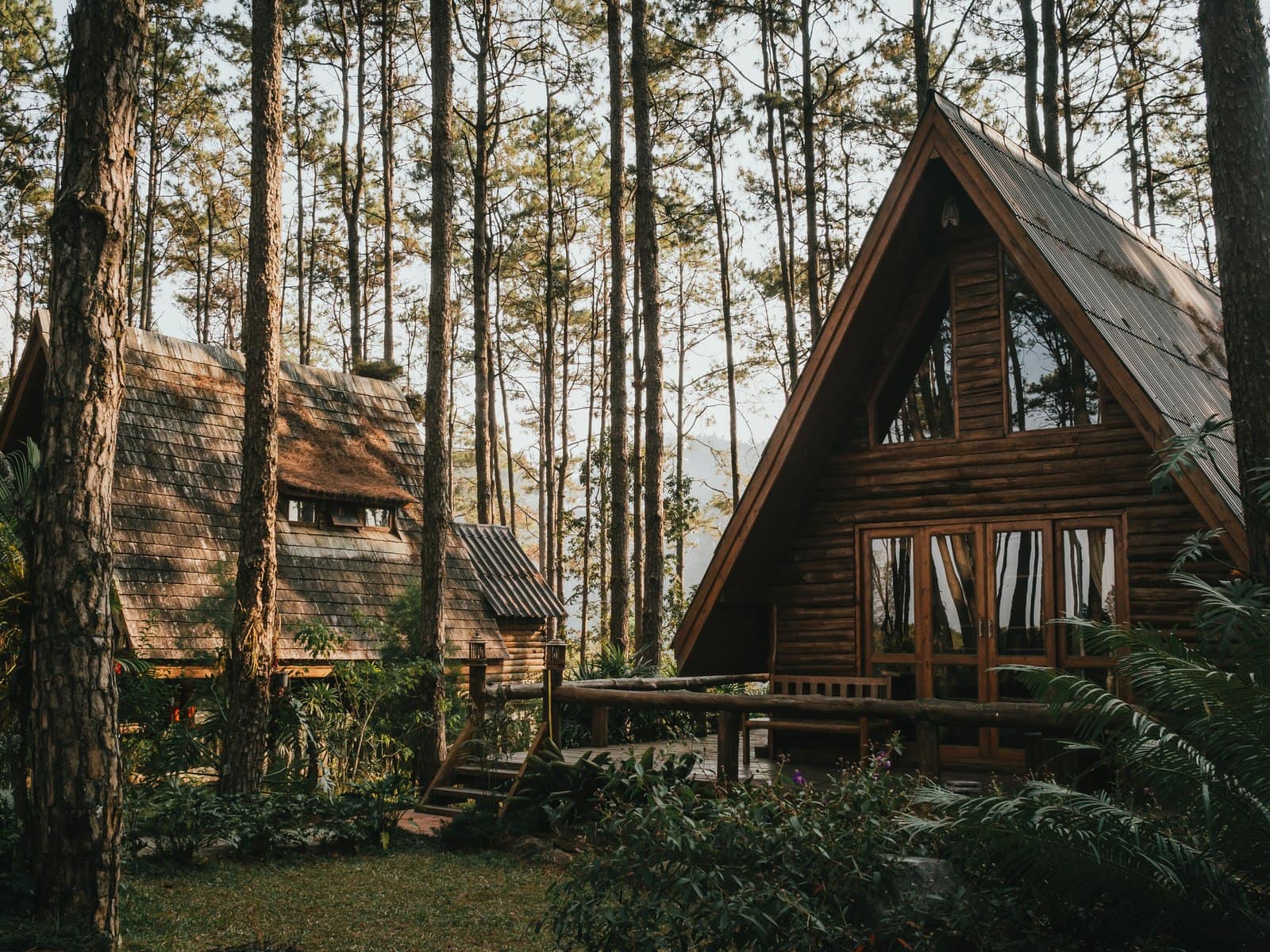
In recent years, there has been a noticeable shift in where people choose to live. More and more city dwellers are trading the concrete jungle for the tranquil embrace of nature. The once bustling streets of cities are now being replaced with towering pines, expansive forests, and the serene sound of wildlife. Whether it’s the search for peace, health benefits, or a better quality of life, forested getaways are quickly becoming the go-to destination for many seeking a change. But why are so many choosing to move away from the bright lights and constant hustle of urban living? Let’s take a deeper look at the growing trend and why more people are opting for forested retreats.
The Appeal of Forested Getaways
Escape from the Hustle and Bustle
One of the most significant reasons people are moving to forested areas is the desire to escape the relentless pace of city life. Urban environments often come with noise, crowds, and stress, which can negatively affect mental well-being. Forested areas, on the other hand, provide a complete contrast. With fewer distractions and a slower pace, these locations provide a much-needed respite from the demands of city living.
Connection to Nature
Humans have an inherent connection to nature. There’s something deeply calming about being surrounded by trees, birdsong, and the gentle rustle of leaves. Studies have shown that spending time in nature reduces stress levels, improves mood, and enhances cognitive function. The proximity to natural beauty and the chance to interact with wildlife can significantly enhance one’s quality of life.
Health and Well-being
Living in nature has direct health benefits. The air is cleaner, and the natural surroundings promote relaxation. It’s no secret that urban environments are often plagued with air pollution, high levels of noise, and a lack of green spaces. By moving to a forested getaway, individuals can significantly improve their physical and mental well-being. Reduced stress, improved air quality, and access to outdoor activities like hiking and biking all contribute to a healthier lifestyle.
Sustainability and Eco-consciousness
Many individuals are drawn to forested areas because they align with eco-conscious values. Forests offer an opportunity to live more sustainably, with fewer resources used and a greater reliance on renewable energy sources. People who choose rural or forested living often seek ways to reduce their carbon footprint and lead a more self-sufficient lifestyle. Growing your food, using renewable energy, and minimizing waste are just a few ways forested living aligns with these ideals.
Why People Are Choosing Forested Areas Over Urban Living
Remote Work Flexibility
With the rise of remote work, more people can work from anywhere, which opens the door to living in locations far from city centers. The COVID-19 pandemic accelerated this shift, enabling many employees to work remotely full-time. The idea of waking up to a forest view instead of a city skyline is becoming increasingly appealing, especially when work no longer requires proximity to an office.
Cost of Living
The cost of living in urban areas has skyrocketed in recent years. Rent prices and home ownership costs are at record highs in many cities, making it difficult for people to find affordable housing. On the other hand, forested and rural areas offer more affordable living options. Properties in these locations tend to cost much less than those in major metropolitan areas, and the overall cost of living is often lower.
Quality of Life
City living often comes with a compromise in terms of quality of life. Noise pollution, high traffic, and the constant rush can make it challenging to enjoy peace and privacy. In contrast, forested getaways offer quiet, privacy, and a stronger connection to nature. Many people find that rural living offers a better work-life balance, a stronger sense of community, and a more fulfilling lifestyle overall.
Increased Desire for Privacy
For some, the increasing lack of privacy in urban areas is a major concern. The rise of surveillance, constant interaction with neighbors, and the busy nature of cities make privacy harder to come by. Forested areas, however, offer seclusion and personal space. In many cases, homes are situated far apart, providing the privacy that city dwellers crave.
Moving Strategy: Making the Transition Smooth
Relocating to a forested getaway requires careful planning. Here’s how to make the transition as smooth as possible:
Researching Locations
Before moving, it’s essential to research potential forested areas thoroughly. Consider factors such as climate, proximity to family and friends, availability of services, and the type of environment you desire to live in. Do you prefer a remote cabin deep in the woods, or do you want a more suburban-style forest retreat?
Understanding Local Laws and Regulations
Each area will have its own set of rules and regulations regarding property ownership, zoning laws, and environmental protection. Be sure to understand the local regulations before purchasing land or a home. It’s also important to consider any conservation efforts in the area and how they may affect your ability to build or develop your property.
Securing Necessary Services
Access to reliable healthcare, electricity, water, and the internet should be a top priority when moving to a forested area. Ensure that these services are available or can be easily set up before making the final move. Check with local utility providers and internet service providers to ensure that connectivity meets your needs.
Hiring Moving Professionals
Once you’ve decided on your ideal location, it’s time to think about how to transport your belongings to your new home. Hiring professional movers with experience in rural or forested areas can be invaluable. Additionally, experienced long distance moving companies can offer the expertise needed when relocating to more remote areas. Moving to a more secluded location may require specialized equipment or planning, especially if roads are less accessible or if you have heavy furniture that needs to be transported safely and securely. Professional movers can help you navigate these challenges efficiently, ensuring that your belongings are securely transported while minimizing stress.
Planning for the Long-Term
Consider the long-term sustainability of your new lifestyle. Will you be growing your food? Are there renewable energy options available for your home? Preparing for self-sufficiency and sustainability will help ensure that your forested retreat remains both practical and enjoyable in the years to come.
Challenges of Moving to a Forested Getaway
While the idea of moving to a forested retreat is appealing, there are some challenges to consider before leaping.
Isolation
One of the most significant challenges of living in a remote area is the isolation it entails. While being away from crowds can be peaceful, it can also be a lonely experience. It’s important to consider how far you are from family, friends, and social activities. Some people may find that the distance from city life becomes too isolating, especially in the early stages of the move.
Access to Services
In rural and forested areas, access to services may be limited. Healthcare facilities, grocery stores, and entertainment options may be farther away than you’re used to. It’s essential to research the proximity of these services before relocating, especially if you have specific medical needs or rely on certain amenities.
Connectivity Issues
While remote work has become more feasible, the reality is that many forested areas still lack access to fast internet and reliable phone services. A reliable connection is essential for both work and personal life, so checking connectivity options in your desired location is crucial before making a permanent move.
Adapting to the Environment
Living in a forested area may come with its own set of challenges. Depending on the location, you might face extreme weather conditions, wildlife encounters, and the constant upkeep of a property surrounded by nature. Adjusting to a more rural lifestyle can take time, and it may require learning new skills, such as gardening, basic home maintenance, and even dealing with local wildlife.
Life After the Move: What to Expect
Once you’ve made the move, life in a forested getaway can be both fulfilling and rewarding. However, it’s important to adjust to the slower pace of life.
Embracing a Slower Pace of Life
Living in a forested area often means slowing down and enjoying the simple pleasures of life. There are fewer distractions, less stress, and more time to focus on what matters. Embrace the slower pace and take the time to enjoy nature, whether that’s through hiking, reading, or simply relaxing outdoors.
Building New Connections
Building relationships in a rural area can be different than those in a city. However, there is often a stronger sense of community in smaller, more rural areas. Get involved in local events, support local businesses, and make an effort to meet neighbors. In time, you’ll likely form meaningful connections that will enhance your life in the forest.
Living in Harmony with Nature
Adapting to life in a forested area means learning to live in harmony with your environment. Embrace eco-friendly practices, such as composting, reducing waste, and using sustainable resources. Living alongside nature requires respect for the land and its resources, but it can be one of the most fulfilling aspects of your new life.
Conclusion
Trading skyscrapers for pines is more than just a trend—it’s a lifestyle shift that many are embracing in search of a quieter, healthier, and more sustainable way of living. Whether it’s the allure of nature, the flexibility of remote work, or the search for a better quality of life, moving to a forested getaway can provide numerous benefits. However, it’s important to plan carefully, as the challenges of rural living are real. By doing your research, securing necessary services, and embracing a slower pace of life, you can make the transition to a forested retreat a successful and fulfilling one.