

Iceland on the map
77 places from this guide. Tap a pin to open the listing.
Overview
This Iceland travel guide starts with the obvious: there is nowhere else quite like it. Iceland sits in the North Atlantic, roughly 300 km southeast of Greenland, with a population of around 380,000 people, most of them in and around Reykjavik. The island formed on the Mid-Atlantic Ridge, which is why you can stand in a lava field one hour and soak in a geothermal lagoon the next. The Ring Road, officially Route 1, loops the entire country for about 1,330 km and ties together the waterfalls, fjords, and farming villages that most visitors come to see.
The landscape does a lot of the talking here. Gullfoss Waterfall thunders down a two-tiered canyon on the Golden Circle route, while further north Dynjandi Waterfall fans out like a bridal veil over a cliff face in the Westfjords, a region that still gets a fraction of the traffic the south coast does. Reykjavik itself is compact and walkable, anchored by the concrete spire of Hallgrimskirkja and the steel ribs of the Sun Voyager sculpture along the harbor. You could spend a week just on geothermal bathing, moving between the Blue Lagoon Iceland, the newer Sky Lagoon, and the saltwater pools at Geosea in Husavik.
When to Visit
Summer, from June through August, is high season and the reason for it is simple: near-constant daylight, the midnight sun, and the best odds of every mountain road being open, including the F-roads into the highlands. This is when the Ring Road is easiest to drive end to end and when puffins nest along the cliffs near places like Súgandisey Island Lighthouse in Stykkisholmur. It is also when prices peak and when popular stops on the south coast feel genuinely busy by midday.
May, September, and October are the shoulder months, and they tend to be the sweet spot for independent travelers. Days are still long enough for a full itinerary, crowds thin out noticeably, and by late September the nights get dark enough for a first chance at the Northern Lights. Waterfalls like Barnafoss and Hraunfossar near Husafell are less crowded in this window, and accommodation is easier to book without months of lead time.
Winter, roughly December through March, is a different trip altogether. Daylight shrinks to four or five hours in December, the weather turns genuinely unpredictable, and some roads close for days at a time. In exchange you get the Northern Lights on clear nights, ice caves, and a quieter, snow-covered version of sights like Skaftafell National Park. If you are set on aurora hunting, aim for a clear, moonless night away from Reykjavik's light pollution, and build flexibility into your schedule in case a storm shuts things down for a day.
How to reach the destination
Nearly every visitor arrives through Keflavik International Airport (KEF), about 50 km southwest of Reykjavik. Flight time runs roughly 3 to 4 hours from major European hubs like London, Paris, and Amsterdam, and 5 to 7 hours from cities on the US and Canadian east coast. Icelandair and the budget carrier PLAY run the bulk of the direct routes, and several European low-cost airlines, including easyJet, Wizz Air, Ryanair, Transavia, and Vueling, serve Keflavik seasonally from select cities, so it is worth comparing routes if you are flying from Europe. From the airport, a shuttle service such as FlyBus is the simplest way into Reykjavik and connects to most hotels without needing a rental car on day one.
If you want to bring your own vehicle or prefer sea travel, the Smyril Line runs a weekly ferry between Hirtshals in Denmark and Seydisfjordur on Iceland's east coast, with a stop in the Faroe Islands. The crossing takes about two days each way, so it is slower and usually pricier than flying, but it is a genuinely different way to arrive, and it lets road-trippers skip renting a car entirely. A handful of North Atlantic and Arctic cruise itineraries also call at Icelandic ports, though a cruise stop only gives you a few hours in any one place rather than a real look at the country.
Getting around the destination
A rental car is still the most practical way to see Iceland beyond Reykjavik, and it is what gives you access to smaller, less-touristed stops like Litlibær in the Westfjords or the turf-roofed Hofskirkja Church near Skaftafell. Standard cars handle the paved Ring Road fine in summer, but if you plan to detour onto gravel F-roads or into the highlands, a 4x4 is worth the extra cost. In winter, conditions change fast enough that many visitors choose a guided tour instead of self-driving, since local operators know which roads are actually passable and can reroute around closures. Always check road.is before setting out between October and April, and build in slack days in case you get weathered in somewhere for a night or two.
Public transport exists but is limited. Strætó operates city buses in Reykjavik and a few intercity routes, while Reykjavik Excursions and Sterna Travel run scheduled coaches to tourist hotspots and connect with the Golden Circle and south coast. Service thins out considerably outside summer and in rural stretches. For structured sightseeing without driving yourself, small-group operators like NiceTravel cover popular routes with a guide who can talk through the geology and history as you go, which is useful context for a place like Kerid Crater or the lava tube at The Cave Vidgelmir. Domestic flights can save a full day of driving if you are heading to the Westfjords or the east, though check current route operators before booking, since Iceland's domestic airline landscape has shifted in recent years.
Top destination travel tips
- Pack layers and a proper waterproof shell. Rain, sun, and wind can all show up within the same afternoon, even in July.
- Tipping isn't expected in restaurants or taxis. Service is built into the price, so don't feel obligated to add extra.
- Book geothermal spots like the Blue Lagoon and Sky Lagoon ahead of time. Both operate on timed entry and walk-ups are routinely turned away in peak season.
- Tap water is safe and genuinely good here, often better than bottled. Skip buying plastic bottles.
- Stay on marked paths around moss-covered lava fields. Icelandic moss grows slowly and a single footprint can leave a scar that lasts years.
- English is spoken fluently almost everywhere, so language isn't a real barrier, though learning a basic "takk" (thanks) is appreciated.
- Iceland uses the Type F plug and 230V, so North American visitors need a voltage-compatible adapter, not just a plug shape converter.
- If you're renting a car in winter, buy the gravel and sand protection add-on. Icelandic wind can throw debris hard enough to chip windshields even on paved roads.
Typical costs in the destination
Iceland uses the Icelandic krona (ISK), and it is a genuinely expensive country by European standards, so budgeting ahead matters. A casual meal, like a bowl of soup or a hot dog from a stand, sits at the budget end, while a sit-down dinner at a mid-range restaurant runs noticeably higher, and a tasting menu at an upscale spot like Apotek Restaurant in central Reykjavik sits firmly in the fine-dining tier. Confirm current menu prices before you go, since they shift with the season and exchange rate.
Accommodation follows a similar pattern: guesthouses and hostels are the budget option, three- and four-star hotels cover the mid-range, and design hotels in Reykjavik or remote countryside lodges push into upscale territory, especially in July and August when demand is highest. Car rental costs vary a lot by vehicle size and season, with 4x4s costing meaningfully more than a compact car, particularly if you add gravel protection or winter tires. Entry to the Blue Lagoon and Sky Lagoon is sold in tiers, with basic admission at the lower end and packages including robes, drinks, or treatments at the top, so check current pricing directly with each site before booking.
Must try food and drinks
- Skyr – a thick, protein-rich dairy product closer to strained yogurt than cheese, eaten plain or with berries and sold in every grocery store.
- Pylsur – the Icelandic hot dog, usually lamb-based, topped with raw and fried onion, ketchup, and a sweet-mustard sauce called remoulade.
- Arctic charr – a mild, pink-fleshed fish related to salmon and trout, usually pan-fried or smoked, and common on menus near the coast.
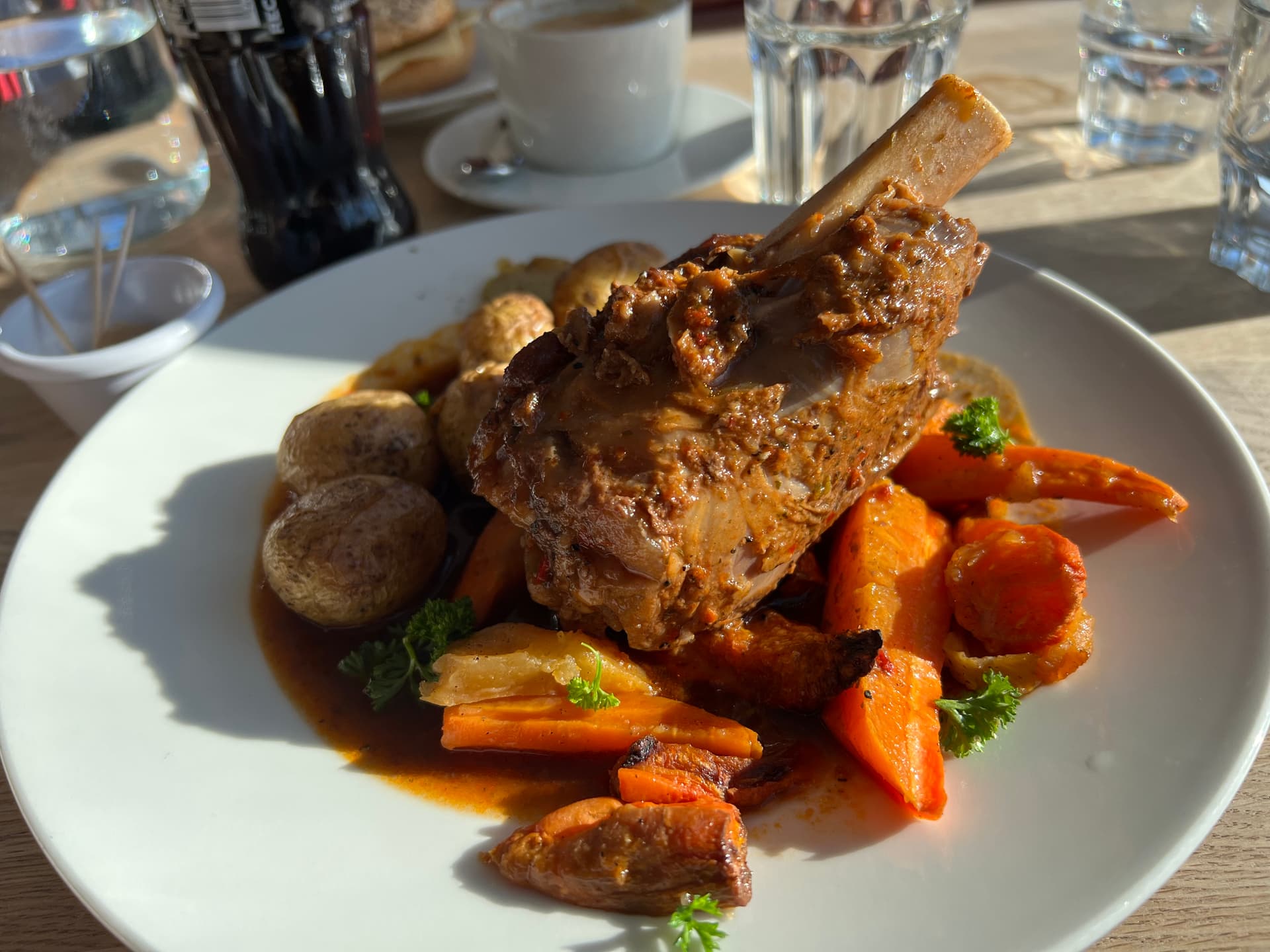
- Icelandic lamb – grazed on wild herbs and grass through short summers, giving the meat a distinct, slightly gamey flavor.
- Kjötsúpa (meat soup) – a hearty lamb and root vegetable soup that shows up on nearly every countryside guesthouse menu, especially in colder months.
- Hákarl – fermented Greenland shark, buried and dried for months. It smells sharply of ammonia and most first-timers only manage a small piece, but it's a genuine piece of Icelandic food history.
- Cinnamon rolls and rye bread from a proper Reykjavik bakery, like the ones at Braud & Co, are worth the detour on their own.
- For a casual, varied meal, Icelandic Street Food in downtown Reykjavik does lobster soup and fish stew in generous bowls, while Cafe Loki near Hallgrimskirkja serves traditional plates like rye bread ice cream and flatkaka with smoked lamb.
- Coffee culture runs deep here. Kaffibrennslan is a long-running Reykjavik roastery and cafe worth a stop between sightseeing.
FAQ
How many days do you need in Iceland?
A week is enough to drive the Golden Circle, the south coast, and still have a couple of days for Reykjavik and a geothermal lagoon. Ten days to two weeks lets you complete the full Ring Road at a relaxed pace, including detours into the Westfjords or the east fjords.
Is Iceland expensive?
Yes, Iceland is one of the pricier destinations in Europe, particularly for dining out and alcohol. You can manage costs by cooking some meals from grocery stores, traveling in shoulder season, and booking car rentals and lagoon tickets well ahead of time.
Do you need a car in Iceland?
Not strictly, since guided tours and intercity buses cover most popular routes, but a rental car gives you far more flexibility to stop at smaller sights like Barnafoss, Litlibær, or Hellnar on your own schedule. If you're only visiting Reykjavik and the Golden Circle, a car isn't essential.
Is Iceland safe to visit?
Iceland consistently ranks among the safest countries in the world for crime. The real risks are environmental, like unpredictable weather, strong ocean currents, and unmarked ice, so the main safety rule is to respect posted warnings and check conditions before heading out.
When is the best time to see the Northern Lights?
Late August through April gives you dark enough skies, with the best odds typically falling between October and March. You still need clear weather and low light pollution, so getting outside Reykjavik and checking an aurora forecast app improves your chances considerably.
Is English widely spoken in Iceland?
Yes, English is spoken fluently by nearly everyone, from hotel staff to rural guesthouse owners. Road signs and menus are usually in Icelandic and English, so language is rarely a practical obstacle for travelers.
Is the Ring Road doable without a 4x4?
In summer, yes, the paved Ring Road is manageable in a standard rental car. In winter, sections can ice over or close entirely, and a 4x4 with winter tires, or a guided tour, is the safer choice.
Top Places to Visit in Iceland
View all See & Do
 See & Do
 See & Do
 See & Do
Súgandisey Island Lighthouse
 See & DoBudget · $
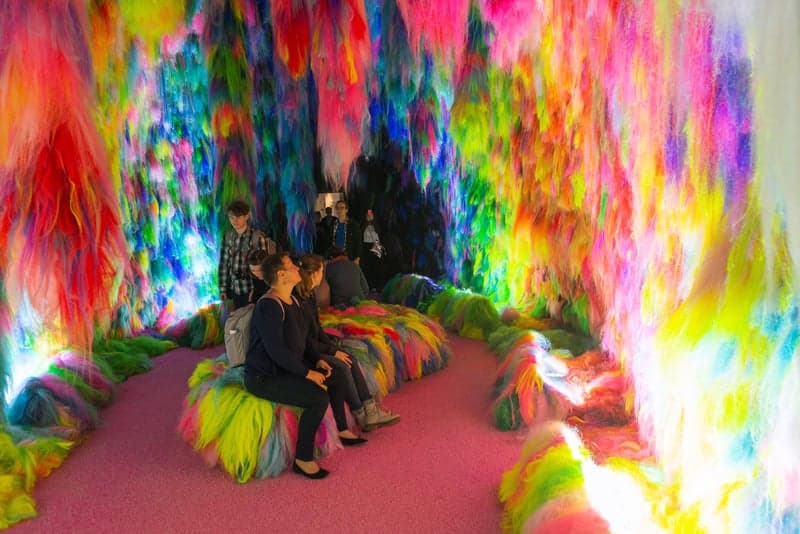
Höfuðstöðin – Chromo Sapiens
 See & DoFree
 See & Do
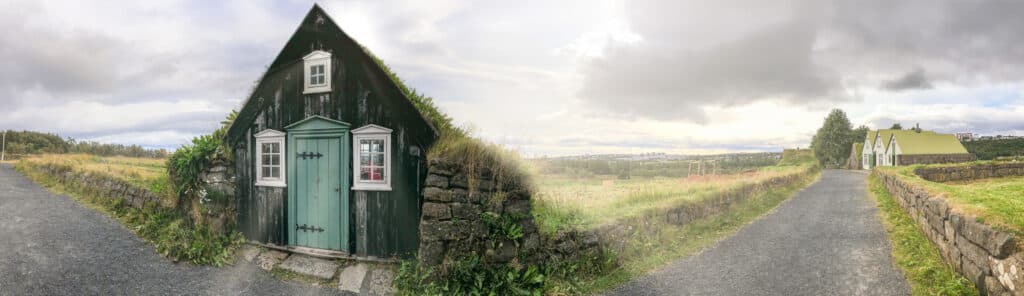
Arbaer Open Air Museum
 See & DoFree
Top Places to Eat in Iceland
View all Eat & Drink
 Eat & Drink
 Eat & Drink
 Eat & DrinkModerate · $$
 Eat & Drink
 Eat & DrinkExpensive · $$$
 Eat & Drink
Braud & Co
 Eat & Drink