

Canada on the map
80 places from this guide. Tap a pin to open the listing.
Canada stretches across six time zones and ten provinces plus three territories, and no single itinerary covers all of it. This Canada travel guide focuses on the parts of the country that reward a first or second visit most: the Rocky Mountains around Banff, the French-inflected streets of Montreal, and the major gateway cities that make up most travelers' routes. Whether you have ten days or a full month, you'll need to pick a region rather than try to see it all.
Overview
Canada is the second-largest country in the world by land area, and that scale shapes almost every travel decision you'll make here. A flight from Vancouver to Halifax takes longer than one from London to Moscow. Most visitors sensibly pick one or two regions rather than attempting a coast-to-coast trip in a single visit.
The big cities each have a distinct personality. Calgary built its modern identity around the 1988 Winter Olympics and still trades on that winter-sports reputation, with the Canadian Rockies close enough for a day trip. Banff, sitting inside Banff National Park, is the Rockies' best-known base camp, ringed by peaks and busy with wildlife, hiking trails, and some of the country's best skiing. Edmonton has earned the nickname "Festival City" for its packed summer calendar and backs that up with a strong museum and gallery scene along its river valley. Toronto is Canada's largest cultural melting pot, with the Toronto Zoo and the annual Canadian National Exhibition among its bigger draws. Vancouver pairs mountains and ocean within city limits, with Granville Island and Stanley Park as anchor attractions, and it doubles as a frequent film and TV production hub. Nova Scotia, on the Atlantic side, holds more than 80 National Historic Sites of Canada and draws visitors to its coastline and island communities.
Montreal deserves its own paragraph. It's one of Canada's main economic and cultural hubs, and its history runs deepest in Old Montreal, where cobblestone streets like Rue Saint-Paul Ouest lead past 17th and 18th century stone buildings toward the Old Port of Montreal on the St. Lawrence River. The Notre-Dame Basilica of Montreal, with its vaulted blue ceiling and gold stars, sits at the heart of the old city, and nearby Bonsecours Market is worth a slow walk for its copper dome and crafts stalls. Climb or ride up Mount Royal Park for a skyline view, or make the trip to Saint Joseph's Oratory of Mount Royal, whose dome is one of the largest in the world. For a different pace, Le Plateau-Mont-Royal and La Fontaine Park show the city's residential, everyday side, while the Quartier des Spectacles stays busy with festivals and street life through the warmer months.
When to Visit
Weather varies enormously depending on where you are and when, which is unsurprising given the country's size. Summer, roughly June through August, is the most popular season overall, drawing visitors to lakes, hiking trails, and national parks. Winter draws its own crowd for skiing and other snow sports, particularly around Banff, Whistler, and Quebec's ski regions, with the season usually running from December into March.
Shoulder seasons, spring and fall, get overlooked but have real advantages. Fall in particular brings cooler temperatures, thinner crowds, and strong foliage color in places like Quebec and Ontario's cottage country. Winter in the far north and on the prairies can turn genuinely extreme, so if you're traveling outside the big cities between December and February, check forecasts closely and pack for real cold, not just a chilly day. Festival-goers should note that Edmonton's calendar runs heaviest in summer, and Montreal's Quartier des Spectacles hosts a steady run of events through the warmer months as well.
How to reach the destination
Canada has more than 100 airports serving major international and domestic carriers, so reaching any big city is straightforward. Toronto Pearson, Vancouver International, and Montreal-Trudeau handle the bulk of international traffic, with Calgary International serving as the main gateway for the Rockies. If you're coming from the United States, cross-border flights tend to be affordable and frequent, and land crossings by car or bus are common along the shared border as well. Domestic carriers also run regional routes connecting smaller cities, which is useful if your trip spans more than one region.
Getting around the destination
This Canada travel guide would be incomplete without a word on distances, because getting around here means picking the right mode for the leg of the trip, not just one method for the whole country. If you're short on time and covering ground between distant cities, flying is usually the practical choice, and fares are often reasonable on routes between major hubs. If you have more time, the train crosses some genuinely scenic stretches, and riding Via Rail through the Rockies or along the St. Lawrence corridor is worth building a day around.
National parks are a different story. Banff National Park and its surroundings are best explored by car, and renting one opens up the Bow Valley Parkway, a slower, scenic alternative to the main highway that passes elk and occasionally bear habitat on the way to Lake Louise. Within Banff itself, Banff Avenue is walkable and lined with shops and restaurants, and the Banff Gondola gives you a lift up Sulphur Mountain without a long hike. For something more active, Tunnel Mountain Trail and the Vermilion Lakes loop are manageable from town, while Sunshine Meadows, Parker Ridge Trail, and Helen Lake Trail reward a short drive with alpine scenery that feels well beyond what a casual day hike usually delivers. Surprise Corner, just outside town, is a quick stop for a classic view over the Bow River toward the Fairmont Banff Springs hotel.
In the cities, public transit and walking cover most of what you'll want to see. Montreal's metro and bus network reach Old Montreal, the Plateau, and the Jean Talon Market area without much trouble, and neighborhoods like Chinatown sit close enough to downtown to fold into a walking day. Toronto and Vancouver both have reliable transit systems that make a rental car unnecessary for a city-only stay, and parking in these downtown cores tends to be expensive and limited anyway.
Top destination travel tips
- Get outside deliberately. Canada's reputation rests on its lakes, mountains, and forests, and the national park system makes most of it accessible even on a short visit.
- Pack for the actual season and region, not a generic "cold country" assumption. Winter in Alberta or the prairies is a different animal from a Toronto winter, and conditions can turn quickly in the mountains.
- Learn a handful of French phrases if you're heading to Quebec. English and French are both official languages, but in Montreal and especially rural Quebec, French is the everyday language, and even a basic "bonjour" and "merci" goes a long way.
- Eat regionally rather than sticking to one dish. Poutine is a Quebec staple worth trying there, but Alberta's game meats, like elk, are just as representative of their region.
- Give each city more time than you think you need. Montreal alone could absorb several days between Old Montreal, Mount Royal, and the museum circuit, and the same is true of Vancouver or Toronto.
- Book accommodation and park access early for summer in Banff. July and August fill up fast, and popular trailheads and parking lots can reach capacity by mid-morning.
- Tipping runs 15 to 20 percent at restaurants and is expected, not optional, much like in the United States.
Typical costs in the destination
Prices in Canada are in Canadian dollars (CAD), and the range is wide enough that almost any budget can work here. Hostel dorm beds and campsites sit at the low end, with hostel beds often starting around CAD 20 per night. B&Bs and hotels cover a long spectrum, with lower-range options generally starting somewhere in the CAD 80 to 100 bracket per night and higher-end hotels running CAD 300 to 400 or more. These figures shift by city and season, so treat them as a rough starting point rather than a quote.
Food follows a similar pattern. A casual local meal with a drink tends to land around CAD 15 to 20, while fine dining starts closer to CAD 80 to 100 per person and climbs from there. Major cities like Toronto, Montreal, and Vancouver run on the higher end of these ranges, while smaller towns and rural areas tend to be noticeably cheaper.
Must try food and drinks
- Poutine: fries, cheese curds, and gravy, a Quebec original now found nationwide, with some of the best versions still claimed by Montreal kitchens.
- Montreal bagels: smaller, denser, and wood-fired compared to New York style, best eaten fresh near where they're baked.
- Elk and other game meats: common on menus in Alberta, often served as burgers, sausages, or steaks.
- Maple syrup: look past the souvenir bottles for maple taffy on snow, a Quebec sugar-shack tradition in late winter and early spring.
- Nanaimo bars: a no-bake layered dessert from British Columbia, found in bakeries across the country.
- Caesar cocktail: Canada's answer to the Bloody Mary, made with Clamato juice, and genuinely a national obsession.
- Ice wine: a sweet dessert wine made from grapes frozen on the vine, with Ontario's Niagara region as the best-known producer.
- Smoked meat sandwich: a Montreal deli staple, piled high on rye, best known through long-running spots in the city's downtown core.
FAQ
How many days do you need in Canada?
Plan at least one to two weeks, and even then you'll only see a slice of the country. Canada is the second largest country in the world, so distances between regions are large. Give each city you visit several days, and pick one or two regions, such as the Rockies or Quebec, rather than trying to cover everything in one trip.
Is Canada safe for tourists?
Canada is generally considered a safe destination, and most visits pass without trouble. The bigger risks tend to be natural rather than criminal: winter weather can turn extreme in parts of the country, and national parks involve wildlife and remote terrain. Use normal big-city caution in Toronto, Montreal, and Vancouver, and check current local advisories before you travel.
Do you need to speak French in Canada?
No, you can get by in English across most of Canada, but French helps a lot in Quebec. English and French are both official languages, and in Montreal and the rest of Quebec, French is the everyday language. Learning a few basic phrases is polite and appreciated, especially outside the main tourist strips.
Do you need a car in Canada?
Yes for national parks and remote areas, but not for city stays. Places like Banff National Park, including drives along the Bow Valley Parkway, are best reached and explored by car. In big cities like Toronto, Montreal, and Vancouver, transit and walking cover the main sights, and parking downtown can be expensive and scarce.
Is a day trip from Banff to Moraine Lake and Lake Louise worth it?
Yes, it's one of the most popular ways to see the Rockies' best-known lakes from a Banff base. Many visitors combine it with stops along the way, including viewpoints near Bow Falls and the Banff Gondola. Mountain weather and crowd levels shift by season, and shuttle or parking arrangements change year to year, so confirm current access details before you book anything.
Is Canada expensive to visit?
Canada can run moderately to quite expensive depending on where and how you travel. Accommodation spans hostel beds to high-end hotels, and meals range from casual CAD 15 to 20 options to fine dining well above that. Big cities and peak summer or winter seasons tend to push costs higher, so traveling shoulder season or sticking to smaller towns stretches a budget further.
What's the best month to visit Canada?
It depends on what you want to do. July and August give you the warmest weather and longest days for hiking and lake activities, while January through March suits skiing and winter sports. September is a strong shoulder-season pick for fall color and thinner crowds, particularly in Quebec and around the Rockies. This Canada travel guide leans toward summer and winter for most first-time visitors, with fall as the better-kept secret.
Top Places to Visit in Canada
View all See & Do
 See & Do
Bow Valley Parkway
 See & Do
 See & Do
 See & Do
 See & Do
 See & Do
Helen Lake Trail
 See & Do
Top Places to Eat in Canada
View all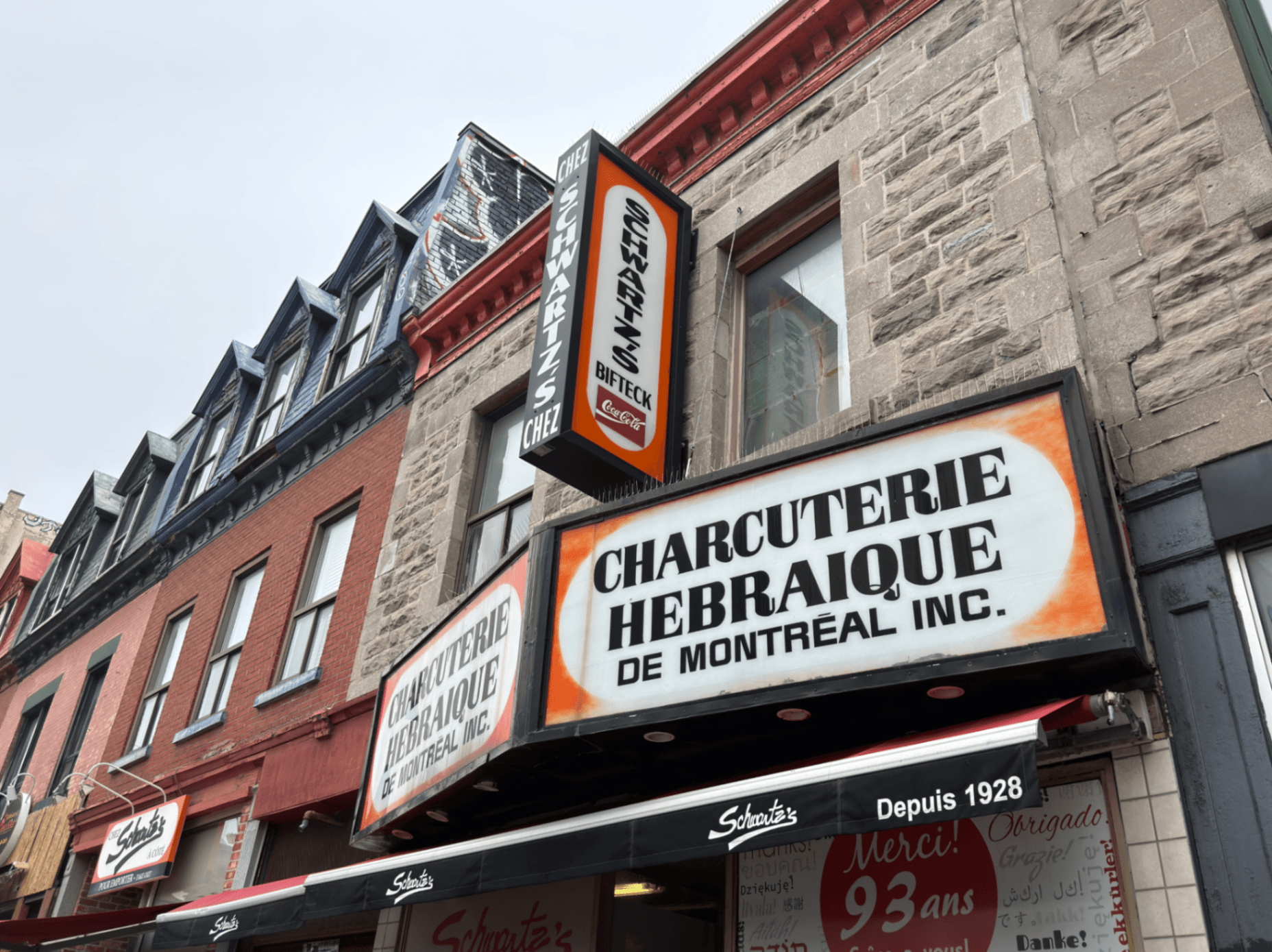 Eat & DrinkModerate · $$
Schwartz's Deli
 Eat & DrinkExpensive · $$$
 Eat & DrinkModerate · $$
 Eat & DrinkBudget · $
St-Viateur Bagel & Café Mont-Royal
 Eat & DrinkExpensive · $$$
Montréal Plaza
 Eat & DrinkBudget · $
Olive et Gourmando
 Eat & DrinkModerate · $$
Truffle Pigs Bistro & Lodge
 Eat & DrinkBudget · $