
Estonia Travel Guide Overview
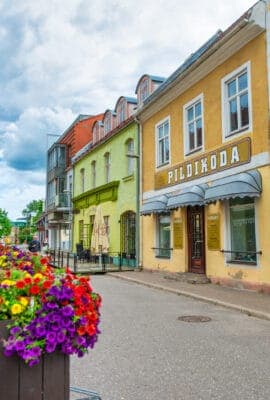
Estonia is a land that combines the old and the new; uncharted paths and modernized landscapes. With its charming locations like the capital city of Tallinn and other such treasures, it offers a lot to do for travelers of all kinds. It also promises an adventurous vacation filled with medieval castles, exotic wilderness, and rich history.
This Estonia travel guide will give you the tips and tricks you need for visiting Estonia.
Table of Contents
Top Destinations in Estonia
Tallinn: Estonia’s historic capital city radiates ancient charm with its UNESCO World Heritage-listed old city centers, beautiful palaces, museums, and other historical buildings. Make sure to visit the Alexander Nevsky Cathedral, Toompea Castle, and the Kadriorg Art Museum.
Tartu: Known as Estonia’s scholarly capital, Tartu is home to the country’s largest university and a flourishing cultural center, showcasing its heritage values, 18th-century architectural buildings, and lively modern lifestyle all in one place. Make sure to visit St John’s Church, the University of Tartu Botanical Garden, and the KGB Cells Museum.
Parnu: The summer capital of Estonia is this beautiful beach city where the Parnu River meets the sea. Its highlights include its white sands, pristine blue waters, bustling promenade, and breathtaking sunsets.
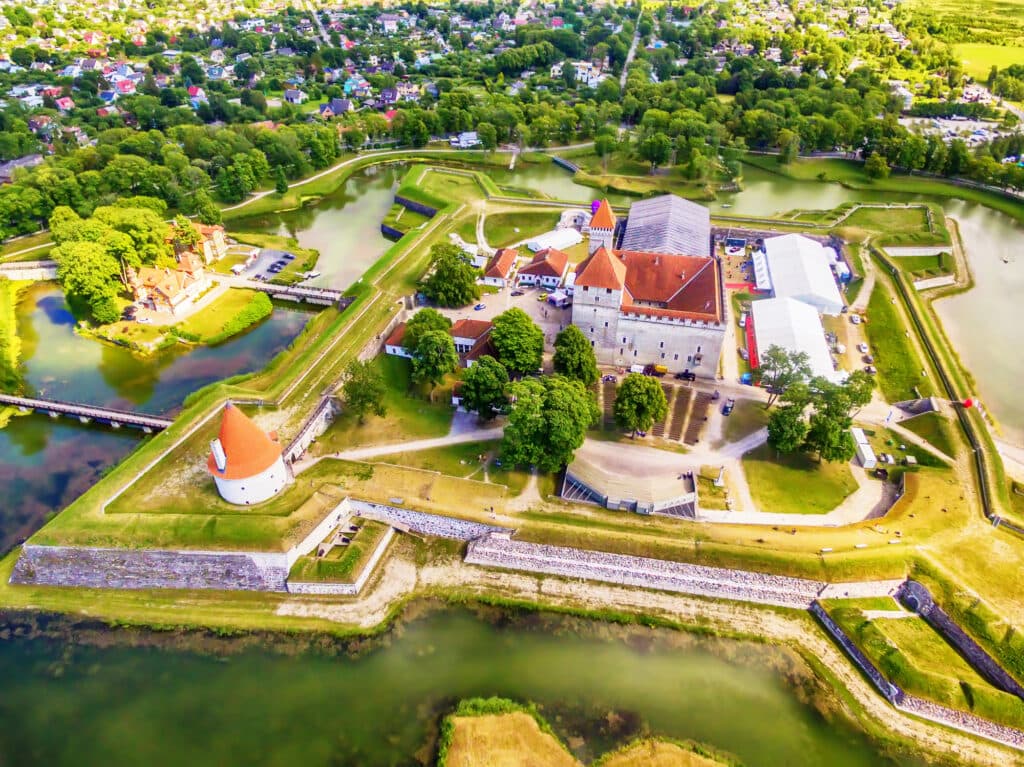
Saaremaa: As Estonia’s largest island, Saaremaa is a true paradise within itself, with beautiful green meadows, medieval castles, dense forests, and a lively capital town named Kuressaare. There are numerous activities available here, including birdwatching, hiking, and rock climbing.
When to Visit Estonia
The best time to visit Estonia is between April and May when the weather is pleasant for outdoor activities and it is less crowded. Even accommodation prices in Estonia will drop during this period. The peak season, however, is from June to August, during the summer when the weather is bright and sunny.
How to Reach The Estonia
By plane: Most international flights operate from cities such as London, Paris, and Amsterdam to Tallinn International Airport in Estonia. Flights are also available from all major Baltic and Scandinavian cities, including Stockholm, Oslo, and Copenhagen. Tallinn’s city center is only a 20-minute bus/train ride away from the airport.
By train: From either Russia or Latvia, you can easily reach Estonia’s Baltic Station. The trains are spacious, clean, and well-equipped, so even long journeys will be comfortable.
By bus: International coaches from Poland, Germany, Russia, and other Baltic states travel through Estonia. LuxExpress, Ecolines, and Eurolines all offer free Wi-Fi to make your trip more enjoyable.
By ferry: You can reach the ferry from either Finland or Sweden. The most popular route is via Helsinki, which involves a 2.5-hour ferry ride to Tallinn. However, if you are traveling from Stockholm, the ferry ride to Tallinn will take 12+ hours. Make your reservations with Viking Line, Eckero Line, or Tallink.
Getting around the Estonia: Transportation Tips
Travel by train in the Estonia
Trains are the fastest and most affordable means of transportation in Estonia. For instance, a one-way trip from Tallinn to Tartu will cost you about $10 and take about 2 hours.
Renting a car in the Estonia
You can also rent a car in Estonia, though it is expensive and requires an International Driving License.
Getting around by bus in the Estonia
Buses are another option; they are also inexpensive, with nearly identical prices to trains. However, buses are typically 30-40 minutes later than trains.
Top Estonia Travel tips
1. Sign up for free walking tours available in Estonia. This allows you to immerse yourself in the local way of life while also learning about the cultural heritage of Estonian destinations.
2. If you’re on a budget, check out the free attractions in Estonia, such as the Kadriorg Palace, Kadriorg Art Museum, Estonian History Museum, and Alexander Nevsky Cathedral.
3. Get the Tallinn Card if you’re staying for more than a week. It provides unlimited public transportation access as well as free entry to almost all attractions in Estonia.
4. Keep an eye on your possessions (wallets, cash, jewelry) if you’re in Tallinn because pickpocketing has become more common.
5. If you are intoxicated, avoid walking alone at night, especially if you are a solo female traveler.
Estonia Typical Costs
Price Range for Hotels
Hotel prices can vary depending on where you plan to stay. Budget hotels, for example, start around $40 per night for a double room with free Wi-Fi. Hostels are a little less expensive. Budget hotels start around $60-$80. Luxury hotels range from $150 to $200 per night, but this can increase during Estonia’s peak season. The majority of this accommodation includes free breakfast and flexible cancellation policies.
Cost of Meals
Many countries, including Russia and Germany, have influenced Estonian cuisine. If you’re on a tight budget, a good meal should cost between $6-$12. Pancakes, for example, typically start at $3. Lunch prices range from $20-$30, depending on whether you order Western, Indian, or Thai cuisine. Expect to pay $60-$80 per person for fine dining, including drinks.
Parnu


Photographs
FAQ
How many days do you need in Estonia?
Four to five days is enough for a first trip built around Tallinn plus one other stop. Spend two days in Tallinn's UNESCO-listed Old Town and museums, then add Tartu, about two hours away by train or bus. Allow extra days if you want to reach Saaremaa island or Lahemaa National Park.
Is Estonia expensive?
Estonia is generally affordable compared with Western Europe and the Nordics, though prices climb in Tallinn and during the June-to-August peak season. Trains and buses are inexpensive and several major sights are free. Accommodation and fine dining are where budgets stretch most. Confirm current rates before booking, as costs shift by season.
Is Estonia safe for tourists?
Yes, Estonia is generally safe for travelers, and petty theft is the main concern. Pickpocketing has become more common in Tallinn, so keep an eye on wallets, cash and jewelry. Avoid walking alone at night if you are intoxicated, especially as a solo woman. Otherwise, normal big-city precautions are enough.
Do you need a car in Estonia?
No, you can see Estonia's main cities without a car. Trains and buses are inexpensive, and Tallinn to Tartu takes about two hours by train, with buses typically 30-40 minutes slower. Renting a car is expensive and requires an International Driving License, so consider one only for remote areas or islands like Saaremaa.
Do people speak English in Estonia?
Yes, English is widely spoken in Tallinn and other tourist areas, especially among younger people. You will manage easily with hotels, restaurants and attractions. In smaller towns and rural areas you may meet less English, so learn a few Estonian phrases and keep key booking details written down or saved offline.
Is Lahemaa National Park worth a day trip from Tallinn?
Yes, Lahemaa National Park is worth a day trip from Tallinn, since it is only about 60 minutes from the capital. It suits nature lovers, with trails such as Viru Bog. Check transport or tour options and seasonal conditions in advance, and start early to make the most of the day.
Estonia on the map
43 places from this guide. Tap a pin to open the listing.
Top Places to Visit in Estonia
View all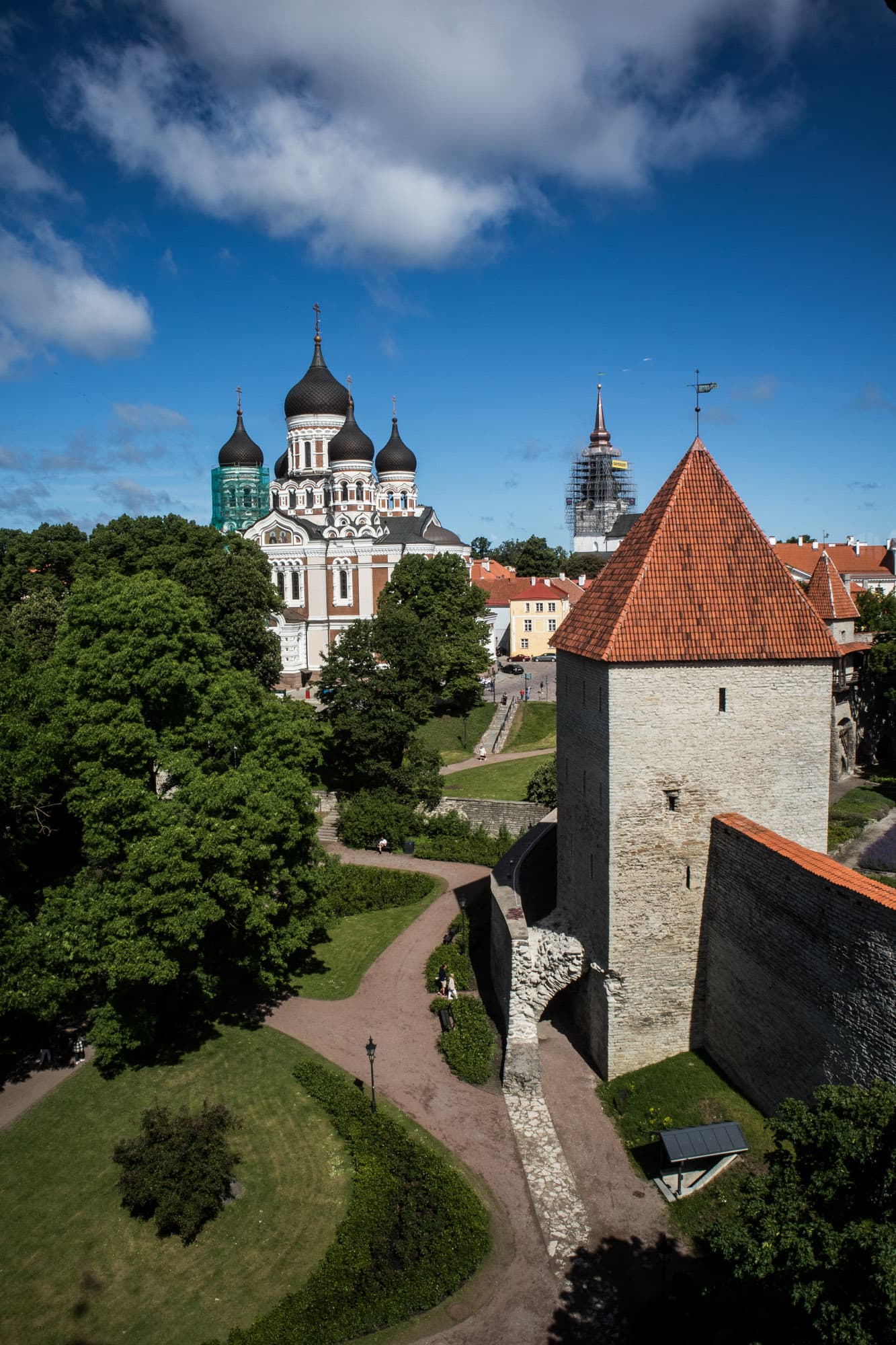



Top Places to Eat in Estonia
View all Eat & Drink
Restaurant Rataskaevu 16
 Eat & DrinkExpensive · $$$
 Eat & DrinkModerate · $$
 Eat & DrinkModerate · $$
 Eat & Drink
 Eat & DrinkExpensive · $$$
 Eat & DrinkLuxury · $$$$
 Eat & DrinkLuxury · $$$$