
What Makes a Good Camping Tent? 7 Things to Consider Before Your Next Trip
By
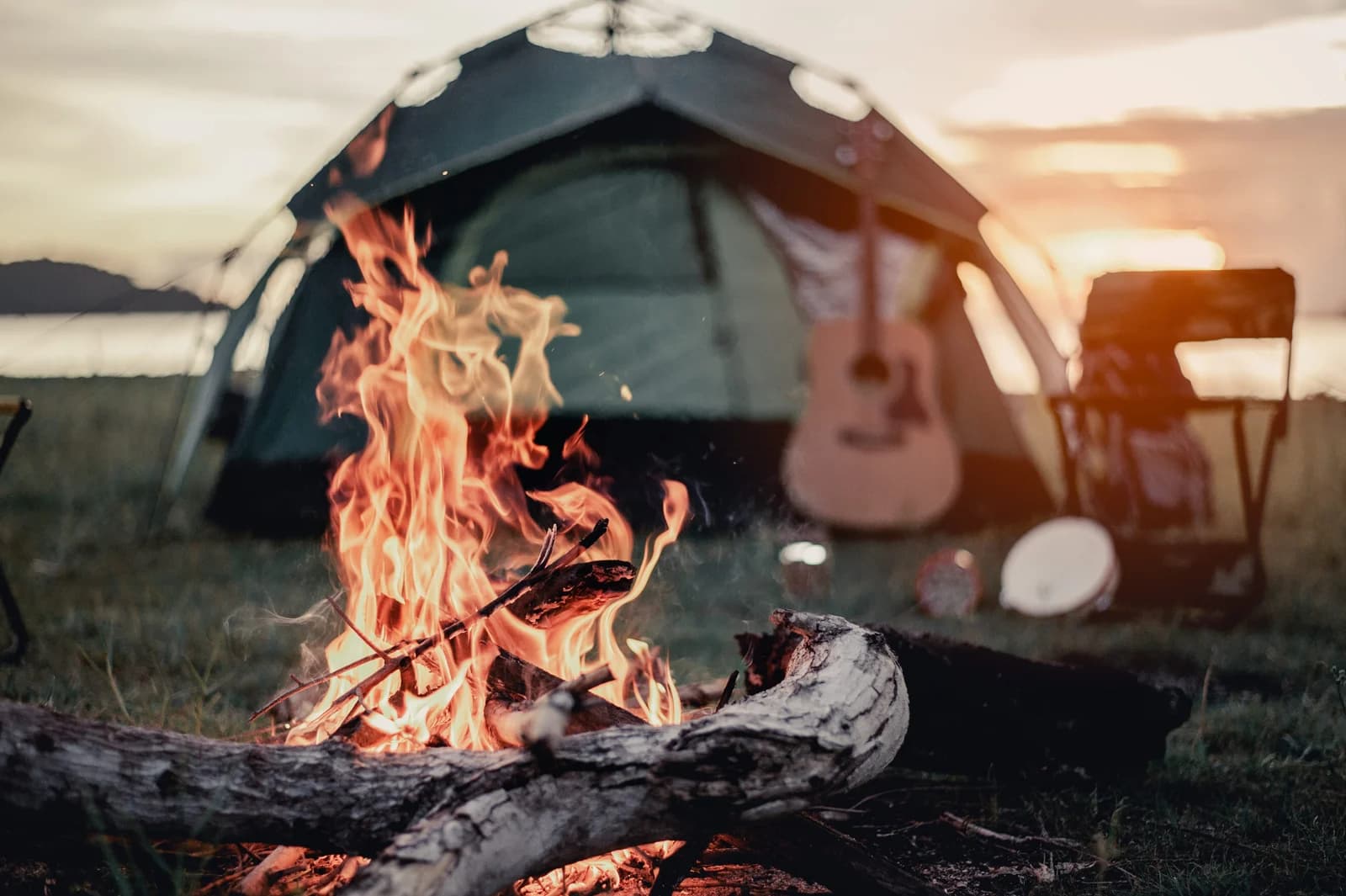
Our first real weekend trip started with a small victory. We found a campsite, pitched the tent, and everything fit. The tent's label said "4-person," and there were three of us: me, my wife, and our medium-sized dog. I figured we had room to spare.
By the second night, I knew I'd been asking the wrong question. My wife's duffel bag and our cooler sat in the back of the Subaru because there was nowhere dry to put them. The dog kept stepping on sleeping bags every time she rearranged herself. When it rained on Saturday afternoon, we ended up sitting in the Outback with the doors open, because the tent was too cramped to hang out in.
The tent technically held three sleepers. It just didn't hold three sleepers plus their stuff, a dog, and a rainy afternoon.
That trip changed how I think about how to choose a camping tent. I had focused on the number printed on the box. What I should have focused on was how we actually camp. Here are the seven things I now look at first.
1. Start With the Type of Camping You Actually Do
Before comparing any camping tent, get clear on your style of camping. The main styles call for different designs.
Traditional ground camping means pitching a tent directly on the ground. It's the most common approach and works almost anywhere you can find a flat spot. Backpackers prioritize weight and packed size, but weekend campers who drive to a site can afford to think about comfort instead.
Car camping means driving to your site and setting up right next to your vehicle. Since you're not carrying everything on your back, you can bring a larger tent, real chairs, and a cooler. A car camping tent can be roomier and heavier than a backpacking model, and its extra weight matters less.
Pickup truck camping uses the truck bed as part of your sleeping space, usually with a tent designed to fit over or around the bed.
Rooftop camping puts a tent on a rack system mounted on your vehicle's roof. It keeps you off the ground but adds weight to the vehicle and requires compatible roof hardware.
None of these is universally better than the others. The right one depends on where you camp, what you drive, and how much effort you want to spend on setup.
2. Think About How Many People Will Actually Use the Tent
Tent capacity is usually measured by how many sleeping pads can lie side by side, with little room left over. A 4-person tent might fit four adults shoulder to shoulder with nothing else inside.
Real trips don't work that way. Consider what needs to fit:
The people sleeping in the tent
A dog, which takes up more room than you'd expect
Duffel bags, backpacks, and shoes
Anything you'd rather not leave out in the dew or rain
A common rule of thumb is to size up. Two people with a dog and gear often do better in a tent rated for three or four. If you're tall or use thick sleeping pads, check the floor dimensions instead of relying on the label alone. Tent size is about floor area, but also about peak height and how the walls slope, which affect how much of that floor you can actually use.
Sleeping capacity is not the same as comfortable camping capacity. That was my first mistake.
3. Decide How Much Living Space You Need
Ask yourself what you do in a tent besides sleep. You might change clothes, sort gear, wait out a storm, or eat breakfast while it drizzles. Some designs handle this better than others.
Vestibules are covered areas outside the tent door, formed by the rainfly. They're good for muddy boots and wet gear, and some campers use them for a dog bed.
Awnings extend from the tent or vehicle to create shade or rain cover.
Screen porches or screen rooms give you a bug-free place to sit while staying outside the sleeping area. They're especially useful in buggy summer conditions.
Two-room layouts separate the sleeping area from a gear or lounge space. They add weight and take longer to set up, but they can make a rainy afternoon far more comfortable.
If your trips involve a lot of waiting around, weather delays, or bugs, extra living space might matter more than a few extra inches of sleeping room. If you mostly sleep and go, you can skip it.
4. Consider Where the Tent Will Be Set Up
Where you pitch the tent affects which type makes sense.
Ground tents work on most established campsites. They need a reasonably flat, clear spot, and rocks or roots will make themselves known through your sleeping pad.
SUV tents attach to the rear of an SUV, creating an enclosed space that connects to the cargo area. Some campers like being able to move between the vehicle and the tent without stepping outside. They usually need a compatible vehicle and enough room around the back of it.
Truck bed tents are made to sit in the bed of a pickup, keeping you off the ground. They depend on your bed length and truck model.
Tailgate tents are smaller shelters that attach to the rear of a vehicle, often for extra covered space rather than sleeping.
Rooftop tents mount above the vehicle. They can be useful on uneven or damp ground, though they add height and weight and change how you park.
Think about the campsites you actually use. Developed campgrounds with level pads are different from dispersed sites with slopes and loose gravel.
5. Don't Ignore Setup Time
I underestimated this one. On our first trip, I unpacked a traditional pole tent in fading light, sorted through poles, and tried to remember which sleeve went where. My wife held a flashlight and was very patient about it.
Setup style is worth considering. I won't put numbers on it, since times vary with the tent, your experience, and the conditions. But the general categories are:
Traditional pole tents use separate poles that thread through sleeves or clips. They come in many shapes and sizes, and many campers find them reliable. They also take more steps.
Quick or instant tents have pre-attached poles that expand into shape. They can simplify setup, though they may be bulkier when packed.
Automatic setup designs use hub-style or pop-up frames intended to reduce pitching steps.
Inflatable tents use air beams instead of rigid poles. Some campers like the simple pump-and-stake approach, but you'll want to think about repairs and pumps.
If you arrive late or camp for only one night, convenience matters. If you're staying several days, spending extra time on setup may be worth a roomier layout.
6. Think About Weather Before You Buy
Weather is where a poor tent choice becomes obvious. A few features are worth understanding.
Rainfly: This is the outer layer that covers the tent body. Full-coverage rainflies generally offer more protection than partial ones, especially in wind-driven rain.
Waterproof materials and coatings: Look for fabrics and seam treatments designed to resist water. No waterproof tent is immune to every condition, and coatings can wear over time, so follow care instructions.
Tent floor: A durable, bathtub-style floor that curves up the walls can help keep water out. A footprint or ground cloth under the tent can add protection.
Ventilation: Good tent ventilation matters as much as rain protection. Sleeping bodies and dogs produce moisture, and poor airflow can cause condensation inside the tent. Mesh panels, roof vents, and adjustable rainfly openings all help air move through.
Covered outdoor space: A vestibule or awning gives you somewhere to stand out of the rain.
Ventilation and weather protection can pull in opposite directions. More mesh means better airflow but less warmth. Think about the conditions you actually camp in, and check the forecast before every trip.
7. Choose the Tent Around Your Vehicle
This point is easy to overlook, and it's the one that shaped my second purchase.
I drive a 2021 Subaru Outback. It's a wagon-style vehicle with a roomy cargo area and a roof that can handle crossbars. Those details opened up options I hadn't considered on my first trip. Different vehicles lead to different tent designs.
SUVs and wagons: An SUV tent connects to the rear hatch and turns the cargo area into part of the shelter. These designs vary in how they attach, so check that the sleeve fits your vehicle's size and shape.
Pickup trucks: A truck tent is built around the bed. Measure your bed length and check whether a bed cover or shell affects fit.
Rooftop setups: A rooftop tent requires the right roof rack and load rating. Check your vehicle's manual for its roof capacity, and factor in fuel use and garage clearance.
When I started looking at vehicle camping tents, the questions changed. I stopped asking how many people it slept and started asking how it would work with my car, our gear, and the dog. A resource like the Joytutus website or any retailer that lists vehicle compatibility can help you check whether a design suits your setup. I'd still confirm measurements against your own vehicle before buying anything.
What I Pack Along With My Tent
A good tent is only part of a comfortable trip. Here's what usually goes in the Outback:
Sleeping pad: It insulates you from the ground and adds comfort. Many campers find this matters as much as the tent.
Sleeping bag and pillow: Match the bag to the season, and bring a real pillow if space allows.
Lantern and headlamp: A lantern lights the camp, and a headlamp keeps your hands free.
Cooler and cooking gear: A simple stove, a pot, and basic utensils cover most weekend meals.
Camp chairs: Small comfort, big difference.
Rain gear: A jacket and a tarp are worth having even if the forecast looks clear.
First-aid kit: Keep it stocked and know what's in it.
Power bank: Useful for phones and small devices.
Dog supplies: Water, a collapsible bowl, a leash, a bed or mat, and food. Check campground pet rules before you go.
What I Learned From Choosing My Second Tent
Looking back, my first tent wasn't a bad product. It was the wrong match. I had picked it by the number on the label without thinking about the vehicle, the dog, the gear, or the weather.
When I shopped again, I made a list of how we camp: two adults and one dog, a wagon with room in back, weekend trips at established campgrounds, and a strong preference for not sitting in the car when it rains. That list narrowed my options quickly. Some tents dropped out because they didn't fit the car. Others were too fussy to pitch after a long drive.
That's the lesson I'd pass along. The right tent is the one that matches your vehicle, your group size, your sleeping arrangement, your camping environment, and your real habits. Before your next trip, think through how you camp, measure what needs to fit, and choose the tent that suits those details. The number on the box is only the starting point.