
From Allergy Plans to Dinner Parties: How a Private Kitchen Really Runs
By
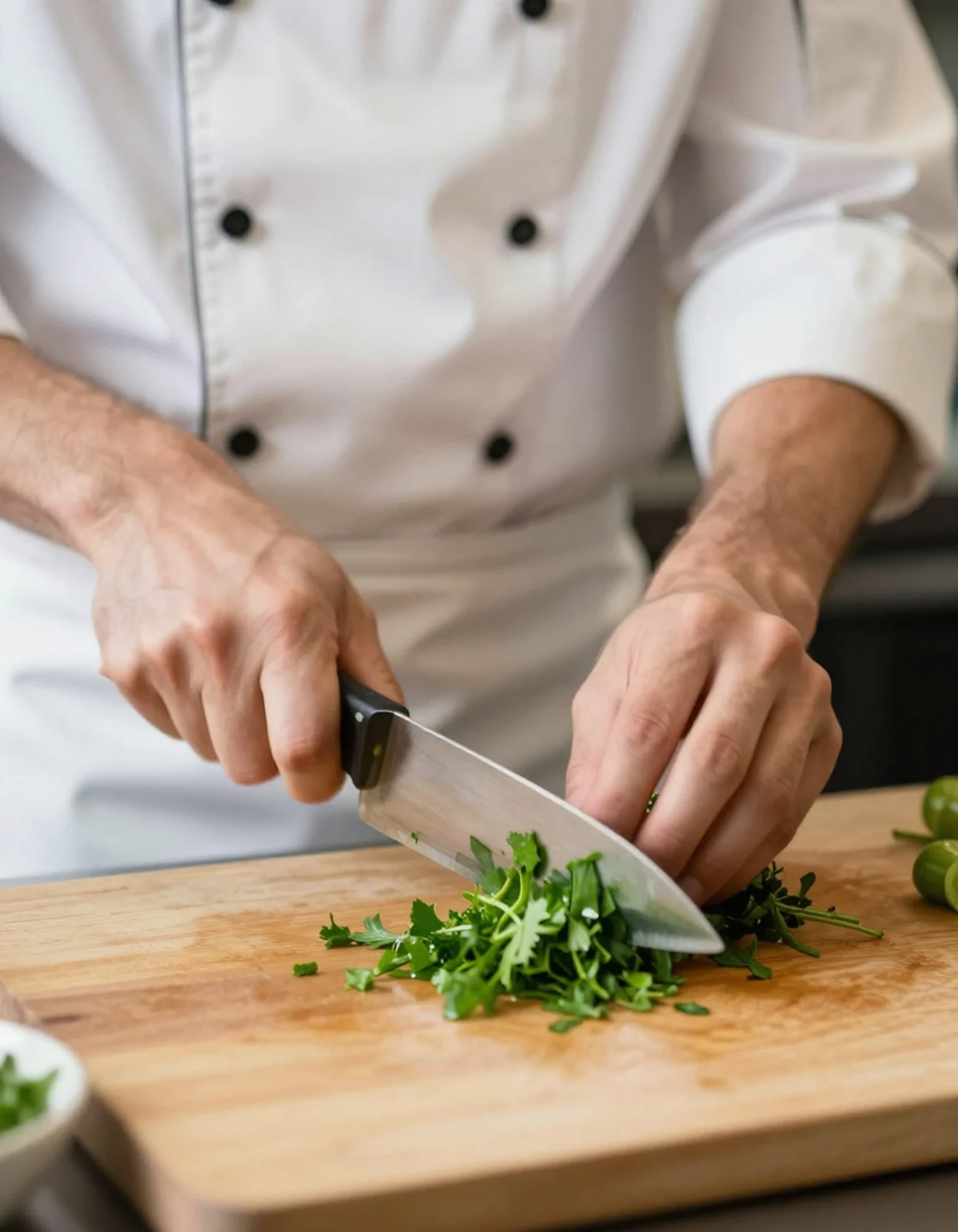
Most people picture a private chef as someone who cooks dinner. That is maybe a third of the job. The rest is planning, sourcing, systems, and adapting to a household where the schedule changes without warning. If you are researching what the role involves, this page is a good starting point: https://www.soflodomestics.com/hire-personal-chef-miami-florida/
Here is what actually happens in a well-run private kitchen, from Monday morning through Saturday night.
The Work Starts With Planning, Not Cooking
A private chef's week usually begins with a menu plan built around the family's real calendar.
That plan has to account for:
Who is home, and on which nights
Travel days and late arrivals
Scheduled guests or entertaining
Dietary requirements for each person
Training or nutrition goals
What is in season and available locally
What is already in the pantry and freezer
The plan is then sent to the principal for review. Adjustments come back. The chef revises. Only then does shopping begin.
Sourcing Is Half the Quality
Great food starts before the kitchen. Experienced private chefs build supplier relationships over years.
A typical sourcing routine includes:
A standing fish order from a specific supplier, not a general market
A butcher who knows the household's cuts and preferences
Weekly produce from a local farm or specialty grocer
Specialty items ordered ahead for guest events
Backup suppliers for when something is unavailable
This is why menus can shift at the last minute. If the fish is not right that day, the chef changes the plan rather than serving something mediocre.
Managing Dietary Requirements Safely
In many households, this is the most important part of the job. It is also the part with the least margin for error.
A single family can include:
A child with a severe nut allergy
An adult managing gluten intolerance
Someone following a specific eating plan for training
A guest with shellfish restrictions
Household staff meals with their own needs
Handling this properly means:
Written allergy protocols posted in the kitchen
Separate cutting boards, utensils, and prep zones
Reading every label, every time, including on repeat purchases
Labeling every stored item with contents and date
Briefing any temporary staff before service
Knowing where emergency medication is kept
A chef who treats allergies casually is a serious risk, no matter how good the food is.
Ask about this directly during hiring. A strong candidate will describe their protocol without hesitation, including how they handle shared equipment and how they brief anyone else working in the kitchen that day.
Entertaining Changes Everything
Dinner for four and dinner for twenty-four are different jobs.
For an event, the chef typically handles:
Menu development with the host
Guest dietary intake and tracking
Timeline planning, backward from service
Rentals, staffing, and coordination with other vendors
Prep across two or three days
Plating and service execution
Full kitchen reset afterward
Families who entertain in more than one home often want the same standard in both kitchens. You can view the full details here on how households structure that kind of arrangement, so the second property is not treated as an afterthought when guests arrive.
The Systems Behind a Calm Kitchen
Good private chefs are organized to an almost obsessive degree. That organization is what makes last-minute changes possible.
Common systems include:
Inventory logs for pantry, freezer, and specialty items
Labeled storage with contents and dates on everything
Recipe files so a favorite dish tastes identical every time
Preference notes on what each person likes and avoids
Vendor contact lists with account details and lead times
Budget tracking with receipts and monthly summaries
When a principal calls at four in the afternoon to say six guests are coming at eight, systems are what make yes a realistic answer.
Flexibility Is the Real Skill
Private households are not restaurants. Plans change constantly.
A chef in this role has to handle:
Dinner canceled after the food is prepped
Travel plans moved up by a day
A guest arriving with an unmentioned restriction
Requests for a completely different cuisine that evening
Weeks with no one home, followed by weeks of full houses
The professionals who thrive here treat changes as normal. The ones who struggle are usually excellent cooks who need a fixed schedule to do their best work.
What Else Falls Under the Role
Beyond cooking, most private chefs also handle:
Complete kitchen cleaning and sanitation
Equipment maintenance and replacement recommendations
Grocery and household food budgeting
Stocking the home before the family arrives
Preparing meals for travel or the second residence
Training household staff on food handling basics
Working With the Rest of the Household
A private chef rarely works alone. In staffed homes, the kitchen touches almost every other role.
That usually means coordinating with:
The house manager or butler on event timing and service
Housekeeping on kitchen cleaning boundaries
The nanny on children's meals and snack routines
The family assistant on travel dates and guest lists
Drivers on grocery runs and specialty pickups
Chefs who communicate well across these roles make the whole household run more smoothly. Chefs who treat the kitchen as private territory tend to create friction that eventually reaches the principal.
Conclusion
Preparation, not spontaneity, is the foundation of a private kitchen. The visible portion is the cooking. Beneath it are inventory systems, allergy precautions, supplier relationships, menu planning, and the ability to quickly revise the plan.
Look past the tasting menu when hiring for this position. Inquire about systems. Inquire about any allergies. What happens if, at five o'clock in the afternoon, the plan falls apart?
No food can ever tell you as much as the answers to those questions.
Frequently Asked Questions
What is the typical workweek for a private chef?
It varies greatly. Some households require dinner service only for five days. Others require full-time coverage for entertainment, breakfast, and lunch. Prior to beginning a search, identify your true needs.
What distinguishes a personal chef from a private chef?
A private chef usually works full-time, on-site for one family. A personal chef prepares meals in bulk for families to reheat later in the week, usually feeding a number of patroons.
Who covers the cost of supplies and groceries?
The family does. The cook uses a special household card or submits receipts, and most households set a monthly food budget. Before the first week, decide on the reporting strategy and budget.
Can a private chef handle a large dinner party alone?
Up to roughly twelve guests, often yes. Above that, most chefs bring in additional prep or service staff. Clarify who arranges and pays for that support ahead of time.
Before employing a chef, how should I examine them?
Request a paid sample that includes a full family meal and meets your specific dietary requirements. Take note of the preparation, sourcing, cooking, and cleaning procedures in addition to the taste of the dish.