
Basilica of the Sagrada Familia
Open now
Basilica of the Sagrada Familia
Carrer de Mallorca, 401, Eixample, 08013 Barcelona, Spain Posted by bazartravelsTraveler
Overview
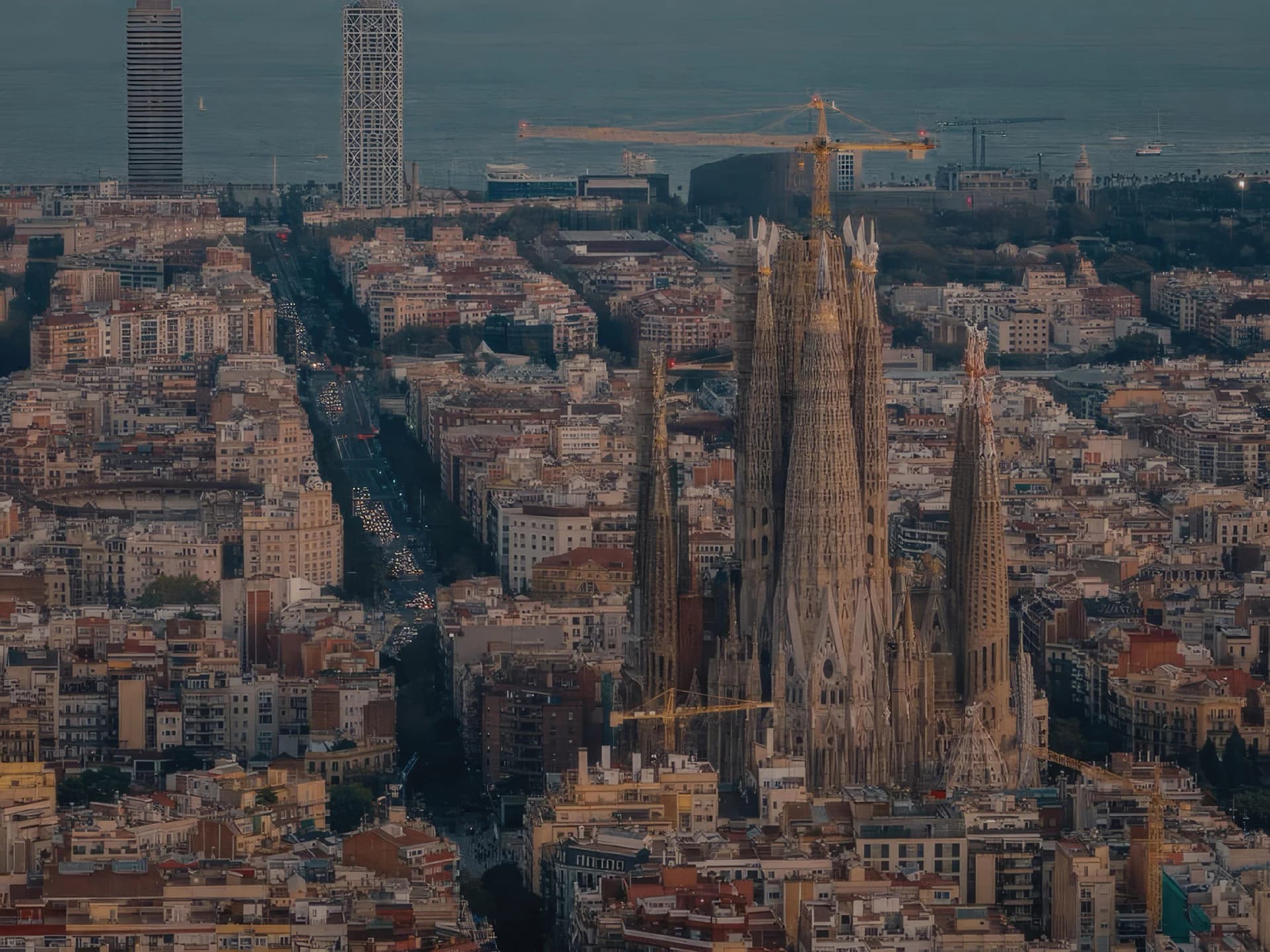
The Basilica of the Sagrada Familia stands as Barcelona's most recognizable structure and one of Europe's most ambitious unfinished architectural projects. Located in the Eixample district at Carrer de Mallorca 401, this Roman Catholic basilica has captivated visitors and inspired architects since its foundation stone was laid in 1883. What began as a modest neo-Gothic church transformed into something far more radical when Antoni Gaudí took over the project in 1883, reimagining it as an organic, nature-inspired cathedral that defies conventional architectural logic.
Gaudí devoted the final years of his life entirely to the Sagrada Familia, living on-site and pouring his creative vision into every detail. His death in 1926 left the basilica unfinished, yet construction has continued across more than a century. The building remains under active construction today, with completion projected for the coming years. This ongoing process makes the Sagrada Familia unique among major tourist attractions: you're witnessing a living, evolving masterpiece rather than a finished monument.
Why this place matters
The Sagrada Familia represents a singular vision in religious architecture. Gaudí rejected the rigid symmetry of traditional churches, instead drawing inspiration from natural forms like trees, bone structures, and honeycomb patterns. The interior columns branch like a forest canopy. The exterior walls incorporate intricate sculptural narratives depicting the Nativity and the Passion of Christ. Every surface contains intentional mathematical relationships and symbolic meaning.
Beyond its architectural innovation, the basilica functions as Barcelona's spiritual and cultural identity. It's the most visited paid monument in Spain, attracting over 3 million visitors annually. The building was designated a UNESCO World Heritage Site in 1984, recognizing its exceptional cultural value. For many Barcelonans, the Sagrada Familia represents their city's artistic ambition and refusal to accept conventional limits.
Quick facts
- Location: Eixample district, central Barcelona
- Foundation stone laid: 1883
- Gaudí's tenure: 1883 to 1926
- Current status: Active construction site and functioning basilica
- UNESCO World Heritage Site: Designated 1984
- Approximate annual visitors: 3 million
- Height of central nave: 45 meters
- Number of towers: 18 planned (8 currently complete)
- Entry: Timed ticketed admission required
Getting there
The basilica sits at the intersection of Carrer de Mallorca and Carrer de Sardenya in Eixample. Multiple metro lines serve the area. Line 2 (red) and Line 5 (blue) both stop at Sagrada Familia station, which deposits you directly outside the main entrance on Carrer de Mallorca. From Plaça de Catalunya in central Barcelona, the metro ride takes approximately 5 minutes.
If arriving by bus, several lines pass through the neighborhood. Taxis and rideshare apps are readily available throughout Barcelona and will drop you at any of the basilica's four entrances. The Nativity Facade on Carrer de Mallorca remains the primary entry point for most visitors.
Parking near the basilica is limited and typically expensive. Most visitors rely on public transport or ride-sharing. The surrounding streets can be congested during peak tourist season, so arriving early or during off-peak hours reduces crowds significantly.
The layout and experience
The basilica occupies a full city block. Four facades face outward: the Nativity Facade on Carrer de Mallorca (the oldest and most ornate), the Passion Facade on Carrer de Sardenya (stark and dramatic), the Glory Facade (still under construction), and the apse entrance.
Upon entry, you ascend into the main nave. The interior reveals Gaudí's full spatial imagination. Columns of varying heights support a ceiling that seems to breathe rather than press down. Natural light filters through stained glass windows, creating an atmosphere that shifts throughout the day. The space feels simultaneously vast and intimate.
Most visitors follow a roughly circular path through the interior, eventually reaching the crypt beneath the main floor. The crypt contains Gaudí's tomb and original architectural plans. From the main floor, you can access tower elevators (included with admission) that ascend into the spires themselves. The elevator ride is tight and steep, but the views from the upper galleries provide perspective on the construction site and surrounding Barcelona.
The entire visit typically requires 2 to 3 hours if you move at a leisurely pace and take the tower access. Rushing through takes 60 to 90 minutes, though you'll miss substantial detail.
Main highlights
The Nativity Facade demands close inspection. Completed during Gaudí's lifetime, it depicts the birth of Jesus with figurative sculptures that feel almost alive. Every surface tells a story: animals, plants, and human figures interweave across the stone. The central tower above this facade stands at 40 meters and features sculptural representations of the four evangelists.
Inside, the central nave column deserves extended attention. This is not a column in the traditional sense but rather a branching structure where load-bearing elements split and subdivide like a tree's limbs distributing weight. Stand directly beneath it and look upward to grasp Gaudí's engineering philosophy. The geometry makes structural sense while evoking organic growth.
The interior stained glass windows introduce color in subtle ways. Unlike the jewel-toned windows of Gothic cathedrals, Gaudí's glass tends toward pale blues, greens, and whites. This allows natural Barcelona light to dominate, with the glass acting as a filter rather than a statement.
Tower access provides the clearest view of the construction process. From the upper galleries, you see the massive cranes, the workers, and the scale of unfinished sections. The Passion Facade towers loom directly across the interior volume, their angular geometry contrasting sharply with the Nativity Facade's organic curves.
History and background
The original church began in 1883 as a modest neo-Gothic project conceived by Francisco de Paula del Villar. The design was conventional and unremarkable. After just a year, the project changed hands. Antoni Gaudí assumed leadership and completely abandoned the previous architectural direction.
Gaudí envisioned a basilica that would synthesize all his architectural experiments. He had completed the Park Güell and the Casa Batlló in the years prior, both showcasing his distinctive language of organic curves and nature-inspired forms. The Sagrada Familia would be his ultimate statement: a church that functioned as both a spiritual space and an architectural manifesto.
Construction proceeded fitfully through the early 20th century. Funding relied on donations and ticket sales from visitors. World War I, economic downturns, and the Spanish Civil War all interrupted progress. By 1926, when Gaudí died, only the Nativity Facade and parts of the crypt were substantially complete. His funeral procession moved through Barcelona streets as a public mourning for both the man and the unfinished vision.
After Gaudí's death, subsequent architects struggled to interpret his intentions. He left no detailed blueprints, only scale models and sparse written notes. Different construction directors made varying decisions about how to proceed. The Spanish Civil War (1936 to 1939) caused significant damage. Anarchist militias set fires that destroyed Gaudí's workshop and many of his models. Reconstruction required decades of detective work.
Modern construction accelerated during the 1980s and 1990s, particularly after the 1984 UNESCO recognition. Improved funding, new technology, and refined interpretation of Gaudí's intent allowed previously impossible details to be realized. The Passion Facade was completed in 1987. Work on the interior continues today, with completion estimated in the coming years.
Tickets and entry
Entry to the Sagrada Familia requires a paid ticket. General admission includes access to the interior, the crypt, and the museum. Timed entry slots are typically available for morning, afternoon, and early evening, with more frequent slots during tourist season.
Tower access is usually included in general admission but does not automatically include entry to all towers. Some visitors choose to add a guided tour, which provides historical context and architectural explanation. Audio guides are available in multiple languages and offer a flexible alternative to group tours.
Tickets are sold online in advance and at the entrance. Online purchase is strongly recommended, especially during summer months, as on-the-day tickets sell out regularly. The website allows you to select your preferred entry time weeks in advance.
Children under 11 typically receive reduced or free entry depending on the ticket type. Students and seniors qualify for discounts with valid identification.
Best time to visit
July and August draw peak crowds. Queues form hours before opening, and the interior becomes uncomfortably packed, particularly around midday. If you visit during summer, arrive at first opening or book late afternoon entry to minimize crowds.
April through June and September through October offer better balance. The weather is pleasant, tourist numbers are moderate, and you can actually move through the space. Spring also brings changing light quality as the sun's angle shifts.
November through February sees substantially fewer visitors. Winter light is lower and softer, creating different atmospheric effects inside the basilica. Some visitors find this season more contemplative and photogenic, though weather can be unpredictable.
Weekday visits are quieter than weekends. If your schedule allows, Tuesday through Thursday mornings typically provide the most peaceful experience.
Photography tips
Exterior photography benefits from varied angles. The Nativity Facade is most dramatic in morning light, when the eastern sun rakes across the sculptural details. The Passion Facade receives afternoon and evening light beautifully. Photograph from across Carrer de Mallorca to capture the full height of the towers against the sky.
Interior photography is permitted without flash or tripods. The stained glass windows create interesting light patterns on the stone floor and columns throughout the day. Shoot during mid-morning or mid-afternoon when light streams through at oblique angles rather than during noon when light falls more directly.
The tower interiors offer dramatic close-up views of sculptural details and geometric patterns. Bring a wide-angle lens if you have one. The upper galleries provide elevated perspectives on the construction site itself, showing the scale and complexity of ongoing work.
Avoid photographing directly into bright windows, as this causes significant exposure problems. Instead, position yourself to use the backlit windows as compositional elements within the frame.
Facilities and preparation
The basilica is a functioning Catholic church as well as a tourist site. Respect for this dual role is essential. Dress modestly: cover shoulders and knees. The church requests that you do not photograph during Mass times, which occur regularly throughout the day.
The tower elevators are small and crowded. If you have mobility limitations, consider whether tower access is feasible for you. The interior is accessible via ground-level entry, but navigating stairs is unavoidable if you wish to ascend the towers.
The museum section, housed in the crypt level, provides historical context through artifacts, scale models, and photographs. This section is not physically demanding and offers valuable perspective on Gaudí's evolution and the construction process.
Water fountains are available inside the basilica. The building lacks a dedicated café, though food vendors operate in the surrounding plaza outside. Most visitors purchase refreshments before entry or after exiting.
Bathroom facilities are available but are often crowded during peak hours. Plan accordingly.
Combining with nearby attractions
The Eixample district contains numerous Modernist buildings within walking distance. Casa Batlló and Casa Amatller stand just 15 minutes south on Passeig de Gràcia. Both are Gaudí-influenced structures worth seeing to contextualize his broader design philosophy. Casa Vicens, another Gaudí residence, lies about 10 minutes north.
The Hospital de Sant Pau, a Modernist complex by Domènech i Montaner, is approximately 10 minutes north. It functions as a working hospital with some sections open for tours, offering insight into Modernism's application to institutional architecture.
Plaça de Catalunya, Barcelona's central plaza, is 10 minutes south by metro. From there, the Gothic Quarter extends eastward, offering medieval Barcelona's narrow streets and the Cathedral of the Holy Cross. This creates a compelling contrast between Gothic and Modernist architecture.
Park Güell, another major Gaudí work, requires a separate metro ride and sits atop a hill in a different part of the city. Most visitors dedicate a separate half-day to this site.
Sample visit plan
Book a timed entry slot for 9:30 AM to avoid peak crowds. Arrive 15 minutes early to locate your entrance and acclimate to the exterior.
Spend 20 minutes examining the Nativity Facade in detail before entering. Photograph the sculptural elements and observe how light reveals different depths.
Upon entry, move into the main nave and spend 30 minutes simply absorbing the space. Walk slowly, look upward, observe how light changes your perception of the geometry.
Descend to the crypt and museum, allowing 30 minutes. This context transforms your understanding of what you've witnessed above.
If tower access interests you, allocate 45 minutes to 1 hour. Choose one side rather than attempting both if time is limited. The Nativity Facade towers offer more ornate sculptural detail. The Passion Facade towers provide more dramatic views of the construction site.
Exit and photograph the Passion Facade and other angles from the surrounding streets. The entire experience takes 2 to 3 hours without rushing.
Practical tips
- Book tickets online at least several days in advance to secure your preferred time slot
- Arrive at your designated entry time rather than earlier, as earlier arrival does not grant access
- Wear comfortable shoes with good support; the floor is stone and the visit involves sustained standing
- Bring a camera or ensure your phone is fully charged before entry
- The interior remains cool even in summer; bring a light layer if you're temperature-sensitive
- Respect the functioning church environment; keep voices low and avoid disruptive behavior
- The audio guide is worth the additional cost if you want detailed architectural and historical explanation
- Visit the museum section for crucial context about Gaudí's design philosophy and construction history
- If crowds are overwhelming at any point, exit to the crypt or museum to find quieter spaces
- Tower elevators have weight limits and small capacity; if you have concerns, ask staff before ascending
FAQ
Is the Sagrada Familia finished? No. Construction is ongoing and has been continuous since 1883. Completion is projected for the coming years, but the basilica remains a work in progress. This unfinished state is part of what makes it distinctive.
Can I attend a service inside the basilica? Yes. Mass times are posted at the entrance and online. You may attend services, though photography is typically restricted during these times. Visitors are expected to be respectful and quiet during services.
How long does a typical visit take? Most visitors spend 2 to 3 hours. This includes time in the main interior, the crypt, the museum, and optionally the towers. You can move through more quickly if you wish, but 90 minutes is a reasonable minimum to see the essential elements.
Are there discounts or free entry times? Children and students typically qualify for reduced rates. Some free or reduced-price entry hours exist, though these are offered infrequently and are heavily crowded. Check the official website for current promotions.
Can I take photos inside? Yes. Personal cameras and phones are permitted without flash or tripods. Professional photography requires special permission and advance booking.
Opening hours
Reviews
Sign in and mark this place visited to leave a review.
No reviews yet.
Free Trip Planner
Plan your Barcelona trip with our free planner
Build a day-by-day itinerary with AI suggestions, hand-picked places, and friends. Free forever — no credit card.
Related reading
Things to see near Basilica of the Sagrada Familia

Colonia Guell Gaudi Crypt
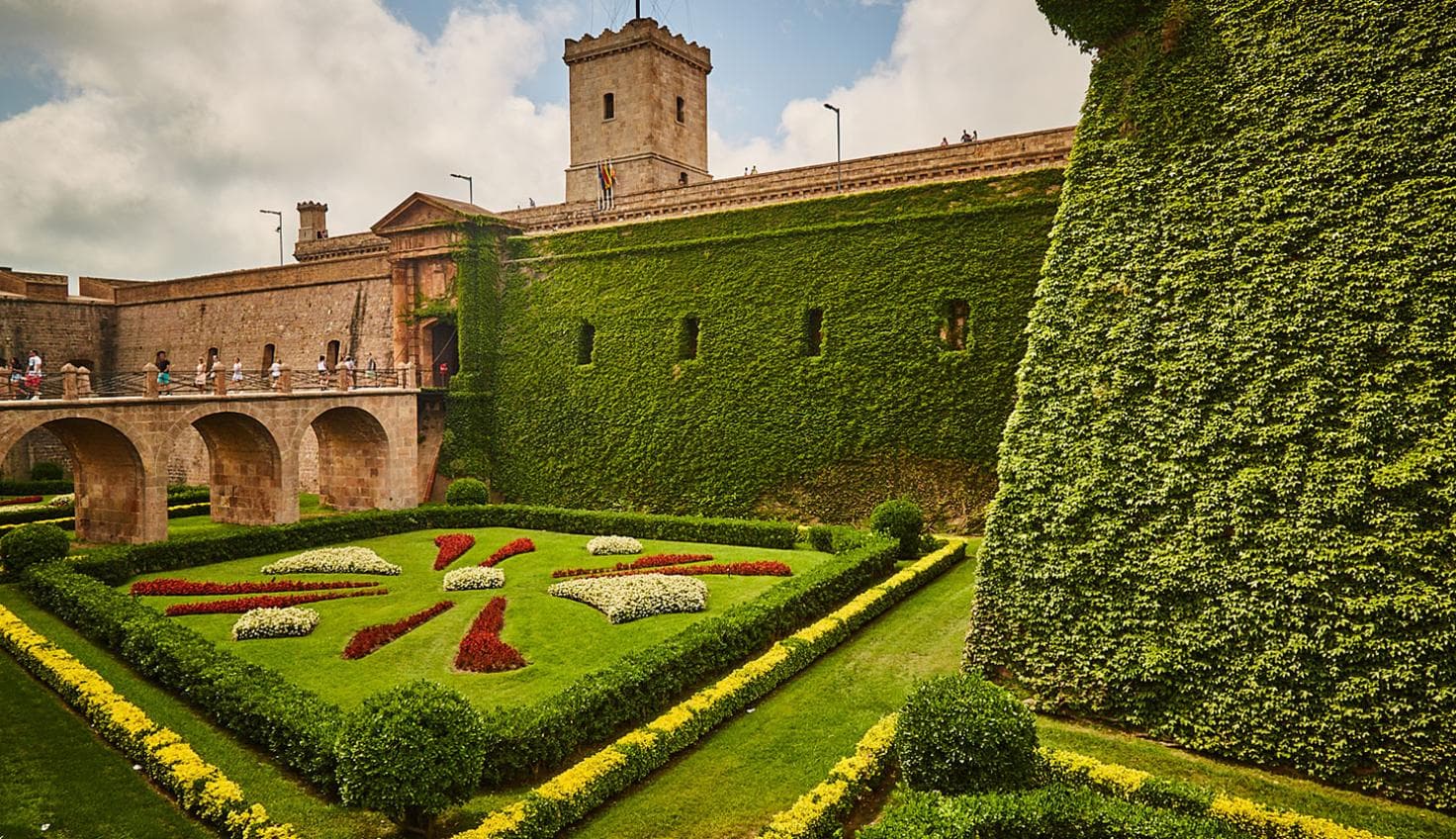
Montjuïc Castle
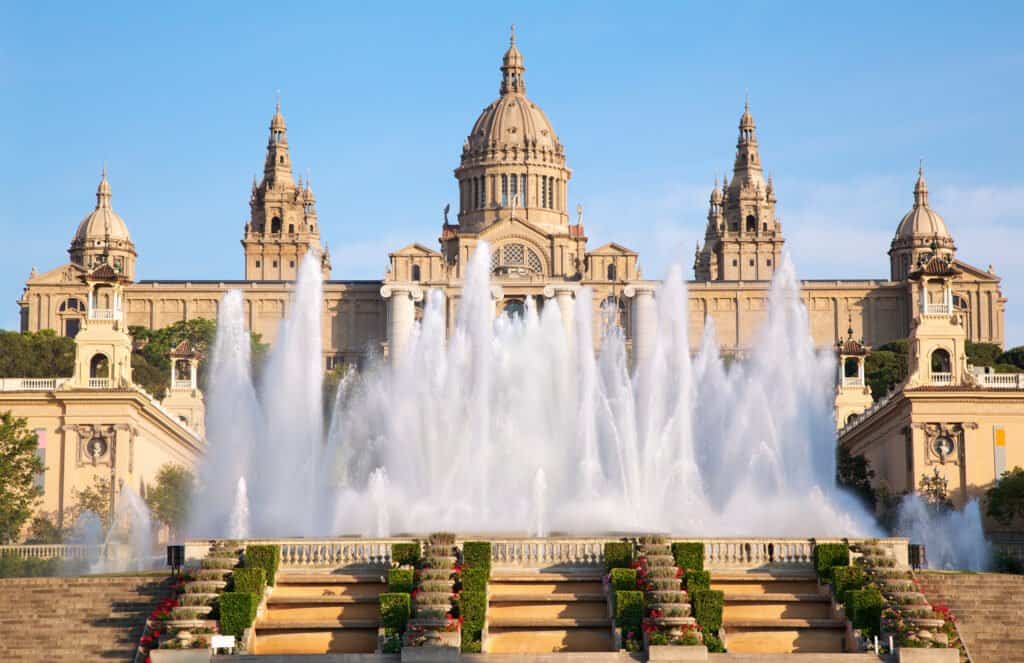
Magic Fountain of Montjuïc
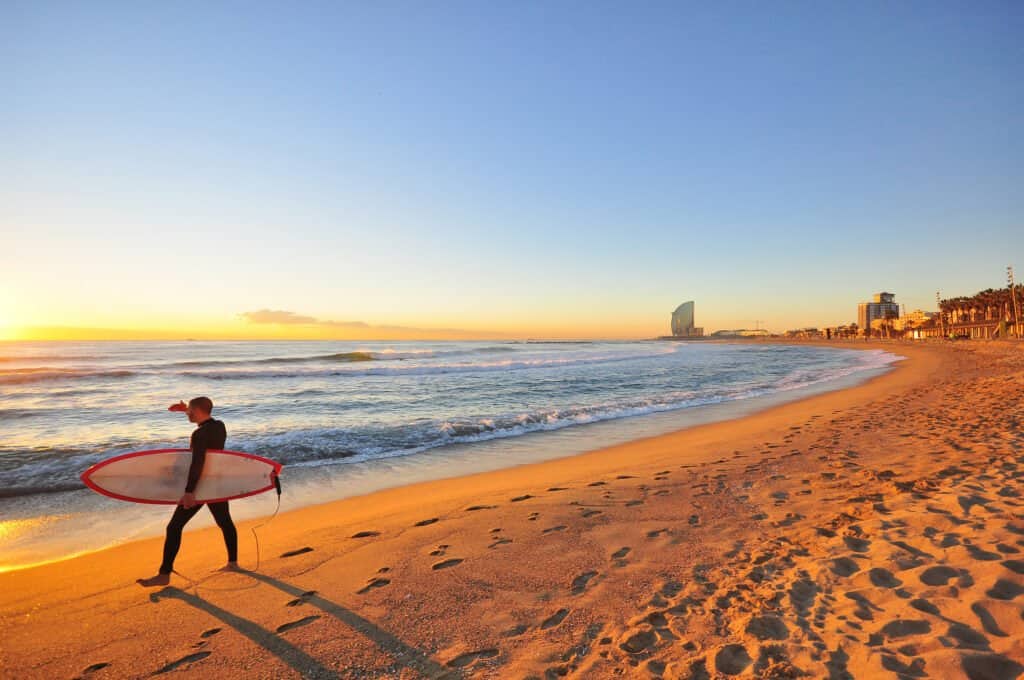
Barceloneta Beach
Places to eat or drink near Basilica of the Sagrada Familia


More places in Barcelona

Sagardi BCN Centre

Orient Express Cocktail Bar

Xurreria Trebol
