
Cathedral of Barcelona
Closed now
Cathedral of Barcelona
Pla de la Seu, s/n, Ciutat Vella, 08002 Barcelona, Spain Posted by bazartravelsTraveler
Overview
The Cathedral of Barcelona stands at the heart of the Gothic Quarter, a soaring medieval structure that has dominated the cityscape since the 13th century. Officially the Cathedral of the Holy Cross and Saint Eulalia, this building represents one of the finest examples of Catalan Gothic architecture in Europe. The cathedral's intricate facade, towering spires, and serene interior courtyard draw over a million visitors each year, making it one of Barcelona's most recognizable landmarks.
Walking into the cathedral feels like stepping into another era. The vast interior spans 95 meters in length with a ceiling that rises to 30 meters, creating an overwhelming sense of scale. The light filters through stained glass windows, casting colored patterns across the stone floor. Whether you come for spiritual reasons, architectural appreciation, or simply to understand Barcelona's medieval past, the cathedral delivers on multiple levels.
Why this place matters
Barcelona's cathedral represents the city's transition from Romanesque to Gothic style during the 14th and 15th centuries. The building was constructed on the site of an earlier Roman temple and an early Christian basilica, layering centuries of history into one location. Catalan Gothic differs from its French and Italian counterparts in subtle but significant ways: the nave is wider relative to its height, the side chapels are fully integrated into the wall structure rather than protruding outward, and the emphasis falls on horizontal breadth rather than vertical aspiration.
Saint Eulalia, the cathedral's co-patron saint, connects the building to Barcelona's earliest Christian history. According to tradition, she was martyred in the city during Roman times. The cathedral's crypt contains her remains, and her story is woven into the building's artistic program through sculptures and paintings throughout the interior.
Quick facts
- Construction began in 1298 and was largely completed by the 15th century, though the main facade was finished in 1889
- The cathedral measures 95 meters long and 45 meters wide at its widest point
- The central nave ceiling reaches 30 meters high
- Entry to the main cathedral and cloister requires a ticket; the price tier is budget-friendly
- Timed entry tickets are available during peak visiting hours
- The cathedral remains an active place of worship alongside its role as a tourist destination
- Located in Pla de la Seu, in the heart of Barcelona's Ciutat Vella neighborhood
Getting there
The cathedral sits in Pla de la Seu, a plaza bordered by narrow medieval streets. If you arrive by metro, the Jaume I station on Line 4 places you roughly 150 meters away. Exit toward Via Laietana and walk into the Gothic Quarter; the cathedral's spires become visible as you approach. From Barcelona's main train station Sants, allow 15 to 20 minutes by metro plus walking time.
Driving into the Gothic Quarter is not recommended. Parking is scarce, streets are narrow and pedestrianized in many sections, and the area was designed centuries before cars existed. Leave your vehicle at a parking garage near the waterfront or at Sants station and approach on foot.
If you're already exploring the Gothic Quarter, the cathedral is impossible to miss. The plaza itself is car-free and surrounded by cafes, shops, and smaller medieval churches. Most people arrive after wandering through the surrounding streets rather than making a direct beeline from the metro.
The layout and experience
The exterior facade presents two distinct periods of construction. The lower sections and side walls show the original medieval stonework from the 14th and 15th centuries. The tall, ornate main facade with its twin spires was added in 1889, creating a visual top note that wasn't part of the original medieval design. Some visitors find this jarring; others appreciate the 19th-century craftspeople's commitment to matching Gothic proportions and ornamentation.
Upon entry, your eyes adjust to the interior's vastness and relative darkness. The nave stretches ahead with thick columns supporting the vaulted ceiling. Light comes primarily through stained glass windows and the occasional clerestory opening. The side aisles contain numerous chapels, each commissioned by wealthy families or guilds during the medieval period. Some feature painted altarpieces that are several centuries old.
The cloister, accessed from the interior, is a quieter space. This quadrangular garden courtyard is ringed by covered walkways and contains orange and palm trees. Thirteen white geese live in the cloister year-round, a tradition that dates back centuries. The cloisters' vaulted ceilings and carved stone details reward close inspection.
The crypt lies beneath the main altar and contains the tomb of Saint Eulalia. The space is small and intimate compared to the soaring nave above. Visiting the crypt requires descending a narrow staircase and moving through tight corridors; the experience shifts from grandeur to intimacy in moments.
Main highlights
The stained glass windows throughout the cathedral are among its most striking features. The windows vary in age and condition; some are medieval originals while others date to the 19th century restoration. The light quality changes throughout the day, making the windows appear completely different in morning light versus late afternoon. The rose window above the main entrance is particularly notable.
The choir, or coro, occupies the central nave and features carved wooden stalls from the 15th century. The stalls are decorated with intricate Gothic detailing and the coats of arms of various medieval families and organizations. This section is typically cordoned off during services but visible from the nave.
The Chapel of Saint Lucia sits just outside the main cathedral to the left of the facade. This smaller Romanesque structure predates the Gothic cathedral by centuries and maintains a separate entrance. It's less crowded than the main building and offers a different architectural experience.
The bell towers, or campaniles, can be accessed via narrow spiral staircases if you purchase an additional ticket beyond general admission. The climb is tight and requires some physical fitness, but the views over the Gothic Quarter and toward the waterfront reward the effort.
History and background
Barcelona's cathedral sits atop layers of religious history. A Roman temple dedicated to Jupiter occupied this site during the 1st and 2nd centuries. Early Christians built a basilica on the same location after the Roman period ended. The current Gothic structure represents a conscious decision to rebuild and enlarge the medieval cathedral during an era of Barcelona's prosperity and expanding maritime power.
Construction began in 1298 under the direction of a master mason whose name is now lost. The work proceeded gradually over more than 200 years, with different sections completed at different times. The side chapels were added throughout the 14th and 15th centuries as wealthy families and merchant guilds commissioned private spaces. The cloister was completed by the 15th century.
The 1889 completion of the main facade represented a 19th-century vision of what medieval Barcelona might have intended. The architect Francesc de Paula del Villar designed spires that were taller and more elaborate than any medieval proposal. This addition is sometimes called the "fake facade" by locals, though it's executed with genuine technical skill and attention to Gothic detail.
During the Spanish Civil War, the cathedral survived bombing and shelling that damaged much of Barcelona. The building was used to shelter civilians at various points. Restoration work continued throughout the 20th century and into the present day.
Tickets and entry
General admission provides access to the main cathedral interior and the cloister. Tickets can be purchased at the entrance; the price is budget-friendly and comparable to other major European cathedrals. During peak hours, timed entry tickets are recommended to manage crowd flow and ensure a more contemplative experience.
An additional ticket grants access to the bell towers and the roof. This is a separate purchase and requires navigating narrow spiral staircases. The stairs are steep and confined; if you have mobility issues or claustrophobia, this option may not be suitable.
Combination tickets that bundle the main cathedral, cloister, and towers are available. Compare the bundled price against purchasing separately to see which offers the better value on the day you visit.
The cathedral remains an active Catholic church. During services, access to certain areas is restricted. Early mornings and midday weekdays tend to have fewer tourists and may offer a quieter experience, though services take precedence over tourism.
Best time to visit
The cathedral opens daily, though hours shift seasonally. Most days, opening is around 8 or 9 in the morning and closing is in the early evening. Summer months bring significantly more visitors. If you arrive after 5 PM on weekdays, the crowds thin noticeably, and the interior light takes on warmer tones as the sun moves lower.
Sundays are busier due to services and weekend tourism. If you want a quieter experience, Tuesday through Thursday mornings tend to be less crowded than other times. Winter months also see fewer visitors than summer, though Barcelona's Mediterranean climate means the cathedral is accessible year-round.
Plan to spend 90 minutes to two hours for a thorough visit that includes the main cathedral, cloister, and crypt. If you add the bell towers, add another 30 to 45 minutes depending on your pace and fitness level.
Photography tips
The cathedral's interior is dimly lit, which creates challenges for photography. A smartphone camera on automatic settings will often struggle with focus and color accuracy. If you're using a dedicated camera, bring a tripod if permitted; many visitors simply hold their phones steady and accept that some shots won't be sharp.
The best interior shots typically come from standing at the western end of the nave looking toward the altar, or from the side aisles looking across the main space. Avoid using flash, which is disruptive to worshippers and creates harsh reflections off stone surfaces.
The exterior facade is easiest to photograph from the plaza itself. Early morning light hits the main facade from the east, creating dramatic shadows. Late afternoon light from the west is also attractive. Avoid midday when the sun is directly overhead and creates flat lighting.
The cloister garden with its geese and orange trees offers softer, more intimate shots. The covered walkways provide shade and reduce the contrast between bright sky and dark stone, making for more even exposures.
Facilities and preparation
The cathedral has limited modern facilities. There is a small bookstore and gift shop near the entrance, but no cafe or restaurant inside the building itself. The surrounding plaza has numerous cafes if you need refreshment before or after your visit.
Restrooms are available but can have queues during busy hours. Plan accordingly. The building has no elevator or accessibility ramp for wheelchair users; the main entrance requires climbing several steps, and the interior involves uneven stone floors and narrow passages.
The interior remains cool year-round due to the thick stone walls and minimal heating. Even in summer, bring a light layer if you're sensitive to cool temperatures. In winter, the building can feel quite cold.
Modest dress is expected out of respect for the active worship space. Bare shoulders and very short shorts may draw disapproving looks from staff or regular worshippers. Hats should be removed upon entry.
Combining with nearby attractions
The Gothic Quarter itself is the primary attraction surrounding the cathedral. The neighborhood contains medieval streets, smaller churches, museums, and plazas that reward aimless wandering. The Plaça Reial, a grand 19th-century square just south of the cathedral, is a short walk away.
The Barcelona History Museum occupies the Plaça del Rei, a plaza directly adjacent to the cathedral. This museum includes both a 14th-century palace and underground Roman ruins that provide context for the city's layered history.
The waterfront and Columbus Monument are roughly 10 to 15 minutes' walk south through the Gothic Quarter. Many visitors combine a cathedral visit with a waterfront stroll and a meal in a neighborhood restaurant.
The Picasso Museum is located on Carrer de Montcada, about 15 minutes' walk northeast. If you're interested in combining medieval architecture with modern art, this pairing works well within a half-day itinerary.
Sample visit plan
Arrive at the cathedral around 9 AM on a weekday to avoid peak crowds. Purchase your general admission ticket at the entrance. Spend 20 to 30 minutes in the main nave, exploring the side chapels and studying the stained glass windows. The light quality is good in the morning without being harsh.
Move into the cloister and spend 20 minutes wandering the covered walkways and observing the geese. The cloister offers a break from the crowds and a shift in atmosphere.
Descend into the crypt to see the tomb of Saint Eulalia. Allow 10 to 15 minutes for this section, which moves quickly due to space constraints.
If you have purchased a tower ticket, climb the bell tower stairs next. This takes 30 to 45 minutes round trip. Otherwise, exit and explore the surrounding Gothic Quarter streets, stopping at a cafe for coffee or a light meal.
In the afternoon, visit the Barcelona History Museum if the layered history of the site interests you. Otherwise, continue exploring the neighborhood or move to another Barcelona attraction.
Practical tips
- Purchase timed entry tickets online in advance if visiting during summer or on weekends
- The cathedral can be uncomfortably crowded between 10 AM and 4 PM during peak season
- Bring comfortable walking shoes; the floor is uneven stone and the surrounding neighborhood requires extensive walking
- A light layer or sweater is useful even in summer due to the cool interior
- Lockers or bag storage are not available; keep your belongings minimal and secure
- The 13 geese in the cloister are living animals, not petting zoo creatures; observe them from a respectful distance
- If you want to photograph the interior, arrive early or late to avoid crowds in your shots
- Service times vary; check ahead if you want to experience the cathedral during active worship
FAQ
Can you visit the cathedral for free? Entry to the main cathedral interior and cloister requires a ticket. However, if you attend a religious service, you can enter without paying. This is appropriate only if you intend to participate respectfully in the service.
Is the cathedral wheelchair accessible? The main entrance requires climbing steps, and the interior has uneven stone floors and narrow passages. Full wheelchair access is not available. Contact the cathedral directly ahead of time to discuss your specific needs and possible accommodations.
How long does a typical visit take? Most visitors spend 90 minutes to two hours exploring the main interior, cloister, and crypt. Adding the bell towers extends this to two and a half to three hours. Your pace depends on your interest level and fitness for stair climbing.
Can you attend Mass at the cathedral? Yes, the cathedral hosts regular services. Mass times vary by day and season. Check the cathedral's website or inquire at the entrance for current schedules.
What's the difference between the medieval and 1889 facade? The lower sections and side walls are original 14th and 15th-century Gothic. The main facade with the tall twin spires was added in 1889 based on architectural imagination about what medieval builders might have intended. Both are genuine Gothic in style, but different in age and design intent.
Opening hours
Reviews
Sign in and mark this place visited to leave a review.
No reviews yet.
Free Trip Planner
Plan your Barcelona trip with our free planner
Build a day-by-day itinerary with AI suggestions, hand-picked places, and friends. Free forever — no credit card.
Related reading
Things to see near Cathedral of Barcelona

Colonia Guell Gaudi Crypt
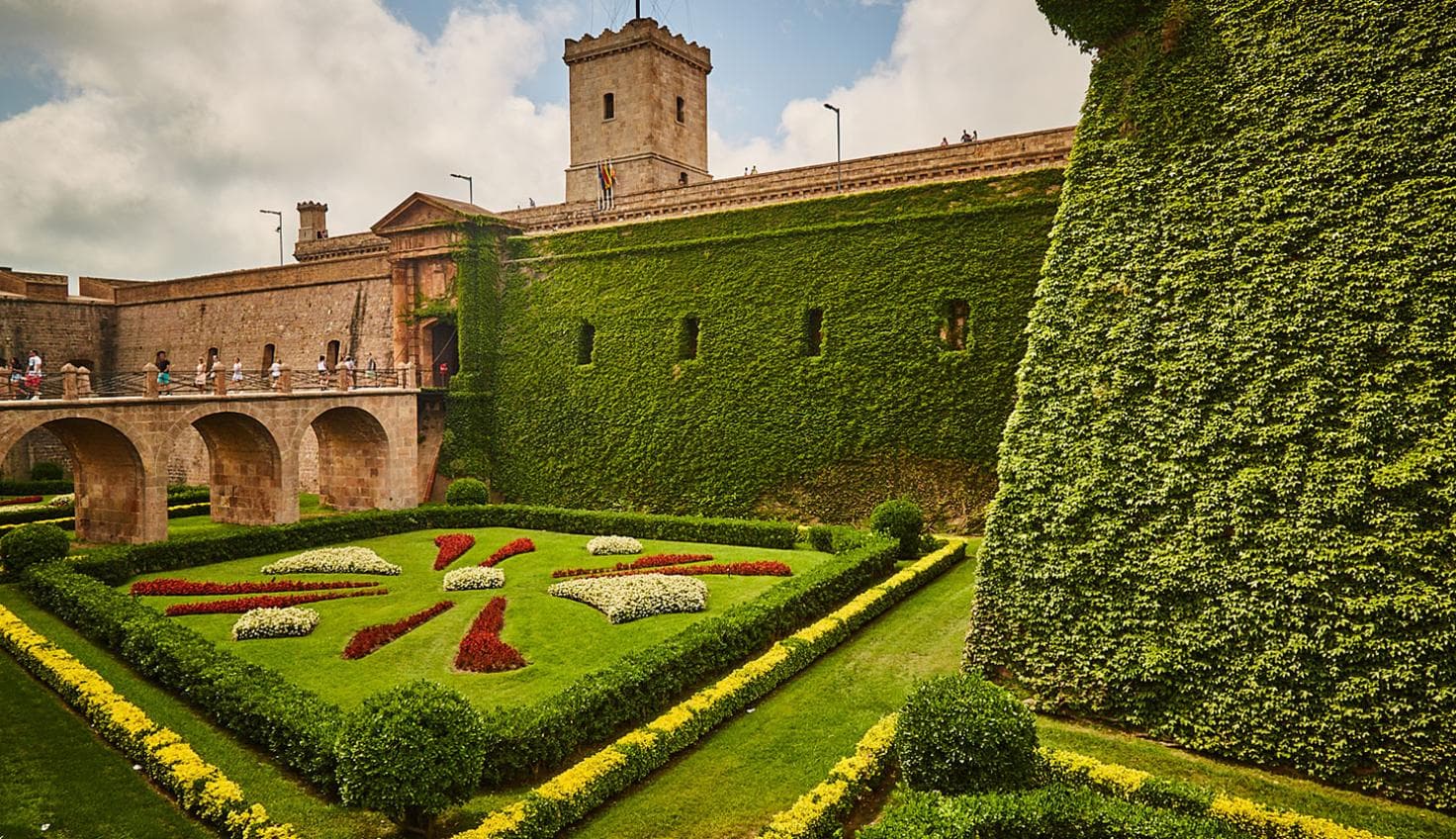
Montjuïc Castle
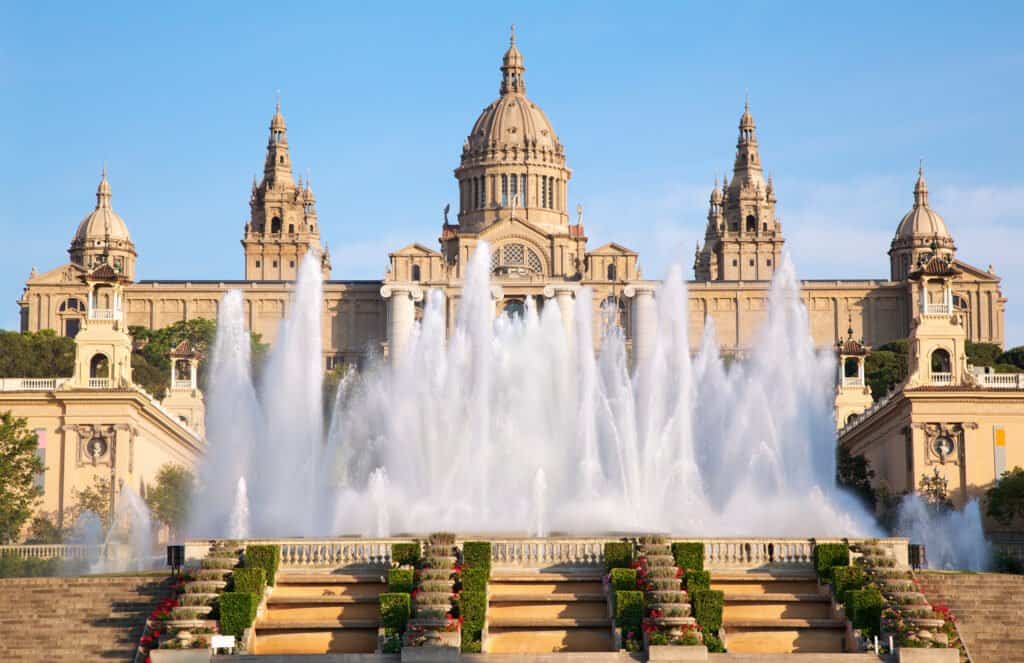
Magic Fountain of Montjuïc
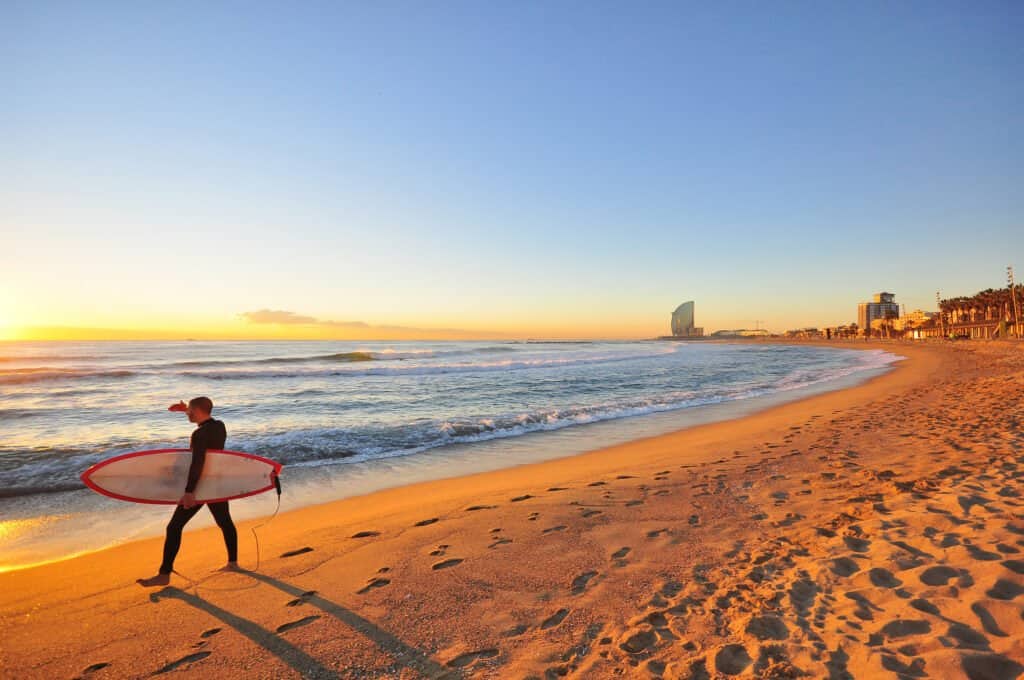
Barceloneta Beach
Places to eat or drink near Cathedral of Barcelona


More places in Barcelona

Sagardi BCN Centre

Orient Express Cocktail Bar

Xurreria Trebol
