
Centro Cultural La Azotea
Calle de Cementerio Final, Antigua, Guatemala Posted by Brandon B.Admin
Centro Cultural La Azotea Overview
Centro Cultural La Azotea sits on the edge of Antigua, Guatemala, in a restored colonial-era building that now serves as a living space for traditional Mayan weaving and cultural education. Located on Calle de Cementerio Final, the center operates as both a working textile studio and cultural venue where you can watch weavers at their looms and learn about indigenous dyeing techniques that have passed through families for generations. This is not a museum with ropes and barriers. You're in an active workspace where tradition happens in front of you.
Why This Place Matters
Antigua's colonial architecture draws most visitors, but La Azotea anchors you in the living culture that has survived beneath centuries of Spanish influence. The center focuses specifically on preserving Mayan weaving traditions from the highlands around Antigua. You see the actual dyes being made from natural plants, watch weavers work backstrap looms, and understand the connection between textile patterns and Mayan identity.
The work here matters because these techniques and the knowledge they carry face real pressure from industrialization. By visiting, you support families who have chosen to keep these crafts alive rather than abandon them for other work.
Quick Facts
- Located on Calle de Cementerio Final, walking distance from Antigua's central plaza
- Built in a restored colonial structure that once served a different purpose
- Active weaving studio with regular demonstrations and workshops available
- Small shop selling textiles directly from the weavers
- Generally accessible most days, though hours can be flexible
Getting There
From Antigua's central plaza, Calle de Cementerio Final runs southeast toward the edge of town. Most visitors walk, which takes about 10 to 15 minutes depending on your starting point. The street is steep and narrow in sections, typical of Antigua's layout. If you're arriving by tuk-tuk or taxi, you can ask to be dropped near the address, though the final approach is pedestrian only.
The building sits just beyond where the main tourist flow concentrates, which is part of why it feels distinct from the usual Antigua circuit. You pass through residential neighborhoods to reach it, which gives you a sense of how local people actually move through the town.
The Layout and Experience
Inside, you enter a courtyard space that opens to the sky. This is where much of the weaving happens, allowing natural light to hit the work. The colonial architecture frames the scene: whitewashed walls, wooden beams, and the kind of simple geometry that makes the textiles themselves the focal point.
Weavers work backstrap looms, a technique where one end of the loom is anchored to a post and the other end wraps around the weaver's body. This means the loom travels with them, and the weaver controls tension through movement. Watching someone work one of these looms for the first time reveals how much skill is involved. The patterns are not random. Each design carries meaning, and the colors come from dyes the center produces on site.
The space encourages interaction. You can ask questions, photograph the work, and understand the process step by step. Some weavers speak Spanish and English, though language varies. If you want deeper explanation, guided visits or workshops can be arranged.
Main Highlights
The primary draw is watching the weaving process in real time. This is not a demonstration staged for tourists. People are making textiles they will sell or use, and you are observing actual work. The dye house is equally compelling. You'll see plants being processed into color, some methods unchanged for centuries. The reds, blues, and yellows you see in finished textiles often come from materials growing in gardens or foraged from the surrounding highlands.
The textile shop at the center sells directly from the weavers. Prices reflect the labor involved, which is significant. You're buying something that required weeks or months of work, not industrial production. Pieces range from small samples to large blankets and wall hangings. Each item carries a maker's name and often their community of origin.
If you have time, the center offers workshops where you can try weaving yourself on a small loom. This is humbling. What looks fluid in the hands of an experienced weaver becomes a puzzle of coordination when you try it.
History and Background
Antigua was founded in 1543 and served as the capital of Guatemala until an earthquake damaged it severely in 1773. The city was rebuilt and eventually superseded by Guatemala City, which allowed Antigua's colonial character to survive largely unchanged. The building that now houses La Azotea dates to the colonial period, though its exact original function varies depending on the source.
What matters more than the building's history is the knowledge it now protects. Mayan weaving traditions stretch back centuries before the Spanish arrived. The patterns, techniques, and dyes are part of a continuous cultural lineage. Colonization disrupted these traditions in many ways, but they persisted. Centers like La Azotea represent a deliberate choice by Mayan communities to maintain and teach these skills to younger generations in a world that often pushes toward homogenization.
Best Time to Visit
Morning visits tend to be most productive. Weavers are fresher, light is better, and the space feels less crowded. Weekdays generally see more active weaving than weekends, when some weavers may not be present. The rainy season in Guatemala runs from May through October, which can make the afternoons unpredictable, though the covered courtyard provides some protection.
Avoid arriving right at typical lunch hours if you want to see maximum activity. Even cultural workers take breaks.
Facilities and Preparation
This is an active studio, not a museum with amenities. There is no café, no gift shop beyond the textile sales, and no bathrooms specifically for visitors, though you can ask if needed. The space is open to the air in sections, so dress for weather. Mornings can be cool even in what seems like warm seasons. Bring cash if you want to purchase textiles, though some payment options may be available.
The floor is uneven in places, typical of old buildings. If you have mobility concerns, mention them when you arrive so staff can show you the most accessible route through the space.
Combining With Nearby Attractions
Calle de Cementerio Final itself is worth exploring. The street leads toward older residential Antigua, away from the concentrated tourist zones. You'll pass local shops, small restaurants, and homes where you see the town functioning as a place where people actually live.
The area near La Azotea is close enough to Antigua's main sites that you can easily combine a visit here with a morning at the central plaza, the Cathedral, or the nearby convents that dot the town. Many visitors make this the final stop on their Antigua day because it reframes everything else you've seen through the lens of living culture rather than preserved architecture.
Photography Tips
The natural light in the courtyard is excellent, especially in morning hours. Backstrap looms create strong compositional lines. If you photograph people, ask first. Most weavers are accustomed to visitors taking pictures, but courtesy matters. The detail shots work best: hands on the loom, close-ups of pattern work, the texture of finished textiles.
Avoid using flash indoors. The natural light is sufficient, and flash can be jarring in a workspace where people are concentrating on fine detail work.
Sample Visit Plan
Arrive by mid-morning. Spend 30 to 45 minutes observing the weaving process and asking questions. If you're interested in the dye house, allocate another 20 to 30 minutes there. Browse the textile shop for 15 to 20 minutes. If you want to try a workshop, budget at least an hour, though these need to be arranged ahead of time.
This is not a place that requires half a day. Two hours is realistic for a thorough visit. The value comes from depth and attention rather than volume.
Practical Tips
- Go early in the day for the best light and most active weaving.
- Bring small bills if purchasing textiles.
- Ask if a guide or workshop is available when you arrive. Options depend on staffing that day.
- Wear comfortable walking shoes. The approach involves steep streets.
- Allow time to get slightly lost on Calle de Cementerio Final. This is part of the experience.
- If you speak Spanish, bring a notebook. Weavers often enjoy explaining their work if you show genuine interest.
FAQ
Can I buy textiles directly from the weavers? Yes. The center has a shop where you can purchase pieces. You're buying directly from the maker, which means your money goes to the weaver, not a middleman.
Do I need to book ahead? Walk-ins are generally welcome, but if you want a specific workshop or extended guided experience, contacting ahead is wise. Hours can vary with staffing and seasons.
How long should I plan to spend here? Two hours is a solid visit. You can do it in 45 minutes if you're brief, or extend to three hours if you're taking a workshop or deeply engaged in conversation about the work.
Is this appropriate for children? Yes. Kids often find the weaving process fascinating, and the scale of the courtyard allows them to move around without disturbing the work. Very young children may need reminding not to touch the looms.
Centro Cultural La Azotea in Context
La Azotea offers something Antigua's colonial sites cannot: direct connection to living tradition. The architecture matters less than the hands at the loom. You're not walking through history. You're witnessing a choice to maintain it. That distinction shapes what you take away from the visit. When you leave Antigua, the textiles you buy or the memory of watching a weaver work will likely stay with you longer than photographs of another colonial facade. That's what makes Centro Cultural La Azotea worth the walk to the edge of town.
Opening hours
Reviews
Sign in and mark this place visited to leave a review.
No reviews yet.
Free Trip Planner
Plan your Antigua trip with our free planner
Build a day-by-day itinerary with AI suggestions, hand-picked places, and friends. Free forever — no credit card.
Related reading


Things to see near Centro Cultural La Azotea


Places to eat or drink near Centro Cultural La Azotea

Mesón Panza Verde

Por Qué No? Cafe

Mellow coffee

Hot Chiplin Bar and Restaurant
More places in Antigua

Convento Santa Clara

MUNAG – Museo Nacional de Arte de Guatemala
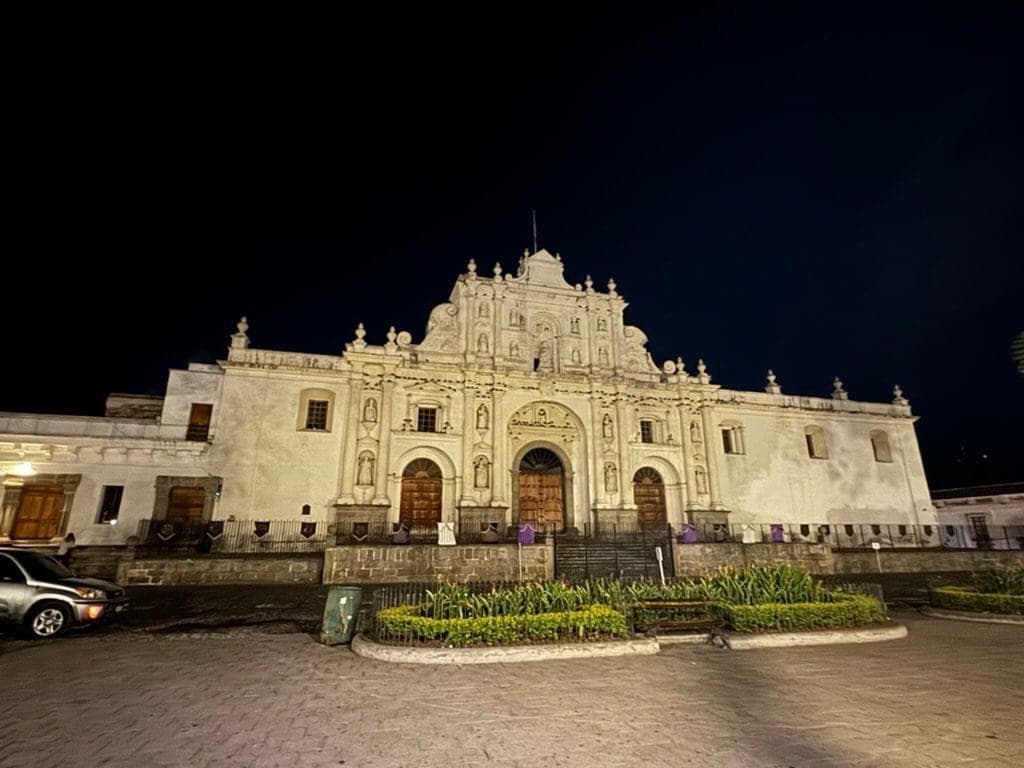
Cathedral de Santiago Antigua
