
Centro Storico
Centro Storico
00185 Rome Italy Posted by Brandon B.Admin
Rome's Centro Storico: The Old City You Actually Come Here For
If you only have a few days in Rome, Centro Storico is where most of them will disappear. This historic center, roughly the tangle of streets and piazzas between the Tiber River and the Quirinal Hill, holds a concentration of monuments, churches, and daily Roman life that few neighborhoods anywhere in the world can match. It is not a single attraction with a ticket booth. It is a district you wander into and gradually realize you may never want to leave.
The area broadly covers the rione of Campo Marzio and several adjacent neighborhoods, including the streets around Piazza Navona, the Pantheon, Campo de' Fiori, and Largo di Torre Argentina. Most visitors find themselves here within an hour of arriving in Rome, often without quite planning it that way.
Why Centro Storico Matters
Rome has outlying neighborhoods worth exploring, and the Vatican sits just across the river, but the Centro Storico is where the city's layered history becomes impossible to ignore. You can stand at Largo di Torre Argentina and look down at the ruins of four Republican-era temples, some dating to the 4th century BC, while a cat shelter operates at ground level among the ancient stones. That kind of compression, centuries of civilization stacked directly on top of each other, is what makes this district genuinely unlike anywhere else.
The Pantheon alone, built in its current form under Emperor Hadrian around 125 AD, has been in continuous use for nearly 1,900 years. That is not a restored ruin. It is a functioning building with an intact dome, a 27-foot oculus open to the sky, and a floor that still drains rainwater through the same system designed in antiquity.
Quick Facts
- Location: Central Rome, primarily within the rioni of Campo Marzio, Regola, and Sant'Eustachio
- The Pantheon charges a general admission fee (introduced in 2023); most churches are free to enter
- Piazza Navona and Campo de' Fiori are open public spaces with no entry requirements
- Largo di Torre Argentina has a free viewing area; the archaeological site itself requires a ticket
- The area is almost entirely pedestrianized in its core streets
- Nearest metro: Spagna (Line A) or Barberini (Line A), both roughly 15 to 20 minutes on foot depending on your starting point
- Many streets are cobblestoned; wear shoes you can actually walk in
Getting There
Rome's metro does not run directly through the Centro Storico, which is part of why the streets feel the way they do. The closest stations on Line A are Spagna and Barberini, and from either one you are looking at a 15 to 20 minute walk to the Pantheon or Piazza Navona. Bus lines along Corso Vittorio Emanuele II drop you closer, and tram 8 from Trastevere brings you to Largo di Torre Argentina in minutes.
If you are coming from Termini, bus routes along Via del Corso or a taxi will serve you better than the metro. Many visitors simply walk from wherever they are staying, because in central Rome, most things are closer than they appear on a map.
The Layout and Experience
The Centro Storico does not have a neat boundary or a clear entrance. You tend to arrive from one direction and find yourself pulled through it by a sequence of piazzas and narrow vicoli that open unexpectedly into something extraordinary. The general logic, if there is one, runs roughly north to south from Piazza del Popolo through the maze of streets down toward Campo de' Fiori, with Piazza Navona and the Pantheon sitting near the center of that web.
Via della Scrofa, Via dei Coronari, and Via del Governo Vecchio are three streets worth walking slowly. They are lined with bookshops, antique dealers, trattorias tucked behind unmarked doors, and the occasional palazzo courtyard left open during the day. The district rewards aimlessness more than almost anywhere in Europe.
Campo de' Fiori hosts a produce and flower market most mornings, and by early afternoon the stalls give way to the aperitivo crowd. Piazza Navona, built on the footprint of the ancient Stadium of Domitian, has the Fountain of the Four Rivers by Bernini at its center, commissioned in 1651. It is one of the most visited public spaces in the city, and it earns that attention.
Main Highlights
The Pantheon
The Pantheon is the anchor of the neighborhood and the reason many people find themselves in this part of Rome at all. Entry is ticketed, and timed entry slots are worth booking ahead, especially between April and October when queues form early. The interior is smaller than photographs suggest, which somehow makes the dome feel even more dramatic in person.
Piazza Navona
Free to enter and open at all hours, Piazza Navona is best experienced early in the morning when the tour groups have not yet arrived, or late at night when the gelato sellers and street performers give the whole thing a slightly theatrical quality. The three fountains, including Bernini's centerpiece, are worth circling more than once.
Largo di Torre Argentina
This sunken archaeological complex contains the remains of four temples and the Curia of Pompey, where Julius Caesar was assassinated in 44 BC. A small museum opened on site in recent years, and the cat colony that has lived here for decades remains one of Rome's more endearing open secrets. Viewing from the street-level railing is free.
Campo de' Fiori
The square's name means "field of flowers," though its history is considerably darker. The statue at its center is of Giordano Bruno, burned at the stake here in 1600. The morning market is genuinely local, the evening bars are genuinely crowded, and the stretch between the two is one of the more pleasant ways to spend a few hours in Rome.
Churches Worth Stepping Into
Sant'Ivo alla Sapienza, designed by Borromini and finished in 1660, has a spiral lantern visible from the courtyard and an interior that will stop you mid-stride. Santa Maria sopra Minerva, just behind the Pantheon, is Rome's only Gothic church and contains Michelangelo's Cristo della Minerva. Both are free and rarely as crowded as the major landmarks nearby.
Best Time to Visit
Spring and autumn are the most comfortable seasons for walking the Centro Storico. Temperatures in April, May, September, and October tend to stay manageable, and the light on the stone buildings in the late afternoon is the kind of thing photographers plan entire trips around.
July and August are genuinely hot, and the district gets crowded by mid-morning. If you visit in summer, start early. The streets around the Pantheon at 7:30 in the morning feel like a different city than they do at noon.
December through February is quieter and cooler. Some smaller restaurants close for a week or two in January, but the major sites stay open, and you will often find yourself in front of the Pantheon without a crowd for the first time in months.
Photography Tips
The oculus of the Pantheon is one of the most photographed interior architectural details in Rome. On sunny days, the beam of light it casts shifts slowly across the coffered dome and the floor below. Arrive when the doors open for the best angle before other visitors fill the frame.
Piazza Navona photographs best in the blue hour just after sunset, when the fountain lighting kicks in and the sky still holds some color. Campo de' Fiori market is best shot in the first hour after it opens, when the vendors are still arranging produce and the light comes low and golden from the east end of the square.
Combining with Nearby Attractions
The Centro Storico sits within walking distance of several other major sites. The Castel Sant'Angelo is about 15 minutes on foot from Piazza Navona, following Via dei Coronari toward the Tiber. Trastevere is across the river via Ponte Sisto, roughly a 10-minute walk from Campo de' Fiori. The Capitoline Hill and Roman Forum are about 20 minutes south on foot.
A single day can reasonably cover the Pantheon, both major piazzas, and a slow lunch at one of the trattorias on Via della Pace or Via del Governo Vecchio, with energy left for a walk along the Tiber in the evening.
Practical Tips
- Book Pantheon entry online in advance, especially April through October
- Dress modestly if you plan to enter churches: covered shoulders and knees are required in most
- Restaurants directly on Piazza Navona tend to be mid-range to upscale with mixed quality; walk one street back for better value
- Water fountains called nasoni are scattered throughout the district and are safe to drink from
- Pickpocketing is common in the most crowded spots; keep bags zipped and in front of you
- Most museums and churches in the area close for a few hours in the early afternoon
- Avoid the major piazzas on weekend evenings if large crowds are not your preference; they fill up considerably
FAQ
Is the Centro Storico safe to walk at night?
Generally yes. The main piazzas and streets around Piazza Navona and Campo de' Fiori stay lively into the late evening. Normal urban caution applies, particularly in less-lit side streets.
How much time should I plan for the area?
A full day gives you enough time to see the major highlights without rushing. Many visitors return for a second half-day once they realize how much is tucked into the side streets. Two days is not excessive.
Is it worth paying to enter the Pantheon?
Most visitors say yes without hesitation. The building has been drawing people to this corner of Rome for nearly two millennia, and the interior justifies every word of that reputation.
Can I drive into the Centro Storico?
Most of the historic center is a Limited Traffic Zone (ZTL). If you are renting a car or arriving by taxi, confirm access restrictions with your accommodation in advance. Most visitors get around entirely on foot once inside the district.
Are there good options for eating in the area?
Yes, ranging from budget street food and pizza al taglio to mid-range trattorias and a handful of upscale restaurants. The closer you are to Piazza Navona and the Pantheon, the more tourist-oriented the menus tend to be. Side streets in the Sant'Eustachio and Regola neighborhoods offer more reliable local cooking.
Reviews
Sign in and mark this place visited to leave a review.
No reviews yet.
Free Trip Planner
Plan your Italy trip with our free planner
Build a day-by-day itinerary with AI suggestions, hand-picked places, and friends. Free forever — no credit card.
Things to see near Centro Storico


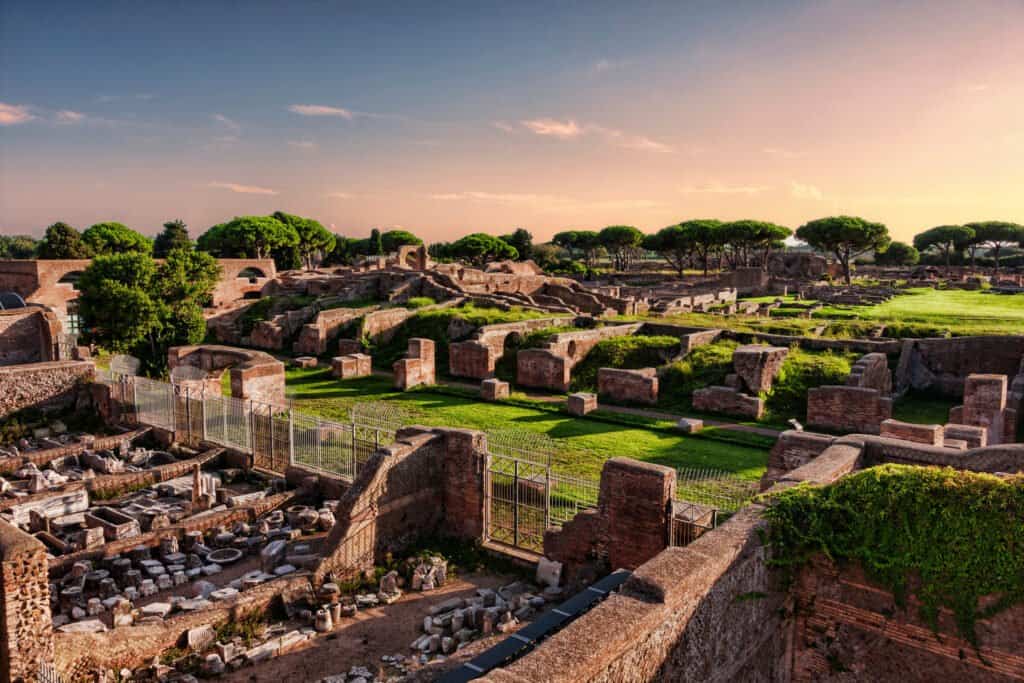

Places to eat or drink near Centro Storico
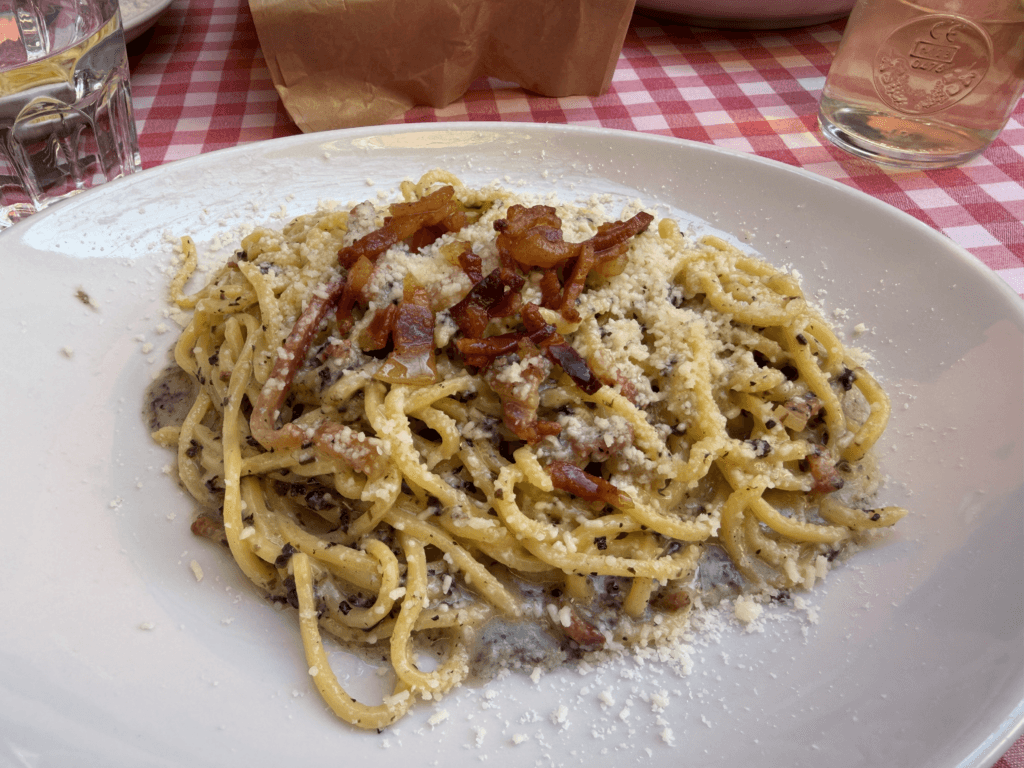
Arianna al Borghetto

La Pietra Scheggiata – Osteria/Pizzeria

Pasticceria Barberini

Trattoria Da Enzo
More places in Rome

Monte Testaccio

Gallerie Nazionali di Arte Antica – Palazzo Barberini
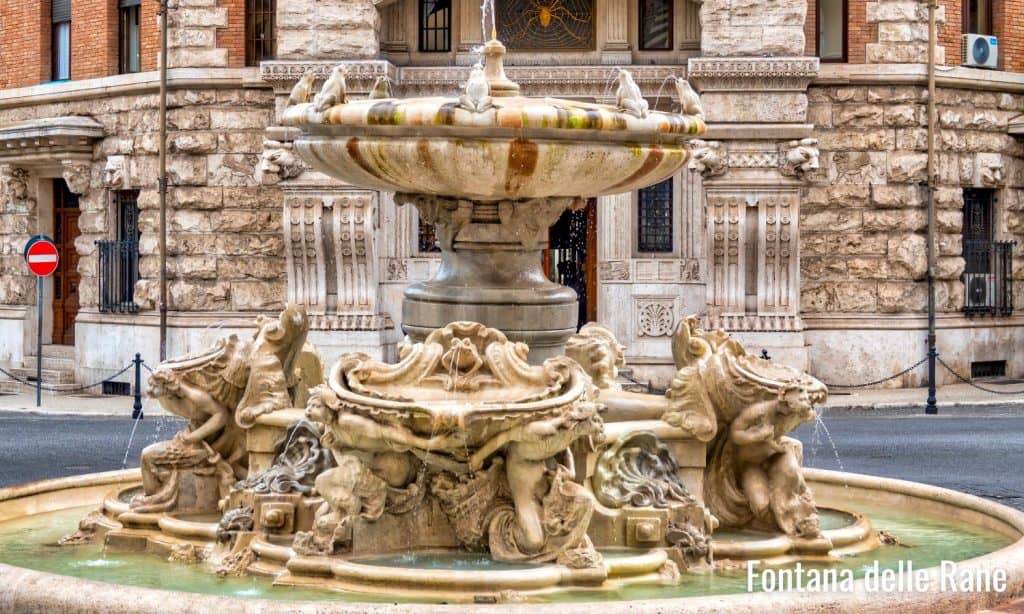
Quartiere Coppedè
