
Clube de Fado
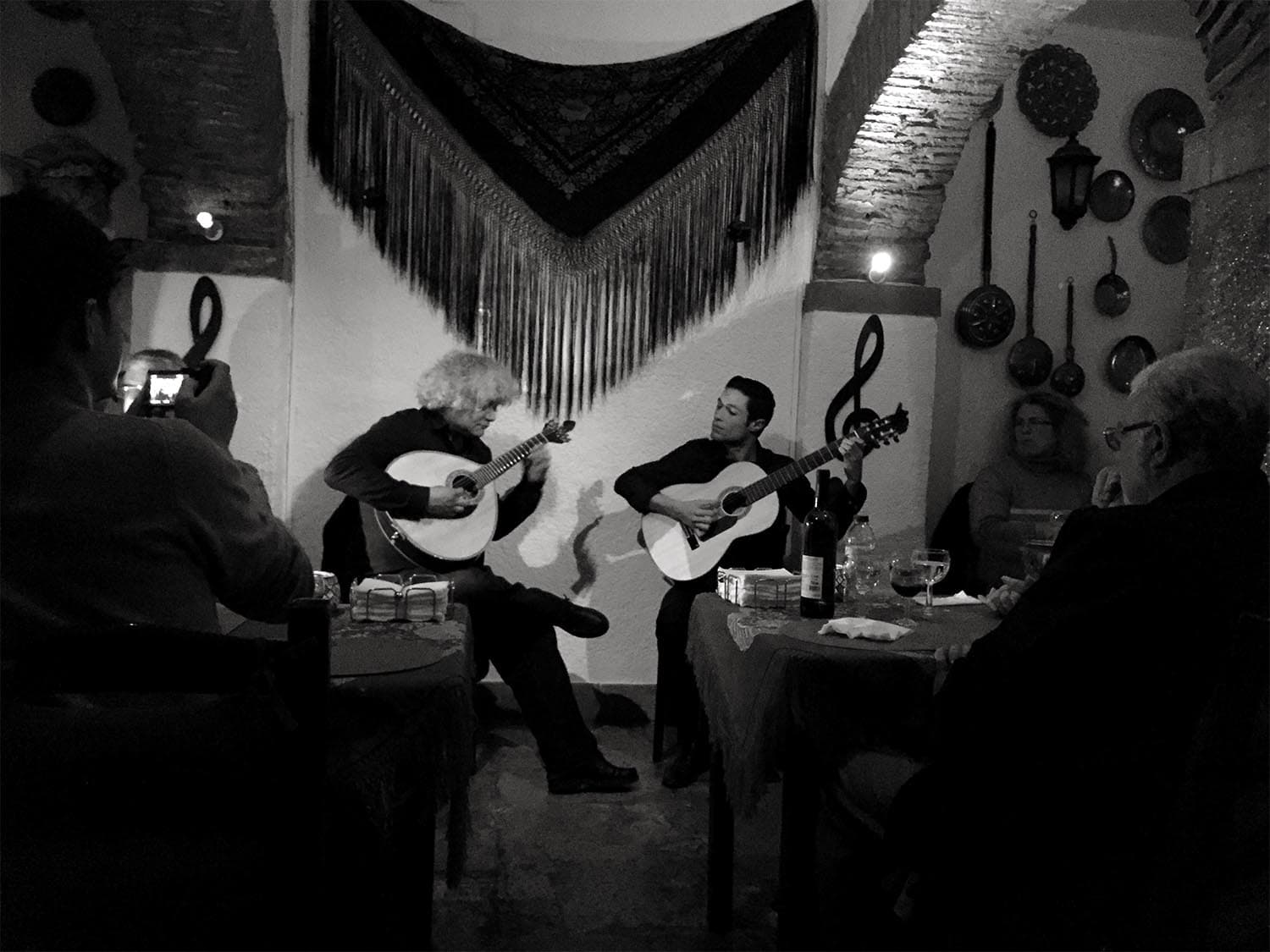
Walk into Clube de Fado on Rua de São João da Praça and you step into a room designed to feel like it has always belonged to Lisbon. Low wooden beams cross the ceiling. Candles flicker on small tables wedged into corners. A guitarist or vocalist might be warming up in the back. The place has the texture of a building that's held this particular purpose for decades, though what matters most is the atmosphere it creates now: intimate, slightly dim, weighted with the expectation that something genuine is about to happen.
What the Kitchen is Known For
Clube de Fado has built its reputation on traditional Portuguese cooking that stays close to the Alfama neighborhood's roots. The kitchen often features salt cod preparations, grilled fish, and slow-cooked meat dishes that appear in various forms depending on the season and what's available at market. Caldo verde (a potato and kale soup) tends to show up early in any meal. Pastéis de Nata arrive warm at the end.
The food is not the primary draw here, and it doesn't pretend to be. What you're paying for is the complete experience: the setting, the live fado performance, the sense of participating in something that locals have been doing for a long time. The kitchen executes this supporting role competently. Nothing arrives pretentious or undercooked.
Atmosphere and Setting
The dining room is small and compartmentalized. Tables sit close enough that conversations at neighboring tables become part of the ambient soundscape. Exposed stone walls, dim sconces, and the kind of worn wood that suggests decades of use all contribute to a sense of authenticity that can't be faked or rushed.
This is where fado performances happen most nights. A performer (often a solo vocalist with guitar) takes a position in the room and sings directly to the diners. Fado is not background music. It demands attention. The room quiets. People put down their forks. This is the core of the experience.
Reservations and Waits
Reserve ahead. This is not a walk-in spot, especially in the evening when performances happen. Tables fill weeks in advance during peak tourist season. If you arrive without a reservation, you might find the place fully booked or be offered a seat at an unconventional hour.
Once seated, expect to spend two to three hours here. Meals move slowly by design. The pacing is part of the ritual.
Price Tier
Clube de Fado operates in the upscale to fine dining range. You're paying a cover charge (which includes bread and olives), then ordering from the menu, then factoring in drinks and a service charge. The total cost per person is substantially higher than casual neighborhood restaurants in Lisbon, though comparable to other established fado venues in the Alfama.
Best Time to Visit
Fado performances typically happen in the evening, often starting around 8 or 9 PM, depending on the night. Weekends fill faster than weekdays. If you prefer a quieter dinner without the full performance spectacle, inquire about daytime hours, though the venue is primarily designed for the evening experience.
Off-season months (November through February, excluding holidays) tend to be less crowded, though performances continue.
Good to Know Before You Go
- The restaurant sits in the Alfama neighborhood, the historic heart of Lisbon's oldest quarter. Street parking is tight; consider arriving by taxi or on foot if you're staying nearby.
- The space is not wheelchair accessible due to stairs and narrow corridors.
- Performances are live and spontaneous. You might see the same performer multiple nights or different musicians depending on the schedule.
- The cover charge is mandatory and is printed on the menu. Confirm what's included before ordering.
- Portuguese is the primary language, though staff handle English requests. Menus are available in multiple languages.
Neighborhood and Location Context
Clube de Fado occupies a narrow street in the Alfama, Lisbon's oldest residential quarter. The neighborhood is a maze of steep cobblestone alleys, small azulejo-tiled buildings, and laundry lines strung between windows. The area has been the heart of fado culture for over a century. Other fado venues cluster nearby, but Clube de Fado remains one of the most established and respected.
The location is walkable from the Lisbon Cathedral (about 5 minutes north) and the Tejo riverfront. If you're exploring the Alfama on foot, you'll pass through residential streets that feel removed from the main tourist circuit, even though you're in the center of the city.
Who This Is For
This restaurant works best for travelers who want to experience fado as it's meant to be experienced: seated at a table with food and wine, in a room where the performance is the focal point rather than background. It suits couples, small groups, and solo diners comfortable sitting alone in a room full of others.
It's less suitable if you're looking for a quick meal, a casual atmosphere, or an escape from crowds. You're paying premium prices for a structured, somewhat formal experience. The fado performances are the reason to come; if you're indifferent to the music, the cost-to-value ratio shifts considerably.
FAQ
- Do I need to book ahead? Yes. Call or email to reserve, especially for weekend evenings.
- What's the dress code? Smart casual is standard. Formal dress is not required, but beachwear or athletic clothes would be out of place.
- Is there a minimum spend or cover charge? Yes. A cover charge is included in the bill. There may be a minimum food spend depending on the night.
- Can I just come for drinks without eating? Unlikely. The venue is structured as a full dining experience. Confirm with the restaurant before planning to do so.
- How long is a typical performance? Performances vary in length and format. Plan for 2 to 3 hours total from arrival to departure.
Opening hours
Reviews
Sign in and mark this place visited to leave a review.
No reviews yet.
Free Trip Planner
Plan your Lisbon trip with our free planner
Build a day-by-day itinerary with AI suggestions, hand-picked places, and friends. Free forever — no credit card.
Things to see near Clube de Fado
Places to eat or drink near Clube de Fado

Ponto Final

Pastéis de Belém

Time Out Market Lisboa

Coyo Taco Cais do S
More places in Lisbon

Croissant Gigante – Bar & Cocktail

Crepes D'Santa Clara
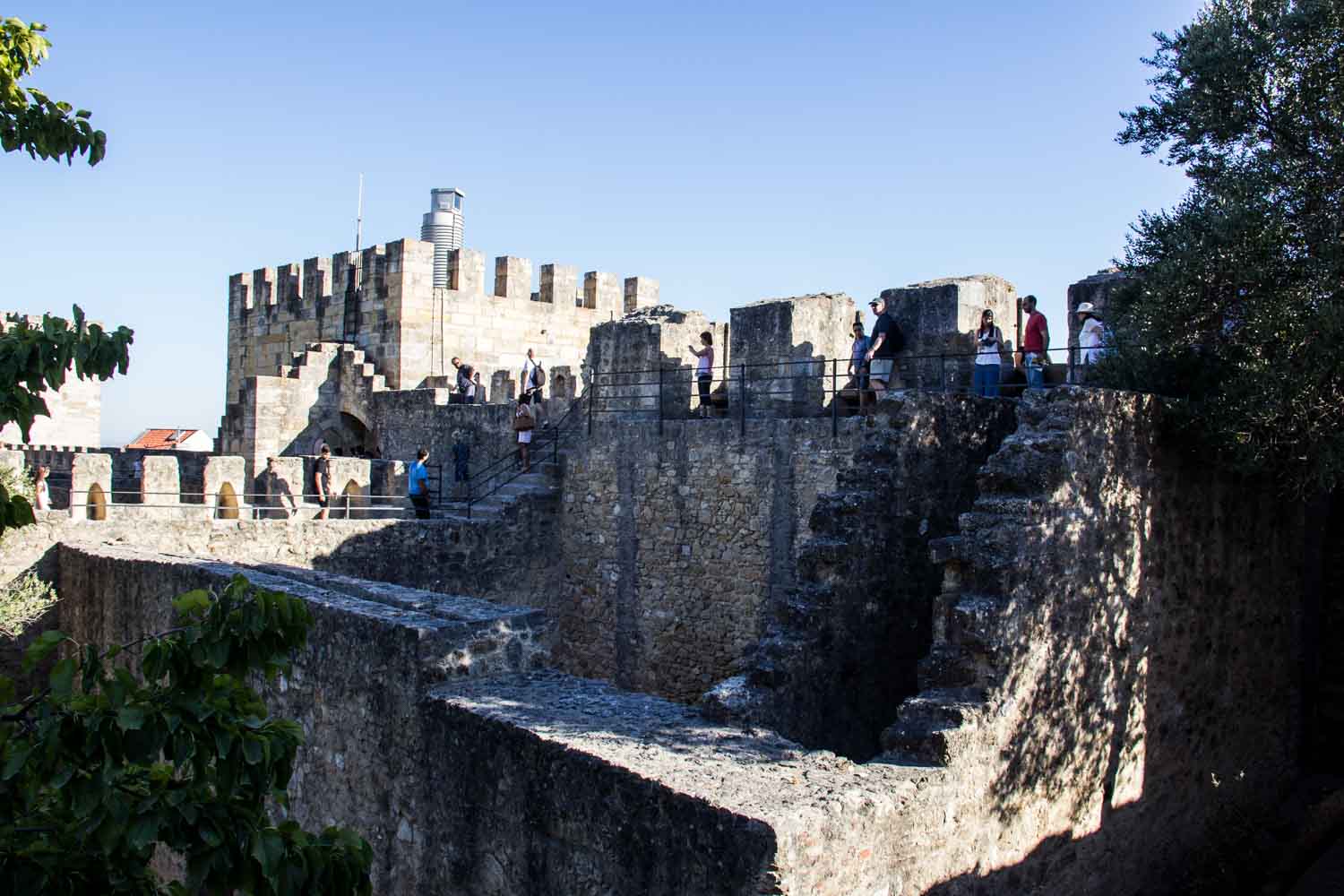
São Jorge Castle
