
El Born Centre de Cultura i Memòria
Open now
El Born Centre de Cultura i Memòria
Mercat del Born, Plaça Comercial, 12, Ciutat Vella, 08003 Barcelona, Spain Posted by bazartravelsTraveler
Overview
El Born Centre de Cultura i Memòria occupies the skeletal remains of the Mercat del Born, a 19th-century iron market hall in Barcelona's medieval quarter. What makes this space unusual is that it's part museum, part archaeological site, part cultural center. When restoration work began in the 1990s, diggers uncovered the preserved foundations and artifacts from 1714, the year the neighborhood was razed during the War of Spanish Succession. Today, you walk on a glass floor suspended above these ruins, looking down at pottery shards, roof tiles, and domestic objects frozen in time.
The center functions as both a repository of memory and a living venue for exhibitions, lectures, and events. The upper galleries tell the story of what was lost and what Barcelona endured. The lower level is pure archaeology. It's a place where history isn't behind velvet rope or behind glass. You're standing above it.
Why this place matters
Barcelona in 1714 was a city that lost a war. The Habsburg faction in the War of Spanish Succession suffered defeat, and the Bourbon forces under Philip V systematized the punishment of the city by demolishing an entire neighborhood to build a fortress (the Ciutadella). The ground beneath your feet in El Born represents that rupture.
Most cities bury their dark chapters. Barcelona chose to excavate, preserve, and display them. The artifacts here aren't curated like a typical museum collection. They're in situ, or close to it. A child's shoe sits near a kitchen hearth. Roof tiles are stacked as they fell. This directness creates a different kind of understanding than text on a wall ever could.
The center also stands as a statement about cultural memory in a region with a complex relationship to its own identity. Catalan language, history, and autonomy were suppressed for centuries. Spaces like this one serve as reclamation.
Quick facts
- Located in Ciutat Vella, the Gothic Quarter, five minutes' walk from the Cathedral
- Built originally as Mercat del Born in 1876, opened as cultural center in 2014
- The archaeological layer dates to 1714, when the district was demolished
- Entry is free for permanent exhibitions; special exhibitions may have separate fees
- Closed Mondays and public holidays (check calendar for Catalan holidays)
- Typically open 10am to 7pm, though hours vary by season
- Mostly accessible by stairs and ramps, though some lower sections require navigation
Getting there
By Metro, take Line 4 (yellow) to Jaume I station. Exit onto Carrer de Jaume I and walk south into Plaça Comercial. The walk takes about three minutes from the platform.
If you're coming from the Cathedral (Catedral de Barcelona), head east on Carrer del Bisbe, which curves into Carrer de Montcada. Turn left at Plaça Comercial. That's roughly five minutes on foot.
The center sits on a small plaza bordered by medieval townhouses. The entrance faces onto the square, identifiable by the modern glass and steel structure inside the historic market shell. There's no prominent signage from a distance, so look for the building itself: a latticed iron frame with a brick facade, clearly different from the Gothic structures around it.
Street parking in Ciutat Vella is scarce and regulated. The nearest paid parking garage is under Plaça Reial, about a seven-minute walk away.
The layout and experience
You enter at ground level into a modern foyer. Information is available in Catalan, Spanish, and English. The main galleries occupy the upper floor of the market hall, reached by stairs or an elevator.
The permanent exhibition focuses on the neighborhood's social and domestic life before 1714, reconstructed from the archaeological finds. You'll see displays of ceramics, glassware, metal objects, and textile fragments arranged thematically by room type: kitchens, workshops, living quarters. Photographs and written context help orient you, though the visual impact of the objects themselves often speaks louder than any label.
The centerpiece is the glass floor. Walking across it, you're literally suspended above the excavation. The layers below show foundation walls, hearths, refuse pits, and scattered debris. It's disorienting in the best way. You can see the actual ground level of 1714, preserved under glass, while standing in a 19th-century building repurposed as a 21st-century museum.
Special exhibitions rotate through the upper galleries. These range from contemporary art to historical photography to thematic explorations of memory and conflict. The center hosts lectures, film screenings, and performances. If you're there on an event day, the space transforms into a venue for live culture, not just a repository.
Plan to spend 60 to 90 minutes if you're moving at a comfortable pace. You could rush it in 40 minutes, or linger for two hours if you read every label and sit with the experience.
Main highlights
The glass floor over the archaeological layer is the unmissable element. There's nothing quite like it in Barcelona. Most museums separate you from the past with barriers. Here, the barrier is transparent, and you're invited to look closely at fragments of ordinary life.
The ceramic collection is substantial. Bowls, plates, and storage vessels show the daily aesthetic and function of 18th-century domestic life. Some pieces bear maker's marks or inscriptions. Others are fragments that suggest violence or rapid abandonment.
A reconstructed kitchen hearth, built to show how cooking spaces were organized, helps you visualize the spatial logic of homes that no longer exist. It's a small touch, but it makes the artifacts legible as part of a functioning household, not just decontextualized objects.
The upper galleries include a section on the military history of 1714 and the broader political context. Maps, documents, and written narrative explain what led to the war and why the defeat mattered so much to Barcelona's identity. This context matters. Without it, the artifacts below are just old things. With it, they become evidence of erasure and survival.
History and background
The War of Spanish Succession (1701 to 1714) pitted European powers against each other over who would inherit the Spanish throne. Barcelona backed the losing side, the Habsburgs. When the Bourbons won, Philip V's forces occupied the city and imposed harsh penalties.
The neighborhood that stood on this site, called "La Ribera," was a thriving commercial and residential district. After 1714, it was systematically demolished to make way for the Ciutadella fortress, a military stronghold designed to control the city and prevent future rebellion. Thousands of families were displaced. The neighborhood was never rebuilt in its original form.
The Mercat del Born market hall was constructed in 1876, long after the fortress fell into disuse (now it's a beloved public park). The market operated for over a century as a central fish and produce market. It closed in 1971 as the city modernized and moved markets to the outskirts.
In the 1990s, proposals to demolish the building or convert it into a library sparked controversy. Advocates for preservation won. In 2002, excavation of the foundations began, revealing the 1714 layer. The archaeological work continued for over a decade. The center opened to the public in 2014, exactly 300 years after the siege.
Tickets and entry
General admission to the permanent exhibitions is free. This is genuinely free, not a "suggested donation" scenario. You walk in without a ticket.
Special or temporary exhibitions sometimes charge a separate entrance fee. These are usually modest, but check the website or ask at the desk if you want to know in advance.
Guided tours are offered in Catalan, Spanish, and English. These are booked in advance and may have a small fee. A self-guided visit works fine if you read the labels and take your time. The space isn't overwhelming or confusing.
Best time to visit
Mornings, especially mid-week, tend to be quieter. Tuesday through Thursday, 10am to 1pm, you'll have more space to breathe and fewer school groups. Weekends and afternoons draw more visitors, particularly in summer and during Barcelona's tourist season (May through September).
The interior climate is stable year-round, so weather doesn't influence comfort much. However, the upper galleries have some windows, and on very bright days, the light can make reading labels on the glass difficult. Overcast days are actually better for viewing.
Avoid Mondays, when the center is closed. Public holidays in Catalonia (especially September 11, the national day) may also close the center or limit hours.
Photography tips
Photography is permitted without flash. The lighting inside is museum-standard: thoughtful, but not bright. A tripod is not allowed. Phone cameras work fine, though you'll get better detail with a camera that performs well in low light.
The glass floor is photogenic but tricky. Reflections can be distracting. Shoot at an angle rather than straight down to reduce glare and reflections of the ceiling. Overhead light from the upper galleries bounces off the glass, so experiment with your angle.
The artifacts themselves are small. Close-ups of ceramics or metal objects show detail and texture that reads well in photos. The scale is easier to understand if you include a label or a corner of the display case.
Avoid using flash near the glass floor. It reflects harshly and can damage the experience for others trying to look down at the archaeology.
Facilities and preparation
Restrooms are clean and located on the ground floor. There's a small cafe or bar area, though it's modest compared to major museums. Bring water if you prefer your own. The space isn't climate-controlled beyond standard levels, so dress in layers if you're sensitive to temperature fluctuations.
The center is largely wheelchair accessible, though some areas require maneuvering around stairs and the lower archaeological section has limited access. Call ahead if you have specific mobility concerns.
There's a small shop with books, exhibition catalogs, and some local crafts. Nothing tourist-trap about it. Prices are reasonable.
Combining with nearby attractions
This location is excellent for a morning or early afternoon visit before exploring the rest of Ciutat Vella. The Cathedral is five minutes away. The Gothic Quarter's narrow streets and medieval facades are literally surrounding you. Mercat de Santa Caterina, a modern market hall redesigned in the 2000s, is a ten-minute walk northeast and offers a striking contrast to El Born's archaeological approach.
Plaça Reial, one of Barcelona's most famous plazas with arcaded galleries and street performers, is five minutes south. The waterfront and Parc de la Ciutadella (where the fortress that displaced this neighborhood now stands as a public park) are ten to fifteen minutes away on foot.
If you're interested in Catalan history and culture, the nearby Museu Picasso is a fifteen-minute walk and housed in another Gothic palace. The two museums together offer a deeper understanding of Barcelona's identity and artistic heritage.
Sample visit plan
Arrive around 10:30am on a weekday. Spend 15 minutes in the foyer orienting yourself and reading the introductory materials. Move to the upper galleries and spend 45 to 60 minutes with the permanent exhibition. Take time with the artifacts. Look at the reconstructed spaces. Read the contextual panels about 1714 and the war.
Then walk the glass floor slowly. Look down. Sit on a bench if there is one, and just observe. Don't rush this part. Five to ten minutes of quiet looking often teaches more than active searching.
If there's a special exhibition, decide whether you want to see it based on the theme. If not, exit and head north into the Gothic Quarter. Grab a coffee at one of the many cafes on Carrer de Montcada or Plaça Comercial. Spend the afternoon wandering streets you haven't seen before. The architecture and street layout haven't changed much since the 18th century (outside the demolished neighborhood). You'll understand the city better by walking it after understanding what was lost.
Practical tips
- Go on a weekday morning if you want a quiet experience and space to think
- The labels are detailed but not overwhelming. Read them if you want context, skip them if you prefer visual engagement
- Allow your eyes to adjust to the lower light inside before trying to photograph the glass floor
- Wear comfortable shoes. The Gothic Quarter's stone streets are cobbled and uneven
- Check the website for special exhibitions and events before you visit. The calendar varies seasonally
- The center has a small but good book collection in Catalan, Spanish, and English about Barcelona's history and archaeology
- If you're visiting in summer, go early in the day. Afternoon crowds and heat make the medieval streets less pleasant
FAQ
How long does a typical visit take? Most visitors spend 60 to 90 minutes. You can do it faster if you're moving quickly, or linger longer if you engage deeply with the materials.
Is it worth visiting if I'm not interested in archaeology? Yes. The space itself is striking, and the story of 1714 and its aftermath is compelling even if you don't care about pottery fragments. The modern design of the center, the glass floor, and the integration of the market hall as a structure all make it worth seeing.
Are guided tours necessary, or can I understand it on my own? Self-guided visits work fine. The labels are clear and provide context. Guided tours add deeper interpretation and stories, but they're not essential.
Can I bring children? Yes. It depends on age. The glass floor tends to fascinate kids. Older children who read and engage with history will get more out of it. Younger children might find it boring. The space is quiet, so rowdy behavior stands out.
What's the best photo I can take here? The glass floor with the archaeological layer visible below is the iconic shot. Frame it so you capture both the glass reflection and the artifacts underneath. Avoid direct overhead angles, which create too much glare.
Why stay in this neighborhood
Ciutat Vella is the oldest part of Barcelona, and El Born is at its heart. Staying nearby puts you within walking distance of the Cathedral, the waterfront, and hundreds of restaurants and cafes. The neighborhood feels lived-in, not theme-parked. Yes, there are tourists. But there are also residents, students, and workers. The streets have texture.
The medieval urban layout means you'll get lost. This is a feature, not a bug. Getting lost in Ciutat Vella is how you discover the city. Every dead-end street opens onto a plaza you didn't know existed. Every corner turns reveal a church, a cafe, a shop, or a simple stone wall that's 600 years old.
Final thoughts on El Born Centre de Cultura i Memòria
El Born Centre de Cultura i Memòria is one of Barcelona's most honest museums. It doesn't hide its difficult past or prettify it. It doesn't ask you to feel a particular way. It shows you what was lost, what remains, and invites you to draw your own conclusions.
The free admission and open-ended format mean you can visit without guilt or time pressure. Whether you spend 45 minutes or two hours, you're not wasting money or time. The space respects your presence and your curiosity.
If you're spending time in Barcelona and you care about understanding the city beyond its modernist architecture and beach culture, this is essential. It's also simply a remarkable space: a 19th-century market hall containing 18th-century ruins, interpreted through 21st-century methods, in a city that's always negotiating between what it was, what it lost, and what it's becoming.
Opening hours
Reviews
Sign in and mark this place visited to leave a review.
No reviews yet.
Free Trip Planner
Plan your Barcelona trip with our free planner
Build a day-by-day itinerary with AI suggestions, hand-picked places, and friends. Free forever — no credit card.
Related reading
Things to see near El Born Centre de Cultura i Memòria

Colonia Guell Gaudi Crypt
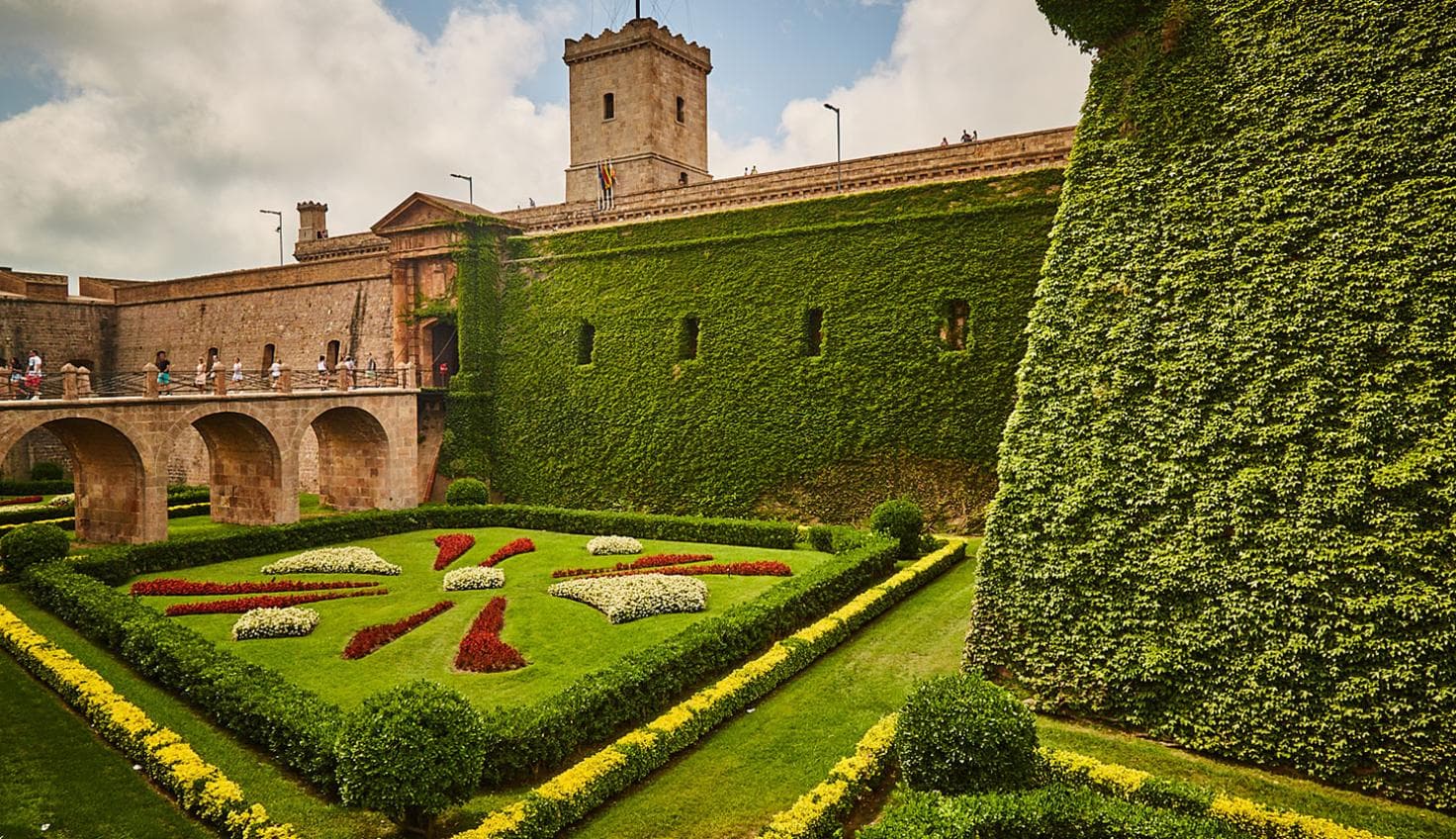
Montjuïc Castle
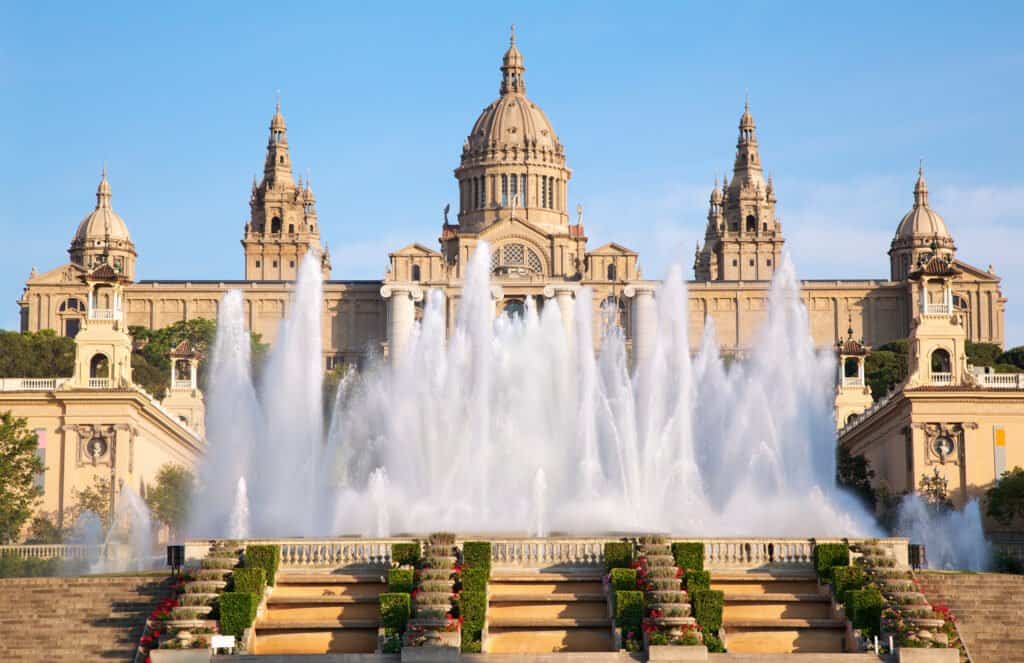
Magic Fountain of Montjuïc
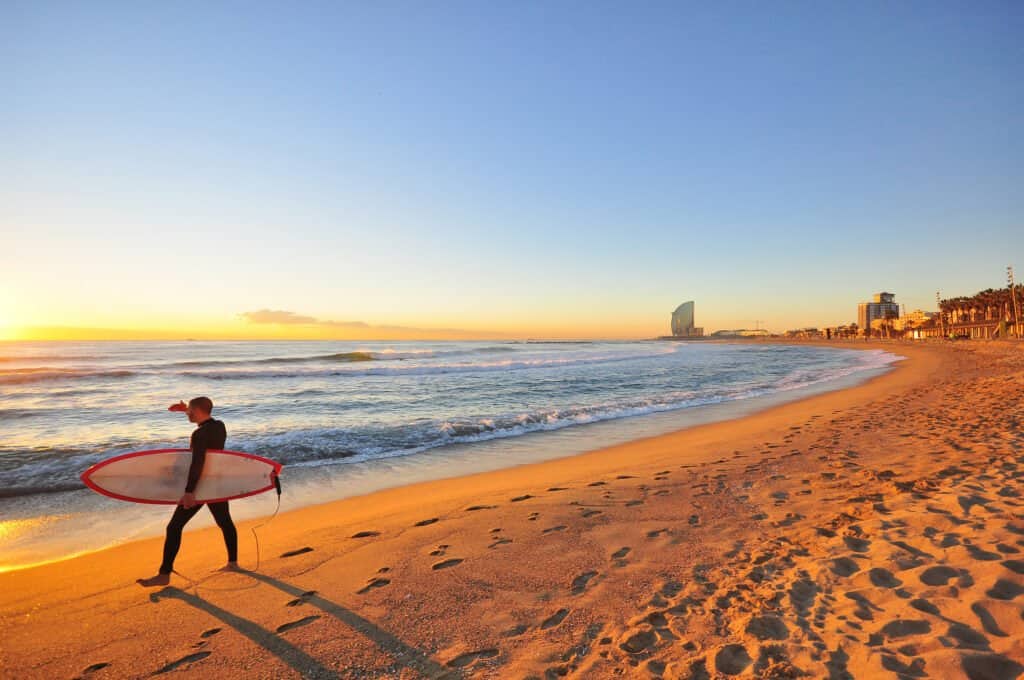
Barceloneta Beach
Places to eat or drink near El Born Centre de Cultura i Memòria


More places in Barcelona

Sagardi BCN Centre

Orient Express Cocktail Bar

Xurreria Trebol
