Grand Canyon National Park Travel Guide
Grand Canyon National Park on the map
10 places from this guide. Tap a pin to open the listing.
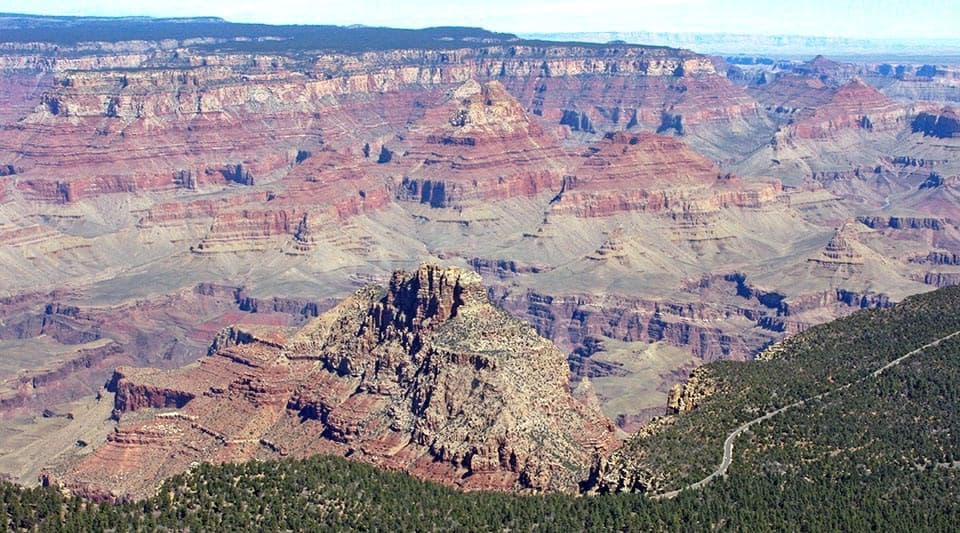
The Grand Canyon is one of the most photographed landscapes on earth, and no picture quite prepares you for standing at the rim for the first time. Carved by the Colorado River over millions of years, the canyon stretches roughly 277 miles long, up to 18 miles wide, and over a mile deep in places. UNESCO named it a World Heritage Site in 1979, and Grand Canyon National Park now draws visitors from every continent to its rim trails, overlooks, and quiet side canyons. This Grand Canyon National Park travel guide covers when to go, where to base yourself, and what it actually costs to see one of the seven natural wonders of the world.
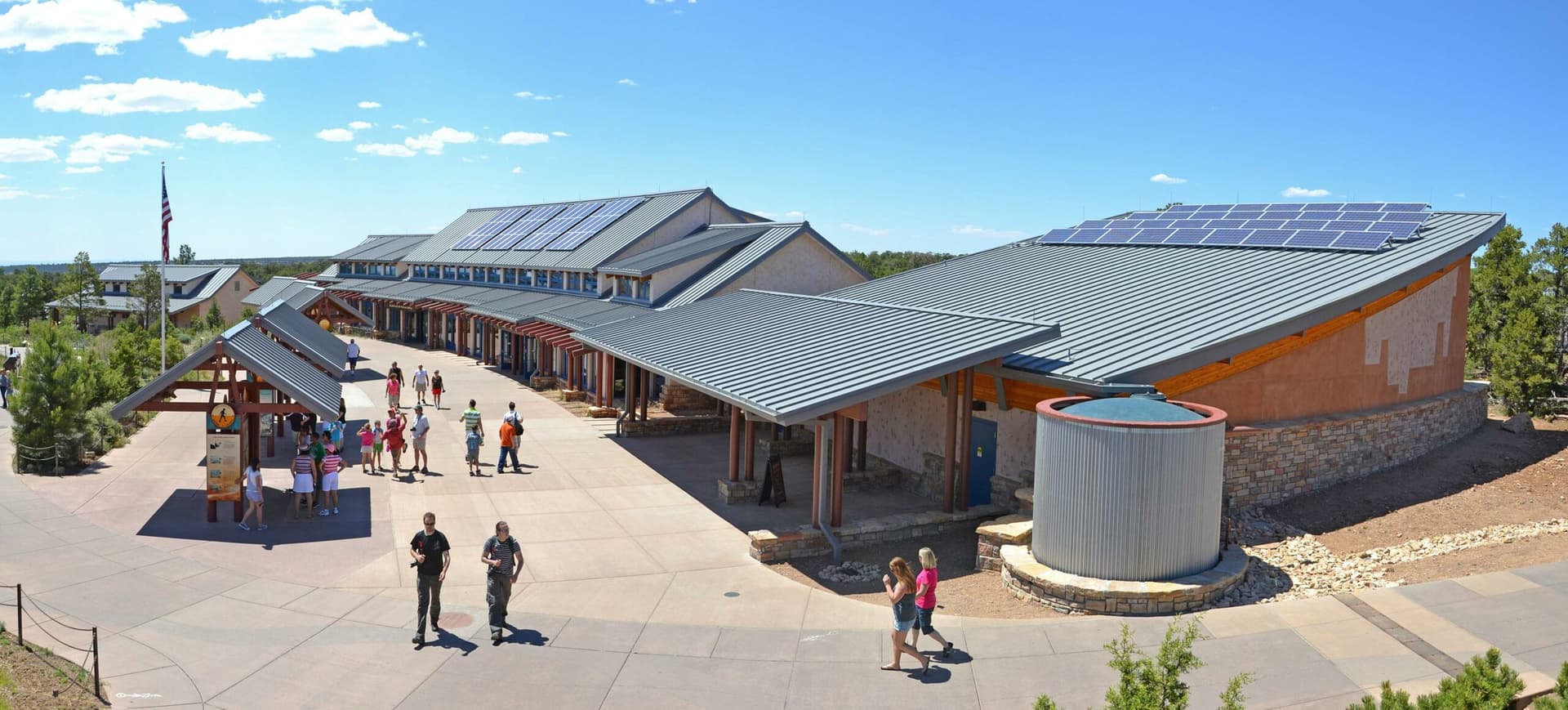
Most first-time visitors stick to the South Rim, where the bulk of the infrastructure sits, including Grand Canyon Village, the main shuttle routes, and the park's historic lodges. The North Rim exists too, but it's farther from everything and closed for much of the year. Whichever side you pick, start at the Grand Canyon Visitor Center near the South Entrance. It has maps, ranger advice, and a short walk to Mather Point Overlook on the South Rim, which is where almost everyone gets their first look at the canyon itself.
When to Visit
May through September brings the most reliable weather and the fullest services, which is why it's also the busiest stretch. Summer afternoons at the rim can climb into the 80s and 90s Fahrenheit, and temperatures inside the canyon run considerably hotter, so hiking schedules shift early. If you can manage a visit in April, May, September, or October, you'll find thinner crowds and milder days without losing much in the way of open trails or services.
Winter has its own appeal. Snow dusts the pinyon pines along the South Rim and the crowds thin out dramatically, though some facilities reduce hours and a few sections of Desert View Drive can close temporarily after storms. The North Rim is the bigger seasonal gamble. Its lodge and main facilities typically close by mid-October and don't reopen until mid-May, so confirm current dates before planning a trip around that side.
Where to stay
Grand Canyon Village, inside the park on the South Rim, is the most convenient base if you want to walk out your door and be on the rim trail within minutes. Rooms here book out months in advance for peak season, so plan ahead if this is your priority.
Tusayan sits just outside the South Entrance, about seven miles from the village, and works well if in-park lodging is full. It has a cluster of hotels, restaurants, and the main overflow parking lot with shuttle access into the park, which matters a lot on busy weekends when parking inside fills early.
Flagstaff is roughly 80 miles south and makes sense for travelers who want more hotel options at a wider range of price points, along with a livelier town to return to in the evening. The tradeoff is a drive of an hour and a half or more each way.
- Grand Canyon Village (South Rim, inside the park) – closest to Mather Point Overlook on the South Rim and the main trailheads, books up fastest
- Tusayan – closest town outside the entrance, good shuttle access, useful fallback for parking
- Flagstaff – more lodging variety and generally better value, longer drive to the rim
- North Rim Lodge – remote, seasonal, worth it only if you're specifically after the North Rim's quieter overlooks
How to reach the destination
By plane, the nearest airports with regular service are in Flagstaff, Phoenix, and Las Vegas, none of which sit right at the park, so you'll need a connecting drive or shuttle from any of them.
By train, the Grand Canyon Railway runs a heritage route between Williams, Arizona (just off Interstate 40) and Grand Canyon Village on the South Rim, a scenic way to arrive without a car. Amtrak serves Flagstaff with connections to destinations across the country, though you'll still need a further leg from Flagstaff to the park.
By bus, several operators cover the route, including shuttle services out of Flagstaff and Williams, Greyhound connections, and the Trans-Canyon Shuttle, which links the South Rim and North Rim directly for travelers wanting to see both sides without renting a car.
By car, the drive from Phoenix takes roughly three to four hours, and from Las Vegas it's closer to four to four and a half hours. Both routes are straightforward highway driving through desert scenery. During holiday weekends, parking inside the park fills up fast, so it's worth parking in Tusayan and riding the free shuttle in rather than circling the village lots.
Getting around the destination
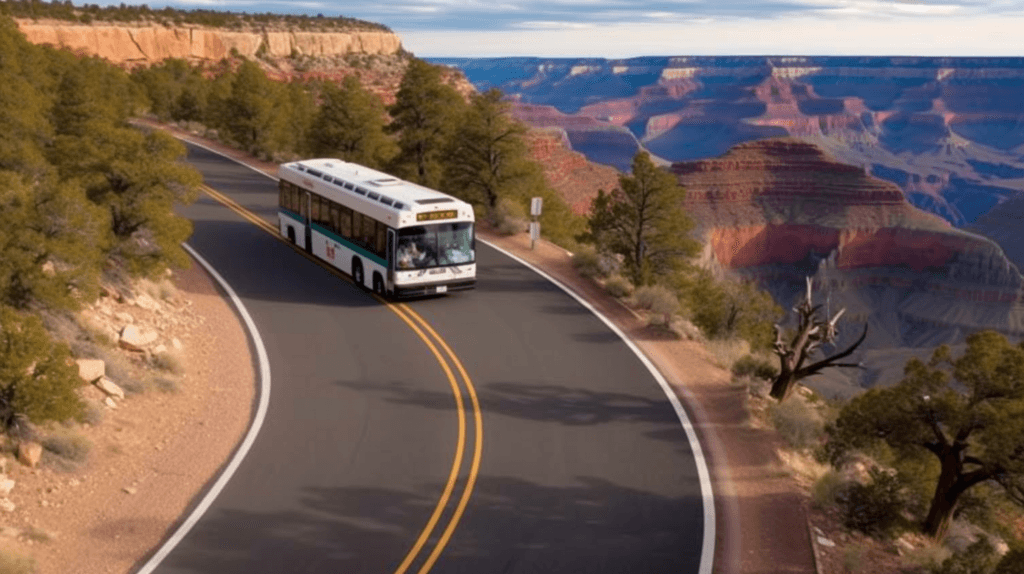
Once you're inside the park, the shuttle bus system covers most of the South Rim and is included in your entrance fee. The Village Route, Kaibab Rim Route, and seasonal shuttles connect the main overlooks, trailheads, and the Grand Canyon Visitor Center without needing a car at all.
Hermit's Road, which runs along the western stretch of the rim, is closed to private vehicles for most of the year and accessible only by shuttle or on foot or bike, which keeps it noticeably quieter than the areas open to cars. Desert View Drive heads the opposite direction, east along the rim toward the Desert View Watchtower, and stays open to private vehicles, making it the better choice for a slow, self-paced scenic drive with pullouts at viewpoints along the way.
For hiking, the Hermit Trail drops below the rim from the western end near Hermit's Road and is rougher and less maintained than the park's main corridor trails, which makes it a draw for experienced hikers looking to get away from the crowds at the top. If you're interested in the canyon's geology rather than just its views, the Yavapai Geology Museum near Mather Point Overlook on the South Rim has exhibits explaining the rock layers you're looking at and a wall of windows aimed straight at the canyon.
A car becomes genuinely useful if you want to compare the East and West Side of the Grand Canyon in a single day, since the park's South Rim stretches close to 25 miles from end to end and the shuttle system, while thorough, takes time to cover that distance.
Top destination travel tips
- Buy your pass online or at the visitor center ahead of time to skip the entrance line during peak hours.
- Park at Tusayan and take the free shuttle in in if you're visiting on a holiday weekend or in midsummer, when in-park parking disappears by mid-morning.
- Carry more water than you think you need. The South Rim sits around 7,000 feet, and dehydration combined with altitude catches a lot of visitors off guard.
- Hike at least partway below the rim if you're able. The view from the top is one thing; the view from inside the canyon on a trail like the Hermit Trail or one of the corridor trails is a different experience entirely.
- If Havasu Falls is on your list, know that it sits on Havasupai Tribe land outside the national park boundary and requires its own separate permit system, booked well in advance and unrelated to your park entrance pass.
- Pack layers even in summer. Mornings at the rim can be cool, and temperatures shift fast if you're hiking down in elevation.
- Sunset and sunrise at Mather Point Overlook on the South Rim draw crowds, so arrive early to find a spot along the rail.
Typical costs in the destination
Admission to Grand Canyon National Park is valid for seven days and covers both the North and South Rims on a single pass. Per-person entry runs around $20, vehicle entry around $35 for everyone inside, and motorcycle entry around $30. Visitors 15 and under get in free. A handful of fee-free days occur each year, historically including Martin Luther King Jr. Day, the first day of National Park Week, National Public Lands Day, and Veterans Day, though it's worth checking the National Park Service site for the current calendar before you go.
Dining inside the park sits in the mid-range tier. Bright Angel, Yavapai Lodge's dining room, and the Arizona Room all serve meals generally priced between $11 and $30, depending on what you order. Bringing your own food is easy and cheap, and the park has picnic tables scattered near several overlooks if you'd rather eat with a view than at a table inside.
Lodging is where costs swing hardest. Hotels in Tusayan can run upwards of $300 a night in peak season, and in-park lodges book out early at similar or higher rates. Flagstaff tends to offer more reasonable rates simply because it has more supply, though you're trading that savings for a longer drive each day.
Must try food and drinks
- Navajo tacos – fry bread topped with beans, meat, cheese, and lettuce, a staple at several dining spots in and around the park
- Fry bread – served plain or with honey, found at Native-owned stands and restaurants throughout northern Arizona
- Bright Angel's dining room fare – a reliable mid-range sit-down option right in Grand Canyon Village
- Arizona Room meals – a step up in setting, with canyon views to go with dinner
- Picnic fare – bring your own sandwiches and fruit and eat at one of the rim's picnic tables, which costs nothing beyond what you packed
FAQ
How many days do you need at the Grand Canyon?
Plan on at least one full day, and two to three if you want to hike below the rim or see more than one section of the park. A single day covers the main South Rim overlooks comfortably, but the North and South Rims are a long drive apart, so seeing both requires extra time.
Do you need a car to visit the Grand Canyon?
No, a car isn't essential, but you need some way to reach the park or at least the Grand Canyon Visitor Center near Tusayan. The Grand Canyon Railway runs trains from Williams, and multiple bus and shuttle services connect from Flagstaff and beyond. Inside the park, shuttle buses are free with your entrance pass, though a car helps for driving Desert View Drive at your own pace.
Is the Grand Canyon expensive to visit?
It can be moderately expensive, mostly because of lodging rather than the entrance fee itself. Admission is charged per person or per vehicle and covers seven days, while park dining sits in a mid-range tier. Hotels in Tusayan get pricey in peak season, so staying in Flagstaff or packing picnic meals helps control costs.
What is the best time to visit the Grand Canyon?
May through September gives the most reliable weather and full services, though it's also the busiest window. Shoulder months like April, May, September, and October offer a good balance of mild temperatures and thinner crowds. Summer heat can be intense, especially below the rim, so carry water and hike early in the day.
Where should you stay when visiting the Grand Canyon?
The main choices are inside the park at Grand Canyon Village, in nearby Tusayan, or farther out in Flagstaff. In-park lodging needs booking well in advance. Tusayan sits closest to the South Entrance and shuttle stops, while Flagstaff offers more rooms and generally better rates at the cost of a longer drive.
Is it worth visiting both the North and South Rim of the Grand Canyon?
Yes, if your schedule allows it, since the two rims offer genuinely different views and feel. A single entrance pass covers both and stays valid for seven days, so one ticket gets you to each side. Keep in mind the rims are a long drive apart and the North Rim closes seasonally, so check current access before planning around it.
Can I see Havasu Falls as part of a Grand Canyon National Park trip?
Havasu Falls is a popular add-on but it actually sits outside the national park on Havasupai Tribe land, with its own separate permit and reservation system. It's not something you can visit spontaneously alongside a South Rim day trip, so research and book that leg well ahead of time if it's a priority.