
Heritage Village
Heritage Village Abu Dhabi: A Living Window Into the Emirates' Past
Heritage Village sits on the Breakwater, one of the more quietly rewarding stretches of Abu Dhabi's waterfront, just a short walk from Marina Mall along Corniche Road. It's an open-air living museum that reconstructs what life looked like across the Emirates before oil changed everything. Falconry demonstrations, traditional crafts, a working blacksmith, and a recreated Bedouin camp sit against a backdrop of the modern Abu Dhabi skyline across the water. That contrast, old and new separated by nothing but the Gulf, is the whole point.
Most visitors underestimate how much is actually here. Give it two hours and you'll leave with a much better sense of what the region was before the towers went up.
Why Heritage Village Matters
The UAE is one of the fastest-urbanized places on earth. Within a single generation, pearl diving villages became a metropolis. Heritage Village exists precisely because that transition happened so quickly that preserving its memory required deliberate effort. The site is managed by the Abu Dhabi Culture Authority and functions as an educational resource as much as a tourist attraction.
For travelers who spend most of their Abu Dhabi time on the Corniche or in shopping malls, this place offers something genuinely different. It's one of the few spots in the city where you can watch a craftsman work a traditional loom or see how a falajwater channel system functioned, without it feeling like a theme park. The artisans working here tend to be doing real work, not performances for cameras.
Quick Facts
- Location: Breakwater, near Marina Mall, off Corniche Road, Abu Dhabi
- Entry: Free for all visitors
- Setting: Open-air with some covered sections
- Best for: History, photography, family visits, cultural orientation
- Managed by: Abu Dhabi Culture Authority
- Accessible from Corniche: roughly 5 to 10 minutes by car from central Corniche
Getting There
The easiest approach is by car or taxi. Tell your driver Heritage Village on the Breakwater, near Marina Mall, and they'll know exactly where to go. Parking is available on-site and tends to be straightforward outside peak weekend hours. If you're already walking the Corniche, note that the Breakwater is accessed via an underpass near the Hilton Abu Dhabi, and Heritage Village sits on the inner side of the Breakwater peninsula.
Public buses serve the Corniche area, though the walk from most bus stops to the Breakwater entrance adds time. A taxi or ride-hailing app is quicker and inexpensive from most central Abu Dhabi locations.
The Layout and Experience
Heritage Village is organized as a sequence of outdoor spaces connected by sandy pathways. You move through a reconstructed traditional village, past a Bedouin camp area, and into a section where craftspeople work in open workshops. There's also a small museum building toward the back of the site that houses artifacts, tools, and explanatory displays about Emirati life before modernization.
The village reconstruction includes a traditional barjeel wind tower, a falaj irrigation channel, and several types of traditional dwellings including a goat-hair Bedouin tent and a palm-frond arish house. These aren't roped-off displays. You can walk up close, and in many cases enter them.
The craft workshops are the most engaging part for most visitors. Depending on when you visit, you might find a weaver working a traditional loom, a potter shaping clay, or a blacksmith at a forge. The work is real, and the craftspeople are often willing to explain what they're doing if you show genuine interest.
Main Highlights
The Barjeel Wind Tower
A reconstructed wind tower demonstrates the passive cooling system that predated air conditioning across the Gulf. The tower catches prevailing breezes and funnels cooler air down into the interior of a building. Standing next to one and understanding how it actually works changes the way you look at older architecture across the UAE and Oman.
Craft Workshops
The working artisans are the heart of the site. Weavers produce traditional textiles, potters throw clay using techniques brought from regions like Iran and Baluchistan, and metalworkers demonstrate the kind of decorative craft work that once equipped Bedouin households. These aren't always present every day, so visiting on a weekday morning often gives you better access than a busy Friday afternoon.
The Souk Area
A small traditional market section sells handicrafts, spices, incense, and souvenirs. Quality varies, but there are genuinely handmade items here if you look past the generic tourist stock. The frankincense and oud wood incense sold here is usually good quality and makes a practical, lightweight souvenir.
Waterfront Views
The Breakwater location means you get unobstructed views across to the Abu Dhabi skyline from several points within the site. The contrast between the traditional architecture you're standing among and the glass towers across the water is one of the more striking visual experiences the city offers. Photographers take note: late afternoon light hits the towers from this angle particularly well.
History and Background
Heritage Village opened in 1997 as part of a broader push by Abu Dhabi's government to document and preserve Emirati cultural heritage before the last generation with direct memory of pre-oil life passed on. The site draws on research into traditional building methods, craft techniques, and daily life practices that had largely disappeared from the urban landscape by the 1980s.
The Breakwater itself was a major infrastructure project that created a new peninsula off the Corniche, and the decision to place Heritage Village here gave it a prominent, accessible location while keeping it physically separate from the commercial development of the city center. The nearby Abu Dhabi Theatre and the flagpole that once claimed the title of world's tallest are on the same peninsula.
Best Time to Visit
Between October and April, the weather makes an outdoor visit genuinely comfortable. The summer months from June through September bring extreme heat that makes any outdoor site in Abu Dhabi difficult before 10am or after 4pm. If you're visiting in summer, go early in the morning or in the late afternoon and plan to spend time in the shaded sections.
Weekday mornings are generally quieter, and you're more likely to find the craft workshops staffed and active. Friday afternoons draw larger local crowds, which has its own appeal if you want to see the site as families actually use it rather than as a tourist attraction.
During Ramadan and National Day celebrations in December, Heritage Village often hosts special programming, demonstrations, and events that make a visit particularly worthwhile.
Photography Tips
The site is very photogenic, but the best shots require some patience. The golden hour before sunset, when the sky behind the Abu Dhabi skyline turns warm, is worth timing your visit around. Bring a wide lens if you have one for the wind tower and the broader village reconstructions.
The craftspeople are generally comfortable being photographed while working, but a brief acknowledgment and a smile before raising your camera goes a long way. Some of the best portraits available in Abu Dhabi are right here, if you approach it respectfully.
Combining With Nearby Attractions
The Breakwater location makes it easy to combine Heritage Village with a walk along the Corniche, which stretches for several kilometers and is one of the better urban waterfront promenades in the Gulf. Marina Mall is a five-minute walk and has plenty of dining options if you want to eat before or after your visit.
The Qasr Al Hosn fort and cultural site, Abu Dhabi's oldest building, is roughly 10 to 15 minutes away by car and pairs well thematically. The two sites together give you a solid half-day of Emirati cultural history without feeling rushed.
Practical Tips
- Dress modestly. Shoulders and knees covered is the expected standard at a cultural site like this.
- Bring water, especially between April and October. The site is mostly outdoors and shade is limited in some areas.
- The site is free, but tipping craft demonstrators who spend time explaining their work is a kind gesture.
- Opening hours change seasonally and may vary during Ramadan. Check with your hotel or call ahead before making a special trip.
- Comfortable flat shoes are recommended. The pathways are sandy and uneven in places.
- If you're traveling with children, the site works well for kids roughly 5 and older who can engage with demonstrations.
FAQ
Is Heritage Village free to enter?
Yes. Entry to the site is free for all visitors.
How long should I plan for a visit?
Most visitors find 90 minutes to 2 hours is enough to see everything comfortably. If you want to spend time with the craft workshops or the indoor museum section, add another 30 minutes.
Is it suitable for young children?
Generally yes. The open outdoor format works well for kids, and the craft demonstrations tend to hold their attention. The sandy paths mean strollers can be a bit awkward.
Can I buy souvenirs here?
Yes. The souk section sells handicrafts, textiles, spices, and incense. Look for items that are clearly handmade rather than mass-produced imports.
Is Heritage Village accessible by public transport?
The Breakwater is reachable by bus, but the walk from main bus stops adds time. A taxi or ride-hailing app is the more practical option for most visitors.
Free Trip Planner
Plan your Abu Dhabi trip with our free planner
Build a day-by-day itinerary with AI suggestions, hand-picked places, and friends. Free forever — no credit card.
More places in Abu Dhabi

Yas Gateway Park

Al Fanar Restaurant & Cafe – Yas Mall

Jones The Grocer

Blue Grill

Ola Brasil Restaurant

Corniche Beach

Cabana Beach Bar & Grill

Warner Bros. World Abu Dhabi
More see and do places

Pere-Lachaise Cemetery

Forth Bridge

Cattedrale di Santa Maria Assunta – Duomo di Como

Shiprock

American Sign Museum

Vasil Levski museum

Stadthuys
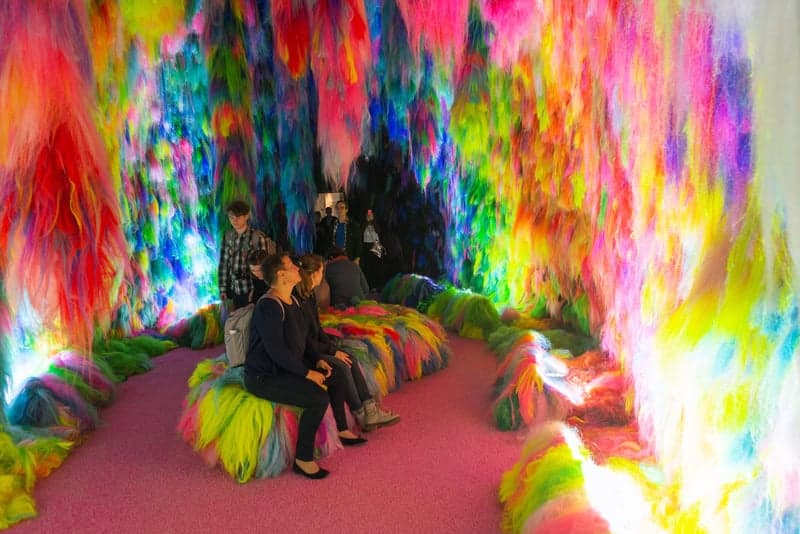
Höfuðstöðin – Chromo Sapiens
Nearby

Sofra BLD

The Grill

Abu Dhabi Falcon Hospital

Madang Korean Restaurant

Glow – Poolside Sports Bar

Aldar HQ Building

The Bayshore

Mangrove National Park
Experiences
Tours & experiences in Abu Dhabi




Bookings made via these links may earn Bazar Travels a small commission, at no extra cost to you. Tours are provided by Viator, a Tripadvisor company.