
 Posted by Brandon B.Admin
Overview
Las Ramblas is Barcelona's most famous boulevard, stretching 1.2 kilometers from Plaça Reial near the waterfront up to Plaça de Catalunya at the city's heart. What you experience here is equal parts spectacle and chaos. Street performers in elaborate costumes freeze mid-pose for photos. Cafes spill onto the pavement. Pickpockets work the crowds. Tourists clog the pedestrian thoroughfare in summer. And somehow, despite the overwhelming foot traffic and commercialism, the avenue remains an essential Barcelona experience.
The boulevard itself is lined with plane trees that provide dappled shade. On either side sit shops, restaurants, and historic buildings. The official name is La Rambla, though English speakers call it Las Ramblas (plural) because it technically consists of five connected sections, each with its own character. Locals tend to avoid peak hours here, but visitors find something magnetic about the energy.
Why this place matters
Las Ramblas has been Barcelona's main artery since the 14th century, when it was a seasonal watercourse. By the 18th century, it had become a social hub where the city's residents promenaded. That tradition survives today, though now it's tourists doing most of the walking.
The street represents Barcelona's openness to the world. It connects the old medieval quarter near the waterfront to the modern grid of Eixample. It's where you can see the Barcelona Cathedral without entering it, where street culture performs itself for you, where the city's commercial and cultural life intersect.
Functionally, Las Ramblas is unavoidable if you're spending time in Barcelona. Most visitor itineraries pass through it. Most metro lines feed into the plazas at its ends. Most walking routes between neighborhoods cross it.
Quick facts
- Length: 1.2 kilometers from Plaça de Catalunya to the waterfront at Plaça Reial
- Main sections: Rambla de Canaletes (top), Rambla de Estudis, Rambla de Sant Josep, Rambla dels Caputxins, and Rambla de Santa Mònica (bottom)
- Always open, free to walk
- Busiest during daylight hours, especially afternoons and weekends
- Nearest metro stops: Plaça de Catalunya (top), Liceu or Drassanes (middle and bottom sections)
Getting there
If you arrive at Plaça de Catalunya, the top of Las Ramblas is immediately in front of you. The easiest way to access the avenue is to walk downhill from this plaza, which is where most metro lines converge. Lines 1, 3, 6, and 7 all stop at Plaça de Catalunya.
From the waterfront, you can start at the bottom. The Drassanes metro stop puts you near the Museu Marítim and the Columbus Monument, both landmarks at the boulevard's lower end. Walking uphill from here takes about 20 to 25 minutes if you don't stop.
If you're coming from the Gothic Quarter or the Barri Gòtic, you can enter Las Ramblas from its side streets. Carrer de Ferran connects the quarter directly to the middle section of the boulevard.
Taxis and rideshares can drop you at either end, though traffic congestion means walking is usually faster than waiting for a car during peak hours.
The layout and experience
Walking down Las Ramblas from top to bottom, the character shifts subtly. At Plaça de Catalunya, you're in modern Barcelona, surrounded by department stores and hotels. The street widens here, and you can see the full breadth of the boulevard.
As you descend, the buildings get older. The Rambla de Sant Josep section contains the Boqueria Market on your left, a major draw that pulls people off the main street. The street narrows slightly. The crowds intensify.
The Liceu opera house sits on the right side roughly in the middle. This is where the boulevard shifts from commercial to cultural. Street performers cluster more densely here. Living statues, musicians, and artists position themselves along the central tree-lined median.
Continuing downward, you pass the Plaça Reial, a square tucked slightly to the left. This is where the street opens into a more deliberate public space. The square has restaurants, bars, and its own character separate from the main thoroughfare.
The final section, Rambla de Santa Mònica, leads directly to the waterfront. The Columbus Monument marks the endpoint. The Maremagnum shopping and entertainment complex sits just beyond.
The experience depends entirely on when you visit. Early morning, before 9am, feels almost peaceful. The vendors are setting up. There are actual residents walking to work. By midday in summer, you're shoulder to shoulder with thousands of other people. Evening brings a different crowd: locals meeting friends, couples on dates, tourists seeking dinner.
Main highlights
The Boqueria Market (Mercat de la Boqueria) is the most obvious stop. This covered market has been operating since 1836, though the current building dates to the late 1800s. You can walk through without buying anything and get a sense of Barcelona's food culture. The produce displays are visually stunning. If you do buy, fresh fruit smoothies are a common option.
The Liceu opera house (Gran Teatre del Liceu) is architecturally significant. Built in 1847, it's one of Europe's oldest opera houses still in operation. You don't need to attend a performance to appreciate it from outside, though guided tours of the interior are available on certain days.
Plaça Reial is a quieter alternative to the main street. This arcaded square, completed in 1848, has a more intimate scale. Street lamps designed by a young Antoni Gaudí (before he became famous) sit in the plaza. It's a good place to sit at a café and observe the slower pace of Barcelona life.
The street performers themselves are a highlight for some visitors. The living statues, costumed characters, and musicians are part of the spectacle. Photography with them usually requires a small tip.
The Barcelona Cathedral is visible but not directly on Las Ramblas. It's one block to the right (east) if you're walking downhill. The Gothic Quarter spreads out in that direction, making it easy to combine a walk down the boulevard with deeper exploration of the medieval city.
History and background
Las Ramblas began as a seasonal watercourse called a rambla, which is why the street's name comes from Arabic for "dry riverbed." By the 1400s, it had begun to function as a social space. The construction of the city walls meant it became a boundary between the old city and the agricultural land beyond.
The current form of Las Ramblas took shape in the 18th and 19th centuries as Barcelona expanded and modernized. Trees were planted. Buildings rose on either side. By the early 1900s, it was already being described as Barcelona's most important public space.
The street has hosted everything from political demonstrations to carnival celebrations. During the Spanish Civil War, it was a site of conflict. In the 20th century, it evolved into a tourist destination, especially after Barcelona's 1992 Olympic Games brought international attention to the city.
Today it's a somewhat contested space. Locals debate whether the commercialization has gone too far. The street has been the site of several terrorist attacks in recent years, which has added security measures and changed some people's perceptions of it. Despite this, it remains central to Barcelona's identity.
Best time to visit
Early morning, before 8am, is quietest. If you want to experience Las Ramblas without overwhelming crowds, arrive at Plaça de Catalunya before most tourists wake up. The street feels almost ordinary at this hour.
Late afternoon, after 5pm in winter or after 6pm in summer, brings a shift. The tourist groups thin out. People who work in the area head home. The street becomes more of a transit route than a destination.
Avoid the middle of the day during summer (June through August). Peak congestion happens between 11am and 4pm. The heat makes walking slow. The crowds make photography difficult.
Winter and shoulder seasons (October through April) see fewer visitors overall, making the entire experience more manageable.
Special events affect the street. During Barcelona's major festivals or when there are protests, Las Ramblas may be cordoned off or crowded in unexpected ways.
Photography tips
The street's tree-lined central section provides natural framing. Shoot from the side to capture the depth of the boulevard receding toward Plaça de Catalunya or the waterfront.
The architectural details on the surrounding buildings are strong subjects. Look up from the crowds. The building facades have ornate elements that tell the story of Barcelona's growth.
Early light, before 10am, hits the street from the east, illuminating the Gothic Quarter buildings and creating better contrast than midday sun.
If you photograph the living statues, expect to be asked for a donation. Have coins or small bills ready. The performers are used to this transaction.
The Plaça Reial and its arcades create different light patterns than the open boulevard. Shoot there for more dramatic shadows and architectural interest.
Facilities and preparation
Restrooms are available in the Boqueria Market and in the larger shops and cafes along the street. Public restrooms exist but can be hard to locate. Plan ahead if you need them.
Water fountains are scattered along the route. Bring a refillable bottle or buy water at a cafe or market stall.
The street is entirely flat and paved, so it's accessible for strollers and mobility aids. However, the crowds during peak hours can make moving with a wheelchair or stroller challenging.
Shade is provided by the plane trees, though this varies by section and time of day. In summer, sunscreen and a hat are necessary. The reflected heat from the pavement can be intense even in the shade.
Pickpocketing is a real concern. Keep valuables secure. Use a crossbody bag rather than a backpack. Don't display expensive cameras or phones unnecessarily. Stay alert but not paranoid. Most visitors pass through without incident.
How it compares to similar places
If you've walked down other famous European boulevards, Las Ramblas will feel familiar and distinct. Like the Champs-Élysées in Paris, it's a major commercial thoroughfare with significant historical weight. But Las Ramblas is narrower, more densely packed, and more visibly lived-in by a mix of residents and visitors.
The street performer culture here is more intense than on most other European boulevards. The living statues, musicians, and artists are part of the official Barcelona experience in a way that's less true elsewhere.
Compared to other Barcelona neighborhoods, Las Ramblas is heavily touristed. The Gothic Quarter feels more authentically local. The beaches feel more relaxed. The Eixample neighborhoods feel more residential. Las Ramblas is where Barcelona puts itself on display.
Combining with nearby attractions
The Gothic Quarter (Barri Gòtic) spreads out to the right as you walk down Las Ramblas. Carrer de Ferran is the main connection. You can easily spend two to three hours exploring the medieval streets, the Barcelona Cathedral, and the historic plazas.
The Boqueria Market deserves its own 30 to 45 minute visit if you want to properly explore it and possibly eat there.
The waterfront area at the bottom is worth 30 minutes. The Columbus Monument, the Maremagnum complex, and the beaches beyond make a natural continuation.
Plaça de Catalunya at the top connects to the Eixample district. You can continue northward to see more of Barcelona's modernist architecture or visit the Sagrada Família, which is accessible by metro from Plaça de Catalunya.
A complete itinerary might combine Las Ramblas with the Gothic Quarter in the morning, lunch at the Boqueria, and then either the waterfront or a metro ride to another neighborhood in the afternoon.
Sample visit plan
Start at Plaça de Catalunya early, around 8am. Walk down Las Ramblas slowly, observing the architecture and street life. Stop at the Boqueria Market around 9am when it's open but not yet crowded. Spend 30 to 45 minutes there. Continue down the street, pausing at Plaça Reial for a coffee.
Reach the waterfront by late morning. Explore the Columbus Monument and the area around it. Have lunch at a cafe overlooking the water or in the Maremagnum complex.
In the afternoon, either return to Las Ramblas to explore the Gothic Quarter more deeply, or take a metro to another neighborhood. If you return to the Gothic Quarter, enter from the side streets and spend two to three hours there.
This approach avoids the midday crush while still experiencing the essential parts of Las Ramblas.
Practical tips
- Walk down in the early morning for the best light and fewest crowds
- Keep your bag zipped and in front of you, especially in the crowded sections
- Don't feel obligated to walk the entire length. The street is beautiful but repetitive. You can see the key sections in 30 to 45 minutes
- Prices at cafes and restaurants on Las Ramblas itself are higher than side streets. Walk one block away for better value
- The Boqueria Market has prepared food vendors. This is often cheaper and better quality than the tourist restaurants
- Street performers expect tips. If you photograph or video them, have coins ready
- Avoid the street during peak summer days if you're sensitive to crowds
- The atmosphere changes significantly by hour. Visit multiple times if you can to see different versions of it
FAQ
Is Las Ramblas safe? The street is patrolled by police and is generally safe during the day and early evening. Pickpocketing is the main concern, not violent crime. Stay alert but not anxious. Avoid the street late at night if you're alone.
How long does it take to walk Las Ramblas? Walking the full length without stopping takes 20 to 25 minutes. With stops at the market, cafes, and plazas, plan for one to two hours. Many visitors spend less time than they expect because the crowds slow progress.
Can I visit the Boqueria Market for free? Yes, the market is free to enter. You only pay if you buy something. Browsing is encouraged.
Should I book a guided tour of Las Ramblas? Not necessary. The street is straightforward to navigate on your own. Self-guided walks are more flexible and allow you to move at your own pace. Guided tours tend to emphasize history over the current street experience.
What's the best place to eat on Las Ramblas? The Boqueria Market has multiple food stalls and is your best bet for quality and value. The cafes and restaurants directly on the boulevard are touristy and overpriced. Side streets one block away have better options.
Reviews
Sign in and mark this place visited to leave a review.
No reviews yet.
Free Trip Planner
Plan your Barcelona trip with our free planner
Build a day-by-day itinerary with AI suggestions, hand-picked places, and friends. Free forever — no credit card.
Related reading
Things to see near Las Ramblas

Colonia Guell Gaudi Crypt
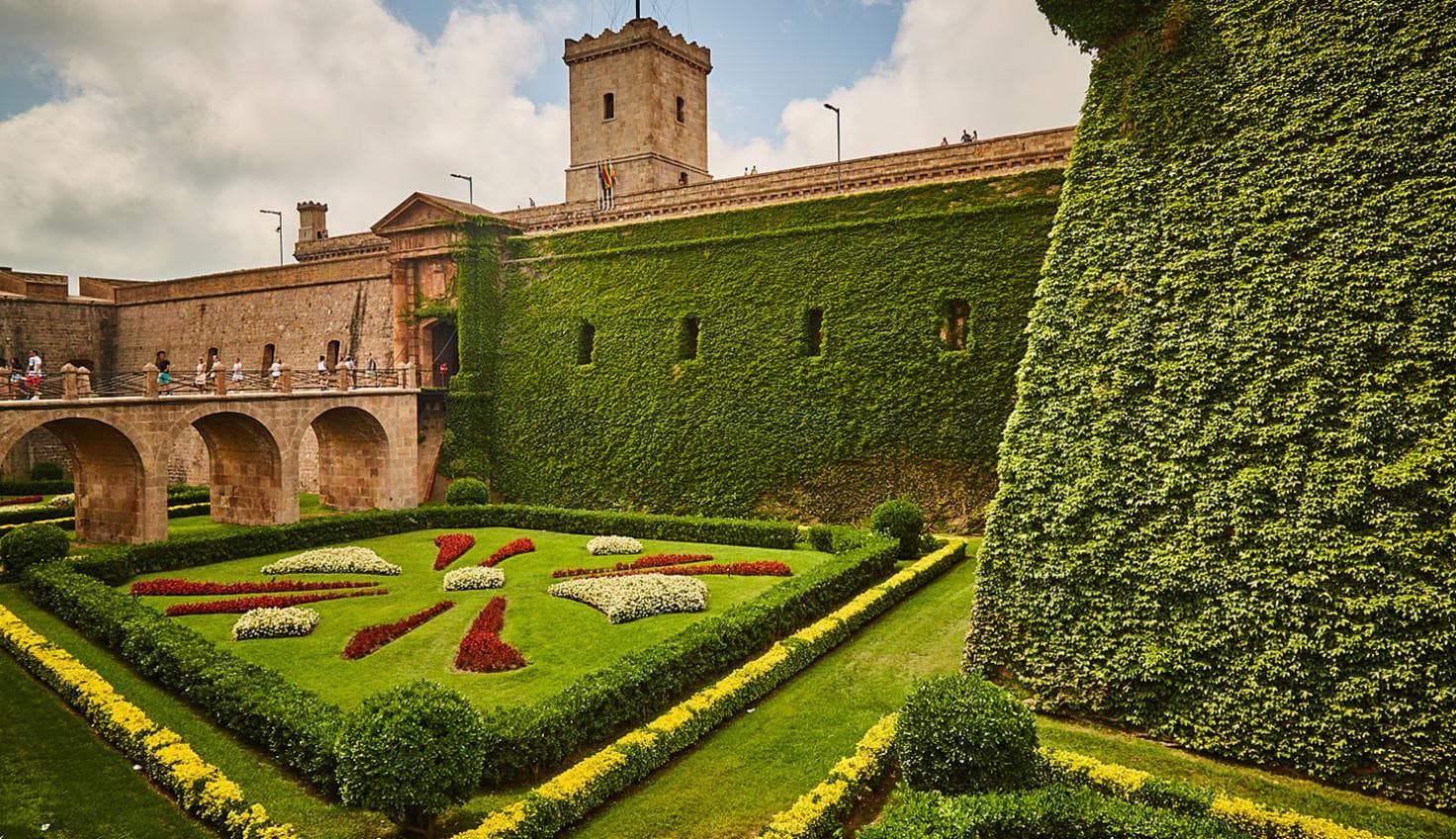
Montjuïc Castle
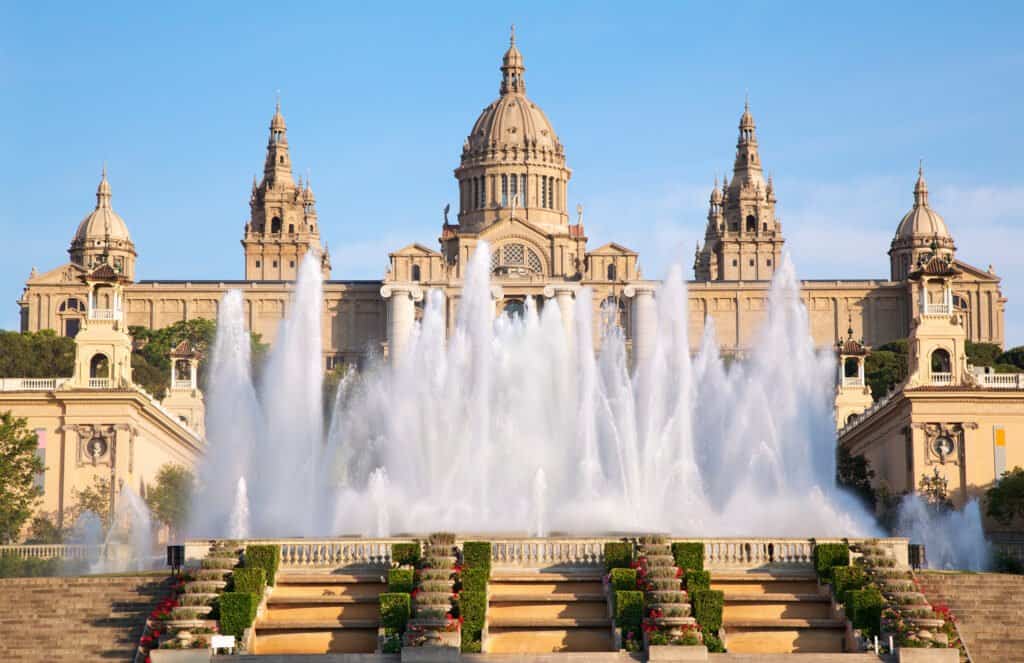
Magic Fountain of Montjuïc
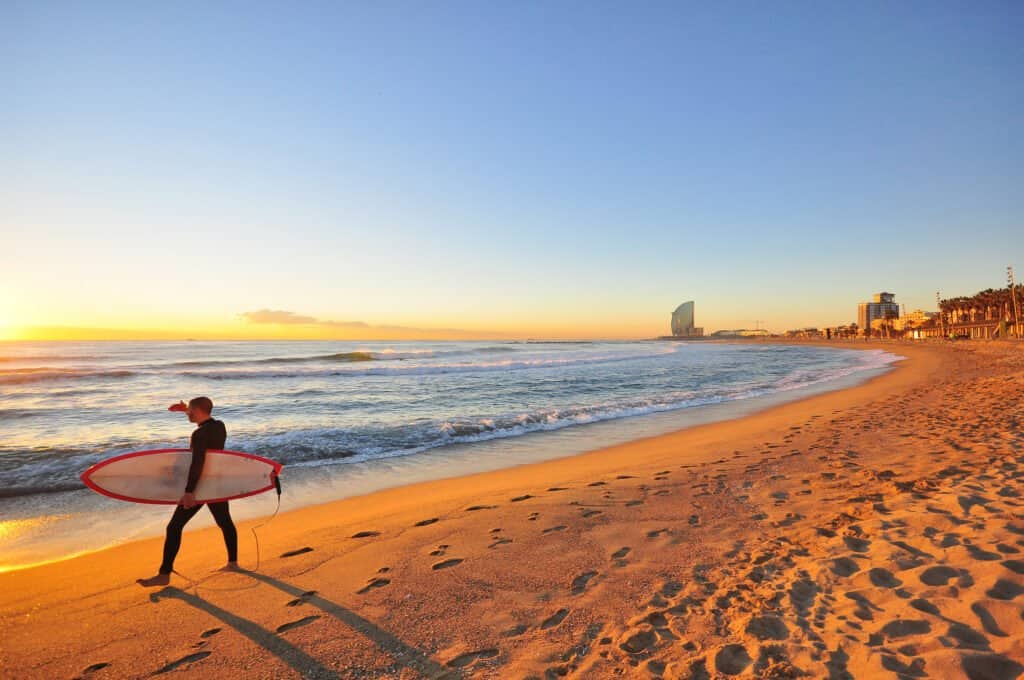
Barceloneta Beach
Places to eat or drink near Las Ramblas



More places in Barcelona

Sagardi BCN Centre

Orient Express Cocktail Bar

Xurreria Trebol
