Posted by bazartravelsAdmin
Montazah Gardens Overview
Montazah Gardens sprawls across 150 acres along Alexandria's northeastern coast, combining manicured palace grounds with Mediterranean shoreline. The estate centers on Montazah Palace, a royal residence built in 1892 that sits elevated above the water, making it one of Egypt's most recognizable coastal landmarks. The gardens themselves blend formal European design with native Mediterranean plantings, creating a landscape that feels both ornate and surprisingly accessible to visitors. Most people spend two to three hours here, though the space rewards a longer, slower exploration if you have the time.
Why This Place Matters
Montazah Gardens represents a specific moment in Egyptian history when Alexandria was the country's cosmopolitan center. The palace was commissioned during the reign of Khedive Abbas II, when Egypt's elite built elaborate retreats along this coast. The gardens remain one of the few large green spaces in Alexandria open to the public, and they offer a genuine escape from the city's dense neighborhoods. For many visitors, Montazah is where Alexandria reveals itself as a Mediterranean city rather than merely an Egyptian one.
Quick Facts
- Size: 150 acres of gardens and palace grounds
- Palace construction: 1892
- Open daily from early morning until dusk (hours vary seasonally)
- Entry is ticketed; most visitors purchase general admission to the gardens
- The palace itself is closed to regular tourists, though its exterior and surrounding grounds are freely explored within the gardens
- Beach access included with garden admission
- Best visited on weekdays; weekends draw significant local crowds
Getting There
Montazah Gardens sits about 15 kilometers east of Alexandria's city center, roughly a 30 to 40 minute drive depending on traffic. If you're using a taxi or ride-sharing app, provide the driver with the address in Arabic or show them the location on your phone's map. The gardens have a dedicated entrance gate on the coastal road. Public microbuses do serve this area, but routes and stops shift frequently. The easiest approach for most visitors is arranging transport directly rather than relying on public transit unless you're comfortable navigating local bus systems.
The Layout and Experience
You enter through a main gate that opens onto manicured lawns leading toward the palace. The grounds descend gradually toward the shoreline, with pathways branching in multiple directions. Some lead through formal garden sections with planted borders and shade trees. Others veer toward the water's edge, where you'll find small beaches and rocky areas good for sitting and watching the Mediterranean.
The palace itself dominates the upper grounds visually but remains cordoned off. Its pale stone and ornate architecture are best appreciated from the gardens below or from the terraces nearby. Walking around the palace perimeter takes perhaps 20 minutes at a relaxed pace.
The grounds feel quite open and exposed in some sections, particularly the upper lawns, so afternoon sun can be intense. Shade clusters form where mature trees have been planted, and these spots fill quickly on hot days. The lowest sections near the beach offer more natural shelter from vegetation and the water itself.
Main Highlights
The palace exterior is the obvious focal point. Its architecture blends Ottoman and European influences, with decorative stonework and a distinctive silhouette that changes depending on your viewing angle. The terraces immediately adjacent to the palace offer the clearest vistas of both the building and the coast beyond.
The beaches within the gardens are small but functional. They're far less crowded than Alexandria's public beaches, and admission to the gardens grants you access. The water quality tends to be reasonable, and a few shaded spots near the shoreline make them pleasant for an afternoon swim if you've brought suitable clothing.
The gardens themselves reward wandering. Sections planted with flowering shrubs bloom seasonally, and the mix of formal design with natural Mediterranean vegetation creates visual interest throughout. The upper lawns offer unobstructed views toward the water. If you're interested in landscape design or how formal gardens adapt to Mediterranean climates, you'll find plenty to observe.
History and Background
Khedive Abbas II commissioned Montazah Palace in 1892 as a royal retreat during a period when Alexandria hosted Egypt's wealthiest families and foreign residents. The palace was designed to showcase modern European aesthetics while asserting Egyptian royal authority. The surrounding gardens were developed as part of the same vision, creating a private sanctuary for the royal family.
The estate changed hands and purposes several times through the 20th century. After Egypt's 1952 revolution, the palace became state property. By the 1970s, the gardens opened to the public, transforming a private royal estate into one of Alexandria's most visited attractions. This transition is visible in the grounds themselves: the formal plantings remain, but the space now accommodates thousands of daily visitors rather than serving a single family.
Tickets and Entry
General admission to the gardens is inexpensive and is typically paid at the entrance gate. Most visitors purchase a single ticket that grants access to all garden areas and beach sections. The palace interior is not open to tourists. If you want to photograph the palace or spend extended time in specific areas, no additional fees apply.
Children often enter at reduced rates. Group discounts may be available if you're visiting as a larger party, though these are worth confirming at the gate rather than assuming.
Best Time to Visit
October through April offers the most comfortable weather for walking the grounds. Summer heat, particularly July and August, can be intense on the open lawns. Winter months are mild and ideal for a full exploration of the estate.
Weekdays are significantly quieter than weekends. If you want to experience the gardens without crowds, arrive on a Tuesday or Wednesday morning. Friday and Saturday afternoons draw families from across Alexandria, which can make certain sections feel congested.
Late afternoon visits, around 4 or 5 PM, offer good light for photography and tend to be less crowded than midday. The gardens stay open until dusk, and the light near sunset can be particularly appealing if you're interested in photography.
Photography Tips
The palace is most photogenic from the middle terraces looking upward, where you capture both the building and landscaping in a single frame. Early morning light from the east side of the grounds creates strong shadows that emphasize the palace's architectural details.
The coastal views work best from the lower sections near the beach, particularly if you include some of the native vegetation in the foreground. The water changes color dramatically depending on light and time of day, so revisiting the same spot at different times can yield very different images.
The formal garden sections photograph well in overcast conditions, when the lack of harsh shadows shows off the plantings more clearly. If you visit during flowering season, these areas offer concentrated color and pattern.
Facilities and Preparation
Restrooms are available near the main entrance and in a few locations throughout the gardens. They're functional but basic. Water fountains exist, though it's wise to bring your own water bottle, particularly in warm months.
There are a few small cafes and snack stands scattered through the grounds, but their menus tend toward simple offerings. If you plan to spend several hours here, bringing snacks is practical. Shaded seating areas are distributed throughout, but they fill quickly during peak hours.
Wear comfortable walking shoes with good support. The paths are paved or well-maintained, but you'll cover significant distance if you explore thoroughly. Sun protection is essential year-round in Alexandria. Bring a hat, sunglasses, and sunscreen.
How It Compares to Similar Places
Montazah Gardens is larger and more formal than most neighborhood parks in Alexandria, but less manicured and crowded than comparable palace gardens in places like Istanbul or Beirut. The combination of palace, gardens, and beach access in a single ticket is relatively unusual in Egypt. Unlike some historical estates that function primarily as museums, Montazah remains a functioning public garden where locals come to relax, making it feel less like a frozen historical artifact and more like an active community space.
Combining with Nearby Attractions
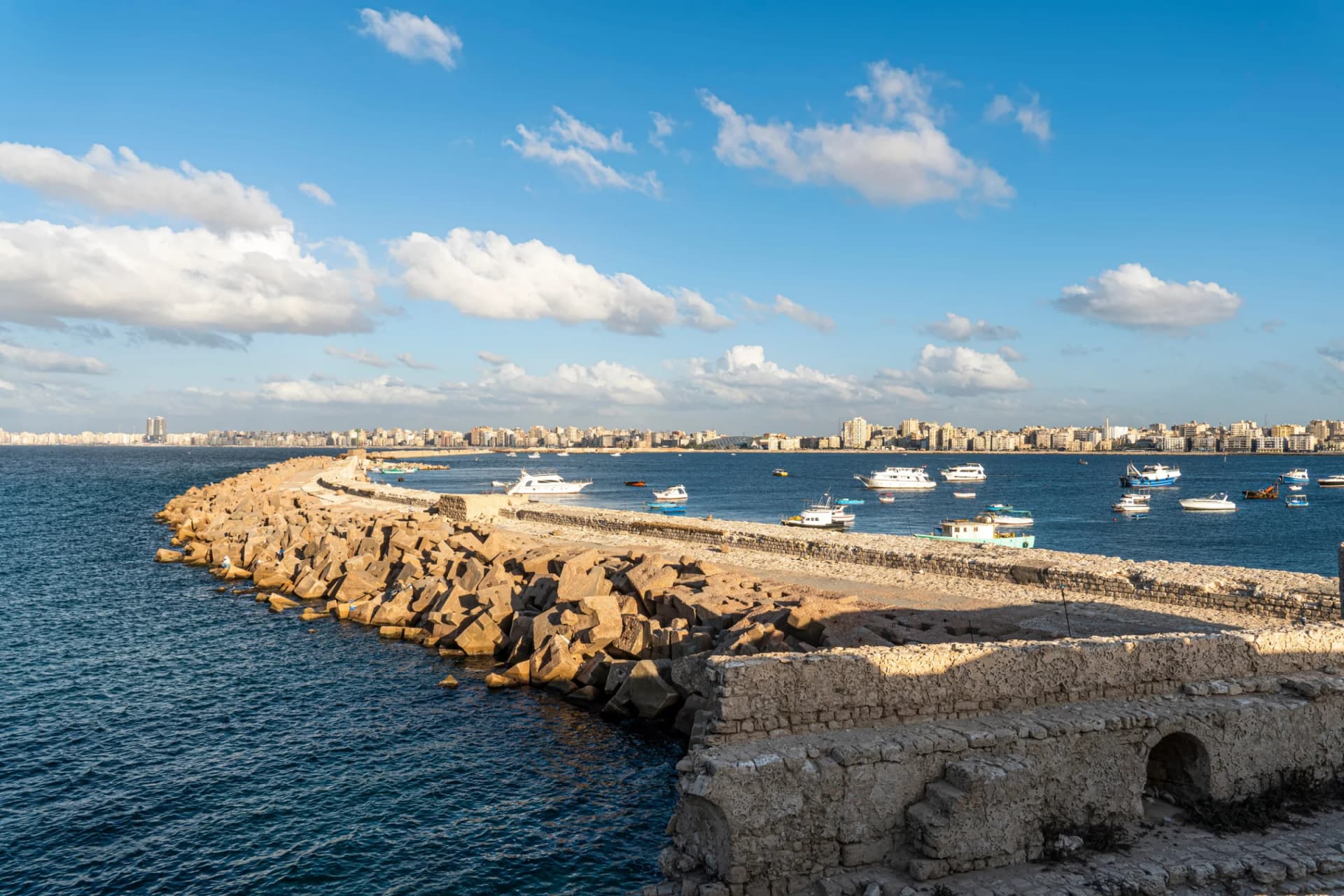
Montazah sits relatively far from Alexandria's downtown attractions, so most visitors either dedicate a half day to the gardens alone or combine them with other eastern coastal sites. The Citadel of Qaitbay, located about 15 kilometers west toward the city center, is the most famous nearby landmark and can be paired with Montazah as part of a longer Alexandria itinerary. The drive between the two takes 30 to 40 minutes depending on traffic.
If you're staying in the Montaza neighborhood itself, the gardens naturally become your primary activity. The area around the gardens has smaller cafes and shops but lacks the concentrated attractions of downtown Alexandria. Most visitors base themselves in the city center and travel out to Montazah as a day excursion.
Sample Visit Plan
Arrive at the gardens by mid-morning if you want to avoid the strongest afternoon sun and encounter smaller crowds. Spend 30 to 45 minutes on the upper terraces around the palace, taking time to photograph or sketch the building and absorb the landscaping. Move downward through the formal garden sections, pausing in shaded areas. Allocate 45 minutes to an hour for the middle sections where you can walk the perimeter and explore different plantings.
By late morning or early afternoon, head to the beach areas for the remainder of your visit. If weather permits and you've brought appropriate clothing, spend time in the water. Otherwise, find a shaded spot near the shoreline and rest. Wrap up your visit by late afternoon to avoid the rush of evening visitors and to catch good light if you're interested in photography.
Practical Tips
- Bring far more water than you think you'll need, particularly in warm months
- Wear shoes suitable for walking several kilometers across varied terrain
- Visit on a weekday if possible to experience the gardens without crowds
- The palace is not open to the public, but viewing it from the gardens is the main draw
- Beach access is included with garden admission, but facilities for changing are minimal
- Arrive by early afternoon at the latest if you want to spend significant time before dusk
- Locals often congregate in specific shaded areas; these spots are fine to share but may feel crowded
FAQ
Can you go inside the palace? No. The palace exterior is visible from the gardens, but the interior is not open to tourists. Most visitors spend their time in the surrounding grounds and beach areas.
Is swimming allowed? Yes. The beaches within the gardens are open to swimmers. Facilities for changing are limited, so plan accordingly.
How long should I plan to spend here? Most visitors spend two to three hours. You can see the palace and walk the main paths in 90 minutes, but a more leisurely exploration takes longer.
Is it crowded? Weekdays are quiet, particularly weekday mornings. Weekends and Friday afternoons draw significant local crowds. Late afternoon visits tend to be less busy than midday.
What's the best time of year to visit? October through April offers the most comfortable weather. Summer heat can be intense on the open lawns. Winter is mild and ideal for extended walking.
Montazah Gardens offers a genuinely different experience within Alexandria. The combination of formal landscape design, a striking royal palace, and Mediterranean shoreline access creates a space that feels distinct from the rest of the city. Most visitors find the gardens worth the journey from downtown, particularly if you're interested in late 19th century architecture, landscape history, or simply want a green space and beach access in one location. The gardens work equally well as a half day excursion or as a longer, leisurely afternoon visit depending on your pace and interests.
Reviews
Sign in and mark this place visited to leave a review.
No reviews yet.
Free Trip Planner
Plan your Alexandria trip with our free planner
Build a day-by-day itinerary with AI suggestions, hand-picked places, and friends. Free forever — no credit card.
Things to see near Montazah Gardens

Catacombs of Kom el Shoqafa

Pompey’s Pillar
Ancient Roman Amphitheater