Royal Jewelry Museum
21 Ahmed Yehia Street Zizinia, Alexandria 21599 Egypt Posted by bazartravelsAdmin
Overview
The Royal Jewelry Museum in Alexandria occupies a palace that once belonged to Egypt's royal family, making it one of the city's most distinctive cultural institutions. Located on Ahmed Yehia Street in the Zizinia neighborhood, the museum houses an extraordinary collection of royal jewelry, decorative arts, and personal artifacts spanning centuries of Egyptian royal history. Walking through these rooms means stepping into the private world of kings and queens who shaped modern Egypt.
What sets this museum apart is not just the objects themselves but the setting. The palace architecture, the scale of the collection, and the intimate nature of the displays create an experience that feels more like touring a royal residence than visiting a conventional museum.
Why this place matters
Egypt's royal jewelry collection represents some of the finest craftsmanship of the 19th and 20th centuries. The pieces on display offer insight into the tastes, wealth, and cultural values of the dynasty that ruled Egypt during a pivotal period in the nation's modern history. Many items were commissioned from international jewelers or created by master craftsmen working in Egypt, blending European design with local artistry.
The museum also serves as a window into the domestic life of the royal court. Beyond the glittering pieces, you'll encounter furniture, clothing, and everyday objects that reveal how this elite family actually lived. For anyone interested in Egyptian history, royal collections, or decorative arts, the museum provides context that textbooks cannot.
Quick facts
- Address: 21 Ahmed Yehia Street, Zizinia, Alexandria
- The building is a palace constructed in the late 19th century
- The collection includes thousands of pieces of royal jewelry and decorative objects
- Located in a residential neighborhood about 15 minutes by car from downtown Alexandria
- The museum operates with general admission tickets; no advance booking required for most visitors
Getting there
The museum sits in the Zizinia neighborhood, a quieter residential area west of central Alexandria. If you're staying near the Corniche or in downtown Alexandria, a taxi or ride-share will take roughly 15 to 20 minutes depending on traffic. The street address is clear, and drivers familiar with the area will know it.
Public transportation to this exact location can be tricky. Buses serve the broader neighborhood, but you may need to ask the driver to confirm they pass Ahmed Yehia Street or nearby landmarks. Walking from the nearest major intersection is feasible if you don't mind navigating residential streets, though having the address written in Arabic on your phone will help if you need to ask locals for directions.
Parking near the museum exists but can be limited, especially during peak hours. If you're driving yourself or hiring a private driver for the day, arrive earlier in the afternoon rather than late morning when other visitors tend to concentrate.
The layout and experience
The palace is organized across multiple floors, with different rooms devoted to specific categories of objects or periods. The ground floor typically features some of the most impressive pieces and serves as the main exhibition space. Upper floors contain additional galleries, many of them intimate rooms that preserve the palace's original character.
The presentation style is more traditional than modern. Display cases are arranged to showcase the objects, but the museum does not rely heavily on interactive elements or multimedia. This means your experience depends largely on how much you already know about Egyptian royal history or how willing you are to read the labels provided.
Rooms flow into one another naturally, following the palace's original layout. You move at your own pace through galleries dedicated to jewelry, royal dress, personal accessories, and furnishings. The scale is manageable. Most visitors spend between 90 minutes and three hours exploring, depending on how closely they examine individual pieces.
Main highlights
The jewelry collection is the undisputed centerpiece. You'll see ornate necklaces, bracelets, tiaras, and brooches crafted from gold, silver, and precious stones. Many pieces date from the late 1800s and early 1900s, when European jewelry design trends were at their height and royal families commissioned works from renowned craftsmen. The detail work on these pieces is extraordinary if you look closely.
Beyond jewelry, the museum displays royal regalia and ceremonial objects. Crowns, swords, and official ornaments give a sense of the pomp and formality that surrounded the royal court. You'll also encounter personal items: watches, fans, perfume bottles, and grooming accessories that humanize the otherwise distant world of royalty.
The palace rooms themselves deserve attention. Original furnishings, wall treatments, and architectural details remain intact in many galleries. If you're interested in early 20th-century interior design or Egyptian palace aesthetics, the building is as much a highlight as the objects within it.
History and background
The palace was constructed in the late 19th century as a private residence for a member of Egypt's royal family. It reflects the architectural tastes of that era, when European styles were adapted for Alexandria's Mediterranean setting. The building later became a repository for royal collections, eventually opening to the public as a museum.
The jewelry and artifacts on display were accumulated over generations. Some pieces were gifts from other royal families or dignitaries. Others were commissioned specifically for ceremonies, state visits, or personal use. The collection captures a moment in Egyptian history when the country was rapidly modernizing and the royal court was a center of cultural and political power.
The museum itself is relatively small compared to major national institutions, which actually works in its favor. The intimate scale allows the collection to feel personal rather than overwhelming.
Tickets and entry
The museum charges a general admission fee for entry. Tickets are available at the entrance; you do not typically need to book in advance unless you're part of a large group. The ticket tier is mid-range compared to other Alexandria attractions.
Guided tours in English or other languages can usually be arranged, though availability depends on staffing. If you speak Arabic or travel with a guide who does, that person may be able to provide additional context about specific pieces. Photography policies should be confirmed at the entrance, as rules can vary.
Best time to visit
Alexandria's climate is Mediterranean, meaning summers are hot and crowded with tourists. Late autumn through early spring offers more comfortable temperatures and fewer visitors. If you visit during peak summer months, go early in the morning when the palace is coolest and crowds are thinnest.
Weekdays tend to be quieter than weekends. If your schedule allows, visiting on a Tuesday or Wednesday morning will give you a more peaceful experience and better opportunity to study individual pieces without jostling crowds.
The museum closes on certain public holidays, so check ahead if you're visiting during major Egyptian celebrations or religious observances.
Photography tips
Confirm the photography policy before you enter. If photography is permitted, the palace's original lighting and architectural details create interesting compositional opportunities. The jewelry itself presents challenges because of reflective surfaces and display case glass, so patient positioning and avoiding flash will yield better results.
The palace interiors, with their period furnishings and wall treatments, often photograph better than the individual objects. Wide shots of rooms and detail shots of architectural elements can convey the grandeur and atmosphere more effectively than close-ups of jewelry through glass.
Facilities and preparation
The museum is housed in a historic palace, not a modern facility. Expect stairs between floors and limited modern amenities. There is typically a small shop near the entrance where you can purchase postcards or small souvenirs. A cafe or refreshment area may be available, but do not count on it. Bring water if you plan to spend more than an hour inside.
Wear comfortable walking shoes. The palace has polished floors and multiple levels, and you'll be moving between rooms for at least 90 minutes. If you have mobility issues, inquire about elevator access when you arrive.
The palace can feel cool inside, even on hot days, due to thick walls and limited air conditioning. A light layer might be appreciated, especially if you're visiting in summer.
How it compares to similar places
If you've visited royal palaces or jewelry museums elsewhere, this collection will feel familiar in some ways. The craftsmanship is comparable to what you'd see in European royal collections, though the pieces reflect Egyptian and Mediterranean design sensibilities. The scale is smaller and more intimate than major national museums, which means the experience feels less grand but more accessible.
What distinguishes this museum is the setting. You're not just looking at objects in a sterile modern gallery. You're moving through the actual rooms where these items were displayed and used, which adds a layer of context and atmosphere that reproduction or relocated collections cannot match.
Combining with nearby attractions
The Royal Jewelry Museum works well as part of a broader Alexandria itinerary. The Zizinia neighborhood is relatively quiet, so you won't stumble onto other major attractions while exploring the immediate area. However, the museum is accessible from central Alexandria, where you can visit the Bibliotheca Alexandrina, the Citadel of Qaitbay, or the Alexandria National Museum within the same day if you plan your route efficiently.
If you're interested in royal history and decorative arts, pair this museum with a walk through the old city's historic neighborhoods or a visit to other Alexandria palaces that remain standing. The city has several notable 19th-century buildings that reflect the same era and aesthetic.
Sample visit plan
Arrive at the museum by mid-morning to beat afternoon crowds. Spend 30 to 45 minutes on the ground floor, focusing on the jewelry collection and main galleries. Move to upper floors for 30 to 40 minutes, exploring additional pieces and taking in the palace architecture. If you're particularly interested in a specific period or object type, allow extra time to linger. Plan to finish by early afternoon, leaving time for lunch in a nearby restaurant or return to central Alexandria for other activities.
Practical tips
- Bring a notebook if you want to jot down details about specific pieces. Labels provide information, but having your own notes helps organize impressions.
- If you don't read Arabic, the English labels on displays are essential. Read them carefully to understand context and provenance.
- Consider visiting on a weekday morning for the quietest experience and best viewing conditions.
- Ask staff about any rotating exhibitions or special displays when you arrive. The museum sometimes features pieces that are not permanently on view.
- Allow extra time if you want to photograph the palace interiors or specific objects. This will require patience and good positioning.
- Bring enough cash for admission and any purchases, as card payment may not be widely available.
FAQ
How long does a typical visit take? Most visitors spend 90 minutes to three hours depending on interest level and pace. You can move through quickly in an hour or spend half a day if you study each piece carefully.
Is the museum accessible for visitors with mobility issues? The palace has stairs between floors and no elevator is guaranteed. Contact the museum in advance to ask about accessibility options or alternative routes.
Can I take photographs inside? Photography policies vary. Confirm at the entrance before you begin exploring. Flash is typically not permitted if photography is allowed.
Is there a gift shop or cafe? A small shop near the entrance sells postcards and basic souvenirs. A cafe may be available but is not guaranteed. Bring water to be safe.
Do I need to book tickets in advance? General admission tickets are usually available at the door without advance booking. Groups should arrange in advance to ensure staff availability for tours or accommodations.
Reviews
Sign in and mark this place visited to leave a review.
No reviews yet.
Free Trip Planner
Plan your Alexandria trip with our free planner
Build a day-by-day itinerary with AI suggestions, hand-picked places, and friends. Free forever — no credit card.
Things to see near Royal Jewelry Museum

Catacombs of Kom el Shoqafa

Pompey’s Pillar
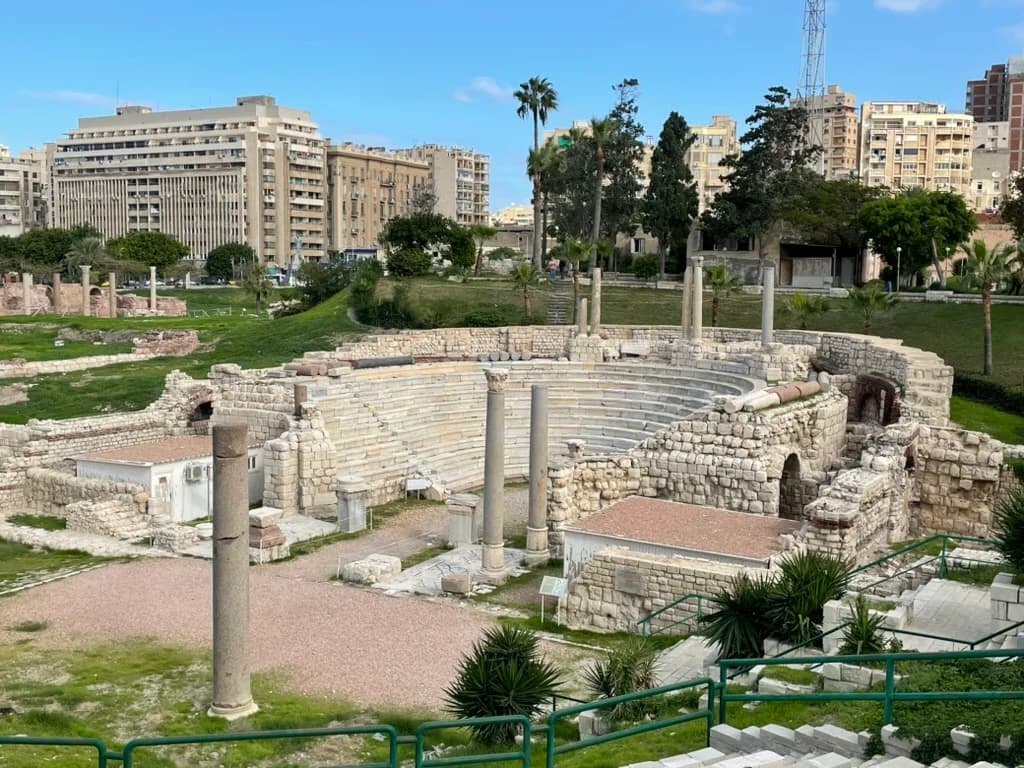
Ancient Roman Amphitheater