
NepalSports and AdventureDestinations
Three Himalayan Circuit Treks in Nepal: Manaslu, Annapurna and Kanchenjunga
By
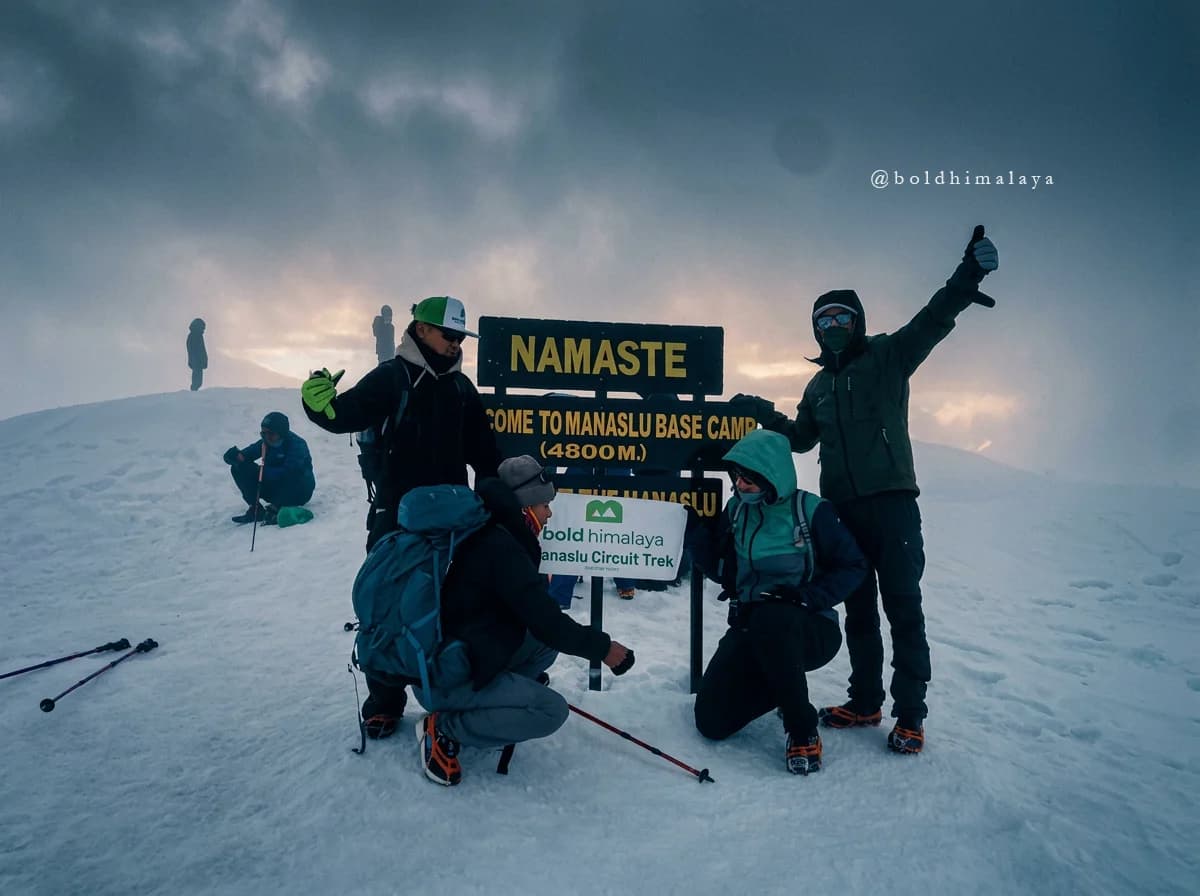
Three Himalayan Circuit Treks in Nepal: Manaslu, Annapurna and Kanchenjunga
Nepal has no shortage of trekking routes, but the experience can be very different from one part of the country to another. A few days on the trail can take you from green valleys and farming villages to high mountain passes and quiet alpine landscapes. Among the many choices, Manaslu, Annapurna and Kanchenjunga stand out for very different reasons.
All three involve high-altitude walking, but they do not feel the same. Manaslu is quieter and has a strong Tibetan influence, Annapurna is known for its changing scenery and better-developed facilities, while Kanchenjunga takes trekkers into one of the more remote parts of eastern Nepal. Looking at these differences can make it easier to decide which route fits your plans.
Manaslu, Annapurna or Kanchenjunga: A Quick Comparison
Feature | Manaslu Circuit | Annapurna Circuit | Kanchenjunga Circuit |
|---|---|---|---|
Region | Central Nepal | Central/North-central Nepal | Eastern Nepal |
Typical duration | Around 13 days | Around 12–16 days | Around 19 days |
Highest point | Larkya La – 5,106 m | Thorong La – 5,416 m | Pangpema – about 5,143 m |
Main attraction | Mountain villages and Tibetan culture | Changing scenery and diverse communities | Wilderness and Kanchenjunga views |
Infrastructure | Moderate | More developed | Limited |
Overall feel | Quieter and less crowded | Established and varied | Remote and demanding |
The exact duration depends on the itinerary, transportation and acclimatization schedule, so these figures are best treated as a general guide rather than fixed trek lengths.
Manaslu Circuit Trek: Quiet Villages and High Mountain Scenery
The Manaslu Circuit Trek begins in the lower Budhi Gandaki Valley and gradually climbs toward the high settlements of the Nubri region. The early trail passes through forests, rivers and suspension bridges before the landscape becomes drier and more alpine at higher elevations. The route eventually reaches Larkya La Pass at 5,106 meters, with most itineraries taking around two weeks or less depending on the schedule.

The villages are a major part of the experience. Around Namrung, Samagaun and Samdo, Tibetan influence can be seen in monasteries, prayer flags, mani walls and traditional stone houses. Samagaun is also commonly used for acclimatization, with Birendra Lake and several short hikes nearby.
Crossing Larkya La is generally the most demanding section of the circuit. Trekkers usually start early to make the pass before weather conditions change, followed by a long descent. The combination of altitude, cold temperatures and a full day on the trail makes proper acclimatization particularly important.
Annapurna Circuit: A Lot of Variety in One Trek
The Annapurna Circuit has been popular with trekkers for decades, largely because the scenery changes so much along the way. The lower sections pass through green hills, forests and villages before the landscape becomes more rugged around the higher valleys. As the route climbs toward Thorong La, the surroundings become increasingly dry and mountainous.
The Annapurna Circuit Trek reaches Thorong La at 5,416 meters before descending toward Muktinath and the Kali Gandaki Valley. Along the route, trekkers encounter communities associated with Gurung, Manang and Thakali traditions, while mountain views can include Annapurna, Dhaulagiri, Gangapurna and Nilgiri.

Infrastructure is another major difference. Annapurna has a well-established network of teahouses, villages and road connections on parts of the route. This can make logistics simpler than on more remote circuits, although the high altitude and Thorong La crossing still require good preparation and a sensible acclimatization schedule.
Kanchenjunga Circuit: Farther Into Eastern Nepal
The Kanchenjunga region feels quite different from Nepal's more established trekking areas. Located in eastern Nepal near the Indian border, it receives fewer visitors and takes considerably more time to explore. The trek heads toward Mount Kanchenjunga, which rises to 8,586 meters and is the world's third-highest mountain.
The scenery changes gradually as the trail climbs from forests of rhododendron, bamboo and pine into alpine meadows, rocky valleys and glacial terrain. The northern section reaches Pangpema at around 5,143 meters, while other sections include high passes such as Sele La, Mirgin La and Sinelapche La.

The Kanchenjunga Circuit Trek also offers a strong cultural side, passing through areas inhabited by Rai, Limbu, Sherpa and other mountain communities. Facilities are more limited than on the Annapurna Circuit, so trekkers need to plan carefully for accommodation, food, permits and the longer approach to the region.
Which Trek Is More Difficult?
None of these routes should be treated as an easy walk. All three reach high elevations, and the combination of altitude, long walking days and changing weather can make sections physically demanding. Annapurna has the highest pass at 5,416 meters, while Manaslu reaches 5,106 meters at Larkya La. Kanchenjunga has several high sections spread across a much longer itinerary.
Fitness is important, but altitude is something every trekker needs to respect. A gradual ascent, sensible itinerary and enough time for acclimatization are just as important as being able to walk long distances. Previous high-altitude experience can also help, particularly on the longer and more remote routes.
When Is the Best Time to Go?
Spring and autumn are generally the most popular trekking seasons across these regions. March to May brings warmer temperatures and blooming rhododendrons, while September to November is often favored for clearer skies and good mountain visibility.
Conditions at higher elevations can change quickly even during the main trekking seasons. Snow, wind and cold temperatures are always possible, so suitable clothing, good equipment and proper preparation remain important regardless of when you travel.
Which Himalayan Circuit Is Right for You?
If you prefer quieter trails, traditional mountain villages and a challenging high pass, Manaslu offers a combination of scenery and culture without the same level of traffic found on some of Nepal's more established routes. Annapurna offers more variety in landscapes and communities, along with easier access to accommodation and other facilities.
Kanchenjunga is better suited to trekkers who have more time and want to explore a less-developed trekking region. The journey takes longer, facilities are more limited and the route requires more planning. Your available time, previous trekking experience, budget and comfort with high altitude are all worth considering before making a choice.
Three Treks, Three Different Sides of Nepal
Manaslu, Annapurna and Kanchenjunga all lead into the Himalayas, but each reveals a different side of Nepal. Manaslu brings together high mountain scenery and Tibetan-influenced villages, Annapurna combines changing landscapes with a well-established trekking network, and Kanchenjunga takes trekkers into a quieter corner of eastern Nepal.
The most memorable part may not always be reaching the highest point. It could be sitting down for tea in a small village, walking through the mountains early in the morning or watching the weather move across the valley. Those simple moments are often what stay with trekkers long after the journey is over.