
Beyond the Classic Annapurna Circuit: Exploring Tilicho Lake
By
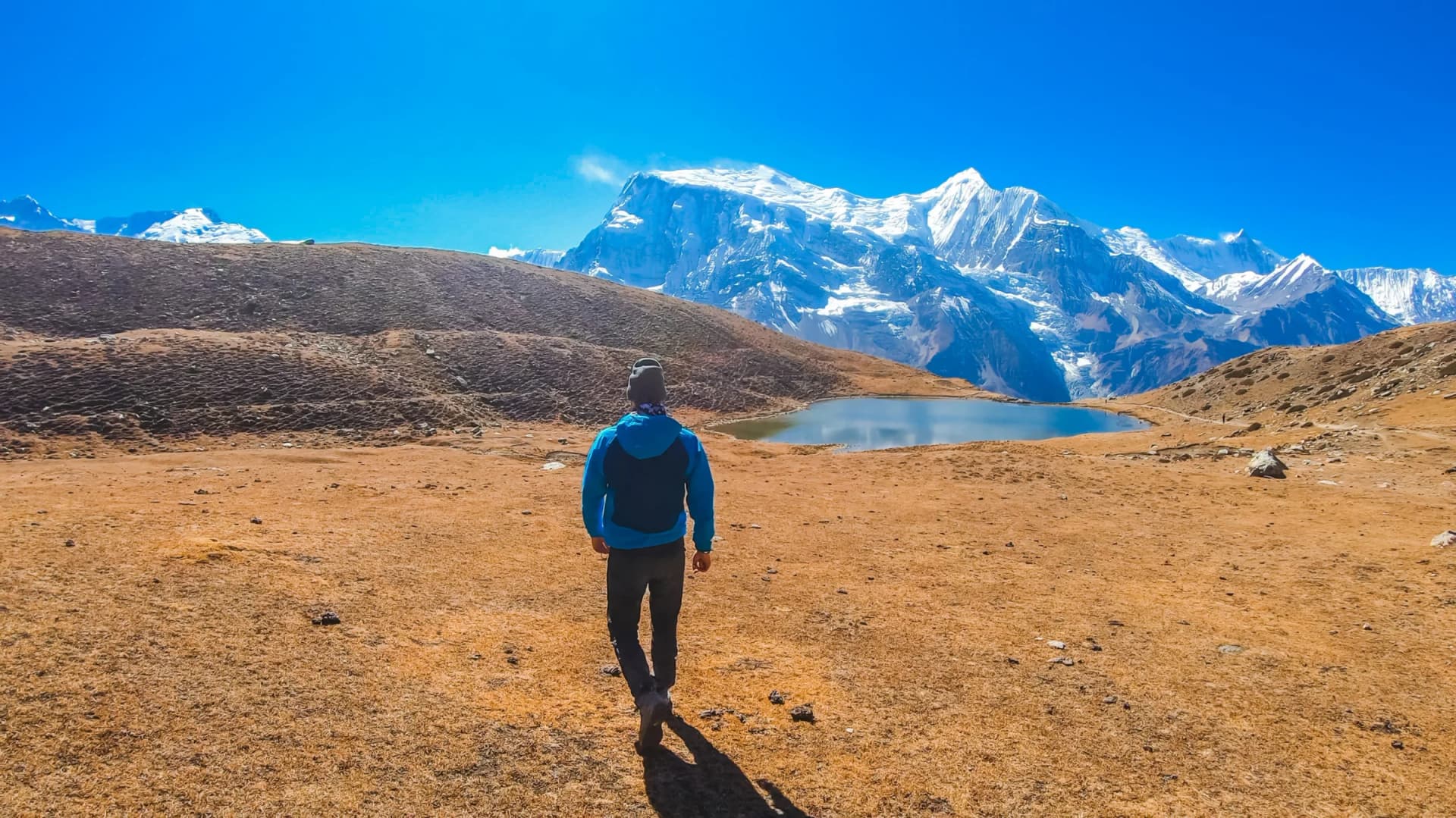
The Annapurna Circuit is one of Nepal's most rewarding Himalayan trekking routes. It passes through traditional villages, deep valleys and dramatic mountain landscapes. Trekkers seeking more than the classic route can extend their journey to Tilicho Lake. The Annapurna Circuit Trek with Tilicho Lake combines the traditional circuit with a visit to one of the world's highest alpine lakes. Located at approximately 4,920 metres, Tilicho Lake offers spectacular mountain views and a challenging high-altitude experience. The detour requires additional time and physical effort. However, it rewards trekkers with a closer look at the remote landscapes of the Annapurna region.
What Makes Tilicho Lake Different from the Classic Annapurna Circuit?
Tilicho Lake lies in Nepal's Manang District at approximately 4,920 metres. Surrounded by rugged mountain slopes, it is a remarkable natural attraction in the Annapurna region.
The classic Annapurna Circuit passes through green valleys, pine forests and dry mountain terrain. The Tilicho extension takes trekkers beyond the main route into a remote alpine environment.
Its main attractions include:
High-altitude scenery: The lake sits at approximately 4,920 metres.
Glacial landscapes: Rocky slopes and snow-covered peaks surround the upper trail.
Remote settlements: The detour passes through quieter mountain villages.
Additional adventure: Steep ascents and exposed trails increase the trekking challenge.
The classic circuit focuses on the Annapurna massif and Thorong La Pass. The Tilicho extension adds another high-altitude destination before trekkers rejoin the main route.
Where Does the Tilicho Lake Route Begin?
The Tilicho Lake route branches from the Annapurna Circuit near Manang. It continues through Khangsar and Siri Kharka towards Tilicho Base Camp. Manang provides an important acclimatization stop before the ascent.
The approach follows the Marsyangdi Valley before turning towards the Tilicho region.
The main route includes:
Manang (3,540 m): An important mountain settlement and acclimatization stop.
Khangsar: A traditional village surrounded by rugged mountain scenery.
Siri Kharka: A mountain settlement along the route to Tilicho Base Camp.
Tilicho Base Camp (approximately 4,150 m): The main overnight stop before the final ascent.
Tilicho Lake (approximately 4,920 m): The destination, reached through a steep mountain trail.
The approach includes exposed and landslide-prone sections. Rain, snow and rockfall can affect trail conditions. Check local trail information before departure.
What to Expect Along the Tilicho Lake Trek?
The Tilicho Lake trek combines mountain villages, cultural experiences and dramatic landscapes. The journey also offers opportunities to explore the natural environment of the Annapurna region.
Mountain Villages and Cultural Experiences
Villages around Manang offer insight into traditional Himalayan lifestyles. Stone houses, monasteries and prayer flags reflect the region's Tibetan cultural influences.
Manang is an important settlement along the Annapurna Circuit. Trekkers can explore the village, visit tea houses and experience local mountain culture.
Khangsar offers another perspective on life in the upper Manang Valley. Its traditional architecture and remote setting make it an interesting stop.
Tea houses provide accommodation and meals along much of the route. Facilities become more basic closer to the lake.
Dramatic Himalayan Landscapes
The scenery changes as the trail moves farther from Manang. Lower sections feature open valleys and mountain settlements. Higher sections become increasingly rocky and exposed.
Trekkers can expect:
Panoramic views across the Marsyangdi Valley.
Dry alpine landscapes and rugged mountain slopes.
Snow-covered peaks along the upper trail.
Glacial terrain and dramatic mountain formations.
Views of the surrounding mountains from Tilicho Lake.
These landscapes attract photographers and trekkers seeking high-altitude scenery.
The Tilicho Lake Experience
Reaching Tilicho Lake is the main highlight of the extension. Its setting beneath steep Himalayan slopes creates a striking mountain landscape.
The final approach involves a demanding ascent through thin mountain air. Strong winds, freezing temperatures and poor visibility can affect conditions.
Start early when conditions permit and maintain a steady pace. Follow local trail advice throughout the journey. Avoid leaving waste around the lake.
How Difficult Is the Tilicho Lake Detour?
The Tilicho Lake detour is challenging because of its elevation, steep trails and exposed sections. Trekkers need good fitness, endurance and proper acclimatization.
The route does not require technical climbing skills. However, some sections demand careful walking. The trail between Siri Kharka and Tilicho Base Camp includes exposed terrain and loose rocks.
The main challenges include:
High altitude: Reaching 4,920 metres increases the risk of altitude sickness.
Steep terrain: The ascent requires sustained physical effort.
Loose rocks: Exposed and landslide-prone sections require caution.
Changing weather: Snow, wind and cold temperatures affect trail conditions.
Additional walking days: The detour requires more time and energy.
Previous multi-day trekking experience can be helpful. Physical preparation and a suitable itinerary remain important for every trekker.
Altitude and Acclimatization: Preparing for 4,920 Metres
Altitude is a major consideration when visiting Tilicho Lake. At approximately 4,920 metres, reduced oxygen availability increases the risk of acute mountain sickness (AMS).
Manang provides an important opportunity to acclimatize. Trekkers should adjust to the elevation before continuing towards Khangsar and Tilicho Base Camp.
Follow these acclimatization practices:
Allow enough time to rest in Manang.
Follow a gradual ascent schedule.
Drink enough fluids and maintain regular meals.
Avoid excessive physical exertion during acclimatization.
Monitor headaches, nausea, dizziness and unusual fatigue.
Never continue ascending when experiencing symptoms of altitude sickness. Descend if symptoms develop or worsen. Confusion, difficulty walking and breathlessness at rest require urgent descent and medical assistance.
A suitable itinerary should prioritize acclimatization over reaching the lake quickly.
Best Time to Explore Tilicho Lake
Spring and autumn are generally the preferred seasons for visiting Tilicho Lake. Both often offer favorable trekking conditions and better mountain visibility. However, weather near 5,000 metres can change quickly.
Season | Trekking conditions |
|---|---|
Spring (March–May) | Favorable weather and improving temperatures. Snow may remain on higher trails. |
Summer/Monsoon (June–August) | Rain, cloud cover and landslides can disrupt the route. |
Autumn (September–November) | Often brings stable weather and clearer mountain views. |
Winter (December–February) | Cold temperatures, snowfall and possible route closures increase difficulty. |
October and November are popular months for trekking in the Annapurna region. Spring also offers favorable opportunities as winter conditions gradually ease.
Check weather forecasts and local trail reports before starting the Tilicho Lake section.
Combining Tilicho Lake with Thorong La Pass
Adding Tilicho Lake allows trekkers to experience two major high-altitude destinations. Both provide different perspectives on the Annapurna region.
After visiting the lake, trekkers generally retrace their route or follow the connecting trail towards Yak Kharka. They then rejoin the main circuit and continue towards Thorong Phedi.
Thorong La Pass reaches 5,416 metres, making it the highest point of the classic Annapurna Circuit. The crossing is physically demanding. Trekkers usually start early to take advantage of more favorable conditions.
The trail descends towards Muktinath after crossing the pass. This important pilgrimage destination attracts both Hindu and Buddhist visitors.
Combining these destinations offers several experiences:
Visiting Tilicho Lake at approximately 4,920 metres.
Exploring traditional settlements around Manang.
Walking through the rugged Annapurna landscape.
Crossing Thorong La Pass at 5,416 metres.
Descending towards the culturally significant Muktinath area.
This combination creates an extensive Himalayan adventure. Allow enough time for acclimatization, rest and unexpected weather delays.
Essential Preparation for the Extended Annapurna Circuit
Adding Tilicho Lake increases the physical and logistical demands of the Annapurna Circuit. Proper preparation helps trekkers manage longer walking days and changing elevations.
Physical Fitness and Endurance
Begin training several weeks or months before departure. Regular hiking, walking and stair climbing help build endurance.
Include cardiovascular exercise in your training routine. Practising with a loaded backpack also prepares your body for consecutive trekking days.
Previous long-distance hiking experience is beneficial. However, appropriate fitness and preparation matter most.
Appropriate Trekking Equipment
Pack equipment suitable for cold temperatures and changing mountain weather.
Essential items include:
Comfortable trekking boots with good grip.
Thermal base layers and insulating clothing.
Waterproof and windproof outer layers.
Warm gloves, socks and a suitable hat.
Sunglasses and high-SPF sunscreen.
A comfortable backpack and trekking poles.
A headlamp and personal first-aid supplies.
Permits and Trekking Arrangements
Trekkers need an Annapurna Conservation Area Permit (ACAP). Confirm current trekking regulations and guide requirements before departure.
A licensed guide can assist with navigation and local trail information. Guides also help arrange accommodation and respond to changing trail conditions.
Travel Insurance and Emergency Planning
Choose travel insurance that covers trekking at your intended altitude. Check whether emergency helicopter evacuation is included. Review altitude limits and policy exclusions before departure.
Carry emergency contact details and maintain communication with your trekking team. Include additional days to accommodate unexpected delays.
Is Tilicho Lake Worth Adding to the Annapurna Circuit?
Tilicho Lake is a rewarding extension for trekkers seeking more than the traditional Annapurna Circuit. Its glacial surroundings and remote location offer a different mountain experience.
However, the detour requires additional time, fitness and acclimatization. Travellers with limited time or little high-altitude experience may prefer the classic circuit alone.
For well-prepared trekkers, combining Tilicho Lake with Thorong La Pass creates a diverse Himalayan journey. The route includes traditional settlements, dramatic landscapes and challenging high-altitude trails.
Conclusion: Experience More Beyond the Classic Circuit
The Annapurna Circuit offers diverse Himalayan landscapes. The Tilicho Lake detour adds another memorable destination to the journey. From Manang's traditional settlements to the rugged approach, each section offers a different mountain experience.
Reaching Tilicho Lake at approximately 4,920 metres requires preparation and respect for altitude. Proper acclimatization and attention to trail conditions help make the journey safer.
Trekkers can then continue towards Thorong La Pass and Muktinath. This combination offers a rewarding way to explore more of the Annapurna Himalayas.
Choosing a knowledgeable local operator also helps with route planning and trekking arrangements. Travellers seeking an affordable trekking company can explore local services when planning their Himalayan adventure.