
Everest Base Camp Trek and Annapurna Circuit Trek: A Complete Guide to Routes, Permits, and Accommodation
By
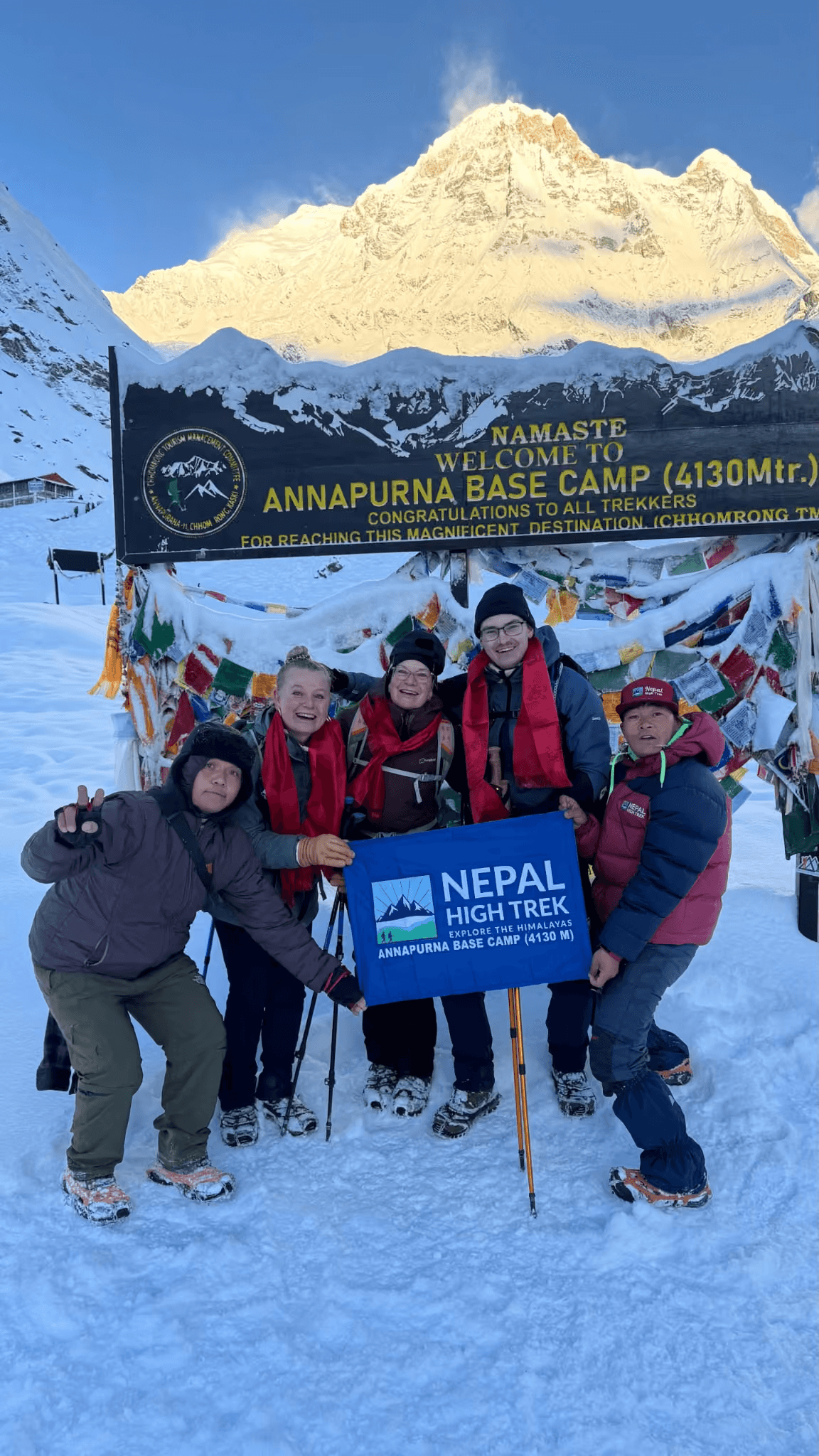
Planning a Himalayan trek involves more than choosing a mountain destination. You need to understand the walking route, the permits required, where you will sleep, and how your body might respond to several days at altitude. Two of Nepal’s most famous adventures, the Everest Base Camp Trek and Annapurna Circuit Trek, offer very different experiences, even though both take you deep into the Himalayas.
The Everest route leads through Sherpa villages, suspension bridges, and the high-altitude landscape of the Khumbu, with Everest Base Camp as its main destination. The Annapurna route takes a longer journey through changing landscapes, from green valleys and traditional settlements to the dry, windswept terrain around Thorong La Pass.
Neither trek is automatically the better choice. Your available time, fitness, interest in local culture, and comfort with altitude all matter. Understanding the practical differences before arriving in Nepal can help you plan a route that suits you rather than simply following the most popular itinerary.
1. Everest Base Camp Trek: Route, Villages, and Daily Walking
The Everest Base Camp Trek usually begins with a flight from Kathmandu or another operating departure airport to Lukla. From there, trekkers follow established trails through the Khumbu region, passing villages, monasteries, and river valleys on their way towards Everest Base Camp at approximately 5,364 metres.
A common itinerary takes around 12–14 days, including the return journey and acclimatisation days, although the total duration depends on the starting point, walking pace, weather, and personal schedule.
The Main Everest Trekking Route
A standard itinerary follows this general sequence:
Lukla to Phakding
Phakding to Namche Bazaar
Namche Bazaar to Tengboche
Tengboche to Dingboche
Dingboche to Lobuche
Lobuche to Gorakshep and Everest Base Camp
Return through the same main trail towards Lukla
Most itineraries include acclimatisation time around Namche Bazaar and Dingboche. These are not wasted days. They allow trekkers to adjust to increasing altitude and may include shorter walks to nearby viewpoints.
Namche Bazaar, at approximately 3,440 metres, is an important place to rest, check equipment, and enjoy the mountain-town atmosphere. Beyond Dingboche, the landscape becomes increasingly exposed, the air feels thinner, and even a short uphill section can demand more effort than expected.
One practical detail is worth remembering: reaching Everest Base Camp does not guarantee a view of Mount Everest itself. The surrounding terrain blocks some views from the base camp area, so viewpoints along the route offer different perspectives.
2. Annapurna Circuit Trek: Route, Thorong La Pass, and Landscapes

The Annapurna Circuit trek is known for its changing scenery. Depending on the chosen starting and finishing points, the route passes through subtropical valleys, terraced hillsides, traditional villages, alpine terrain, and the drier landscapes of the Mustang region.
Many itineraries take approximately 12–16 days, but road access, side trips, and the decision to include Tilicho Lake can change the schedule considerably.
The Main Annapurna Circuit Route
A common itinerary follows a route similar to this:
Besisahar towards the Manang region, with the starting point adjusted for road conditions
Chame
Upper Pisang or Lower Pisang
Manang
Yak Kharka
Thorong Phedi or High Camp
Thorong La Pass
Muktinath
Jomsom or another suitable finishing point
Thorong La Pass reaches approximately 5,416 metres and is the major physical challenge on the traditional circuit. The crossing is usually planned early in the morning, when conditions may be more favourable, but weather and trail conditions can change quickly.
The section between Manang and the pass deserves particular attention. Walking too quickly, ignoring altitude symptoms, or attempting the crossing in poor conditions can turn a rewarding trek into a serious problem.
Manang is an important acclimatisation stop. Rather than arriving and immediately continuing uphill, allow time for your body to adjust and seek local advice about conditions on the pass.
Another planning consideration is road access. Vehicles have changed parts of the traditional Annapurna route, so the amount of walking on quieter trails depends on your itinerary. If you prefer a more foot-focused experience, ask which sections use roads and whether alternative walking trails are available.
3. Which Trek Is Better for Your Travel Style?
The Everest Base Camp Trek and Annapurna Circuit Trek are both challenging, but they suit different priorities.
Everest is particularly appealing to travellers who want to reach the base camp of the world's highest mountain, experience Sherpa culture, and spend time in the Khumbu. Its route has a clear central goal, although the high altitude makes the journey physically demanding.
Annapurna suits trekkers who enjoy variety. The scenery changes considerably along the circuit, and the route offers opportunities to experience different village environments, landscapes, and regional cultures. Crossing Thorong La is a major highlight, but it requires careful preparation.
Planning factor | Everest Base Camp Trek | Annapurna Circuit Trek |
|---|---|---|
Main highlight | Everest Base Camp and Khumbu scenery | Thorong La Pass and changing landscapes |
Typical duration | Around 12–14 days | Around 12–16 days |
Highest main objective | Everest Base Camp, 5,364 m | Thorong La Pass, about 5,416 m |
Main access consideration | Flights to Lukla and possible weather delays | Road transfers and route-dependent starting points |
Accommodation | Teahouses and lodges | Teahouses and lodges |
Key planning priority | Acclimatisation and return-flight flexibility | Acclimatisation and pass conditions |
These durations are planning estimates rather than fixed schedules. If you have limited holiday time, compare the complete itinerary, including arrival, departure, transport, and reserve days, instead of counting only walking days.
4. Permits Required for Both Treks
Permits are an essential part of trekking in Nepal. The documents required depend on the region, route, nationality, and current regulations, so it is important to check the requirements before departure.
Everest Base Camp Trek Permits
The standard route through the Khumbu generally requires two permits:
Sagarmatha National Park entry permit: Required for entry into the protected national park.
Khumbu Pasang Lhamu Rural Municipality permit: The local entry permit used in the Khumbu region.
The standard Lukla route generally does not use the same TIMS arrangements as many other trekking regions. However, Nepal Tourism Board guidance and local permit practices should be checked against your exact itinerary before travel.
Permits may be obtained through the relevant issuing authorities or arranged by a trekking agency, depending on the document and current procedures. Keep your passport details and permit documents accessible at checkpoints.
Annapurna Circuit Trek Permits
For the standard Annapurna Circuit, trekkers generally need:
Annapurna Conservation Area Permit (ACAP): Required for entry into the Annapurna Conservation Area.
Trekkers' Information Management System (TIMS) card: Nepal Tourism Board guidance lists the Annapurna Circuit among routes covered by its guide and TIMS provisions.
The Nepal Tourism Board provides current information about trekking guide and TIMS requirements, while the National Trust for Nature Conservation operates the conservation-area permit system. Requirements can change, so verify the latest rules before setting off.
You can consult the Nepal Tourism Board's trekking permit guidance, its TIMS information, and the NTNC online permit service.
Do not assume that a permit issued for one region covers the other. If your plans include side trips or restricted areas, confirm whether additional documents are necessary.
5. Accommodation: What to Expect Along the Trails
Accommodation on both routes is based largely on teahouses and trekking lodges. These provide a place to sleep, meals, and a chance to rest after a day on the trail. The facilities vary considerably from one village to another.
Staying on the Everest Route
Lower villages and larger settlements such as Namche Bazaar generally offer more accommodation choices than the higher stops. Some lodges have private rooms, attached bathrooms, hot showers, charging facilities, and Wi-Fi, although availability and reliability vary.
As you move towards Lobuche and Gorakshep, expect simpler rooms and colder conditions. Shared bathrooms and limited heating are common at higher elevations, and blankets alone may not be enough for a comfortable night.
Carry a suitable sleeping bag, even if your lodge provides blankets. Confirm whether charging and hot showers cost extra, and keep a power bank for situations where electricity is limited.
Staying on the Annapurna Circuit
The Annapurna Circuit also has teahouses throughout much of its established route. Facilities are often more developed in larger villages, while smaller or higher settlements may offer basic rooms and shared washing facilities.
Manang is a useful place to rest, arrange supplies, and prepare for the higher section towards Thorong La. Accommodation near Thorong Phedi and High Camp is more basic, and demand can rise during busy trekking periods.
During peak seasons, advance arrangements can be useful, especially for groups or travellers with specific room preferences. Outside the busiest periods, local conditions and operating lodges become more important than relying on old online listings.
6. Best Seasons, Weather, and Route Conditions
Spring and autumn are the main trekking seasons for both routes. Spring generally brings milder temperatures at lower elevations and seasonal mountain scenery, while autumn often offers clear views after the summer monsoon.
March to May and September to November are useful broad planning windows, not guarantees of good weather. Snowfall, strong winds, rain, and flight disruptions can still affect travel.
Winter brings colder nights and a greater possibility of snow or difficult high-pass conditions. On the Annapurna Circuit, heavy snow can make Thorong La unsafe or temporarily inaccessible. On the Everest route, cold temperatures and weather-related flight delays can affect the itinerary.
Monsoon conditions, particularly from June to September, can bring rain, cloud, landslides, and poor visibility in some areas. The rain-shadow sections of the Annapurna region may experience different conditions from the wetter southern approaches.
Check current forecasts and trail advice before committing to a high-altitude crossing. A flexible itinerary is more useful than trying to follow a fixed schedule at all costs.
7. Altitude, Fitness, and Safety Preparation
Neither trek should be treated as an ordinary walking holiday. Both involve sustained physical activity at elevations where altitude illness is a genuine concern.
Prepare with regular walking, hill training, stair climbing, and longer hikes carrying the pack you intend to use. Cardiovascular fitness helps, but it does not eliminate the risk of altitude illness.
Plan acclimatisation days, ascend gradually, stay hydrated, eat regularly, and avoid rushing to reach the next village. Learn the warning signs of altitude illness, including headache, nausea, dizziness, unusual fatigue, and worsening breathlessness.
Severe symptoms, confusion, difficulty walking straight, or breathlessness at rest require urgent action and descent with appropriate assistance. Do not continue upwards in the hope that symptoms will simply disappear.
A licensed guide can help with route decisions, local conditions, logistics, and emergency planning. Nepal High Trek is one option travellers can contact when comparing trekking arrangements, but check that any operator you consider provides a suitable itinerary, clear permit arrangements, and appropriate support.
Travel insurance should cover high-altitude trekking at the elevations planned and emergency helicopter evacuation where applicable. Read the policy carefully rather than assuming ordinary travel insurance includes these activities.
8. Practical Planning: Budget, Transport, and Packing
Your total budget will depend on the itinerary, group size, accommodation preferences, guide and porter arrangements, transport, meals, and equipment. Rather than relying on one headline price, request an itemised estimate that shows what is included and what you will pay separately.
For Everest, consider the cost and scheduling implications of flights to Lukla. Weather can delay departures, so avoid planning an international flight home immediately after the trek. Allow reserve days if your schedule permits.
For Annapurna, clarify the road transfers at both ends and check which sections of the itinerary are walked. The starting point can change the duration, transport cost, and character of the trek.
Pack broken-in hiking boots, warm layers, waterproof clothing, sun protection, a headlamp, personal medication, water-treatment supplies, and a sleeping bag suited to expected temperatures. Carry some Nepalese rupees for small purchases and keep digital copies of your important documents.
Before leaving Kathmandu or Pokhara, confirm the latest trail conditions, permit requirements, transport arrangements, and accommodation plan with reliable local sources.
Conclusion: Choose the Trek That Fits Your Journey
The Everest Base Camp Trek offers the distinctive experience of walking into the Khumbu towards Everest, while the Annapurna Circuit Trek delivers a varied journey across valleys, mountain villages, and a high Himalayan pass. Both reward travellers who prepare properly and leave room for changing conditions.
Before deciding, compare the full routes, permit requirements, accommodation standards, and number of days you can realistically spare. A well-planned trek is not simply about reaching the highest point. It is about enjoying the journey, respecting the mountains, and returning safely with a richer understanding of Nepal.
Frequently Asked Questions
How many days are needed for Everest Base Camp and the Annapurna Circuit?
The Everest Base Camp Trek commonly takes around 12–14 days, while the Annapurna Circuit often takes around 12–16 days. Side trips, road access, acclimatisation, and weather can extend either itinerary.
Which trek is harder: Everest Base Camp or Annapurna Circuit?
Both are demanding. Everest involves prolonged walking at high altitude, while Annapurna includes the major challenge of crossing Thorong La Pass. The more difficult trek depends on your fitness, acclimatisation, itinerary, and current trail conditions.
Can beginners complete either trek?
Beginners with good preparation may complete either route, but neither is suitable for treating altitude as an afterthought. Training, gradual ascent, realistic daily distances, and appropriate support are essential.
Do I need a guide for these treks?
Nepal Tourism Board guidance lists both routes among those covered by its guide and TIMS provisions. Check the latest official requirements before departure and consider using a licensed guide for practical and safety support.
Are private rooms available on both routes?
Yes, private rooms are available at many lodges, particularly in larger villages. Availability becomes less predictable at higher elevations and during busy periods, and attached bathrooms or hot showers are not guaranteed.
Can I trek both routes on one Nepal trip?
Yes, if you have enough time. Combining them requires careful scheduling for transport, acclimatisation, and recovery. For many travellers, completing one route well is more rewarding than squeezing both into a rushed holiday.