
Mardi Himal Trek vs Ghorepani Poon Hill Trek: Routes, Views, Culture & Difficulty
By
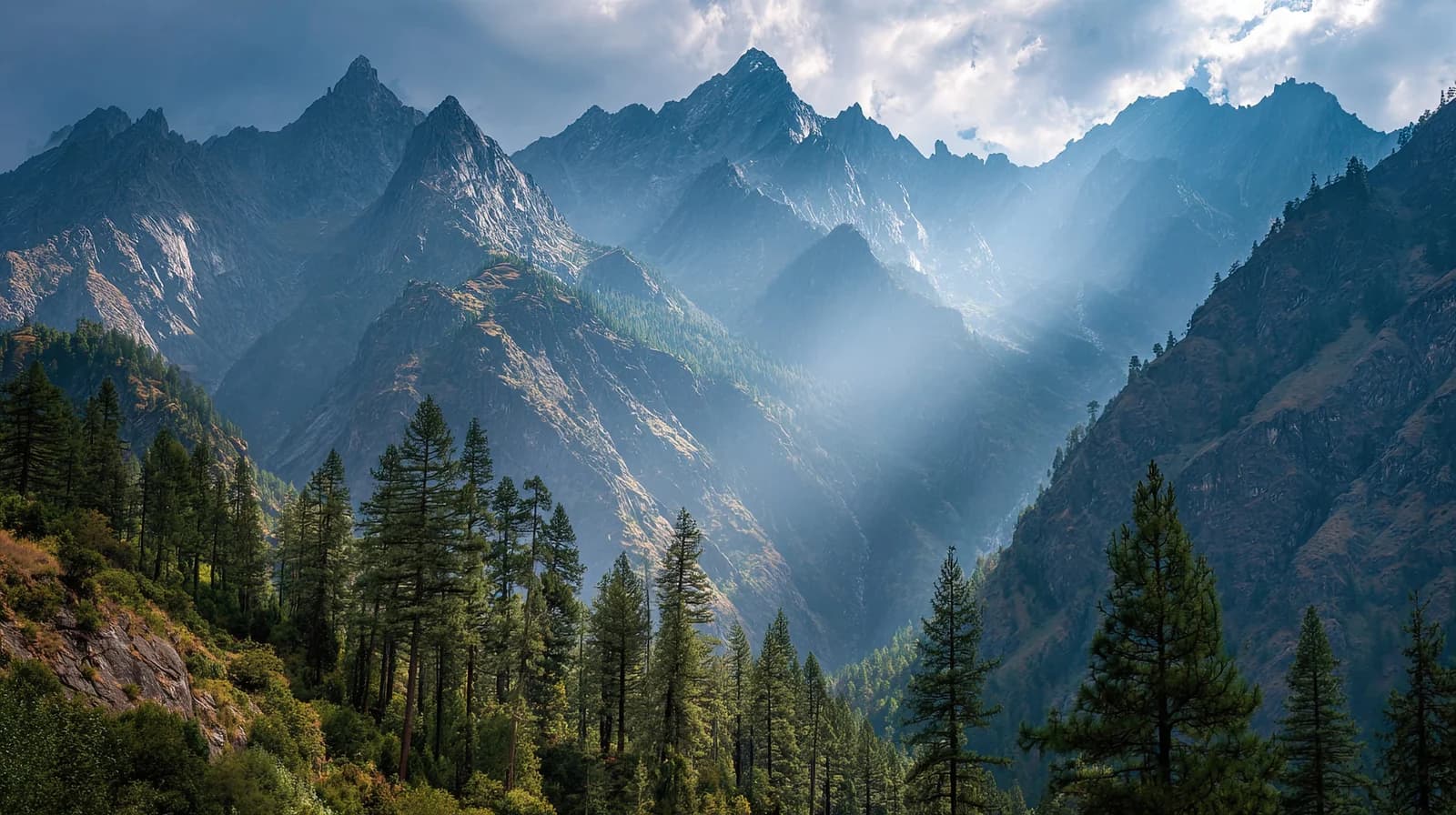
Two Short Treks, Two Different Himalayan Experiences
You've got a handful of free days, a decent pair of boots and a mountain view in mind. Then the annoying part arrives: Mardi Himal Trek or Ghorepani Poon Hill Trek? Both start from the Pokhara side of Nepal's Annapurna region, both are short by Himalayan standards, and both finish with snow peaks filling the horizon. On foot, though, they feel nothing alike.
Mardi Himal is the quieter and higher of the two. You spend a lot of time in the forest, then step out onto a narrow ridge with big mountains uncomfortably close. Ghorepani Poon Hill is a classic. It's village after village, a lot of stone steps, and a pre-dawn climb to one of Nepal's best-known sunrise viewpoints. This guide goes through the routes, views, culture, difficulty and logistics, so you can pick the one that suits your legs, your calendar and your idea of a good day in the mountains.
Mardi Himal Trek vs Ghorepani Poon Hill Trek: Key Differences at a Glance
Here's the short version before we get into the details. The table gives rough figures only, and your own itinerary will shift them a bit.
Feature | Mardi Himal Trek | Ghorepani Poon Hill Trek |
|---|---|---|
Region | Annapurna region | Annapurna region |
Typical duration | Around 4–6 days | Around 3–5 days |
Highest commonly visited viewpoint | Mardi Himal Base Camp, approximately 4,500 m | Poon Hill, approximately 3,210 m |
Main attraction | Close views of Machhapuchhre and the Annapurna range | Panoramic sunrise over the Himalayan peaks |
Trail atmosphere | Forest trails and high-altitude ridgelines | Village paths, stone steps and established trekking routes |
Cultural experience | Mountain settlements and local teahouses | Gurung and Magar communities and traditional villages |
Main challenge | Steep climbing and altitude | Repeated uphill and downhill stone steps |
Best suited for | Trekkers seeking a quieter, higher-altitude experience | First-time trekkers seeking classic Himalayan scenery |
Note: Durations depend on the itinerary, starting point, acclimatization needs and walking pace. Reaching the highest viewpoint is not guaranteed.
How the Routes Differ: Forest Trails, Villages and Mountain Ridges
What to Expect on the Mardi Himal Trek
Most Mardi Himal itineraries begin with a drive from Pokhara to Kande or a nearby trailhead, and the path heads into forest almost straight away. The early going is shaded and pretty quiet. Rhododendron and other woodland slowly thin out as you climb. Teahouses sit at spots usually called Forest Camp, Low Camp and High Camp, and honestly the names tell you what the surroundings look like.
Higher up, the trail follows a narrow ridge. Machhapuchhre, also known as Fishtail, takes over the skyline, and the walking feels more exposed with every hour. The last push toward Mardi Himal Base Camp is the toughest part of the route. Start early, go slowly, and don't be shy about turning around if the weather or your body says so.
What to Expect on the Ghorepani Poon Hill Trek
Ghorepani Poon Hill Trek routes usually start near Nayapul or Birethanti, a fairly easy drive from Pokhara. From there you pass through villages like Tikhedhunga and Ulleri, and Ulleri is where the famous stone staircase begins. It feels endless. After that, the path moves through forest to Ghorepani, a busy lodge village where most people sleep before the early climb up Poon Hill.
The trek is easy to stretch. Plenty of trekkers walk out via Ghandruk or another village instead of retracing their steps, which adds a day or so and gives you fresh scenery on the way down.
Mountain Views: Which Trek Offers the Better Scenery?
Close-Up Himalayan Views on Mardi Himal
On Mardi Himal the mountains arrive gradually. You catch glimpses through the trees, then Machhapuchhre and Annapurna South start showing up more fully as you gain height. Once you're on the open ridge, the peaks seem almost too near, because you're level with the lower flanks instead of looking up from a valley. It's a different feeling from a distant skyline. You're walking right beside them.
Sunrise Panoramas from Poon Hill
Poon Hill is all about the wide view. On a clear morning the Annapurna and Dhaulagiri ranges stretch across the horizon, and the first light turns them orange and then pale gold. That's why so many trekkers drag themselves out of bed in the dark. Clouds can ruin the show, though, and it happens more often than people expect.
Whichever trail you pick, leave a little slack in the schedule for weather. Pack warm layers for the early start, and keep your expectations realistic if the forecast is cloudy or snowy. A grey morning isn't a failed trek.
Culture and Local Life Along Both Trekking Routes
Neither route has one single, uniform local identity, so it's worth going in without a fixed picture. On the Mardi Himal Trek, much of the culture shows up in the teahouses. You'll eat locally prepared meals, chat with the families running the lodges, and meet people living in small mountain settlements. It's simple, friendly and fairly low-key.
On the Ghorepani Poon Hill Trek, parts of the route pass through Gurung and Magar settlements. You can see traditional village architecture, try local food, and get a feel for everyday life in the hills along the way. What you experience will depend on the village, the season and your exact itinerary, so treat this as a general picture rather than a promise. Nepal trekking is as much about the people on the trail as the peaks above it.
Difficulty, Altitude and Fitness: Which Trek Is Harder?
Mardi Himal Trek Difficulty
Mardi Himal is the harder trek, mostly because of height. The base camp viewpoint sits far above Poon Hill, so altitude deserves serious thought even though the itinerary is short. Add sustained uphill walking, steeper upper sections and colder conditions, and you've got a route that asks more of your body than the number of days suggests.
Ghorepani Poon Hill Trek Difficulty

Poon Hill tops out lower, but it isn't a stroll. The long staircases, the repeated climbs and the knee-pounding descents add up, and beginners are often surprised by how tiring stone steps can be. Short days can still feel long.
A few habits help on either trail:
Build walking endurance before you leave, ideally with some stairs or hills.
Wear boots that are already broken in.
Use trekking poles if they help on steep descents.
Walk at a steady pace and learn the symptoms of altitude sickness.
Never keep ascending with worrying symptoms. Rest, descend if needed, and get proper medical advice.
Best Time to Trek Mardi Himal or Ghorepani Poon Hill
Spring, from March to May, brings rhododendron blooms, mostly friendly conditions and views that keep improving. Autumn, from September to November, often delivers clear skies, but it's also the busy season, so expect company on the trail.
Winter, from December to February, is colder and can bring snow, which makes the upper sections more difficult, especially on Mardi Himal. The monsoon, from June to August, means rain, leeches, cloud and slippery paths on both routes. Whatever month you choose, check current weather, trail conditions and local guidance before you go.
Cost, Accommodation and Practical Trekking Logistics
Pokhara is the usual base for both treks, and ground transfers depend on which trailhead you choose. Teahouses and lodges are common along established itineraries, though facilities change with location and season, so don't assume every spot will have the same comforts. Meals are generally available along the main routes. Plan your drinking water carefully anyway, because that part is on you.
Permit rules in the Annapurna region can change, so verify the current requirements before travel. Budget is harder to pin down. It depends on transport, whether you hire a guide or porter, where you sleep, what you eat and how many days you walk, and I'd rather not quote fixed prices that might be out of date. If you want help sorting itineraries and arrangements, a company like Adventure Great Himalaya can be a useful place to ask.
Which Trek Should You Choose?
Pick the Mardi Himal Trek if close mountain views, ridge walking and a higher-altitude feel are what you want. Pick the Ghorepani Poon Hill Trek if you like the idea of a classic sunrise viewpoint, established village routes and a lower maximum elevation.
Short on time? Look at the actual walking days and transfer arrangements instead of trusting the shortest advertised itinerary. And if you're a beginner, choose based on fitness, comfort with stairs, altitude tolerance and the season, not just a trek's reputation for being easy.
Final Verdict: Choose the Trail That Matches Your Mountain Goals
Mardi Himal gives you the higher, more elevated ridge-and-mountain experience. Ghorepani Poon Hill mixes a famous sunrise viewpoint with village trails and cultural encounters. Decide using your available days, your fitness, how comfortable you are with altitude and the kind of Himalayan scenery you'd like to remember. Both are good. They're just good in different ways.
Frequently Asked Questions
1. Is Mardi Himal Trek harder than Ghorepani Poon Hill Trek?
Generally, yes. Mardi Himal goes higher, has steeper upper sections and includes ridge exposure. Poon Hill is lower, but its repeated stair climbs can wear people out.
2. Which trek has better mountain views, Mardi Himal or Poon Hill?
It depends on what you like. Mardi Himal gives you close-up mountain scenery from the ridge, while Poon Hill gives you a wider sunrise panorama.
3. How many days are needed for Mardi Himal Trek and Ghorepani Poon Hill Trek?
Mardi Himal usually takes around 4–6 days and Poon Hill around 3–5. Trailhead transfers, acclimatization and route variations can add or remove time.
4. Which trek is better for beginners in Nepal?
Poon Hill is often a good starting point. Fitness still matters, though, and so does your tolerance for lots of stone steps.
5. What is the best month for these Annapurna treks?
Spring and autumn are the usual favorites. Weather still varies from year to year, so check conditions before you travel.
6. Do I need a guide for Mardi Himal Trek or Ghorepani Poon Hill Trek?
It depends on current regulations, route conditions and your own experience. Check the latest official guidance before you book.