
Everest Base Camp Trek Through the Khumbu's Oldest Monasteries and Sacred Sites
By
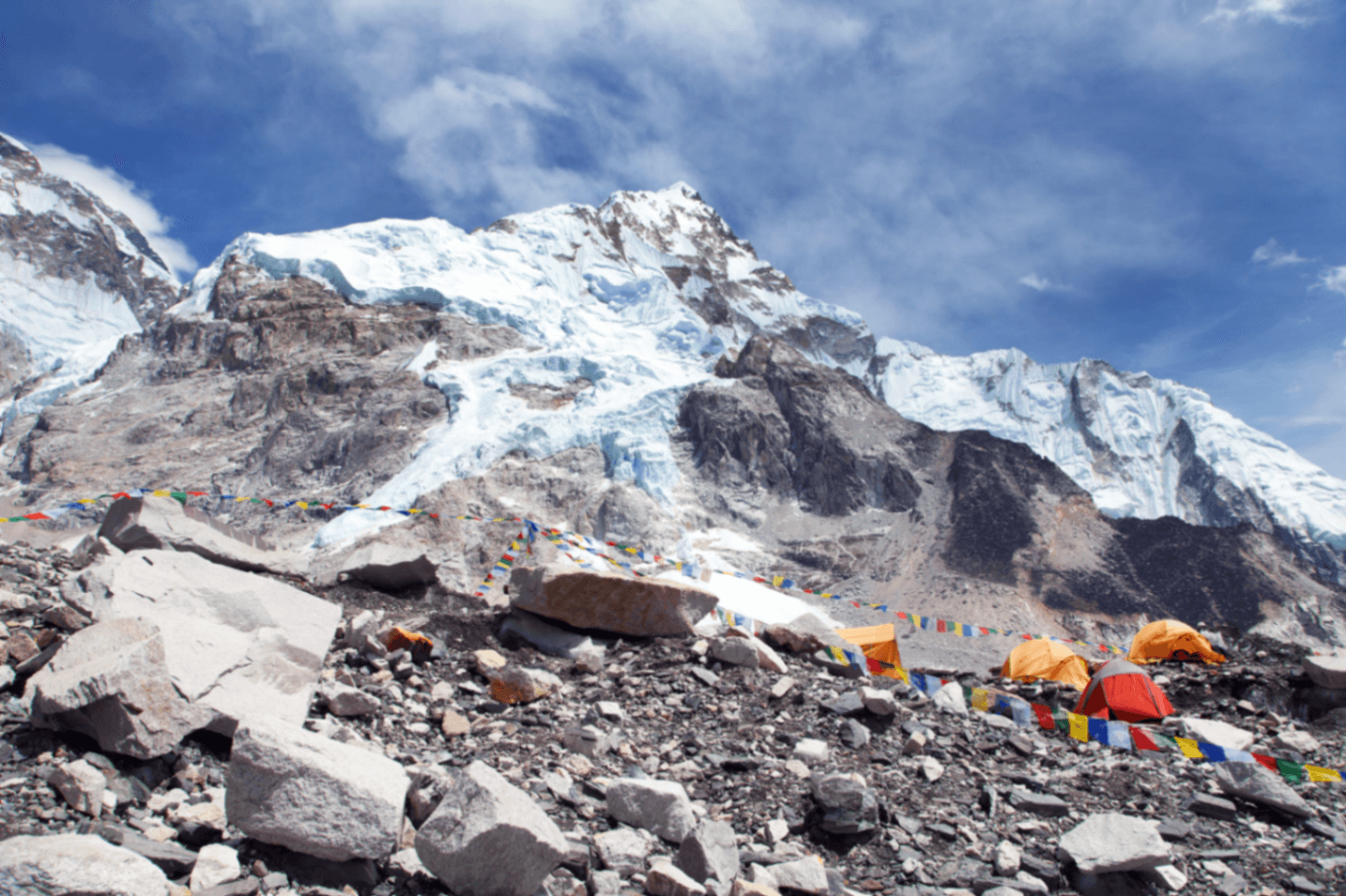
The great baseline of the Everest Base Camp trek is best called by its center point—outrageous mountains gloomy upstanding the beach flanks. Yet the way also passes through a vast, holy land of rich Himalayan Buddhist history stretching into millennia. You see monasteries, chortens, mani walls, and prayer flags in Khumbu along with sacred mountain views. By incorporating stops along the way, the trail becomes more than just an adventure; it is a journey into the culture of Sherpa history, spirituality, and living traditions.
The cultural heart of it is the Tengboche Monastery.
Tengboche Monastery | This is undoubtedly one of the most prominent religious sites on the Everest Base Camp route. Its location is incredible, situated high above the Dudh Koshi Valley and surrounded by giant Himalayan mountains like Ama Dablam in close proximity. Although the monastery was reconstructed multiple times after natural disasters and fire, it still plays an important role among local Buddhist communities. The beach here is peaceful, an atmosphere a world away from the hustle and bustle of footpath trekkers passing through. Hence, visitors are free to go in, but both must honor the culture and observation of local customs, whilst also not turning the ceremony into some general tourist show.
Thyangboche Connects Mountains And Spirituality
This village, nicknamed Tengboche—or Thyangboche (at least among Sherpa communities)—shows their spiritual life as it relates to the mountains surrounding this settlement. Its location, especially in relation to geography, connects Buddhists with a broad view. While the ridges may be illuminated at times almost magically by the first morning rays of sunlight, that never takes precedence over the activity of worshiping each day. Visitors should keep it quiet, doing some respectful observing that does not involve taking pictures of monks praying or conducting ceremonies.
Pangboche Reveals Older Sherpa Traditions
Pangboche—Your Next Sacred The stopper on the Abroad Everest Base Camp Trek Pangboche entails a prompt pantombo convent; esteem exactly is development identified in Pangboche—Yourtiquated sanctuaries in Khumbu. Even more so than the big viewpoints, travel companions are influenced by the historical importance of Pangboche, making it even more valuable to hikers looking for a cultural Sherpa experience. It also offers more peace than the bigger trekking hubs of nearby Chaunce and Naramata. Here one cannot forget that religion never stands apart from common life, but within its tradition goes on along with it.
An Introduction: The Language of the Ancient Monasteries
Monasteries are not simply scuttled antiquities; however, they give weight to Klumbn. Cultural great deal of Nepal, which has held critical components of Tibetan Buddhist civilization in their structures, paintings and statues, prayer wheels and ceremonial spaces. These grand religious artworks are often found in churches where they suffer damage from the smoke, moisture, and constant weight of use. Avoid touching sacred things unless requested to handle them. This knowledge also extends to more localized manners of behaving, such as walking around religious structures in a clockwise direction when appropriate or spinning prayer wheels.
Mani Walls: Sacred Trail Artifacts
Mani walls are one of the most characteristic cultural features of the Everest Base Camp trek. These mantras and prayers are inscribed into stones, which are cemented together to form walls planted beside paths and building settlements throughout the Khumbu. These turn those potentially mundane moving moments into an echo of the rituals that co-exist with tourism in this place. Often found in regions that practice Tibetan Buddhism, mani walls (or stone prayers) should usually be circumambulated left (never directly over!) and not climbed on, but trekked by. Those stones are religious objects, not decorative trail markers.
Chortens Mark: The Spiritual Landscape
The terrain of Khumbu is dotted with chortens, or stupas, which can be spotted in every Khumbu village and along trekking routes. Accompanied with prayer flags or other religious symbols, these holy Buddhist structures are quite often seen in and around monasteries. The whitewashed shapes, set against dark mountain slopes and colorful villages, however, do provide an attractive photograph.
But remember, as beautiful as these trekkers look, like they belong in a museum—they are far from mere monuments to the mundane. You are not supposed to walk on them or climb onto their structures—please respect them and go give them a visit if you see one—but only after respectfully making a circle around him or her—they aren't doing anything wrong.
Prayer Flags Are Not Just Color-Packed
You see prayer flags in some of the most stunning places along the trek to Everest Base Camp—it is quite possibly one of the scenes more synonymous with this trek. The five rings of colored flags, such as blue, white, red, green, and yellow, communicate with the elements and invoke prayers to nature through the breath of wind. They are located on bridges, along ridges, at monasteries and chortens, and in villages. They play a religious role, not just a decorative one. Travelers are not to remove, touch, or blow the prayer flags. Photographs are more reflective of nature when you read into their meanings; now the viewer is engaging with Khumbu culture in a way that befits it.
Monastery Visits Require Cultural Awareness
You might not be Buddhist to visit Khumbu monasteries (it does not—and perhaps should not—require a religion), but reliabilities recognize these are working cloisters. Dress conservatively, moderate your voice, and always seek permission before photographing people (or rituals or sacred interiors). Follow the advice of monks, guides, or monastery staff. Do not point it out, where flash photography doesn't belong; that means directly at the artwork to mention during ceremonies. Do not walk through a door if it has been shut, nor through an area that you feel is out of bounds. Respectful behavior is what focuses on tourism as a side to the preservation of culture, instead of transforming sacred cultural places into entertainment objects.
Festivals—A More Cultural Angle
Timing your trek around local Buddhist festivals will grant you a fantastic cultural experience. This may include prayers, traditional music, and masks/dances along with community gatherings. This includes but is not limited to the many different ceremonies and festivals that are held throughout Sherpa villages, with the most famous being Mani Rimdu, which takes place in the Tengboche area and attracts people wanting to come see Sherpa Buddhist traditions. Festivals are above all religious, beyond being touristy. Travelers, like many other attendees, must be patient and adhere to the protocols, as calendars can be flipped upside down due to local situations.
Protecting Sacred Sites and Mountains: MT Connect
The Khumbu's spiritual landscape is woven into ideas about ecology. Most of the Sherpa tradition is about respecting mountains, rivers, forests, and living beings. This is all the more pertinent for responsible trekking experiences around monasteries and sacred landscapes. Refills, limiting rubbish, walking only on paths, and refraining from unnecessary noise protect the ball from an excess of nature. Shaded image, but it is also the unique atmosphere of the culture center. That is what responsible tourism is; it is a love letter but the kind of practical respect.
Guides Can Explain Hidden Meanings
At its finest, there is a local guide bringing your experience to life by taking you through the sights and focusing in on some hidden stories behind what makes those sights so noteworthy. A 1-Guide will inform you on spiritual symbols, architectural elements of village homes and their tradition, historic interactions of the monasteries, and some others. They are also able to indicate to trekkers where it is acceptable to take photos and how it behaves in ceremonies. It's difficult without local knowledge to miss a lot of detail. Deeply qualified, retired questions can help and lead to an even bigger conversation while steering clear of accidental disrespect.
Conclusion: Respect to Make a Journey Give More Meaning
Rated the best trek in the world, Everest Base Camp attracts thousands each trekking season, but with its score of monasteries and sacred sites, it intimates the Khumbu region is much more than a route to Earth's highest peak. What you are crossing is a beautiful cultural landscape shaped in the hands of Himalayan Buddhist and Sherpa communities. Its identity is in many layers—a collage of Tengboche and Pangboche, mani walls, chortens, and prayer flags. The feeling of the trek gets that extra bit when trekkers go slow, hear Nature's whispers, observe small changes, and respect religious customs. The mountains are the most visible lure, but it is Khumbi's spiritual ways that give much of the trail its ageless character.