Eluai Plain
Maasai Mara National Reserve Kenya Posted by Brandon B.Admin
What the Eluai Plain Actually Is
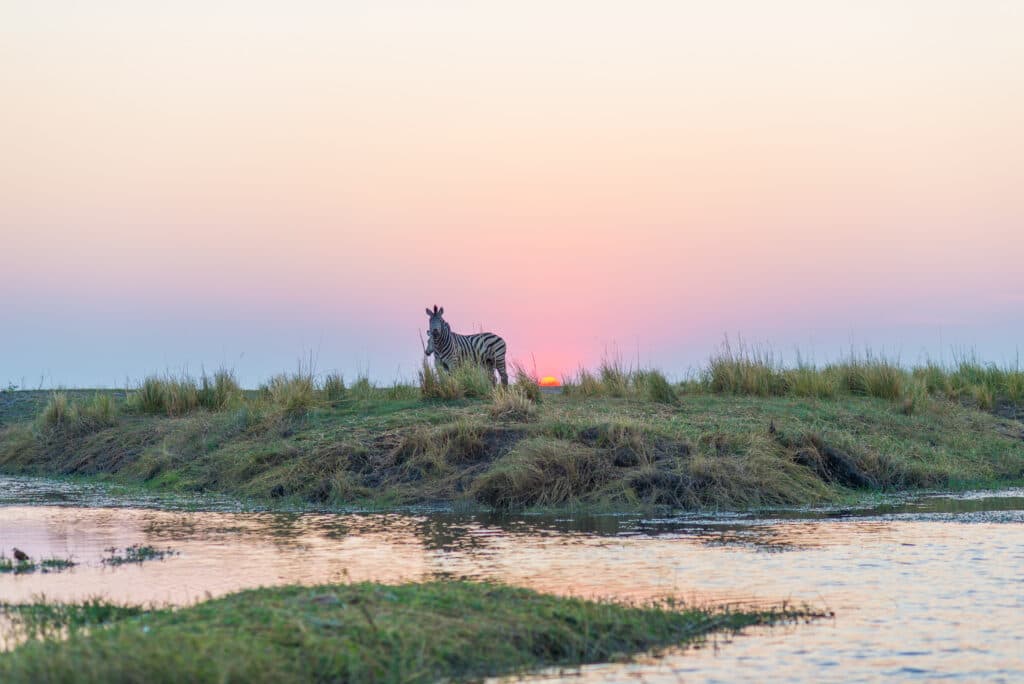
The Eluai Plain sits in the northern sector of the Maasai Mara National Reserve, spreading out across a wide open grassland that feels genuinely vast even by Mara standards. If you've spent time in the more heavily trafficked southern corridors near the Mara River, arriving here tends to feel like a different reserve entirely. Fewer vehicles. Longer sight lines. The kind of silence that makes you realize how loud the popular crossings can get.
This is prime predator country. The plain's open terrain makes it one of the better areas in the Mara ecosystem for watching cheetahs hunt, and lion prides use the low kopjes and scattered bushes as natural vantage points. It's the sort of place where a game drive can stretch three hours without anyone checking their watch.
Why the Eluai Plain Stands Apart
The Mara is famous, and that fame comes at a cost. During peak migration season, the river crossing sites can feel crowded, with a dozen or more safari vehicles jostling for position. The Eluai Plain draws far fewer visitors, partly because it requires a longer drive from the main gate areas, and partly because it doesn't have one dramatic event to anchor around.
What it does have is space. The grassland opens in a way that lets you watch animal behavior play out over distance, which is often more revealing than close-up encounters. A cheetah scanning for prey, a hyena clan testing a wildebeest herd, a martial eagle working thermals overhead. These things happen at their own pace here, without an audience of 20 vehicles closing in.
The northern Mara in general, which includes this plain, tends to border the Mara Triangle and the private conservancies to the northeast. That positioning means wildlife corridors stay relatively intact, and animals move through without the pressure they face closer to the main tourist routes.
Quick Facts
- Location: Northern sector of the Maasai Mara National Reserve, Kenya
- Access: Via the Sekenani or Ololaimutia gates, then a drive of roughly 45 to 60 minutes into the northern plains depending on your camp's position
- Best known for: Cheetah sightings, open savanna game viewing, low vehicle density
- Terrain: Open short-grass plain with scattered acacia and low rocky outcrops
- Part of the larger Mara ecosystem, which covers approximately 1,510 square kilometers within the national reserve
- No separate admission: covered under standard Maasai Mara National Reserve entry fees
Getting There
You reach the Eluai Plain as part of a game drive within the national reserve. Most visitors base themselves at one of the camps or lodges in the northern Mara area, which puts the plain within reasonable morning drive distance. If you're staying further south near the Mara River camps, expect a longer drive, and plan accordingly.
The most practical approach for most travelers is to arrange access through your safari camp or operator, who will know current road conditions and the most direct route. Roads in the northern Mara are unpaved and can become difficult after heavy rain, particularly between April and June. A 4WD vehicle is not optional here.
There is no signposted entrance to the Eluai Plain itself. It's a geographic feature within the reserve rather than a defined attraction with a gate or marker. Your guide's knowledge of the area matters more than any map.
The Experience on the Ground
Game drives on the Eluai Plain tend to work best in the early morning, when light is low and predators are still active. The golden hour here is genuinely golden in the photographic sense, with the grass catching light and the air still cool enough that animals are moving rather than resting in shade.
Afternoons bring a different quality. Heat builds across the plain by midday, and most large animals rest. But late afternoon, roughly from 4pm onward, brings another window of activity as temperatures drop and predators begin to stir. If you're on an all-day drive, the midday hours are often best spent watching bird life or following a pride at rest, waiting for the shift in energy that comes with the cooling air.
The open grassland also makes for good birding. Secretarybirds stride through the short grass. Kori bustards, which are among the heaviest flying birds in the world, are seen here with some regularity. If you're traveling with a guide who knows birds as well as mammals, this plain rewards that kind of attention.
Wildlife Highlights
Cheetahs are the headline. The Eluai Plain and the broader northern Mara have historically supported strong cheetah numbers, partly because the open terrain suits their hunting style and partly because lower vehicle pressure reduces the stress that can push cheetahs to abandon kills or alter their range. Sightings are never guaranteed, but if you spend multiple mornings here, your odds are reasonable.
Lions are present throughout the year. The northern Mara prides are well-documented by guides and researchers, and in some cases your guide will know individual lions by sight. This kind of local knowledge is one of the underrated advantages of staying in or near the area rather than doing a day trip from a distant camp.
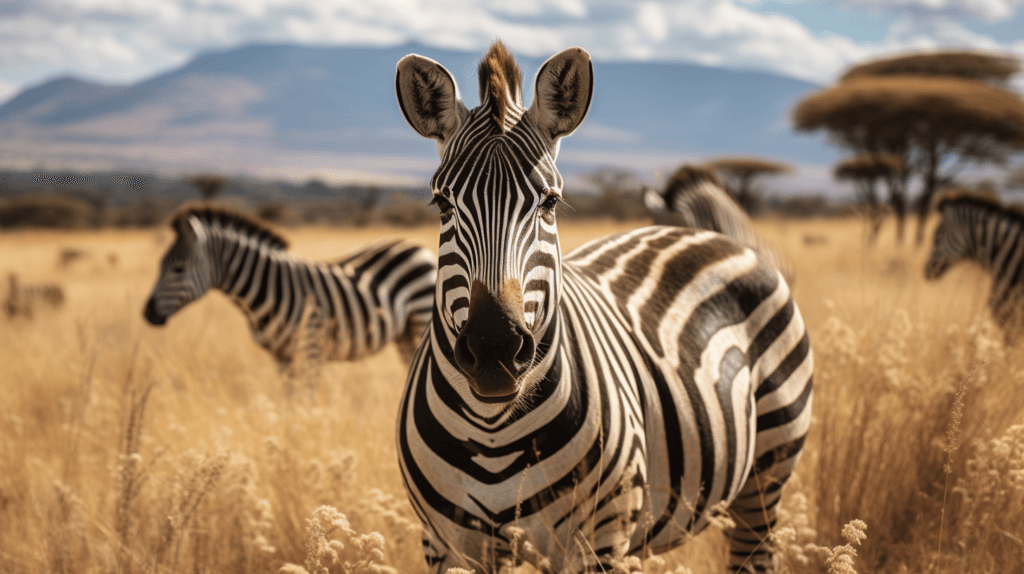
During the Great Migration, which typically moves through the Mara between July and October, wildebeest and zebra flood across the plains including this area. The Eluai Plain can hold large herds during peak movement, which in turn draws concentrated predator activity. This is when the area is at its most dramatic, though even then it stays less visited than the river crossing zones.
Outside migration season, resident wildlife keeps the plain interesting. Elephant families move through the northern sector. Topi are common on the open grass. Hyena clans are active and, if you spend time watching rather than just ticking species, fascinating to observe.
Best Time to Visit
The dry season months from July through October bring the migration and the best game viewing conditions, with shorter grass making animals easier to spot. This is peak season across the entire Mara, but the Eluai Plain remains comparatively quieter than the river zones.
January and February offer a secondary dry period and are considered excellent for cheetah and lion activity, with fewer tourists than the July to October window. The long rains from April into early June can make northern roads difficult, and some camps close or reduce operations during this period.
If you're specifically after cheetahs, many experienced guides suggest the dry season months offer the best combination of visibility and activity, though resident cheetahs can be found year-round if conditions allow.
Photography Tips
The open terrain is a gift for wildlife photographers. You get full animal-in-habitat shots that are hard to achieve in denser bush. Use the early morning light, which falls from the east across the plain, and position your vehicle with the sun behind you when possible.
Bring a long lens. Even in open grassland, the ethical distance from predators means you'll often be working from 50 meters or more. A 500mm or equivalent gives you meaningful frames without putting pressure on the animals.
The wide landscape itself is worth shooting. A lone acacia against a sky full of cumulus cloud, or a herd of wildebeest moving in a line across the horizon, are images that capture something the close-up animal portraits don't. Don't spend the entire drive with your eye to the viewfinder.
Combining with Nearby Attractions
The northern Mara sits close to the boundary with the Mara Triangle, which is managed separately by the Mara Conservancy. A single trip to the region can reasonably include game drives in both areas, and many travelers do exactly that. The Triangle is known for its own predator concentrations and tends to have even stricter vehicle limits per sighting.
Several private conservancies border the national reserve to the north and east, including Ol Kinyei and Naboisho. These operate on a model that limits vehicle numbers by design, and a multi-day itinerary combining the national reserve with one of these conservancies gives you a strong contrast in experience and wildlife access.
Practical Tips
- Book a camp in the northern Mara sector if the Eluai Plain is a priority. A 45-minute drive each way adds up over multiple game drives.
- Ask your guide specifically about cheetah activity in the area before your first drive. Good guides track individual animals and will know if there's a resident female or coalition currently using the plain.
- Carry more water than you think you need, especially on full-day drives in the dry season.
- Wear layers for early morning departures. The Mara sits at roughly 1,500 meters elevation and mornings can be genuinely cold before the sun climbs.
- Respect the distance rules around predators. Crowding cheetahs during a hunt is one of the more damaging behaviors in the ecosystem, and a good guide will hold back.
- Don't assume a quiet plain means nothing is there. Scan with binoculars. Much of what makes the Eluai Plain rewarding requires patience rather than proximity.
Frequently Asked Questions
Do I need a special permit to visit the Eluai Plain?
No. It falls within the Maasai Mara National Reserve and is covered by standard reserve entry fees. You'll need a valid entry permit for the reserve itself, which your operator will typically arrange.
Can I visit on a day trip from Nairobi?
Technically possible by charter flight to one of the Mara airstrips, but a day trip gives you very limited time on the ground and none of the early morning or late afternoon windows that make game driving here worthwhile. At minimum, two nights in the northern sector is a more honest commitment.
Is the Eluai Plain good for first-time safari visitors?
Yes, particularly if you want a less overwhelming introduction to the Mara. The open terrain makes animals easy to spot and the lower vehicle numbers mean you can actually stop and watch without feeling rushed or crowded out.
What's the road like getting there?
Unpaved and variable. Dry season roads are generally passable in a standard safari 4WD. After heavy rain, some tracks become difficult and your guide or camp will know which routes are open. This is not a place to attempt in a standard saloon car.
Reviews
Sign in and mark this place visited to leave a review.
No reviews yet.
Free Trip Planner
Plan your Kenya trip with our free planner
Build a day-by-day itinerary with AI suggestions, hand-picked places, and friends. Free forever — no credit card.