Mara River
Maasai Mara National Reserve 00200 Kenya Posted by bazartravelsAdmin
Overview
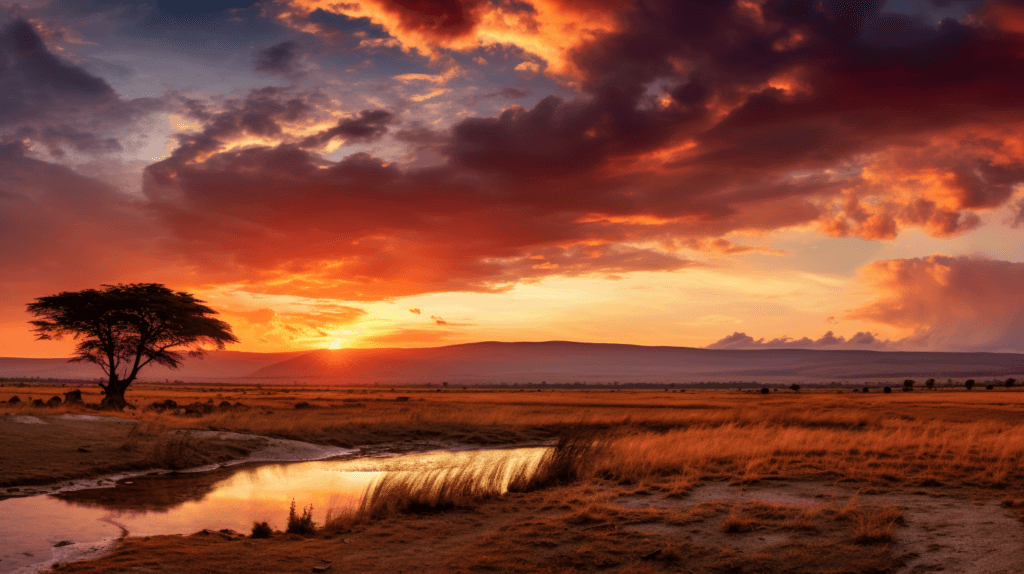
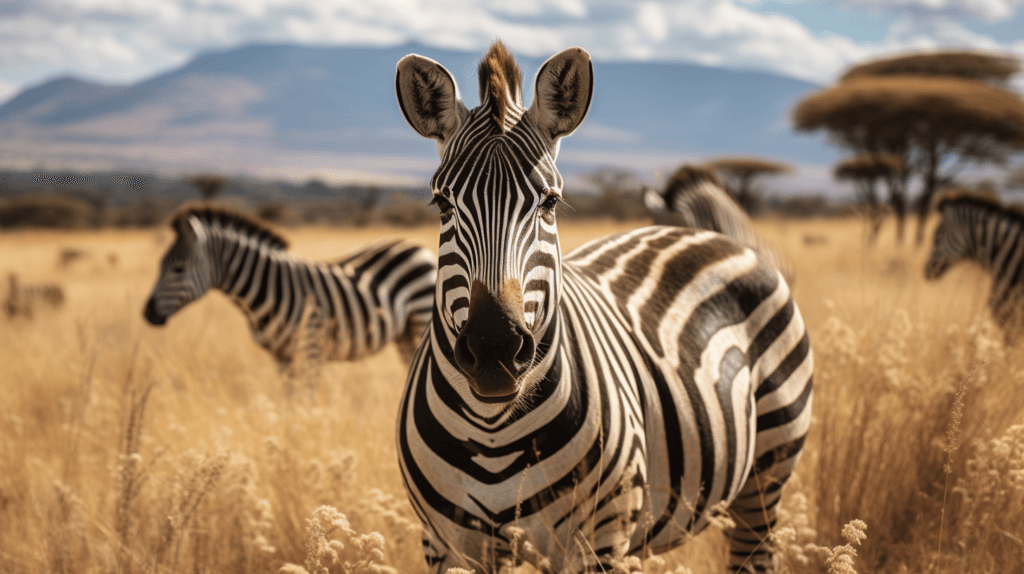
The Mara River cuts through the Maasai Mara National Reserve in southwestern Kenya, flowing roughly northwest for about 395 kilometers before joining the Tanzanian side of the Serengeti ecosystem. This river is not a single destination you visit like a lodge or viewpoint, but rather a ribbon of life that defines the reserve's geography and wildlife patterns. The river's significance lies in the dramatic seasonal crossing that occurs between July and October, when hundreds of thousands of wildebeest, zebras, and antelopes migrate across it in one of nature's most visible spectacles.
If you're planning a safari in the Maasai Mara, understanding the Mara River means understanding when and where to position yourself for the best wildlife viewing. The river itself is lined with crocodiles and hippos year-round, and its crossing points become temporary theaters where predator meets prey on a scale few places on Earth can match.
Why this place matters
The Mara River is the geographic and ecological heart of the Maasai Mara ecosystem. It provides water for thousands of animals during the dry season when other sources disappear, concentrating wildlife along its banks and at its crossings. For visitors, the river represents the culmination of the great migration, a moment when you witness survival, instinct, and raw nature compressed into minutes of chaos and consequence.
The river is also culturally significant to the Maasai people, whose territory encompasses the reserve. They have coexisted with the wildlife here for centuries, and their pastoralist practices shaped the savanna landscape you see today.
Quick facts
- Located in the Maasai Mara National Reserve, southwestern Kenya, near the Tanzanian border
- Main crossing season occurs July through October, with peak activity typically in August and September
- Home to Nile crocodiles, some exceeding 4 meters in length, plus hippopotamuses and various fish species
- The reserve itself covers approximately 1,510 square kilometers
- Best viewed from game drives or hot air balloon safaris during migration season
- Water levels and crossing locations vary depending on rainfall and time of year
Getting there
Most visitors reach the Maasai Mara and the Mara River through one of several entry gates. The main gate is at Sekenani, located roughly 40 kilometers from the town of Narok. From Narok, the drive to Sekenani takes approximately one hour on an unpaved road. Alternatively, the Aitong gate and Oloololo gate provide access from different directions.
Flying is faster and more comfortable for most visitors. Nairobi's Wilson Airport operates daily flights to airstrips within or adjacent to the reserve. Flight time from Nairobi to the Mara is roughly one hour. Once inside the reserve, you access the river exclusively through organized game drives with your lodge or a licensed guide.
Self-driving is technically possible if you enter through one of the main gates with your own vehicle, but you cannot explore the reserve freely on your own. You must hire a guide and vehicle through your accommodation. Most visitors book their safari through a lodge, camp, or tour operator that handles transportation and guiding as part of a package.
The layout and experience
The Mara River runs through the reserve in a generally northwest direction, with several key crossing points that shift seasonally based on water levels and migration patterns. The three primary crossing zones are the northern circuit near the Serena and Keekorok lodges, the central crossings around the Talek River confluence, and the southern crossings near the Aitong area.
During migration season, your experience hinges entirely on where the herds are on any given day. You depart at dawn or late afternoon in a game drive vehicle with your guide, who monitors animal movements and positioning. Crossing events are unpredictable. Animals may arrive, hesitate for hours, retreat, and return the next day. When a crossing occurs, it typically unfolds in minutes: scouts test the water, the herd surges forward, and chaos erupts as crocodiles strike and weaker animals drown in the crush.
Outside migration season, the river remains a hub for wildlife. Crocodiles and hippos are present year-round. Game drives focus on predator and prey interactions, birdwatching, and general savanna exploration. The river's banks host trees and vegetation that concentrate herbivores and attract lions, leopards, and hyenas.
Main highlights
The Great Migration crossing is the defining experience. Between July and October, the river becomes a focal point for one of Earth's largest land animal movements. Witnessing thousands of wildebeest funneling toward the water, then plunging into the current as crocodiles wait below, is visceral and humbling. No two crossings are identical, and no photograph captures the sound, smell, and energy of the moment.
Crocodile encounters deserve their own mention. The Mara River hosts some of Africa's largest Nile crocodiles. Your guide will position the vehicle at safe distances where you can observe these ancient predators basking on banks or cruising the water. During migration, crocodiles become more active and visible than at any other time.
Hippo pods congregate in deeper pools and channels. You'll see them submerged with only their eyes and ears above water, and occasionally witness their explosive behavior when territorial disputes erupt. Early morning and late afternoon drives offer the best opportunities to see them, as they're less active during midday heat.
The river's role in the broader ecosystem creates predictable wildlife viewing. Predators hunt along the banks. Elephants wade through shallows to drink and bathe. Countless bird species nest in the riverine vegetation, from fish eagles to crowned cranes. Even outside migration season, the river concentrates life in ways that make game drives consistently rewarding.
History and background
The Maasai Mara National Reserve was established in 1974, though the Maasai had inhabited and managed these lands for centuries before formal protection. The river itself has shaped this ecosystem for millennia, its seasonal water flow driving the migration patterns that Maasai herders also followed with their cattle.
The great migration across the Mara River became widely documented in wildlife media during the latter half of the 20th century. Documentaries and photographs brought global attention to the crossing, transforming it from a local ecological event into an international wildlife spectacle. This visibility has driven tourism and, consequently, conservation funding and habitat protection in the region.
The river forms a natural boundary between Kenya and Tanzania. The ecosystem on both sides functions as a single unit, with animals migrating freely across the border. The Serengeti National Park in Tanzania and the Maasai Mara in Kenya together form an ecosystem of roughly 30,000 square kilometers, one of the largest intact savanna systems remaining on Earth.
Tickets and entry
Visiting the Maasai Mara and the Mara River requires a reserve entry permit, which you obtain at the gate or through your lodge. Foreign adult visitors pay a daily permit fee; children and East African citizens have different rates. Permits are valid for a full 24-hour period from entry.
Most visitors book multi-day safaris through lodges or tour operators. These packages bundle accommodation, meals, game drives, and the permit into a single cost. Budget options exist in towns like Narok, while mid-range and luxury lodges operate throughout the reserve. All game drives inside the reserve must be led by a guide; you cannot explore on your own.
Guided walks and specialized experiences such as hot air balloon safaris incur additional fees beyond the basic permit. Balloon flights depart at dawn and offer an unparalleled perspective of the migration and landscape, though they are priced as an upscale add-on.
Best time to visit
July through October is the peak season for experiencing the Mara River crossing. This is when the migration moves from the Serengeti into the Maasai Mara, crossing the river multiple times before returning south. August and September tend to see the most dramatic and frequent crossings, though activity varies year to year based on rainfall and herd movements.
December through March is the secondary migration period, when herds move back from Tanzania. Crossings occur but are typically less concentrated and dramatic than during the main migration. This period also coincides with the calving season in January and February, when young animals are born and predator activity intensifies.
April through June is the rainy season. The landscape is lush and green, wildlife disperses widely, and the river swells with water. Crossing events are rare during this period. Tourist numbers drop significantly, accommodation prices fall, and you experience a quieter, more intimate version of the reserve. Birdwatching is exceptional during the rains.
July is the transition month when the migration arrives. It can be crowded, expensive, and unpredictable. If you want to maximize your chances of witnessing a crossing and are flexible with dates, August and September are your best bets, though expect higher prices and more vehicles at crossing points.
Photography tips
The Mara River offers some of the world's most dramatic wildlife photography opportunities, but success requires patience, understanding light, and realistic expectations about what you can capture.
For migration crossings, arrive at a crossing point at dawn. Light is softest then, and animals are most likely to move during cooler hours. Position yourself on the riverbank with your guide; vehicles are typically parked in a line along the water. A telephoto lens in the range of 70 to 200 millimeters works well for close action shots, while a wider lens captures the scale of the herds and landscape. Bring a fast shutter speed to freeze the movement and chaos of the crossing.
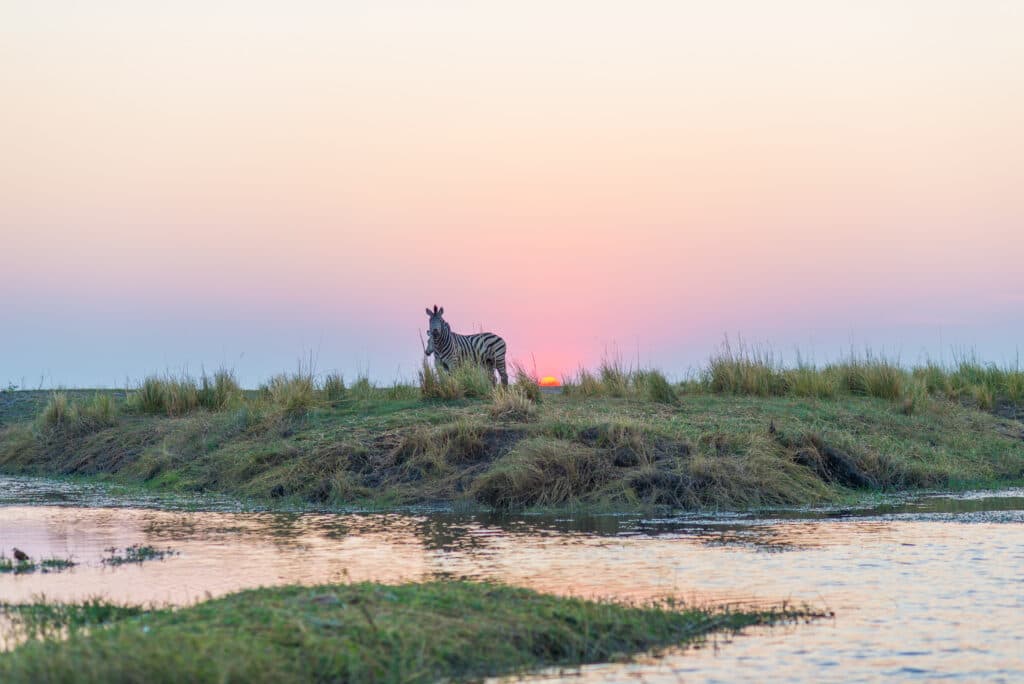
Crocodiles are photogenic but often stationary. Shoot during golden hour (early morning or late afternoon) when the light is warm and directional. A longer lens helps you maintain distance while still filling the frame with detail.
The river's vegetation provides leading lines and framing opportunities. Shoot through the trees and bushes to create depth and context for your wildlife subjects. Avoid shooting during midday when the light is harsh and shadows are deep.
Be respectful of other photographers and vehicles at popular crossing points. The concentration of people and vehicles during peak migration can be chaotic. Work with your guide to find less crowded vantage points if possible, or accept that you'll be part of a crowd during major crossing events.
Facilities and preparation
The Mara River itself has no visitor facilities. All amenities are located at lodges, camps, and towns outside the reserve. Bring plenty of water, sun protection, binoculars, and a camera with sufficient battery and storage capacity. Early morning and late afternoon game drives are cold, so layer your clothing.
Accommodation options range from budget campsites to luxury tented camps. Most lodges provide packed lunches for full-day excursions and offer hot meals at set times. Internet and phone service vary; some lodges have reliable connectivity while others have none. Confirm expectations about amenities and services when booking.
Medical facilities are limited within the reserve. The nearest hospital with serious capacity is in Narok, roughly one to two hours' drive from the main gates. Travel insurance that covers medical evacuation is strongly recommended.
Pack antimalarial medication if advised by your doctor, insect repellent, a first aid kit, and any prescription medications you need. The reserve is at an elevation of roughly 1,500 to 1,800 meters, so altitude is not a concern, but the sun at this latitude is intense.
Combining with nearby attractions
The Maasai Mara National Reserve itself occupies several days of a safari itinerary. Many visitors combine it with the Serengeti National Park in Tanzania, crossing the border during migration season to follow the herds. This requires additional permits and coordination but offers a complete view of the ecosystem.
The Masai village visits are available through most lodges. These are cultural experiences where you meet Maasai herders, learn about their traditions, and see how they live alongside wildlife. Opinions on these encounters vary; some are genuine community-based tourism, while others feel staged. Ask your lodge which experiences they recommend and what portion of fees benefits the community.
Lake Nakuru National Park lies roughly three to four hours' drive south and features flamingos, rhinos, and different savanna habitat. Nairobi National Park is closer to the capital and offers a quicker safari experience if you're short on time. Neither offers the Mara River experience, but they add variety to a longer Kenya safari.
Sample visit plan
A three-day visit allows you to settle into the rhythm of game drives and increases your odds of witnessing a crossing during migration season. Fly from Nairobi to the Mara on day one, arriving at your lodge by mid-morning. Spend the afternoon on a game drive to orient yourself and spot wildlife. Early morning on day two, depart before dawn for a crossing point if the migration is present. Afternoon drives explore other areas of the reserve. Day three morning offers another chance at a crossing or focused wildlife viewing. Fly back to Nairobi in the afternoon.
A five-day visit is more comfortable and realistic for experiencing both migration and general safari wildlife. This allows for two full days dedicated to crossing attempts and additional days for other game drives, a hot air balloon safari, or a cultural visit. Longer stays reduce the pressure to see everything and let you absorb the landscape and wildlife at a slower pace.
Practical tips
- Book your safari three to six months in advance if traveling during July to October. Prices are higher and availability is limited during peak migration season.
- Ask your guide which crossing point is most active on the day of your visit. The herds move, and your guide has better information than you will.
- Bring a hat, sunglasses, and high-SPF sunscreen. The reflection off the savanna intensifies sun exposure.
- A good pair of binoculars reveals details that transform your viewing experience. Spotting a leopard in a tree or a distant pride of lions becomes possible.
- Crossing events are unpredictable. You may witness multiple crossings or none during your stay. Adjust your expectations and enjoy the river and wildlife for their own sake, not just for one dramatic moment.
- Respect wildlife safety protocols. Stay in your vehicle, maintain the distance your guide recommends, and never attempt to approach animals for a better photo.
- The terrain is rough and dusty. Wear closed-toe shoes and bring extra layers, as early morning drives are cold despite the equatorial location.
FAQ
When do most wildebeest cross the Mara River? The main crossing season is July through October, with peak activity in August and September. Crossings also occur during the reverse migration in December through March, but are less frequent and dramatic.
Is it guaranteed I'll see a crossing? No. Crossings are natural events that happen on the animals' schedule, not yours. You may witness multiple crossings or none, depending on herd movements, water levels, and timing. Focus on the experience of being in the Mara and observing wildlife rather than on one specific event.
How many crocodiles are in the Mara River? Exact numbers are unknown, but the river supports a healthy population of Nile crocodiles, some of which are among the largest in Africa. You'll see them regularly during game drives, especially during the dry season when they concentrate in deeper pools.
Can I visit the Mara River without booking a multi-day safari? Not practically. Visiting requires a reserve permit, and you must hire a guide and vehicle through your accommodation. Day trips from Narok are theoretically possible but exhausting and not recommended. Plan for at least two nights in the reserve.
What is the best way to photograph a crossing? Position yourself on the riverbank at dawn with a telephoto lens. Work with your guide to find a good vantage point, arrive early, and be prepared to wait. Fast shutter speed, good light, and patience are more important than equipment.
Reviews
Sign in and mark this place visited to leave a review.
No reviews yet.
Free Trip Planner
Plan your Kenya trip with our free planner
Build a day-by-day itinerary with AI suggestions, hand-picked places, and friends. Free forever — no credit card.